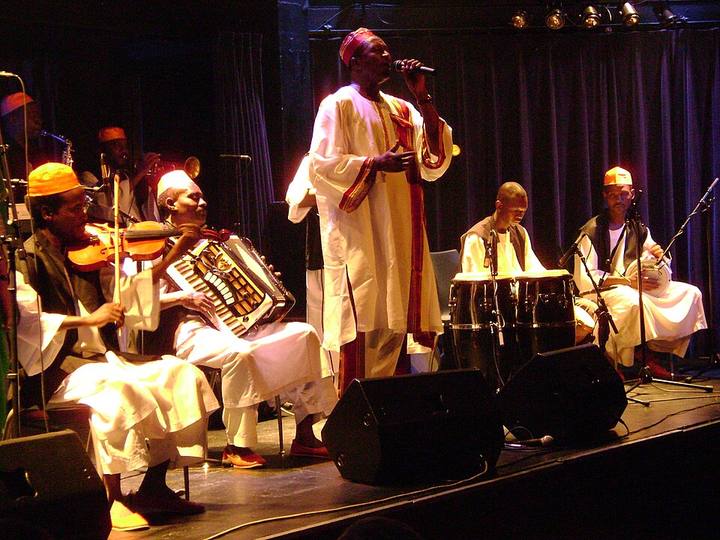
While Lagos and Accra's artists break global barriers and create transcendent sounds, repressive laws and institutional failures threaten to silence the very voices driving African cultural ascendancy.
A paradox defines contemporary Africa: the same continent producing the sounds that move global dance floors is simultaneously passing laws that criminalise love, abandoning its creative hubs to conflict, and watching its people turn on each other while politicians profit from division. This isn't just cognitive dissonance. It's the defining tension of our moment.
The New Cultural Centers of Power
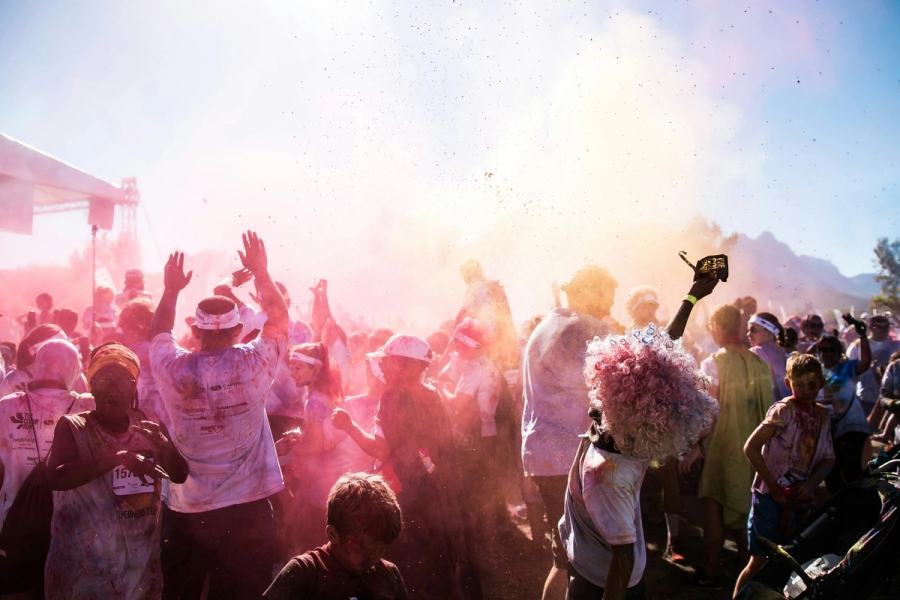
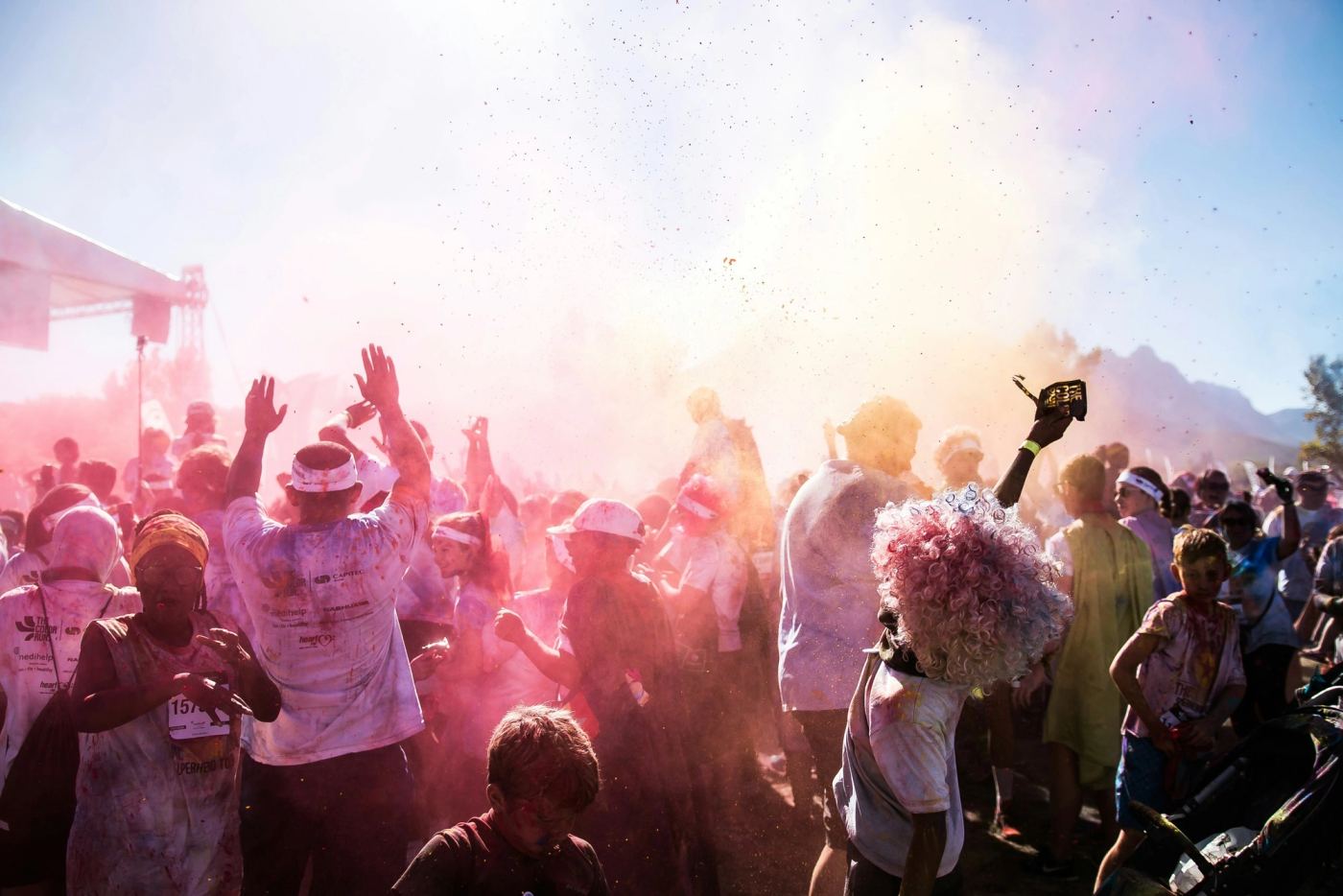
While Western cultural gatekeepers cling to narratives about underground scenes that peaked years ago, Africa's nightlife economies are reshaping global culture from Lagos to Johannesburg. [S1] The continent's warehouse raves and amapiano sessions now draw Silicon Valley executives across oceans for weekend pilgrimages, proving that the real underground isn't hiding in Brooklyn basements. It's thriving under Kampala's eternal summer. This represents more than just a shift in party destinations; it signals where cultural innovation actually lives.
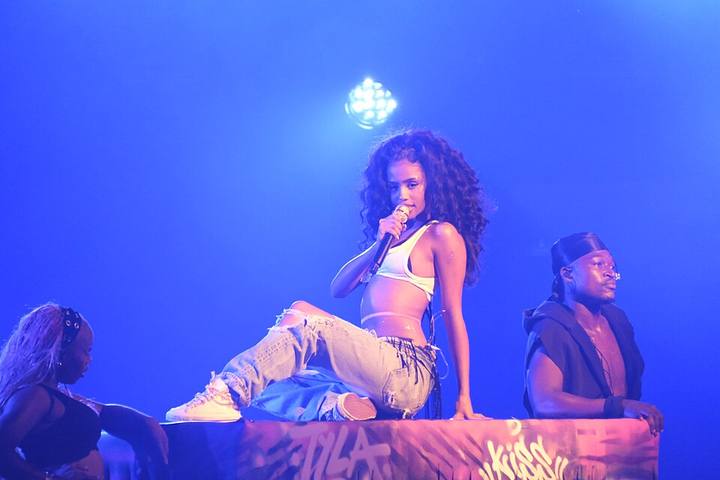
The music emerging from this ecosystem refuses Western industry templates entirely. [S9] Joey B's vernacular wordplay creates meaning that only locals fully decode, yet achieves universal potency, proving that authenticity, not assimilation, drives global resonance. [S7] Similarly, Maali's exploration of emotional vulnerability in relationships speaks to universal experiences through distinctly Kenyan sensibilities. These artists aren't seeking validation from foreign labels; they're defining success on their own terms.
The continental music industry has created mentorship ecosystems that rival anything Hollywood offers. [S2] While the West celebrates Dr. Dre's guidance of Anderson .Paak as exceptional, Africa's hip-hop architects from South Africa's Tumi to Nigeria's M.I Abaga have been building similar pathways for years, launching artists like Focalistic and Tems to global prominence through pure hustle and community investment rather than major label machinery.
When Politics Silences the Beat
Yet this cultural renaissance exists within increasingly hostile political environments. [S3] Ghana's Parliament has passed one of Africa's most repressive anti-LGBTQ+ laws, imposing prison terms on individuals who even 'promote' LGBTQ+ activities. This criminalisation of identity directly threatens the inclusivity and creative freedom that fuels artistic innovation, the same openness that makes Ghana's music scene globally compelling now becomes legally dangerous.
Keep reading this Original
Sign in or sign up to finish this story, get your personalised feed, and unlock every Strata-AF™ Original.
SIGN IN / SIGN UP