--:--LAGOS
CultureMusicFilmTechSportsPoliticsHealthFinanceReligionFashion
music
South Africa: Department Demands Action Over Kai !garib Municipality's Deteriorating Water and Sanitation Services

South Africa's water ministry has condemned Kai !Garib municipality for failing to fix persistent water and sanitation failures in the Northern Cape.

Water and Sanitation Deputy Minister Sello Seitlholo has condemned the Kai !Garib Local Municipality in the Northern Cape for failing to implement remedial measures aimed at addressing persistent deficiencies in its water and sanitation services.

SAnews.gov.za · AllAfrica
South Africa4 MIN
From the web · AllAfrica
COVER 16:9
STRATA-AF™ ANGLEEDITORIAL SYNTHESIS BY STRATA-AF™

While South African officials condemn yet another municipality's water crisis, the real question is how a continent that birthed civilisation along the Nile now watches its descendants fight for basic dignity in 2024. The Kai !Garib Municipality's failures aren't just about infrastructure. They're about a post-colonial state that has systematically failed to translate political freedom into the most fundamental human right, leaving communities to suffer while bureaucrats point fingers from Pretoria.

The crisis unfolding in Kai !Garib Municipality represents more than a localized failure of governance. It epitomizes the systemic challenges that continue to plague water and sanitation infrastructure across the African continent. Deputy Minister Sello Seitlholo's condemnation of the municipality's inaction illuminates a troubling pattern where administrative paralysis becomes complicit in perpetuating the very inequalities that liberation movements across Africa fought to dismantle. When basic services deteriorate to the point of requiring ministerial intervention, we witness not merely technical failure but the erosion of the social contract between citizens and their representatives.

The Northern Cape's struggle with water access echoes similar challenges from the Sahel to the Kalahari, where communities find themselves trapped between the promises of post-independence governance and the harsh realities of inadequate infrastructure investment. Kai !Garib's situation is particularly emblematic because it demonstrates how even in South Africa, the continent's most industrialized economy, the fundamental right to clean water remains elusive for many. This reality forces uncomfortable questions about whether Africa's political independence has translated into genuine socio-economic liberation for ordinary citizens, particularly those in rural and marginalized communities.

What makes this crisis particularly galling is the abundance of proven solutions and expertise available across the African continent. From Morocco's desalination innovations to Rwanda's community-based water management systems, African nations have repeatedly demonstrated their capacity to develop sustainable water infrastructure. The failure at Kai !Garib is therefore not one of knowledge or even necessarily resources, but of political will and administrative competence. When municipalities fail to implement remedial measures despite clear directives, they squander not only immediate opportunities for improvement but also the accumulated wisdom of Pan-African development experience.

The Deputy Minister's intervention, while necessary, also highlights the continued centralization of problem-solving mechanisms that often characterize African governance structures. True progress in addressing water and sanitation challenges requires building robust local capacity that can anticipate and resolve issues before they require higher-level intervention. This demands a fundamental reimagining of how African communities approach infrastructure governance, moving from reactive crisis management to proactive systems thinking that draws on indigenous knowledge while embracing technological innovation.

Perhaps most critically, the Kai !Garib situation underscores the urgent need for African nations to strengthen horizontal learning and cooperation mechanisms. The continent cannot afford to have each municipality, province, or nation repeatedly confront similar challenges in isolation. When South Africa's Northern Cape struggles with water service delivery, it should automatically trigger knowledge-sharing protocols with Botswana's successful community water programs or Ghana's rural sanitation initiatives. The persistence of such localized crises, despite decades of Pan-African integration efforts, suggests that our continental institutions remain insufficiently equipped to facilitate rapid, practical cooperation on basic service delivery challenges.

Moving forward, the resolution of Kai !Garib's water crisis must serve as a catalyst for broader reflection on how African governance systems can better serve their people's most fundamental needs. This means not only fixing immediate infrastructure problems but building accountability mechanisms that prevent such deterioration from occurring in the first place. The true measure of Africa's development progress will not be found in macroeconomic indicators or diplomatic achievements, but in whether every African child can access clean water and sanitation in their community. Until we achieve that basic standard, incidents like Kai !Garib will continue to remind us of how far we still have to travel on the journey toward genuine continental prosperity.

READ THE SOURCE REPORT FROM ALLAFRICA

Enjoying Strata-AF™?

Sign in or sign up for a personalised feed and unlock Strata-AF™ Originals.

SIGN IN / SIGN UP
READ NEXT
PHOTO
MUSICBBC
South Africa made to look like fools over World Cup visa issues, says minister
South Africa4 MINREAD →
PHOTO
MUSICAllAfrica
South Africa: Limpopo Police Sound Alarm Over Violence - South African News Briefs - May 28, 2026
South Africa1 MINREAD →
Iran conflict fuels farm crisis as costs soar in South Africa
MUSICAfricanews
Iran conflict fuels farm crisis as costs soar in South Africa
South Africa3 MINREAD →
--:--LAGOS
STRATA-AF™
ISSUE 001FEED◎ SEARCHSUBSCRIBE
/shows/data/docs
music
South Africa: Department Demands Action Over Kai !garib Municipality's Deteriorating Water and Sanitation Services

South Africa's water ministry has condemned Kai !Garib municipality for failing to fix persistent water and sanitation failures in the Northern Cape.

Water and Sanitation Deputy Minister Sello Seitlholo has condemned the Kai !Garib Local Municipality in the Northern Cape for failing to implement remedial measures aimed at addressing persistent deficiencies in its water and sanitation services.

SAnews.gov.za · AllAfrica
South Africa4 MIN READ
From the web · AllAfrica
STRATA-AF™ ANGLEEDITORIAL SYNTHESIS BY STRATA-AF™

While South African officials condemn yet another municipality's water crisis, the real question is how a continent that birthed civilisation along the Nile now watches its descendants fight for basic dignity in 2024. The Kai !Garib Municipality's failures aren't just about infrastructure. They're about a post-colonial state that has systematically failed to translate political freedom into the most fundamental human right, leaving communities to suffer while bureaucrats point fingers from Pretoria.

The crisis unfolding in Kai !Garib Municipality represents more than a localized failure of governance. It epitomizes the systemic challenges that continue to plague water and sanitation infrastructure across the African continent. Deputy Minister Sello Seitlholo's condemnation of the municipality's inaction illuminates a troubling pattern where administrative paralysis becomes complicit in perpetuating the very inequalities that liberation movements across Africa fought to dismantle. When basic services deteriorate to the point of requiring ministerial intervention, we witness not merely technical failure but the erosion of the social contract between citizens and their representatives.

The Northern Cape's struggle with water access echoes similar challenges from the Sahel to the Kalahari, where communities find themselves trapped between the promises of post-independence governance and the harsh realities of inadequate infrastructure investment. Kai !Garib's situation is particularly emblematic because it demonstrates how even in South Africa, the continent's most industrialized economy, the fundamental right to clean water remains elusive for many. This reality forces uncomfortable questions about whether Africa's political independence has translated into genuine socio-economic liberation for ordinary citizens, particularly those in rural and marginalized communities.

What makes this crisis particularly galling is the abundance of proven solutions and expertise available across the African continent. From Morocco's desalination innovations to Rwanda's community-based water management systems, African nations have repeatedly demonstrated their capacity to develop sustainable water infrastructure. The failure at Kai !Garib is therefore not one of knowledge or even necessarily resources, but of political will and administrative competence. When municipalities fail to implement remedial measures despite clear directives, they squander not only immediate opportunities for improvement but also the accumulated wisdom of Pan-African development experience.

The Deputy Minister's intervention, while necessary, also highlights the continued centralization of problem-solving mechanisms that often characterize African governance structures. True progress in addressing water and sanitation challenges requires building robust local capacity that can anticipate and resolve issues before they require higher-level intervention. This demands a fundamental reimagining of how African communities approach infrastructure governance, moving from reactive crisis management to proactive systems thinking that draws on indigenous knowledge while embracing technological innovation.

Perhaps most critically, the Kai !Garib situation underscores the urgent need for African nations to strengthen horizontal learning and cooperation mechanisms. The continent cannot afford to have each municipality, province, or nation repeatedly confront similar challenges in isolation. When South Africa's Northern Cape struggles with water service delivery, it should automatically trigger knowledge-sharing protocols with Botswana's successful community water programs or Ghana's rural sanitation initiatives. The persistence of such localized crises, despite decades of Pan-African integration efforts, suggests that our continental institutions remain insufficiently equipped to facilitate rapid, practical cooperation on basic service delivery challenges.

Moving forward, the resolution of Kai !Garib's water crisis must serve as a catalyst for broader reflection on how African governance systems can better serve their people's most fundamental needs. This means not only fixing immediate infrastructure problems but building accountability mechanisms that prevent such deterioration from occurring in the first place. The true measure of Africa's development progress will not be found in macroeconomic indicators or diplomatic achievements, but in whether every African child can access clean water and sanitation in their community. Until we achieve that basic standard, incidents like Kai !Garib will continue to remind us of how far we still have to travel on the journey toward genuine continental prosperity.

READ THE SOURCE REPORT FROM ALLAFRICA

Enjoying Strata-AF™?

Sign in or sign up for a personalised feed and unlock Strata-AF™ Originals.

SIGN IN / SIGN UP
VERTICAL
music
ORIGIN
South Africa
NO COVER SET
READ NEXT3 PIECES SELECTED BY OUR EDITORS
MUSIC
PHOTO
South Africa made to look like fools over World Cup visa issues, says minister
After a day of uncertainty, the government confirms the team will depart for Mexico on Monday.
South Africa4 MINREAD →
MUSIC
PHOTO
South Africa: Limpopo Police Sound Alarm Over Violence - South African News Briefs - May 28, 2026
Limpopo police are raising the alarm over a rise in violent crime in the province, one of several items flagged in this roundup of South African news briefs.
South Africa1 MINREAD →
MUSIC
Iran conflict fuels farm crisis as costs soar in South Africa
South African wheat farmers are facing mounting financial pressure as the conflict involving Iran disrupts global fuel and fertilizer markets. With diesel and fertilizer prices surging, producers warn that shrinking profits could push some farms to the brink.
South Africa3 MINREAD →
CULTURE · MUSIC · FILM · TECH · SPORT · POLITICS · HEALTH · FINANCE · RELIGION · FASHION · LAGOS · NAIROBI · JOBURG · ACCRA · DATA JOURNALISM · ORIGINAL REPORTING · THE ACTUAL VERSION ·CULTURE · MUSIC · FILM · TECH · SPORT · POLITICS · HEALTH · FINANCE · RELIGION · FASHION · LAGOS · NAIROBI · JOBURG · ACCRA · DATA JOURNALISM · ORIGINAL REPORTING · THE ACTUAL VERSION ·
Premium editorial for a continent that's done waiting to be covered.

Not the export-market version. Not the diaspora version. The actual version — written by the people who live there.

Verticals
CultureMusicFilmTechSportsPolitics
HUBS
Strata-AF OriginalsDataDocsNewsletterArchiveShows
Company
AboutMissionManifestoLegal
REACH
10VERTICALS
6CONTENT TYPES
5CITIES
1STANDARD
© 2026 STRATA-AF™ · STRATA PUBLISHING CO LTD · LAGOS · JOBURG · NAIROBI · ACCRAPRIVACYTERMSCORRECTIONSMASTHEAD
 
 
--:--LAGOS
CultureMusicFilmTechSportsPoliticsHealthFinanceReligionFashion
Highlights
Strata-AF
Editor's Pick
From the web
SPORTSSTRATA-AF™STRATA-AF™ ORIGINAL
WAFCON 2026 Proved African Women's Football Is Ready. The Clubs Aren't.
2 MINREAD →
POLITICSSTRATA-AF™★ EDITOR'S PICK
The Lagos Cancellation Is Not About Tyla Really, Or Is It ?
Pan-African2 MINREAD →
MUSICSTRATA-AF™★ EDITOR'S PICK
Blood, Beats & Betrayal: How Family Killed P-Square
Nigeria2 MINREAD →
MUSICBY THE NUMBERSSTRATA-AF™ ORIGINAL
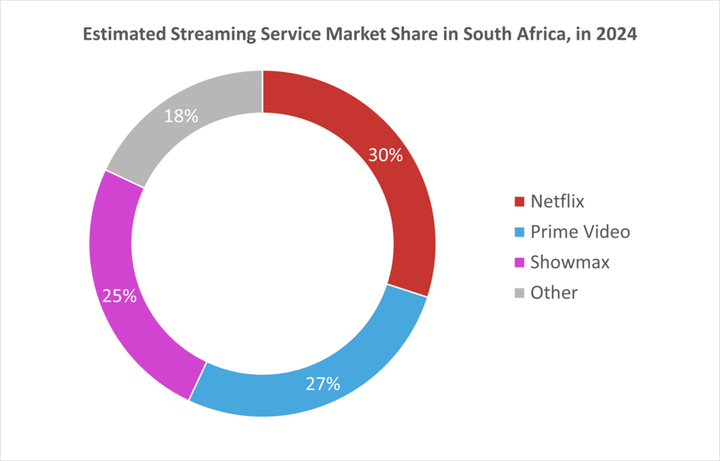
Where African Artists Earn, Lose, and Get Erased on Stream
Pan-African2 MINREAD →
HEALTHSTRATA-AF™★ EDITOR'S PICK
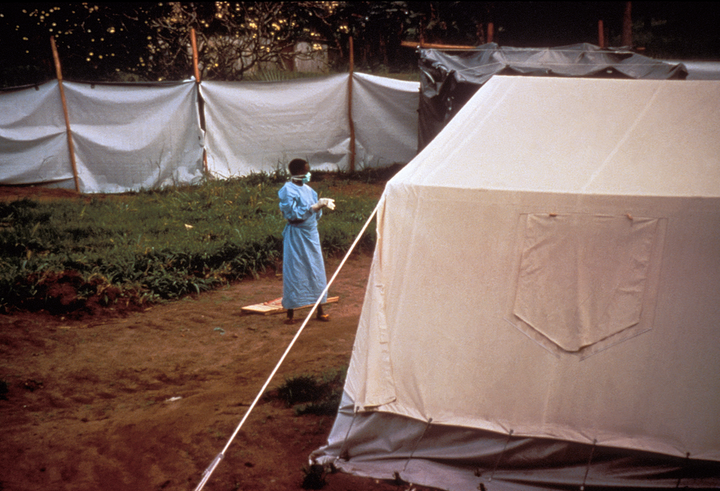
Uganda Held the Line on Ebola. Here's the Playbook Congo Needs Now
DR Congo2 MINREAD →
MUSICSTRATA-AF™STRATA-AF™ ORIGINAL
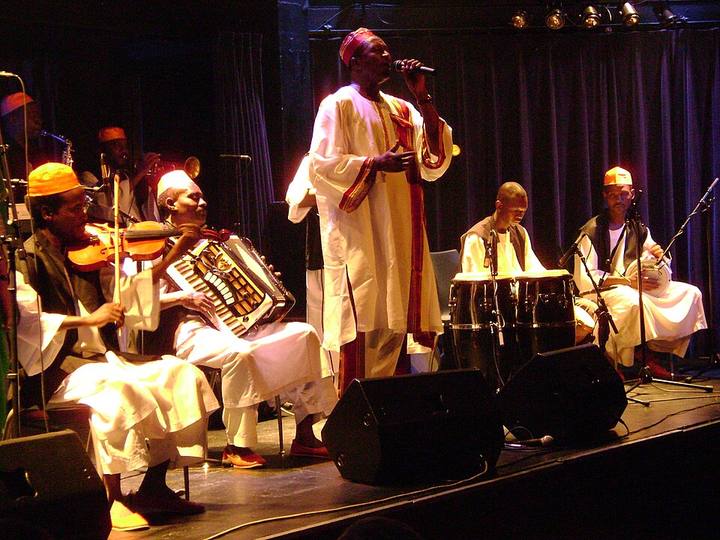
Music Is Starving in Sudan: How the RSF Silenced a Generation of Artists
Sudan2 MINREAD →
CULTURESTRATA-AF™★ EDITOR'S PICK
How BBNaija Rewired Nigerian Television And Everything Around It
Lagos, Pan-African2 MINREAD →
FASHIONSTRATA-AF™★ EDITOR'S PICK
Lagos Fashion Week's Green Push Is Either Africa's Best Bet or Its Greenest Greenwash
Pan-African2 MINREAD →
CULTURESTRATA-AF™★ EDITOR'S PICK
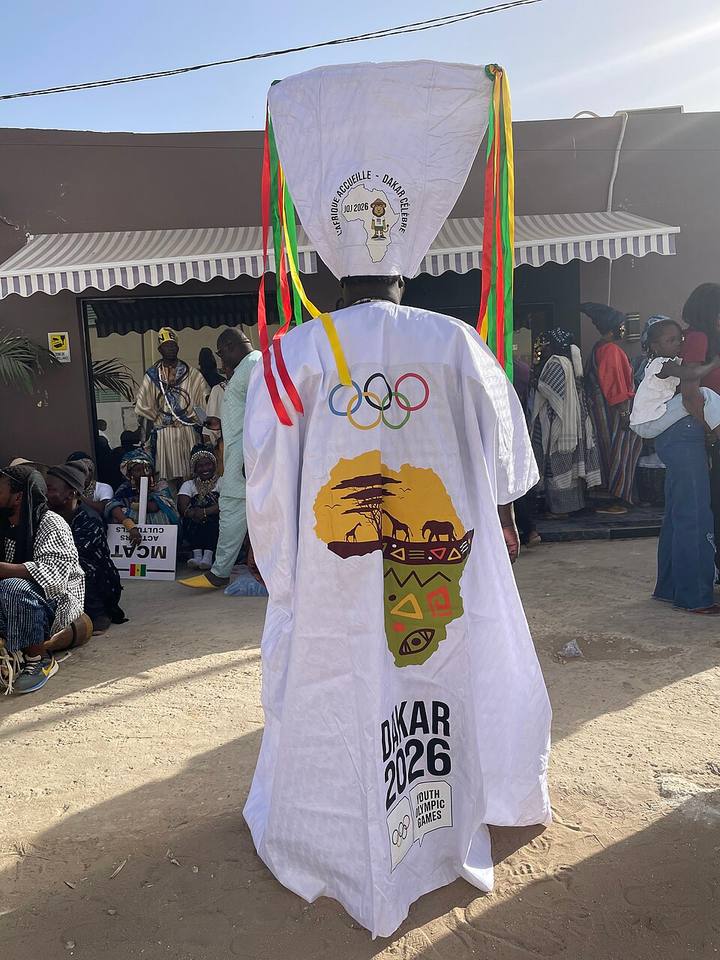
Dakar 2026 Is Africa's Olympic Moment
Senegal2 MINREAD →
SPORTSFROM THE WEB★ EDITOR'S PICK
Senegal set to make Olympic history with Dakar 2026 Youth Games
Dakar 2026 breaks a hosting monopoly that has excluded Africa from Olympic stewardship for over a century — the question is what institutional and economic legacy Senegal can extract from the moment.
Senegal1 MIN · Africanews · 25 JULREAD →
See all stories

The actual version — written by the people who live there.

10VERTICALS
6TYPES
5CITIES
1STANDARD
AboutMissionManifestoLegalOriginalsSubscribeArchiveShowsContributorsJobs
© 2026 STRATA-AF™ · STRATA PUBLISHING CO LTD · LAGOS · NAIROBI · JOBURG · ACCRA
 
 
--:--LAGOS
CultureMusicFilmTechSportsPoliticsHealthFinanceReligionFashion
music
South Africa: Department Demands Action Over Kai !garib Municipality's Deteriorating Water and Sanitation Services

South Africa's water ministry has condemned Kai !Garib municipality for failing to fix persistent water and sanitation failures in the Northern Cape.

Water and Sanitation Deputy Minister Sello Seitlholo has condemned the Kai !Garib Local Municipality in the Northern Cape for failing to implement remedial measures aimed at addressing persistent deficiencies in its water and sanitation services.

SAnews.gov.za · AllAfrica
South Africa4 MIN
From the web · AllAfrica
COVER 16:9
STRATA-AF™ ANGLEEDITORIAL SYNTHESIS BY STRATA-AF™

While South African officials condemn yet another municipality's water crisis, the real question is how a continent that birthed civilisation along the Nile now watches its descendants fight for basic dignity in 2024. The Kai !Garib Municipality's failures aren't just about infrastructure. They're about a post-colonial state that has systematically failed to translate political freedom into the most fundamental human right, leaving communities to suffer while bureaucrats point fingers from Pretoria.

The crisis unfolding in Kai !Garib Municipality represents more than a localized failure of governance. It epitomizes the systemic challenges that continue to plague water and sanitation infrastructure across the African continent. Deputy Minister Sello Seitlholo's condemnation of the municipality's inaction illuminates a troubling pattern where administrative paralysis becomes complicit in perpetuating the very inequalities that liberation movements across Africa fought to dismantle. When basic services deteriorate to the point of requiring ministerial intervention, we witness not merely technical failure but the erosion of the social contract between citizens and their representatives.

The Northern Cape's struggle with water access echoes similar challenges from the Sahel to the Kalahari, where communities find themselves trapped between the promises of post-independence governance and the harsh realities of inadequate infrastructure investment. Kai !Garib's situation is particularly emblematic because it demonstrates how even in South Africa, the continent's most industrialized economy, the fundamental right to clean water remains elusive for many. This reality forces uncomfortable questions about whether Africa's political independence has translated into genuine socio-economic liberation for ordinary citizens, particularly those in rural and marginalized communities.

What makes this crisis particularly galling is the abundance of proven solutions and expertise available across the African continent. From Morocco's desalination innovations to Rwanda's community-based water management systems, African nations have repeatedly demonstrated their capacity to develop sustainable water infrastructure. The failure at Kai !Garib is therefore not one of knowledge or even necessarily resources, but of political will and administrative competence. When municipalities fail to implement remedial measures despite clear directives, they squander not only immediate opportunities for improvement but also the accumulated wisdom of Pan-African development experience.

The Deputy Minister's intervention, while necessary, also highlights the continued centralization of problem-solving mechanisms that often characterize African governance structures. True progress in addressing water and sanitation challenges requires building robust local capacity that can anticipate and resolve issues before they require higher-level intervention. This demands a fundamental reimagining of how African communities approach infrastructure governance, moving from reactive crisis management to proactive systems thinking that draws on indigenous knowledge while embracing technological innovation.

Perhaps most critically, the Kai !Garib situation underscores the urgent need for African nations to strengthen horizontal learning and cooperation mechanisms. The continent cannot afford to have each municipality, province, or nation repeatedly confront similar challenges in isolation. When South Africa's Northern Cape struggles with water service delivery, it should automatically trigger knowledge-sharing protocols with Botswana's successful community water programs or Ghana's rural sanitation initiatives. The persistence of such localized crises, despite decades of Pan-African integration efforts, suggests that our continental institutions remain insufficiently equipped to facilitate rapid, practical cooperation on basic service delivery challenges.

Moving forward, the resolution of Kai !Garib's water crisis must serve as a catalyst for broader reflection on how African governance systems can better serve their people's most fundamental needs. This means not only fixing immediate infrastructure problems but building accountability mechanisms that prevent such deterioration from occurring in the first place. The true measure of Africa's development progress will not be found in macroeconomic indicators or diplomatic achievements, but in whether every African child can access clean water and sanitation in their community. Until we achieve that basic standard, incidents like Kai !Garib will continue to remind us of how far we still have to travel on the journey toward genuine continental prosperity.

READ THE SOURCE REPORT FROM ALLAFRICA

Enjoying Strata-AF™?

Sign in or sign up for a personalised feed and unlock Strata-AF™ Originals.

SIGN IN / SIGN UP
READ NEXT
--:--LAGOS
/shows/data/docs
music
South Africa: Department Demands Action Over Kai !garib Municipality's Deteriorating Water and Sanitation Services

South Africa's water ministry has condemned Kai !Garib municipality for failing to fix persistent water and sanitation failures in the Northern Cape.

Water and Sanitation Deputy Minister Sello Seitlholo has condemned the Kai !Garib Local Municipality in the Northern Cape for failing to implement remedial measures aimed at addressing persistent deficiencies in its water and sanitation services.

SAnews.gov.za · AllAfrica
South Africa4 MIN READ
From the web · AllAfrica
STRATA-AF™ ANGLEEDITORIAL SYNTHESIS BY STRATA-AF™

While South African officials condemn yet another municipality's water crisis, the real question is how a continent that birthed civilisation along the Nile now watches its descendants fight for basic dignity in 2024. The Kai !Garib Municipality's failures aren't just about infrastructure. They're about a post-colonial state that has systematically failed to translate political freedom into the most fundamental human right, leaving communities to suffer while bureaucrats point fingers from Pretoria.

The crisis unfolding in Kai !Garib Municipality represents more than a localized failure of governance. It epitomizes the systemic challenges that continue to plague water and sanitation infrastructure across the African continent. Deputy Minister Sello Seitlholo's condemnation of the municipality's inaction illuminates a troubling pattern where administrative paralysis becomes complicit in perpetuating the very inequalities that liberation movements across Africa fought to dismantle. When basic services deteriorate to the point of requiring ministerial intervention, we witness not merely technical failure but the erosion of the social contract between citizens and their representatives.

The Northern Cape's struggle with water access echoes similar challenges from the Sahel to the Kalahari, where communities find themselves trapped between the promises of post-independence governance and the harsh realities of inadequate infrastructure investment. Kai !Garib's situation is particularly emblematic because it demonstrates how even in South Africa, the continent's most industrialized economy, the fundamental right to clean water remains elusive for many. This reality forces uncomfortable questions about whether Africa's political independence has translated into genuine socio-economic liberation for ordinary citizens, particularly those in rural and marginalized communities.

What makes this crisis particularly galling is the abundance of proven solutions and expertise available across the African continent. From Morocco's desalination innovations to Rwanda's community-based water management systems, African nations have repeatedly demonstrated their capacity to develop sustainable water infrastructure. The failure at Kai !Garib is therefore not one of knowledge or even necessarily resources, but of political will and administrative competence. When municipalities fail to implement remedial measures despite clear directives, they squander not only immediate opportunities for improvement but also the accumulated wisdom of Pan-African development experience.

The Deputy Minister's intervention, while necessary, also highlights the continued centralization of problem-solving mechanisms that often characterize African governance structures. True progress in addressing water and sanitation challenges requires building robust local capacity that can anticipate and resolve issues before they require higher-level intervention. This demands a fundamental reimagining of how African communities approach infrastructure governance, moving from reactive crisis management to proactive systems thinking that draws on indigenous knowledge while embracing technological innovation.

Perhaps most critically, the Kai !Garib situation underscores the urgent need for African nations to strengthen horizontal learning and cooperation mechanisms. The continent cannot afford to have each municipality, province, or nation repeatedly confront similar challenges in isolation. When South Africa's Northern Cape struggles with water service delivery, it should automatically trigger knowledge-sharing protocols with Botswana's successful community water programs or Ghana's rural sanitation initiatives. The persistence of such localized crises, despite decades of Pan-African integration efforts, suggests that our continental institutions remain insufficiently equipped to facilitate rapid, practical cooperation on basic service delivery challenges.

Moving forward, the resolution of Kai !Garib's water crisis must serve as a catalyst for broader reflection on how African governance systems can better serve their people's most fundamental needs. This means not only fixing immediate infrastructure problems but building accountability mechanisms that prevent such deterioration from occurring in the first place. The true measure of Africa's development progress will not be found in macroeconomic indicators or diplomatic achievements, but in whether every African child can access clean water and sanitation in their community. Until we achieve that basic standard, incidents like Kai !Garib will continue to remind us of how far we still have to travel on the journey toward genuine continental prosperity.

READ THE SOURCE REPORT FROM ALLAFRICA

Enjoying Strata-AF™?

Sign in or sign up for a personalised feed and unlock Strata-AF™ Originals.

SIGN IN / SIGN UP
VERTICAL
music
ORIGIN
South Africa
NO COVER SET
READ NEXT3 PIECES SELECTED BY OUR EDITORS
MUSIC
PHOTO
South Africa made to look like fools over World Cup visa issues, says minister
After a day of uncertainty, the government confirms the team will depart for Mexico on Monday.
South Africa4 MINREAD →
MUSIC
PHOTO
South Africa: Limpopo Police Sound Alarm Over Violence - South African News Briefs - May 28, 2026
Limpopo police are raising the alarm over a rise in violent crime in the province, one of several items flagged in this roundup of South African news briefs.
South Africa1 MINREAD →
MUSIC
Iran conflict fuels farm crisis as costs soar in South Africa
South African wheat farmers are facing mounting financial pressure as the conflict involving Iran disrupts global fuel and fertilizer markets. With diesel and fertilizer prices surging, producers warn that shrinking profits could push some farms to the brink.
South Africa3 MINREAD →
CULTURE · MUSIC · FILM · TECH · SPORT · POLITICS · HEALTH · FINANCE · RELIGION · FASHION · LAGOS · NAIROBI · JOBURG · ACCRA · DATA JOURNALISM · ORIGINAL REPORTING · THE ACTUAL VERSION ·CULTURE · MUSIC · FILM · TECH · SPORT · POLITICS · HEALTH · FINANCE · RELIGION · FASHION · LAGOS · NAIROBI · JOBURG · ACCRA · DATA JOURNALISM · ORIGINAL REPORTING · THE ACTUAL VERSION ·
Premium editorial for a continent that's done waiting to be covered.

Not the export-market version. Not the diaspora version. The actual version — written by the people who live there.

Verticals
CultureMusicFilmTechSportsPolitics
HUBS
Strata-AF OriginalsDataDocsNewsletterArchiveShows
Company
AboutMissionManifestoLegal
REACH
10VERTICALS
6CONTENT TYPES
5CITIES
1STANDARD
© 2026 STRATA-AF™ · STRATA PUBLISHING CO LTD · LAGOS · JOBURG · NAIROBI · ACCRAPRIVACYTERMSCORRECTIONSMASTHEAD