--:--LAGOS
CultureMusicFilmTechSportsPoliticsHealthFinanceReligionFashion
sports
Tebogo's 200m Mastery Sparks Debate

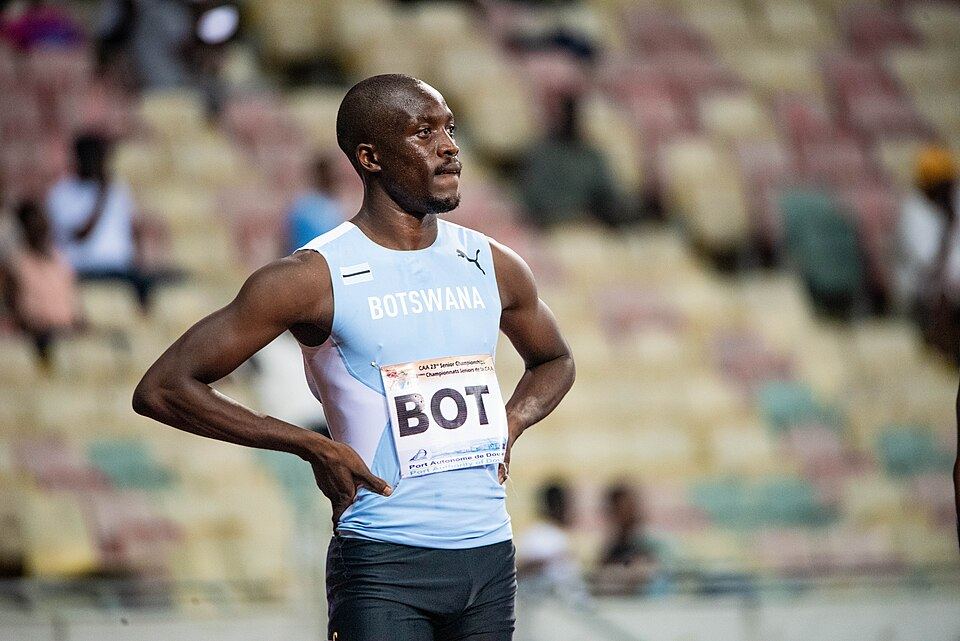
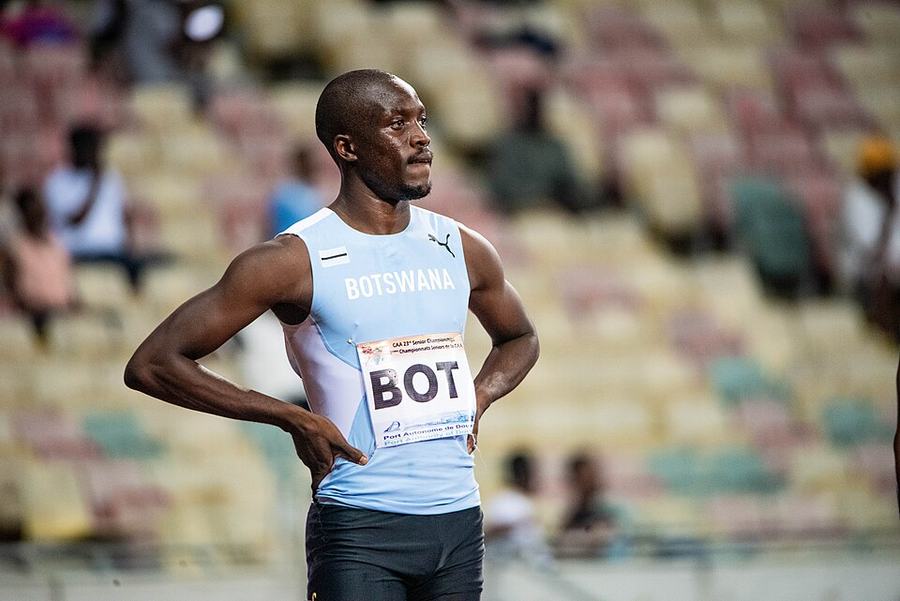
The debate over whether reigning Olympic 200-meter champion Letsile Tebogo should ditch the 100 meter dash to focus exclusively on the half-lap event continues to divide athletics pundits.
Botswana3 MIN
From the web · AllAfrica
Tebogo's 200m Mastery Sparks Debate
IMAGE · Charlyneros · CC0 · Wikimedia Commons
STRATA-AF™ ANGLEEDITORIAL SYNTHESIS BY STRATA-AF™

While Western athletics discourse obsesses over whether Tebogo should abandon the 100m, they're missing the point entirely, the Motswana speedster has already proven that African sprinters don't need to conform to traditional event specialization to dominate globally. Tebogo's dual-distance excellence isn't a coaching dilemma to solve, it's a blueprint for how the continent's next generation can rewrite sprinting orthodoxy on their own terms.

The ongoing debate surrounding Letsile Tebogo's event specialization represents more than mere athletic strategy. It crystallizes a broader conversation about African excellence and the pressures that come with continental representation on the global stage. Tebogo's historic Olympic triumph in the 200 meters has positioned Botswana, and by extension Africa, at the pinnacle of one of track and field's most prestigious events. Yet the very success that should be celebrated has instead generated a discourse that reflects the complex dynamics of African athletic achievement in international competition.

What makes this debate particularly fascinating is how it mirrors the strategic choices facing many African nations as they navigate their development priorities. Just as countries must often choose between diversifying their economies or doubling down on their competitive advantages, Tebogo faces the decision of whether to spread his talents across multiple events or concentrate his efforts where he has proven most dominant. The 200 meters has become Tebogo's signature event, much like how certain African nations have carved out niches in specific sectors of the global economy. The question of specialization versus versatility resonates far beyond the track.

The pressure on Tebogo to maintain excellence in both events speaks to the unique burden carried by African athletes who often find themselves serving as singular representatives of their nations and continent. Unlike athletes from countries with deep talent pools across multiple events, African sprinters like Tebogo carry the weight of continental expectations. This dynamic is particularly pronounced in Botswana, where Tebogo's success has elevated the nation's sporting profile exponentially and created new possibilities for athletic development and youth inspiration across the region.

From a Pan-African perspective, Tebogo's dominance in the 200 meters should be viewed as part of a larger narrative of African athletic supremacy in sprint events. His success builds upon the legacy established by athletes from across the continent, from the East African distance running tradition to the West African sprinting prowess that has dominated global competitions. Rather than seeing his potential specialization as limiting, it should be understood as part of Africa's strategic positioning in global athletics, playing to continental strengths while establishing new benchmarks for excellence.

The technical aspects of this debate also reveal something profound about African approaches to athletic development. The 200 meters, with its unique combination of speed, endurance, and tactical awareness, seems particularly suited to African athletes who have consistently excelled in events requiring both explosive power and sustained effort. Tebogo's mastery of this event represents not just individual achievement but the culmination of African athletic evolution and training methodologies that have proven their worth on the world's biggest stages.

Ultimately, the decision should rest with Tebogo and his team, free from external pressures that seek to maximize short-term medal opportunities at the expense of long-term athletic legacy. Africa's sporting future benefits most from athletes who are empowered to pursue excellence on their own terms, whether that means specialization or versatility. Tebogo's Olympic gold has already secured his place in continental sporting history, whatever path he chooses moving forward will only add to that legacy while inspiring the next generation of African athletes to dream beyond conventional limitations.

READ THE SOURCE REPORT FROM ALLAFRICA

Enjoying Strata-AF™?

Sign in or sign up for a personalised feed and unlock Strata-AF™ Originals.
SIGN IN / SIGN UP
READ NEXT
Cheers and Tears Seals the Orange Cup
SPORTSAllAfrica
Cheers and Tears Seals the Orange Cup
Botswana3 MINREAD →
PHOTO
SPORTSAfricanews
Sonko’s political comeback sparks constitutional showdown in Senegal
Senegal1 MINREAD →
AI Spectacle Is Filling African Football's Feeds
SPORTSAfrocritik
AI Spectacle Is Filling African Football's Feeds
Lagos, Nigeria3 MINREAD →
--:--LAGOS
STRATA-AF™
ISSUE 001FEED◎ SEARCHSUBSCRIBE
/shows/data/docs
sports
Tebogo's 200m Mastery Sparks Debate
IMAGE · Charlyneros · CC0 · Wikimedia Commons
Tebogo's 200m Mastery Sparks Debate

The debate over whether reigning Olympic 200-meter champion Letsile Tebogo should ditch the 100 meter dash to focus exclusively on the half-lap event continues to divide athletics pundits.

Botswana3 MIN READ
From the web · AllAfrica
STRATA-AF™ ANGLEEDITORIAL SYNTHESIS BY STRATA-AF™

While Western athletics discourse obsesses over whether Tebogo should abandon the 100m, they're missing the point entirely, the Motswana speedster has already proven that African sprinters don't need to conform to traditional event specialization to dominate globally. Tebogo's dual-distance excellence isn't a coaching dilemma to solve, it's a blueprint for how the continent's next generation can rewrite sprinting orthodoxy on their own terms.

The ongoing debate surrounding Letsile Tebogo's event specialization represents more than mere athletic strategy. It crystallizes a broader conversation about African excellence and the pressures that come with continental representation on the global stage. Tebogo's historic Olympic triumph in the 200 meters has positioned Botswana, and by extension Africa, at the pinnacle of one of track and field's most prestigious events. Yet the very success that should be celebrated has instead generated a discourse that reflects the complex dynamics of African athletic achievement in international competition.

What makes this debate particularly fascinating is how it mirrors the strategic choices facing many African nations as they navigate their development priorities. Just as countries must often choose between diversifying their economies or doubling down on their competitive advantages, Tebogo faces the decision of whether to spread his talents across multiple events or concentrate his efforts where he has proven most dominant. The 200 meters has become Tebogo's signature event, much like how certain African nations have carved out niches in specific sectors of the global economy. The question of specialization versus versatility resonates far beyond the track.

The pressure on Tebogo to maintain excellence in both events speaks to the unique burden carried by African athletes who often find themselves serving as singular representatives of their nations and continent. Unlike athletes from countries with deep talent pools across multiple events, African sprinters like Tebogo carry the weight of continental expectations. This dynamic is particularly pronounced in Botswana, where Tebogo's success has elevated the nation's sporting profile exponentially and created new possibilities for athletic development and youth inspiration across the region.

From a Pan-African perspective, Tebogo's dominance in the 200 meters should be viewed as part of a larger narrative of African athletic supremacy in sprint events. His success builds upon the legacy established by athletes from across the continent, from the East African distance running tradition to the West African sprinting prowess that has dominated global competitions. Rather than seeing his potential specialization as limiting, it should be understood as part of Africa's strategic positioning in global athletics, playing to continental strengths while establishing new benchmarks for excellence.

The technical aspects of this debate also reveal something profound about African approaches to athletic development. The 200 meters, with its unique combination of speed, endurance, and tactical awareness, seems particularly suited to African athletes who have consistently excelled in events requiring both explosive power and sustained effort. Tebogo's mastery of this event represents not just individual achievement but the culmination of African athletic evolution and training methodologies that have proven their worth on the world's biggest stages.

Ultimately, the decision should rest with Tebogo and his team, free from external pressures that seek to maximize short-term medal opportunities at the expense of long-term athletic legacy. Africa's sporting future benefits most from athletes who are empowered to pursue excellence on their own terms, whether that means specialization or versatility. Tebogo's Olympic gold has already secured his place in continental sporting history, whatever path he chooses moving forward will only add to that legacy while inspiring the next generation of African athletes to dream beyond conventional limitations.

READ THE SOURCE REPORT FROM ALLAFRICA

Enjoying Strata-AF™?

Sign in or sign up for a personalised feed and unlock Strata-AF™ Originals.

SIGN IN / SIGN UP
VERTICAL
sports
ORIGIN
Botswana
READ NEXT3 PIECES SELECTED BY OUR EDITORS
SPORTS
Cheers and Tears Seals the Orange Cup
It was a contrast of cheers and tears on Friday evening as Jwaneng Galaxy etched their names in football history books, winning the Orange FA Cup for the third consecutive time in the final showdown of Season 7.
Botswana3 MINREAD →
SPORTS
PHOTO
Sonko’s political comeback sparks constitutional showdown in Senegal
A heated constitutional and political battle is unfolding in Senegal as lawmakers examine whether Ousmane Sonko can reclaim his parliamentary seat after leaving government. The debate could reshape the balance of power inside the National Assembly.
Senegal1 MINREAD →
SPORTS
AI Spectacle Is Filling African Football's Feeds
Full stadiums and convincing video mean little if what sits underneath is synthetic.
Lagos, Nigeria3 MINREAD →
CULTURE · MUSIC · FILM · TECH · SPORT · POLITICS · HEALTH · FINANCE · RELIGION · FASHION · LAGOS · NAIROBI · JOBURG · ACCRA · DATA JOURNALISM · ORIGINAL REPORTING · THE ACTUAL VERSION ·CULTURE · MUSIC · FILM · TECH · SPORT · POLITICS · HEALTH · FINANCE · RELIGION · FASHION · LAGOS · NAIROBI · JOBURG · ACCRA · DATA JOURNALISM · ORIGINAL REPORTING · THE ACTUAL VERSION ·
Premium editorial for a continent that's done waiting to be covered.

Not the export-market version. Not the diaspora version. The actual version — written by the people who live there.

Verticals
CultureMusicFilmTechSportsPolitics
HUBS
Strata-AF OriginalsDataDocsNewsletterArchiveShows
Company
AboutMissionManifestoLegal
REACH
10VERTICALS
6CONTENT TYPES
5CITIES
1STANDARD
© 2026 STRATA-AF™ · STRATA PUBLISHING CO LTD · LAGOS · JOBURG · NAIROBI · ACCRAPRIVACYTERMSCORRECTIONSMASTHEAD
 
 
--:--LAGOS
CultureMusicFilmTechSportsPoliticsHealthFinanceReligionFashion
Highlights
Strata-AF
Editor's Pick
From the web
SPORTSSTRATA-AF™STRATA-AF™ ORIGINAL
WAFCON 2026 Proved African Women's Football Is Ready. The Clubs Aren't.
2 MINREAD →
POLITICSSTRATA-AF™★ EDITOR'S PICK
The Lagos Cancellation Is Not About Tyla Really, Or Is It ?
Pan-African2 MINREAD →
MUSICSTRATA-AF™★ EDITOR'S PICK
Blood, Beats & Betrayal: How Family Killed P-Square
Nigeria2 MINREAD →
MUSICBY THE NUMBERSSTRATA-AF™ ORIGINAL
Where African Artists Earn, Lose, and Get Erased on Stream
Pan-African2 MINREAD →
HEALTHSTRATA-AF™★ EDITOR'S PICK
Uganda Held the Line on Ebola. Here's the Playbook Congo Needs Now
DR Congo2 MINREAD →
MUSICSTRATA-AF™STRATA-AF™ ORIGINAL
Music Is Starving in Sudan: How the RSF Silenced a Generation of Artists
Sudan2 MINREAD →
CULTURESTRATA-AF™★ EDITOR'S PICK
How BBNaija Rewired Nigerian Television And Everything Around It
Lagos, Pan-African2 MINREAD →
FASHIONSTRATA-AF™★ EDITOR'S PICK
Lagos Fashion Week's Green Push Is Either Africa's Best Bet or Its Greenest Greenwash
Pan-African2 MINREAD →
CULTURESTRATA-AF™★ EDITOR'S PICK
Dakar 2026 Is Africa's Olympic Moment
Senegal2 MINREAD →
SPORTSFROM THE WEB★ EDITOR'S PICK
Senegal set to make Olympic history with Dakar 2026 Youth Games
Dakar 2026 breaks a hosting monopoly that has excluded Africa from Olympic stewardship for over a century — the question is what institutional and economic legacy Senegal can extract from the moment.
Senegal1 MIN · Africanews · 25 JULREAD →
See all stories

The actual version — written by the people who live there.

10VERTICALS
6TYPES
5CITIES
1STANDARD
AboutMissionManifestoLegalOriginalsSubscribeArchiveShowsContributorsJobs
© 2026 STRATA-AF™ · STRATA PUBLISHING CO LTD · LAGOS · NAIROBI · JOBURG · ACCRA
 
 
--:--LAGOS
CultureMusicFilmTechSportsPoliticsHealthFinanceReligionFashion
sports
Tebogo's 200m Mastery Sparks Debate

The debate over whether reigning Olympic 200-meter champion Letsile Tebogo should ditch the 100 meter dash to focus exclusively on the half-lap event continues to divide athletics pundits.

Botswana3 MIN
From the web · AllAfrica
Tebogo's 200m Mastery Sparks Debate
STRATA-AF™ ANGLEEDITORIAL SYNTHESIS BY STRATA-AF™

While Western athletics discourse obsesses over whether Tebogo should abandon the 100m, they're missing the point entirely, the Motswana speedster has already proven that African sprinters don't need to conform to traditional event specialization to dominate globally. Tebogo's dual-distance excellence isn't a coaching dilemma to solve, it's a blueprint for how the continent's next generation can rewrite sprinting orthodoxy on their own terms.

The ongoing debate surrounding Letsile Tebogo's event specialization represents more than mere athletic strategy. It crystallizes a broader conversation about African excellence and the pressures that come with continental representation on the global stage. Tebogo's historic Olympic triumph in the 200 meters has positioned Botswana, and by extension Africa, at the pinnacle of one of track and field's most prestigious events. Yet the very success that should be celebrated has instead generated a discourse that reflects the complex dynamics of African athletic achievement in international competition.

What makes this debate particularly fascinating is how it mirrors the strategic choices facing many African nations as they navigate their development priorities. Just as countries must often choose between diversifying their economies or doubling down on their competitive advantages, Tebogo faces the decision of whether to spread his talents across multiple events or concentrate his efforts where he has proven most dominant. The 200 meters has become Tebogo's signature event, much like how certain African nations have carved out niches in specific sectors of the global economy. The question of specialization versus versatility resonates far beyond the track.

The pressure on Tebogo to maintain excellence in both events speaks to the unique burden carried by African athletes who often find themselves serving as singular representatives of their nations and continent. Unlike athletes from countries with deep talent pools across multiple events, African sprinters like Tebogo carry the weight of continental expectations. This dynamic is particularly pronounced in Botswana, where Tebogo's success has elevated the nation's sporting profile exponentially and created new possibilities for athletic development and youth inspiration across the region.

From a Pan-African perspective, Tebogo's dominance in the 200 meters should be viewed as part of a larger narrative of African athletic supremacy in sprint events. His success builds upon the legacy established by athletes from across the continent, from the East African distance running tradition to the West African sprinting prowess that has dominated global competitions. Rather than seeing his potential specialization as limiting, it should be understood as part of Africa's strategic positioning in global athletics, playing to continental strengths while establishing new benchmarks for excellence.

The technical aspects of this debate also reveal something profound about African approaches to athletic development. The 200 meters, with its unique combination of speed, endurance, and tactical awareness, seems particularly suited to African athletes who have consistently excelled in events requiring both explosive power and sustained effort. Tebogo's mastery of this event represents not just individual achievement but the culmination of African athletic evolution and training methodologies that have proven their worth on the world's biggest stages.

Ultimately, the decision should rest with Tebogo and his team, free from external pressures that seek to maximize short-term medal opportunities at the expense of long-term athletic legacy. Africa's sporting future benefits most from athletes who are empowered to pursue excellence on their own terms, whether that means specialization or versatility. Tebogo's Olympic gold has already secured his place in continental sporting history, whatever path he chooses moving forward will only add to that legacy while inspiring the next generation of African athletes to dream beyond conventional limitations.

READ THE SOURCE REPORT FROM ALLAFRICA

Enjoying Strata-AF™?

Sign in or sign up for a personalised feed and unlock Strata-AF™ Originals.
SIGN IN / SIGN UP
READ NEXT
--:--LAGOS
/shows/data/docs
sports
Tebogo's 200m Mastery Sparks Debate
IMAGE · Charlyneros · CC0 · Wikimedia Commons
Tebogo's 200m Mastery Sparks Debate

The debate over whether reigning Olympic 200-meter champion Letsile Tebogo should ditch the 100 meter dash to focus exclusively on the half-lap event continues to divide athletics pundits.

Botswana3 MIN READ
From the web · AllAfrica
STRATA-AF™ ANGLEEDITORIAL SYNTHESIS BY STRATA-AF™

While Western athletics discourse obsesses over whether Tebogo should abandon the 100m, they're missing the point entirely, the Motswana speedster has already proven that African sprinters don't need to conform to traditional event specialization to dominate globally. Tebogo's dual-distance excellence isn't a coaching dilemma to solve, it's a blueprint for how the continent's next generation can rewrite sprinting orthodoxy on their own terms.

The ongoing debate surrounding Letsile Tebogo's event specialization represents more than mere athletic strategy. It crystallizes a broader conversation about African excellence and the pressures that come with continental representation on the global stage. Tebogo's historic Olympic triumph in the 200 meters has positioned Botswana, and by extension Africa, at the pinnacle of one of track and field's most prestigious events. Yet the very success that should be celebrated has instead generated a discourse that reflects the complex dynamics of African athletic achievement in international competition.

What makes this debate particularly fascinating is how it mirrors the strategic choices facing many African nations as they navigate their development priorities. Just as countries must often choose between diversifying their economies or doubling down on their competitive advantages, Tebogo faces the decision of whether to spread his talents across multiple events or concentrate his efforts where he has proven most dominant. The 200 meters has become Tebogo's signature event, much like how certain African nations have carved out niches in specific sectors of the global economy. The question of specialization versus versatility resonates far beyond the track.

The pressure on Tebogo to maintain excellence in both events speaks to the unique burden carried by African athletes who often find themselves serving as singular representatives of their nations and continent. Unlike athletes from countries with deep talent pools across multiple events, African sprinters like Tebogo carry the weight of continental expectations. This dynamic is particularly pronounced in Botswana, where Tebogo's success has elevated the nation's sporting profile exponentially and created new possibilities for athletic development and youth inspiration across the region.

From a Pan-African perspective, Tebogo's dominance in the 200 meters should be viewed as part of a larger narrative of African athletic supremacy in sprint events. His success builds upon the legacy established by athletes from across the continent, from the East African distance running tradition to the West African sprinting prowess that has dominated global competitions. Rather than seeing his potential specialization as limiting, it should be understood as part of Africa's strategic positioning in global athletics, playing to continental strengths while establishing new benchmarks for excellence.

The technical aspects of this debate also reveal something profound about African approaches to athletic development. The 200 meters, with its unique combination of speed, endurance, and tactical awareness, seems particularly suited to African athletes who have consistently excelled in events requiring both explosive power and sustained effort. Tebogo's mastery of this event represents not just individual achievement but the culmination of African athletic evolution and training methodologies that have proven their worth on the world's biggest stages.

Ultimately, the decision should rest with Tebogo and his team, free from external pressures that seek to maximize short-term medal opportunities at the expense of long-term athletic legacy. Africa's sporting future benefits most from athletes who are empowered to pursue excellence on their own terms, whether that means specialization or versatility. Tebogo's Olympic gold has already secured his place in continental sporting history, whatever path he chooses moving forward will only add to that legacy while inspiring the next generation of African athletes to dream beyond conventional limitations.

READ THE SOURCE REPORT FROM ALLAFRICA

Enjoying Strata-AF™?

Sign in or sign up for a personalised feed and unlock Strata-AF™ Originals.

SIGN IN / SIGN UP
VERTICAL
sports
ORIGIN
Botswana
READ NEXT3 PIECES SELECTED BY OUR EDITORS
CULTURE · MUSIC · FILM · TECH · SPORT · POLITICS · HEALTH · FINANCE · RELIGION · FASHION · LAGOS · NAIROBI · JOBURG · ACCRA · DATA JOURNALISM · ORIGINAL REPORTING · THE ACTUAL VERSION ·CULTURE · MUSIC · FILM · TECH · SPORT · POLITICS · HEALTH · FINANCE · RELIGION · FASHION · LAGOS · NAIROBI · JOBURG · ACCRA · DATA JOURNALISM · ORIGINAL REPORTING · THE ACTUAL VERSION ·
Premium editorial for a continent that's done waiting to be covered.

Not the export-market version. Not the diaspora version. The actual version — written by the people who live there.

Verticals
CultureMusicFilmTechSportsPolitics
HUBS
Strata-AF OriginalsDataDocsNewsletterArchiveShows
Company
AboutMissionManifestoLegal
REACH
10VERTICALS
6CONTENT TYPES
5CITIES
1STANDARD
© 2026 STRATA-AF™ · STRATA PUBLISHING CO LTD · LAGOS · JOBURG · NAIROBI · ACCRAPRIVACYTERMSCORRECTIONSMASTHEAD