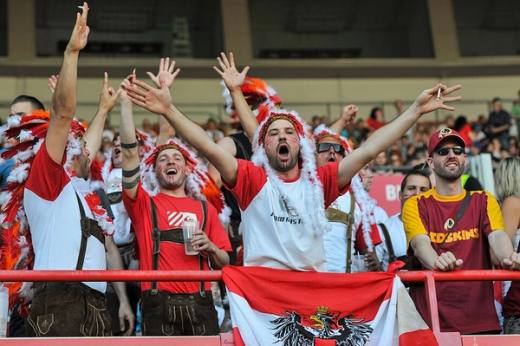
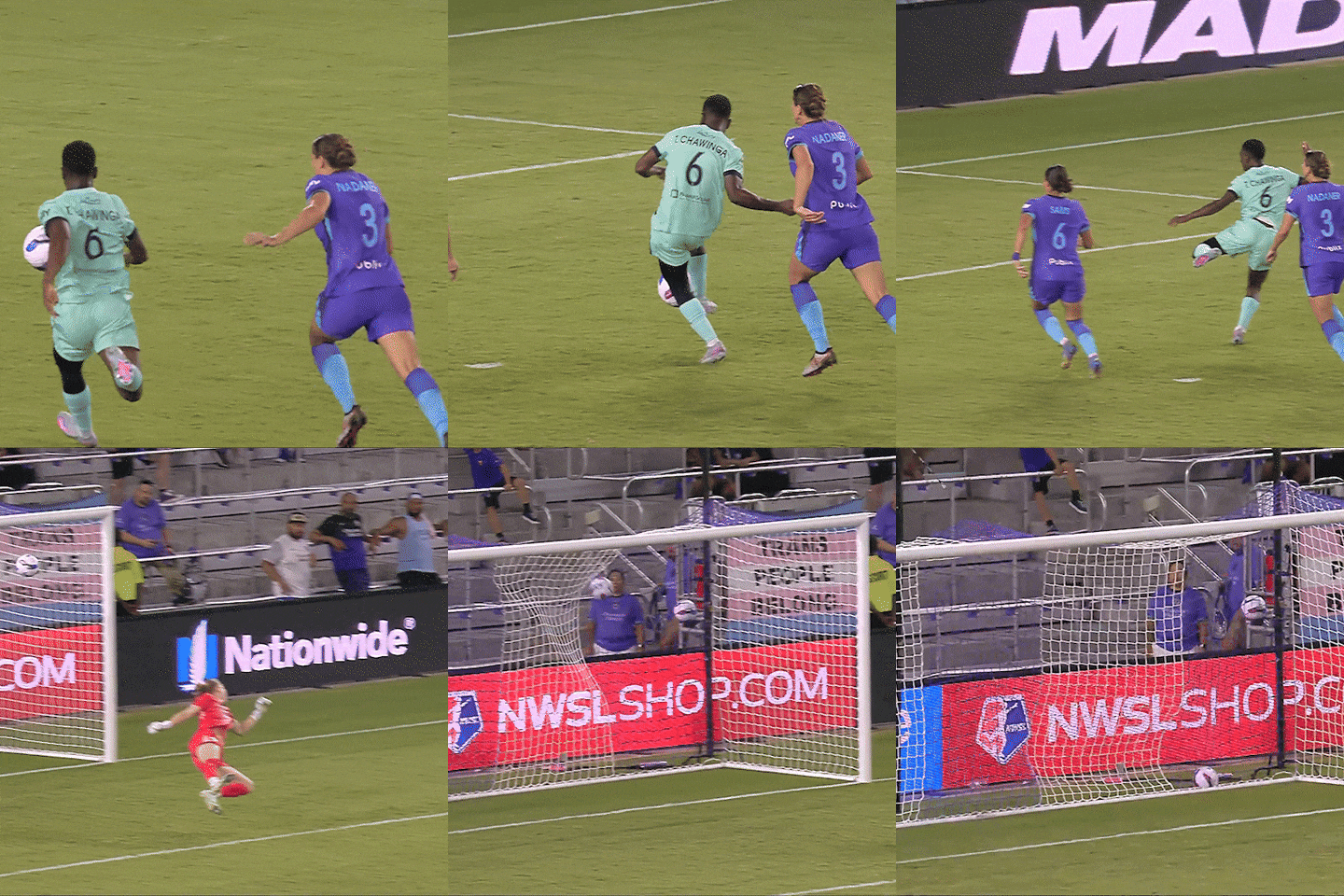
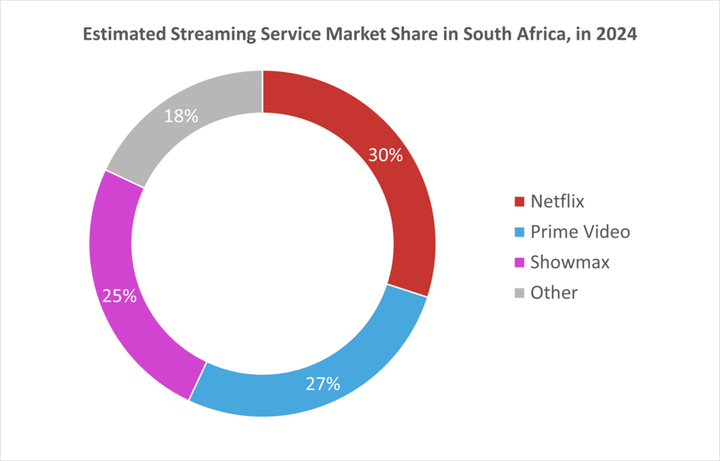
Full stadiums and convincing video mean little if what sits underneath is synthetic.
If African football's growing digital presence is constructed on top of AI-generated spectacle rather than authentic cultural expression, then the stadiums may be full, the social media numbers may be impressive, and the videos may look increasingly convincing, but it will still be hollow.

The Soul of the Game in the Age of Algorithms
The warning bells should be ringing across African football boardrooms and media houses. As artificial intelligence reshapes how the beautiful game is packaged and consumed globally, the continent stands at a crossroads that will determine whether its rich footballing heritage becomes another casualty of digital homogenization. The concern raised about AI-generated spectacle drowning out authentic cultural expression strikes at the heart of what makes African football unique. Its deep roots in community, storytelling traditions, and the ineffable spirit that transforms a match into a cultural event.
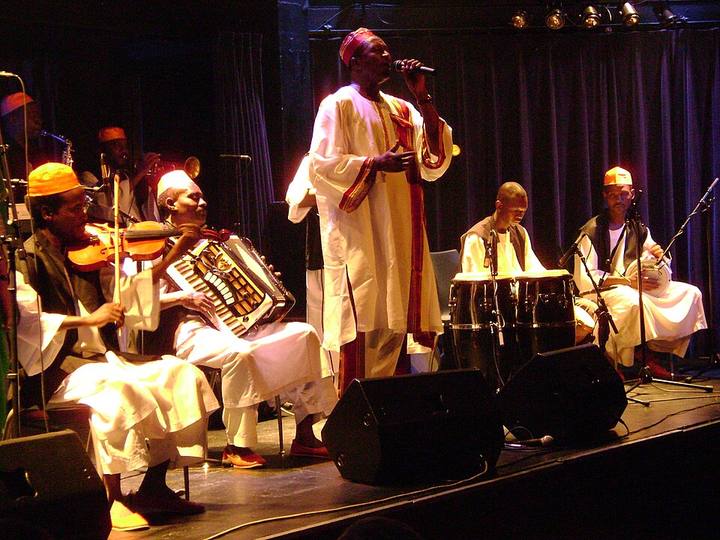
African football has always been more than goals and tactics; it is griots singing praise songs for local heroes, drummers setting rhythms that echo through stadiums, and narratives that weave seamlessly between the pitch and the broader social fabric. When Nigeria's Super Eagles take the field, they carry not just national colors but ancestral expectations. When Senegal celebrates, the joy reverberates through villages where football serves as both entertainment and economic lifeline. This contextual richness, the very essence that makes African football compelling, cannot be algorithmically replicated, yet it risks being algorithmically erased.
The digital transformation of African sports media presents a paradox that requires urgent attention from continental leadership. While AI can democratize content creation and help smaller football leagues gain global visibility, the technology's current trajectory favors standardized formats optimized for engagement metrics rather than cultural authenticity. The result is a media landscape where African football stories begin to sound like everyone else's stories, stripped of the linguistic flourishes, communal celebrations, and historical references that give them meaning.
The economic implications extend beyond media aesthetics. African football's growing commercial value depends significantly on its ability to offer something distinct in an oversaturated global market. Sponsors, broadcasters, and investors are drawn to the continent's football precisely because of its unique cultural expressions and passionate fan communities. If AI-generated content homogenizes this distinctiveness, African football risks becoming just another content stream in the global sports economy rather than a cultural force with its own economic leverage.
The path forward requires intentional choices about how technology serves African football rather than supplanting its essence. Media houses and football organizations across the continent must invest in AI systems trained on African languages, storytelling traditions, and cultural contexts. They must prioritize platforms that amplify local voices rather than replacing them with synthetic alternatives. Most critically, they must recognize that in the race for digital relevance, preserving cultural authenticity isn't just an artistic imperative. It's an economic necessity.
The stadiums may indeed be full and the social media metrics impressive, but hollow engagement generates hollow returns. African football's future prosperity depends on maintaining the cultural authenticity that makes those stadiums sacred spaces and those metrics meaningful measures of genuine community connection. The continent's football leaders have the opportunity to shape AI development in ways that enhance rather than erase African identity. The question is whether they will seize this moment before the algorithms decide the future for them.
READ THE SOURCE REPORT FROM AFROCRITIK →Enjoying Strata-AF™?
Sign in or sign up for a personalised feed and unlock Strata-AF™ Originals.