--:--LAGOS
CultureMusicFilmTechSportsPoliticsHealthFinanceReligionFashion
sports
The Biggest Test Innings South Africa Has Produced

A record of what the Proteas batting order has actually done.

South Africa has produced some of the most prolific Test batters in the history of the game.

SA Cricket Mag
South Africa4 MIN
From the web · SA Cricket Mag
COVER 16:9
STRATA-AF™ ANGLEEDITORIAL SYNTHESIS BY STRATA-AF™

South Africa's cricket excellence reflects the nation's sporting heritage and potential for continental leadership in developing world-class athletes. These record-breaking performances demonstrate how African nations can compete at the highest levels of international sport, inspiring youth development programs across the continent.

**Beyond the Boundary: Cricket as a Mirror of South African Transformation**

The celebration of South Africa's greatest Test cricket innings offers more than mere sporting nostalgia. It provides a lens through which to examine the complex trajectory of a nation's relationship with excellence, identity, and representation. Cricket in South Africa has always been more than a game; it has served as both a symbol of exclusion during the apartheid era and a vehicle for reconciliation in the democratic dispensation. When we examine these towering individual performances, we must acknowledge that they emerged from a sporting infrastructure that was, for decades, artificially constrained by racial segregation, meaning that countless potential legends were systematically excluded from the very stage where greatness could be displayed.

The Proteas' batting achievements, while undeniably impressive on technical and statistical grounds, carry the weight of a broader continental narrative about talent, opportunity, and the lingering effects of colonial sporting structures. Cricket remains one of the few global sports where African nations have achieved sustained excellence at the highest level, yet it is also a sport whose roots in Africa are inextricably linked to colonial administration and cultural imposition. South Africa's cricket prowess thus presents a fascinating paradox: the appropriation and mastery of a colonial game as a form of cultural assertion, while simultaneously operating within frameworks that continue to privilege certain communities over others.

The statistical magnificence of these innings, the centuries, double centuries, and triple centuries that punctuate Proteas cricket history, must be contextualized within the broader African sporting ecosystem. While South African cricket has produced world-class talent, the sport's infrastructure and pathways remain largely concentrated in urban centers and historically advantaged communities. This reality raises uncomfortable questions about whether these "greatest innings" truly represent the pinnacle of South African cricketing talent, or merely the best that emerged from a still-limited talent pool. The absence of comprehensive grassroots development across all communities means that we may never know what heights South African cricket could have reached with truly inclusive participation.

From a Pan-African perspective, South Africa's cricket achievements also highlight the uneven development of the sport across the continent. While the Proteas compete as equals with cricket's traditional powerhouses, other African nations struggle to maintain even basic cricket infrastructure. This disparity reflects broader patterns of resource distribution and sporting investment that mirror economic inequalities across the continent. The celebration of South African cricket excellence, therefore, should be tempered by recognition of the missed opportunities for cricket development elsewhere in Africa, where the sport could serve as a vehicle for youth development, education, and international engagement.

The narrative of individual brilliance in South African cricket also intersects with questions of brain drain and representation that resonate across the African continent. Several of the nation's most talented cricketers have migrated to other countries, whether for career opportunities or political reasons, raising questions about how sporting excellence can be cultivated and retained within African contexts. This pattern reflects broader challenges facing the continent in nurturing and maintaining intellectual and creative capital across various fields.

Ultimately, while South Africa's greatest Test innings deserve recognition for their sporting merit, they also serve as entry points for deeper conversations about access, opportunity, and the role of sport in nation-building. The true measure of these achievements may not be their statistical significance, but rather their capacity to inspire broader participation and development across South African cricket, and by extension, across African sport more generally. The challenge moving forward is ensuring that future generations of "greatest innings" emerge from an increasingly diverse and representative pool of talent, reflecting the full spectrum of South African and African potential rather than the historical limitations that have shaped the sport's development on the continent.

READ THE SOURCE REPORT FROM SA CRICKET MAG

Enjoying Strata-AF™?

Sign in or sign up for a personalised feed and unlock Strata-AF™ Originals.

SIGN IN / SIGN UP
--:--LAGOS
STRATA-AF™
ISSUE 001FEED◎ SEARCHSUBSCRIBE
/shows/data/docs
sports
The Biggest Test Innings South Africa Has Produced

A record of what the Proteas batting order has actually done.

South Africa has produced some of the most prolific Test batters in the history of the game.

SA Cricket Mag
South Africa4 MIN READ
From the web · SA Cricket Mag
STRATA-AF™ ANGLEEDITORIAL SYNTHESIS BY STRATA-AF™

South Africa's cricket excellence reflects the nation's sporting heritage and potential for continental leadership in developing world-class athletes. These record-breaking performances demonstrate how African nations can compete at the highest levels of international sport, inspiring youth development programs across the continent.

**Beyond the Boundary: Cricket as a Mirror of South African Transformation**

The celebration of South Africa's greatest Test cricket innings offers more than mere sporting nostalgia. It provides a lens through which to examine the complex trajectory of a nation's relationship with excellence, identity, and representation. Cricket in South Africa has always been more than a game; it has served as both a symbol of exclusion during the apartheid era and a vehicle for reconciliation in the democratic dispensation. When we examine these towering individual performances, we must acknowledge that they emerged from a sporting infrastructure that was, for decades, artificially constrained by racial segregation, meaning that countless potential legends were systematically excluded from the very stage where greatness could be displayed.

The Proteas' batting achievements, while undeniably impressive on technical and statistical grounds, carry the weight of a broader continental narrative about talent, opportunity, and the lingering effects of colonial sporting structures. Cricket remains one of the few global sports where African nations have achieved sustained excellence at the highest level, yet it is also a sport whose roots in Africa are inextricably linked to colonial administration and cultural imposition. South Africa's cricket prowess thus presents a fascinating paradox: the appropriation and mastery of a colonial game as a form of cultural assertion, while simultaneously operating within frameworks that continue to privilege certain communities over others.

The statistical magnificence of these innings, the centuries, double centuries, and triple centuries that punctuate Proteas cricket history, must be contextualized within the broader African sporting ecosystem. While South African cricket has produced world-class talent, the sport's infrastructure and pathways remain largely concentrated in urban centers and historically advantaged communities. This reality raises uncomfortable questions about whether these "greatest innings" truly represent the pinnacle of South African cricketing talent, or merely the best that emerged from a still-limited talent pool. The absence of comprehensive grassroots development across all communities means that we may never know what heights South African cricket could have reached with truly inclusive participation.

From a Pan-African perspective, South Africa's cricket achievements also highlight the uneven development of the sport across the continent. While the Proteas compete as equals with cricket's traditional powerhouses, other African nations struggle to maintain even basic cricket infrastructure. This disparity reflects broader patterns of resource distribution and sporting investment that mirror economic inequalities across the continent. The celebration of South African cricket excellence, therefore, should be tempered by recognition of the missed opportunities for cricket development elsewhere in Africa, where the sport could serve as a vehicle for youth development, education, and international engagement.

The narrative of individual brilliance in South African cricket also intersects with questions of brain drain and representation that resonate across the African continent. Several of the nation's most talented cricketers have migrated to other countries, whether for career opportunities or political reasons, raising questions about how sporting excellence can be cultivated and retained within African contexts. This pattern reflects broader challenges facing the continent in nurturing and maintaining intellectual and creative capital across various fields.

Ultimately, while South Africa's greatest Test innings deserve recognition for their sporting merit, they also serve as entry points for deeper conversations about access, opportunity, and the role of sport in nation-building. The true measure of these achievements may not be their statistical significance, but rather their capacity to inspire broader participation and development across South African cricket, and by extension, across African sport more generally. The challenge moving forward is ensuring that future generations of "greatest innings" emerge from an increasingly diverse and representative pool of talent, reflecting the full spectrum of South African and African potential rather than the historical limitations that have shaped the sport's development on the continent.

READ THE SOURCE REPORT FROM SA CRICKET MAG

Enjoying Strata-AF™?

Sign in or sign up for a personalised feed and unlock Strata-AF™ Originals.

SIGN IN / SIGN UP
VERTICAL
sports
ORIGIN
South Africa
NO COVER SET
CULTURE · MUSIC · FILM · TECH · SPORT · POLITICS · HEALTH · FINANCE · RELIGION · FASHION · LAGOS · NAIROBI · JOBURG · ACCRA · DATA JOURNALISM · ORIGINAL REPORTING · THE ACTUAL VERSION ·CULTURE · MUSIC · FILM · TECH · SPORT · POLITICS · HEALTH · FINANCE · RELIGION · FASHION · LAGOS · NAIROBI · JOBURG · ACCRA · DATA JOURNALISM · ORIGINAL REPORTING · THE ACTUAL VERSION ·
Premium editorial for a continent that's done waiting to be covered.

Not the export-market version. Not the diaspora version. The actual version — written by the people who live there.

Verticals
CultureMusicFilmTechSportsPolitics
HUBS
Strata-AF OriginalsDataDocsNewsletterArchiveShows
Company
AboutMissionManifestoLegal
REACH
10VERTICALS
6CONTENT TYPES
5CITIES
1STANDARD
© 2026 STRATA-AF™ · STRATA PUBLISHING CO LTD · LAGOS · JOBURG · NAIROBI · ACCRAPRIVACYTERMSCORRECTIONSMASTHEAD
 
 
--:--LAGOS
CultureMusicFilmTechSportsPoliticsHealthFinanceReligionFashion
Highlights
Strata-AF
Editor's Pick
From the web
SPORTSSTRATA-AF™STRATA-AF™ ORIGINAL
WAFCON 2026 Proved African Women's Football Is Ready. The Clubs Aren't.
2 MINREAD →
POLITICSSTRATA-AF™★ EDITOR'S PICK
The Lagos Cancellation Is Not About Tyla Really, Or Is It ?
Pan-African2 MINREAD →
MUSICSTRATA-AF™★ EDITOR'S PICK
Blood, Beats & Betrayal: How Family Killed P-Square
Nigeria2 MINREAD →
MUSICBY THE NUMBERSSTRATA-AF™ ORIGINAL
Where African Artists Earn, Lose, and Get Erased on Stream
Pan-African2 MINREAD →
HEALTHSTRATA-AF™★ EDITOR'S PICK
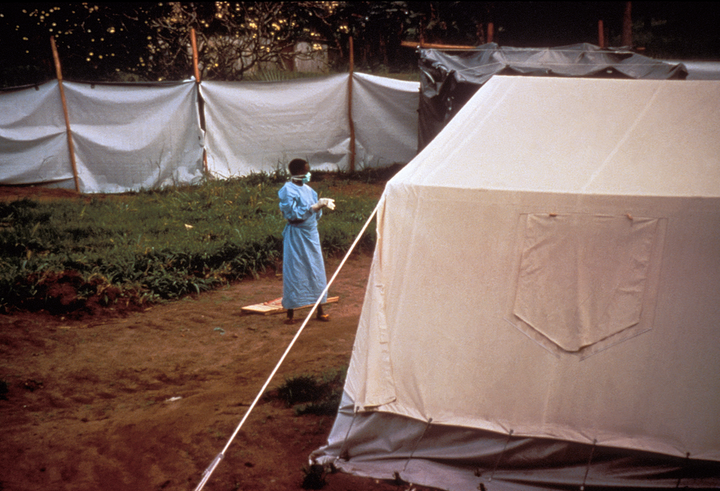
Uganda Held the Line on Ebola. Here's the Playbook Congo Needs Now
DR Congo2 MINREAD →
MUSICSTRATA-AF™STRATA-AF™ ORIGINAL
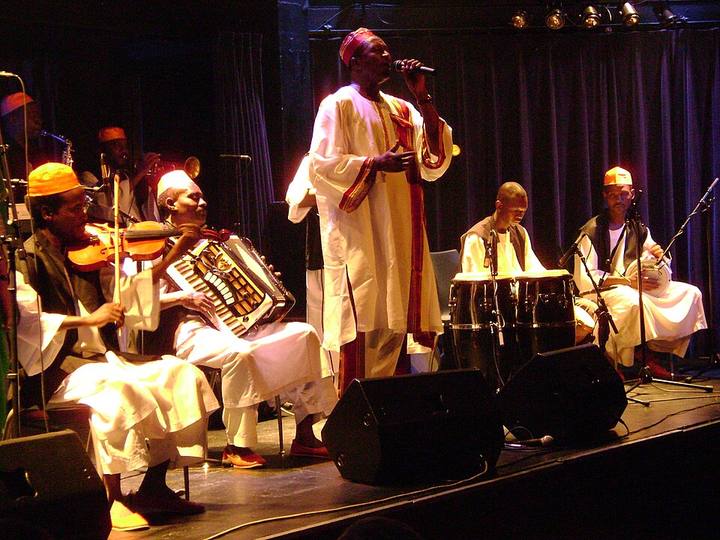
Music Is Starving in Sudan: How the RSF Silenced a Generation of Artists
Sudan2 MINREAD →
CULTURESTRATA-AF™★ EDITOR'S PICK
How BBNaija Rewired Nigerian Television And Everything Around It
Lagos, Pan-African2 MINREAD →
FASHIONSTRATA-AF™★ EDITOR'S PICK
Lagos Fashion Week's Green Push Is Either Africa's Best Bet or Its Greenest Greenwash
Pan-African2 MINREAD →
CULTURESTRATA-AF™★ EDITOR'S PICK
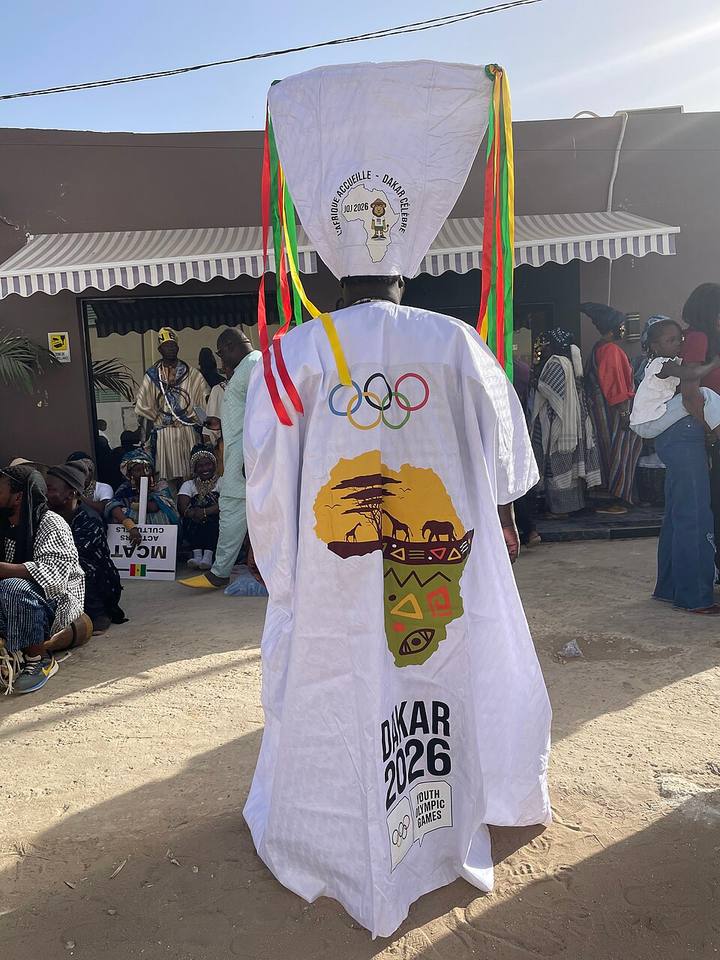
Dakar 2026 Is Africa's Olympic Moment
Senegal2 MINREAD →
SPORTSFROM THE WEB★ EDITOR'S PICK
Senegal set to make Olympic history with Dakar 2026 Youth Games
Dakar 2026 breaks a hosting monopoly that has excluded Africa from Olympic stewardship for over a century — the question is what institutional and economic legacy Senegal can extract from the moment.
Senegal1 MIN · Africanews · 25 JULREAD →
See all stories

The actual version — written by the people who live there.

10VERTICALS
6TYPES
5CITIES
1STANDARD
AboutMissionManifestoLegalOriginalsSubscribeArchiveShowsContributorsJobs
© 2026 STRATA-AF™ · STRATA PUBLISHING CO LTD · LAGOS · NAIROBI · JOBURG · ACCRA
 
 
--:--LAGOS
CultureMusicFilmTechSportsPoliticsHealthFinanceReligionFashion
sports
The Biggest Test Innings South Africa Has Produced

A record of what the Proteas batting order has actually done.

South Africa has produced some of the most prolific Test batters in the history of the game.

SA Cricket Mag
South Africa4 MIN
From the web · SA Cricket Mag
COVER 16:9
STRATA-AF™ ANGLEEDITORIAL SYNTHESIS BY STRATA-AF™

South Africa's cricket excellence reflects the nation's sporting heritage and potential for continental leadership in developing world-class athletes. These record-breaking performances demonstrate how African nations can compete at the highest levels of international sport, inspiring youth development programs across the continent.

**Beyond the Boundary: Cricket as a Mirror of South African Transformation**

The celebration of South Africa's greatest Test cricket innings offers more than mere sporting nostalgia. It provides a lens through which to examine the complex trajectory of a nation's relationship with excellence, identity, and representation. Cricket in South Africa has always been more than a game; it has served as both a symbol of exclusion during the apartheid era and a vehicle for reconciliation in the democratic dispensation. When we examine these towering individual performances, we must acknowledge that they emerged from a sporting infrastructure that was, for decades, artificially constrained by racial segregation, meaning that countless potential legends were systematically excluded from the very stage where greatness could be displayed.

The Proteas' batting achievements, while undeniably impressive on technical and statistical grounds, carry the weight of a broader continental narrative about talent, opportunity, and the lingering effects of colonial sporting structures. Cricket remains one of the few global sports where African nations have achieved sustained excellence at the highest level, yet it is also a sport whose roots in Africa are inextricably linked to colonial administration and cultural imposition. South Africa's cricket prowess thus presents a fascinating paradox: the appropriation and mastery of a colonial game as a form of cultural assertion, while simultaneously operating within frameworks that continue to privilege certain communities over others.

The statistical magnificence of these innings, the centuries, double centuries, and triple centuries that punctuate Proteas cricket history, must be contextualized within the broader African sporting ecosystem. While South African cricket has produced world-class talent, the sport's infrastructure and pathways remain largely concentrated in urban centers and historically advantaged communities. This reality raises uncomfortable questions about whether these "greatest innings" truly represent the pinnacle of South African cricketing talent, or merely the best that emerged from a still-limited talent pool. The absence of comprehensive grassroots development across all communities means that we may never know what heights South African cricket could have reached with truly inclusive participation.

From a Pan-African perspective, South Africa's cricket achievements also highlight the uneven development of the sport across the continent. While the Proteas compete as equals with cricket's traditional powerhouses, other African nations struggle to maintain even basic cricket infrastructure. This disparity reflects broader patterns of resource distribution and sporting investment that mirror economic inequalities across the continent. The celebration of South African cricket excellence, therefore, should be tempered by recognition of the missed opportunities for cricket development elsewhere in Africa, where the sport could serve as a vehicle for youth development, education, and international engagement.

The narrative of individual brilliance in South African cricket also intersects with questions of brain drain and representation that resonate across the African continent. Several of the nation's most talented cricketers have migrated to other countries, whether for career opportunities or political reasons, raising questions about how sporting excellence can be cultivated and retained within African contexts. This pattern reflects broader challenges facing the continent in nurturing and maintaining intellectual and creative capital across various fields.

Ultimately, while South Africa's greatest Test innings deserve recognition for their sporting merit, they also serve as entry points for deeper conversations about access, opportunity, and the role of sport in nation-building. The true measure of these achievements may not be their statistical significance, but rather their capacity to inspire broader participation and development across South African cricket, and by extension, across African sport more generally. The challenge moving forward is ensuring that future generations of "greatest innings" emerge from an increasingly diverse and representative pool of talent, reflecting the full spectrum of South African and African potential rather than the historical limitations that have shaped the sport's development on the continent.

READ THE SOURCE REPORT FROM SA CRICKET MAG

Enjoying Strata-AF™?

Sign in or sign up for a personalised feed and unlock Strata-AF™ Originals.

SIGN IN / SIGN UP
--:--LAGOS
/shows/data/docs
sports
The Biggest Test Innings South Africa Has Produced

A record of what the Proteas batting order has actually done.

South Africa has produced some of the most prolific Test batters in the history of the game.

SA Cricket Mag
South Africa4 MIN READ
From the web · SA Cricket Mag
STRATA-AF™ ANGLEEDITORIAL SYNTHESIS BY STRATA-AF™

South Africa's cricket excellence reflects the nation's sporting heritage and potential for continental leadership in developing world-class athletes. These record-breaking performances demonstrate how African nations can compete at the highest levels of international sport, inspiring youth development programs across the continent.

**Beyond the Boundary: Cricket as a Mirror of South African Transformation**

The celebration of South Africa's greatest Test cricket innings offers more than mere sporting nostalgia. It provides a lens through which to examine the complex trajectory of a nation's relationship with excellence, identity, and representation. Cricket in South Africa has always been more than a game; it has served as both a symbol of exclusion during the apartheid era and a vehicle for reconciliation in the democratic dispensation. When we examine these towering individual performances, we must acknowledge that they emerged from a sporting infrastructure that was, for decades, artificially constrained by racial segregation, meaning that countless potential legends were systematically excluded from the very stage where greatness could be displayed.

The Proteas' batting achievements, while undeniably impressive on technical and statistical grounds, carry the weight of a broader continental narrative about talent, opportunity, and the lingering effects of colonial sporting structures. Cricket remains one of the few global sports where African nations have achieved sustained excellence at the highest level, yet it is also a sport whose roots in Africa are inextricably linked to colonial administration and cultural imposition. South Africa's cricket prowess thus presents a fascinating paradox: the appropriation and mastery of a colonial game as a form of cultural assertion, while simultaneously operating within frameworks that continue to privilege certain communities over others.

The statistical magnificence of these innings, the centuries, double centuries, and triple centuries that punctuate Proteas cricket history, must be contextualized within the broader African sporting ecosystem. While South African cricket has produced world-class talent, the sport's infrastructure and pathways remain largely concentrated in urban centers and historically advantaged communities. This reality raises uncomfortable questions about whether these "greatest innings" truly represent the pinnacle of South African cricketing talent, or merely the best that emerged from a still-limited talent pool. The absence of comprehensive grassroots development across all communities means that we may never know what heights South African cricket could have reached with truly inclusive participation.

From a Pan-African perspective, South Africa's cricket achievements also highlight the uneven development of the sport across the continent. While the Proteas compete as equals with cricket's traditional powerhouses, other African nations struggle to maintain even basic cricket infrastructure. This disparity reflects broader patterns of resource distribution and sporting investment that mirror economic inequalities across the continent. The celebration of South African cricket excellence, therefore, should be tempered by recognition of the missed opportunities for cricket development elsewhere in Africa, where the sport could serve as a vehicle for youth development, education, and international engagement.

The narrative of individual brilliance in South African cricket also intersects with questions of brain drain and representation that resonate across the African continent. Several of the nation's most talented cricketers have migrated to other countries, whether for career opportunities or political reasons, raising questions about how sporting excellence can be cultivated and retained within African contexts. This pattern reflects broader challenges facing the continent in nurturing and maintaining intellectual and creative capital across various fields.

Ultimately, while South Africa's greatest Test innings deserve recognition for their sporting merit, they also serve as entry points for deeper conversations about access, opportunity, and the role of sport in nation-building. The true measure of these achievements may not be their statistical significance, but rather their capacity to inspire broader participation and development across South African cricket, and by extension, across African sport more generally. The challenge moving forward is ensuring that future generations of "greatest innings" emerge from an increasingly diverse and representative pool of talent, reflecting the full spectrum of South African and African potential rather than the historical limitations that have shaped the sport's development on the continent.

READ THE SOURCE REPORT FROM SA CRICKET MAG

Enjoying Strata-AF™?

Sign in or sign up for a personalised feed and unlock Strata-AF™ Originals.

SIGN IN / SIGN UP
VERTICAL
sports
ORIGIN
South Africa
NO COVER SET
CULTURE · MUSIC · FILM · TECH · SPORT · POLITICS · HEALTH · FINANCE · RELIGION · FASHION · LAGOS · NAIROBI · JOBURG · ACCRA · DATA JOURNALISM · ORIGINAL REPORTING · THE ACTUAL VERSION ·CULTURE · MUSIC · FILM · TECH · SPORT · POLITICS · HEALTH · FINANCE · RELIGION · FASHION · LAGOS · NAIROBI · JOBURG · ACCRA · DATA JOURNALISM · ORIGINAL REPORTING · THE ACTUAL VERSION ·
Premium editorial for a continent that's done waiting to be covered.

Not the export-market version. Not the diaspora version. The actual version — written by the people who live there.

Verticals
CultureMusicFilmTechSportsPolitics
HUBS
Strata-AF OriginalsDataDocsNewsletterArchiveShows
Company
AboutMissionManifestoLegal
REACH
10VERTICALS
6CONTENT TYPES
5CITIES
1STANDARD
© 2026 STRATA-AF™ · STRATA PUBLISHING CO LTD · LAGOS · JOBURG · NAIROBI · ACCRAPRIVACYTERMSCORRECTIONSMASTHEAD