--:--LAGOS
CultureMusicFilmTechSportsPoliticsHealthFinanceReligionFashion
politics
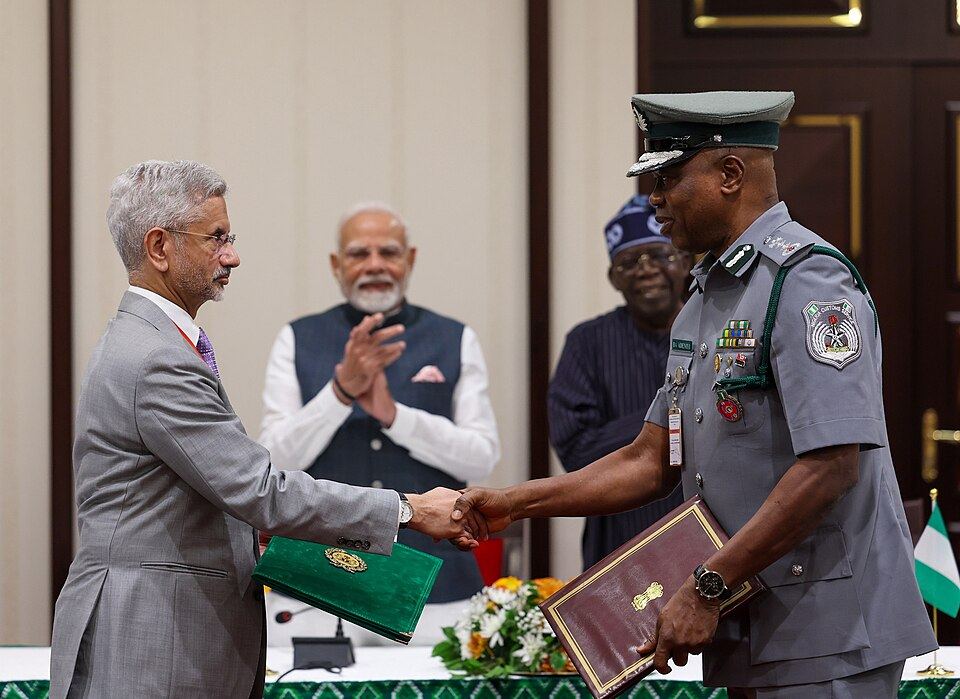
Senate Passes President Tinubu's State Police Bill

Nigeria's Senate has advanced Tinubu's State Police Bill for further constitutional processing — potentially the biggest overhaul of the country's internal security architecture since 1999.

In what could become the most far-reaching restructuring of Nigeria's internal security architecture since the return to democratic rule in 1999, the Senate on Wednesday passed for further constitutional processing President Bola Tinubu's State Police Bill, 2026.
AllAfrica · AllAfrica
Abuja, Nigeria3 MIN · 25 JUNE 2026
From the web · AllAfrica
Senate Passes President Tinubu's State Police Bill
IMAGE · Wikimedia Commons
STRATA-AF™ ANGLEEDITORIAL SYNTHESIS BY STRATA-AF™

The State Police Bill's Senate passage is the beginning of Nigeria's most consequential internal security restructuring since 1999, but its transformative potential depends entirely on whether state governors treat the new mandate as genuine law enforcement devolution or as a mechanism for consolidating control over security apparatus. The parallel passage of the Police Trust Fund increase signals at least some recognition that decentralisation without resourcing is simply a transfer of responsibility without capacity.

The Senate's passage of the State Police Bill, framing it as the most far-reaching restructuring of Nigeria's internal security architecture since 1999, requires a moment of context: the 1999 constitutional settlement that created the highly centralised federal police structure was itself a product of a specific political moment, the transition from military rule, where a single national police force was seen as a safeguard against regional paramilitary consolidation. Dismantling that architecture now reflects a consensus building across geopolitical zones and party lines. That the NPF's centralised model has failed to deliver security at the operational level where Nigerians actually experience it.

The "battle moves to states" framing is apt. Federal passage is the beginning, not the end. State governors who have been publicly supportive of the bill will now face the internal politics of actually building, staffing, and funding state police services, and in some cases, building the accountability mechanisms that prevent those services from becoming governorship security appendages rather than public law enforcement institutions. The history of state-level security structures in Nigeria includes examples of both responsible deployment and gross abuse; nothing in the bill's passage guarantees which model prevails in any given state.

The political economy of the reform also intersects with federalism's core tension in Nigeria: revenue distribution. State police forces require state budgets, and the majority of Nigerian states are deeply dependent on federal allocations for their fiscal survival. The parallel bill doubling the Nigeria Police Trust Fund allocation to 1 percent of federation revenue is implicitly connected. It represents a transitional backstop while the state police framework is being built, signalling that the federal centre is not simply offloading responsibility without accompanying resources.

What the passage signals above all is that Nigeria's political class, across its contradictions, has reached a working consensus that the security status quo is unsustainable. State police is not a perfect solution; it is an acknowledgment that the search for a workable one has to start somewhere structural rather than at the margins.

READ THE SOURCE REPORT FROM ALLAFRICA

Enjoying Strata-AF™?

Sign in or sign up for a personalised feed and unlock Strata-AF™ Originals.

SIGN IN / SIGN UP
READ NEXT
Nigeria Backs U.S. Sanctions On Alleged ISWAP Financiers
POLITICSAllAfrica
Nigeria Backs U.S. Sanctions On Alleged ISWAP Financiers
Nigeria3 MINREAD →
--:--LAGOS
STRATA-AF™
ISSUE 001FEED◎ SEARCHSUBSCRIBE
/shows/data/docs
politics
Senate Passes President Tinubu's State Police Bill
IMAGE · Wikimedia Commons
Senate Passes President Tinubu's State Police Bill

Nigeria's Senate has advanced Tinubu's State Police Bill for further constitutional processing — potentially the biggest overhaul of the country's internal security architecture since 1999.

In what could become the most far-reaching restructuring of Nigeria's internal security architecture since the return to democratic rule in 1999, the Senate on Wednesday passed for further constitutional processing President Bola Tinubu's State Police Bill, 2026.

AllAfrica · AllAfrica
Abuja, Nigeria3 MIN READ · 25 JUNE 2026
From the web · AllAfrica
STRATA-AF™ ANGLEEDITORIAL SYNTHESIS BY STRATA-AF™

The State Police Bill's Senate passage is the beginning of Nigeria's most consequential internal security restructuring since 1999, but its transformative potential depends entirely on whether state governors treat the new mandate as genuine law enforcement devolution or as a mechanism for consolidating control over security apparatus. The parallel passage of the Police Trust Fund increase signals at least some recognition that decentralisation without resourcing is simply a transfer of responsibility without capacity.

The Senate's passage of the State Police Bill, framing it as the most far-reaching restructuring of Nigeria's internal security architecture since 1999, requires a moment of context: the 1999 constitutional settlement that created the highly centralised federal police structure was itself a product of a specific political moment, the transition from military rule, where a single national police force was seen as a safeguard against regional paramilitary consolidation. Dismantling that architecture now reflects a consensus building across geopolitical zones and party lines. That the NPF's centralised model has failed to deliver security at the operational level where Nigerians actually experience it.

The "battle moves to states" framing is apt. Federal passage is the beginning, not the end. State governors who have been publicly supportive of the bill will now face the internal politics of actually building, staffing, and funding state police services, and in some cases, building the accountability mechanisms that prevent those services from becoming governorship security appendages rather than public law enforcement institutions. The history of state-level security structures in Nigeria includes examples of both responsible deployment and gross abuse; nothing in the bill's passage guarantees which model prevails in any given state.

The political economy of the reform also intersects with federalism's core tension in Nigeria: revenue distribution. State police forces require state budgets, and the majority of Nigerian states are deeply dependent on federal allocations for their fiscal survival. The parallel bill doubling the Nigeria Police Trust Fund allocation to 1 percent of federation revenue is implicitly connected. It represents a transitional backstop while the state police framework is being built, signalling that the federal centre is not simply offloading responsibility without accompanying resources.

What the passage signals above all is that Nigeria's political class, across its contradictions, has reached a working consensus that the security status quo is unsustainable. State police is not a perfect solution; it is an acknowledgment that the search for a workable one has to start somewhere structural rather than at the margins.

READ THE SOURCE REPORT FROM ALLAFRICA

Enjoying Strata-AF™?

Sign in or sign up for a personalised feed and unlock Strata-AF™ Originals.

SIGN IN / SIGN UP
VERTICAL
politics
ORIGIN
Abuja, Nigeria
PUBLISHED
25 JUNE 2026
READ NEXT1 PIECE SELECTED BY OUR EDITORS
POLITICS
Nigeria Backs U.S. Sanctions On Alleged ISWAP Financiers
The federal government has welcomed the decision of the United States to sanction Mukthar Muhammad Adamu and two Bureau De Change (BDC) companies over their alleged links to terrorism financing, describing the move as a significant step in the global fight against terrorism.
Nigeria3 MINREAD →
CULTURE · MUSIC · FILM · TECH · SPORT · POLITICS · HEALTH · FINANCE · RELIGION · FASHION · LAGOS · NAIROBI · JOBURG · ACCRA · DATA JOURNALISM · ORIGINAL REPORTING · THE ACTUAL VERSION ·CULTURE · MUSIC · FILM · TECH · SPORT · POLITICS · HEALTH · FINANCE · RELIGION · FASHION · LAGOS · NAIROBI · JOBURG · ACCRA · DATA JOURNALISM · ORIGINAL REPORTING · THE ACTUAL VERSION ·
Premium editorial for a continent that's done waiting to be covered.

Not the export-market version. Not the diaspora version. The actual version — written by the people who live there.

Verticals
CultureMusicFilmTechSportsPolitics
HUBS
Strata-AF OriginalsDataDocsNewsletterArchiveShows
Company
AboutMissionManifestoLegal
REACH
10VERTICALS
6CONTENT TYPES
5CITIES
1STANDARD
© 2026 STRATA-AF™ · STRATA PUBLISHING CO LTD · LAGOS · JOBURG · NAIROBI · ACCRAPRIVACYTERMSCORRECTIONSMASTHEAD
 
 
--:--LAGOS
CultureMusicFilmTechSportsPoliticsHealthFinanceReligionFashion
Highlights
Strata-AF
Editor's Pick
From the web
SPORTSSTRATA-AF™STRATA-AF™ ORIGINAL
WAFCON 2026 Proved African Women's Football Is Ready. The Clubs Aren't.
2 MINREAD →
POLITICSSTRATA-AF™★ EDITOR'S PICK
The Lagos Cancellation Is Not About Tyla Really, Or Is It ?
Pan-African2 MINREAD →
MUSICSTRATA-AF™★ EDITOR'S PICK
Blood, Beats & Betrayal: How Family Killed P-Square
Nigeria2 MINREAD →
MUSICBY THE NUMBERSSTRATA-AF™ ORIGINAL
Where African Artists Earn, Lose, and Get Erased on Stream
Pan-African2 MINREAD →
HEALTHSTRATA-AF™★ EDITOR'S PICK
Uganda Held the Line on Ebola. Here's the Playbook Congo Needs Now
DR Congo2 MINREAD →
MUSICSTRATA-AF™STRATA-AF™ ORIGINAL
Music Is Starving in Sudan: How the RSF Silenced a Generation of Artists
Sudan2 MINREAD →
CULTURESTRATA-AF™★ EDITOR'S PICK
How BBNaija Rewired Nigerian Television And Everything Around It
Lagos, Pan-African2 MINREAD →
FASHIONSTRATA-AF™★ EDITOR'S PICK
Lagos Fashion Week's Green Push Is Either Africa's Best Bet or Its Greenest Greenwash
Pan-African2 MINREAD →
CULTURESTRATA-AF™★ EDITOR'S PICK
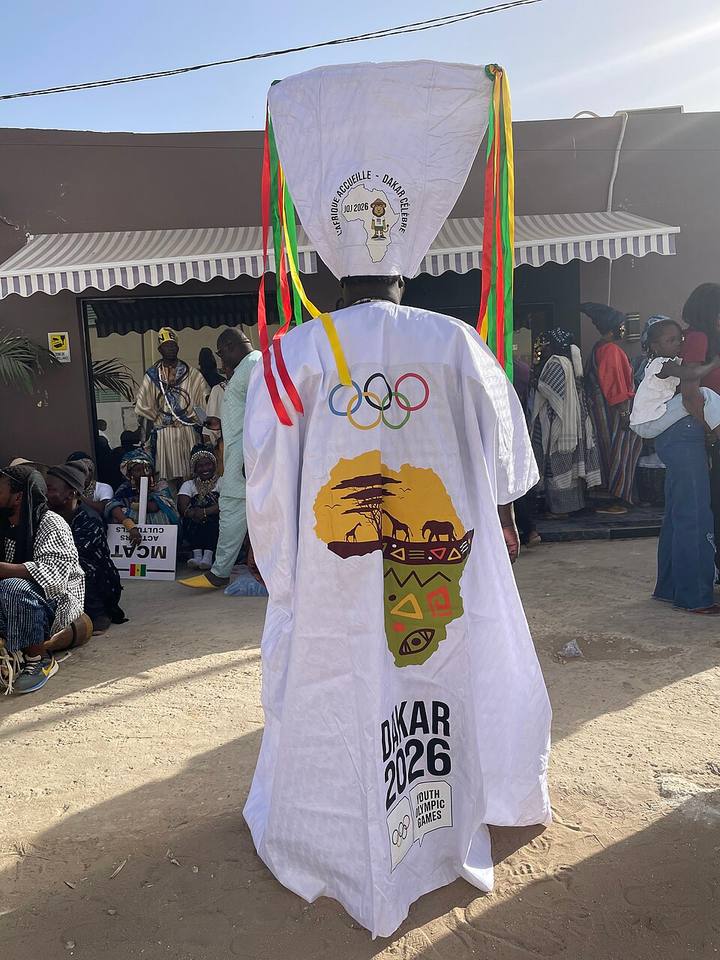
Dakar 2026 Is Africa's Olympic Moment
Senegal2 MINREAD →
SPORTSFROM THE WEB★ EDITOR'S PICK
Senegal set to make Olympic history with Dakar 2026 Youth Games
Dakar 2026 breaks a hosting monopoly that has excluded Africa from Olympic stewardship for over a century — the question is what institutional and economic legacy Senegal can extract from the moment.
Senegal1 MIN · Africanews · 25 JULREAD →
See all stories

The actual version — written by the people who live there.

10VERTICALS
6TYPES
5CITIES
1STANDARD
AboutMissionManifestoLegalOriginalsSubscribeArchiveShowsContributorsJobs
© 2026 STRATA-AF™ · STRATA PUBLISHING CO LTD · LAGOS · NAIROBI · JOBURG · ACCRA
 
 
--:--LAGOS
CultureMusicFilmTechSportsPoliticsHealthFinanceReligionFashion
politics
Senate Passes President Tinubu's State Police Bill

Nigeria's Senate has advanced Tinubu's State Police Bill for further constitutional processing — potentially the biggest overhaul of the country's internal security architecture since 1999.

In what could become the most far-reaching restructuring of Nigeria's internal security architecture since the return to democratic rule in 1999, the Senate on Wednesday passed for further constitutional processing President Bola Tinubu's State Police Bill, 2026.

AllAfrica · AllAfrica
Abuja, Nigeria3 MIN · 25 JUNE 2026
From the web · AllAfrica
Senate Passes President Tinubu's State Police Bill
STRATA-AF™ ANGLEEDITORIAL SYNTHESIS BY STRATA-AF™

The State Police Bill's Senate passage is the beginning of Nigeria's most consequential internal security restructuring since 1999, but its transformative potential depends entirely on whether state governors treat the new mandate as genuine law enforcement devolution or as a mechanism for consolidating control over security apparatus. The parallel passage of the Police Trust Fund increase signals at least some recognition that decentralisation without resourcing is simply a transfer of responsibility without capacity.

The Senate's passage of the State Police Bill, framing it as the most far-reaching restructuring of Nigeria's internal security architecture since 1999, requires a moment of context: the 1999 constitutional settlement that created the highly centralised federal police structure was itself a product of a specific political moment, the transition from military rule, where a single national police force was seen as a safeguard against regional paramilitary consolidation. Dismantling that architecture now reflects a consensus building across geopolitical zones and party lines. That the NPF's centralised model has failed to deliver security at the operational level where Nigerians actually experience it.

The "battle moves to states" framing is apt. Federal passage is the beginning, not the end. State governors who have been publicly supportive of the bill will now face the internal politics of actually building, staffing, and funding state police services, and in some cases, building the accountability mechanisms that prevent those services from becoming governorship security appendages rather than public law enforcement institutions. The history of state-level security structures in Nigeria includes examples of both responsible deployment and gross abuse; nothing in the bill's passage guarantees which model prevails in any given state.

The political economy of the reform also intersects with federalism's core tension in Nigeria: revenue distribution. State police forces require state budgets, and the majority of Nigerian states are deeply dependent on federal allocations for their fiscal survival. The parallel bill doubling the Nigeria Police Trust Fund allocation to 1 percent of federation revenue is implicitly connected. It represents a transitional backstop while the state police framework is being built, signalling that the federal centre is not simply offloading responsibility without accompanying resources.

What the passage signals above all is that Nigeria's political class, across its contradictions, has reached a working consensus that the security status quo is unsustainable. State police is not a perfect solution; it is an acknowledgment that the search for a workable one has to start somewhere structural rather than at the margins.

READ THE SOURCE REPORT FROM ALLAFRICA

Enjoying Strata-AF™?

Sign in or sign up for a personalised feed and unlock Strata-AF™ Originals.

SIGN IN / SIGN UP
READ NEXT
--:--LAGOS
/shows/data/docs
politics
Senate Passes President Tinubu's State Police Bill
IMAGE · Wikimedia Commons
Senate Passes President Tinubu's State Police Bill

Nigeria's Senate has advanced Tinubu's State Police Bill for further constitutional processing — potentially the biggest overhaul of the country's internal security architecture since 1999.

In what could become the most far-reaching restructuring of Nigeria's internal security architecture since the return to democratic rule in 1999, the Senate on Wednesday passed for further constitutional processing President Bola Tinubu's State Police Bill, 2026.

AllAfrica · AllAfrica
Abuja, Nigeria3 MIN READ · 25 JUNE 2026
From the web · AllAfrica
STRATA-AF™ ANGLEEDITORIAL SYNTHESIS BY STRATA-AF™

The State Police Bill's Senate passage is the beginning of Nigeria's most consequential internal security restructuring since 1999, but its transformative potential depends entirely on whether state governors treat the new mandate as genuine law enforcement devolution or as a mechanism for consolidating control over security apparatus. The parallel passage of the Police Trust Fund increase signals at least some recognition that decentralisation without resourcing is simply a transfer of responsibility without capacity.

The Senate's passage of the State Police Bill, framing it as the most far-reaching restructuring of Nigeria's internal security architecture since 1999, requires a moment of context: the 1999 constitutional settlement that created the highly centralised federal police structure was itself a product of a specific political moment, the transition from military rule, where a single national police force was seen as a safeguard against regional paramilitary consolidation. Dismantling that architecture now reflects a consensus building across geopolitical zones and party lines. That the NPF's centralised model has failed to deliver security at the operational level where Nigerians actually experience it.

The "battle moves to states" framing is apt. Federal passage is the beginning, not the end. State governors who have been publicly supportive of the bill will now face the internal politics of actually building, staffing, and funding state police services, and in some cases, building the accountability mechanisms that prevent those services from becoming governorship security appendages rather than public law enforcement institutions. The history of state-level security structures in Nigeria includes examples of both responsible deployment and gross abuse; nothing in the bill's passage guarantees which model prevails in any given state.

The political economy of the reform also intersects with federalism's core tension in Nigeria: revenue distribution. State police forces require state budgets, and the majority of Nigerian states are deeply dependent on federal allocations for their fiscal survival. The parallel bill doubling the Nigeria Police Trust Fund allocation to 1 percent of federation revenue is implicitly connected. It represents a transitional backstop while the state police framework is being built, signalling that the federal centre is not simply offloading responsibility without accompanying resources.

What the passage signals above all is that Nigeria's political class, across its contradictions, has reached a working consensus that the security status quo is unsustainable. State police is not a perfect solution; it is an acknowledgment that the search for a workable one has to start somewhere structural rather than at the margins.

READ THE SOURCE REPORT FROM ALLAFRICA

Enjoying Strata-AF™?

Sign in or sign up for a personalised feed and unlock Strata-AF™ Originals.

SIGN IN / SIGN UP
VERTICAL
politics
ORIGIN
Abuja, Nigeria
PUBLISHED
25 JUNE 2026
READ NEXT1 PIECE SELECTED BY OUR EDITORS
CULTURE · MUSIC · FILM · TECH · SPORT · POLITICS · HEALTH · FINANCE · RELIGION · FASHION · LAGOS · NAIROBI · JOBURG · ACCRA · DATA JOURNALISM · ORIGINAL REPORTING · THE ACTUAL VERSION ·CULTURE · MUSIC · FILM · TECH · SPORT · POLITICS · HEALTH · FINANCE · RELIGION · FASHION · LAGOS · NAIROBI · JOBURG · ACCRA · DATA JOURNALISM · ORIGINAL REPORTING · THE ACTUAL VERSION ·
Premium editorial for a continent that's done waiting to be covered.

Not the export-market version. Not the diaspora version. The actual version — written by the people who live there.

Verticals
CultureMusicFilmTechSportsPolitics
HUBS
Strata-AF OriginalsDataDocsNewsletterArchiveShows
Company
AboutMissionManifestoLegal
REACH
10VERTICALS
6CONTENT TYPES
5CITIES
1STANDARD
© 2026 STRATA-AF™ · STRATA PUBLISHING CO LTD · LAGOS · JOBURG · NAIROBI · ACCRAPRIVACYTERMSCORRECTIONSMASTHEAD