--:--LAGOS
CultureMusicFilmTechSportsPoliticsHealthFinanceReligionFashion
politics
Nigeria Backs U.S. Sanctions On Alleged ISWAP Financiers

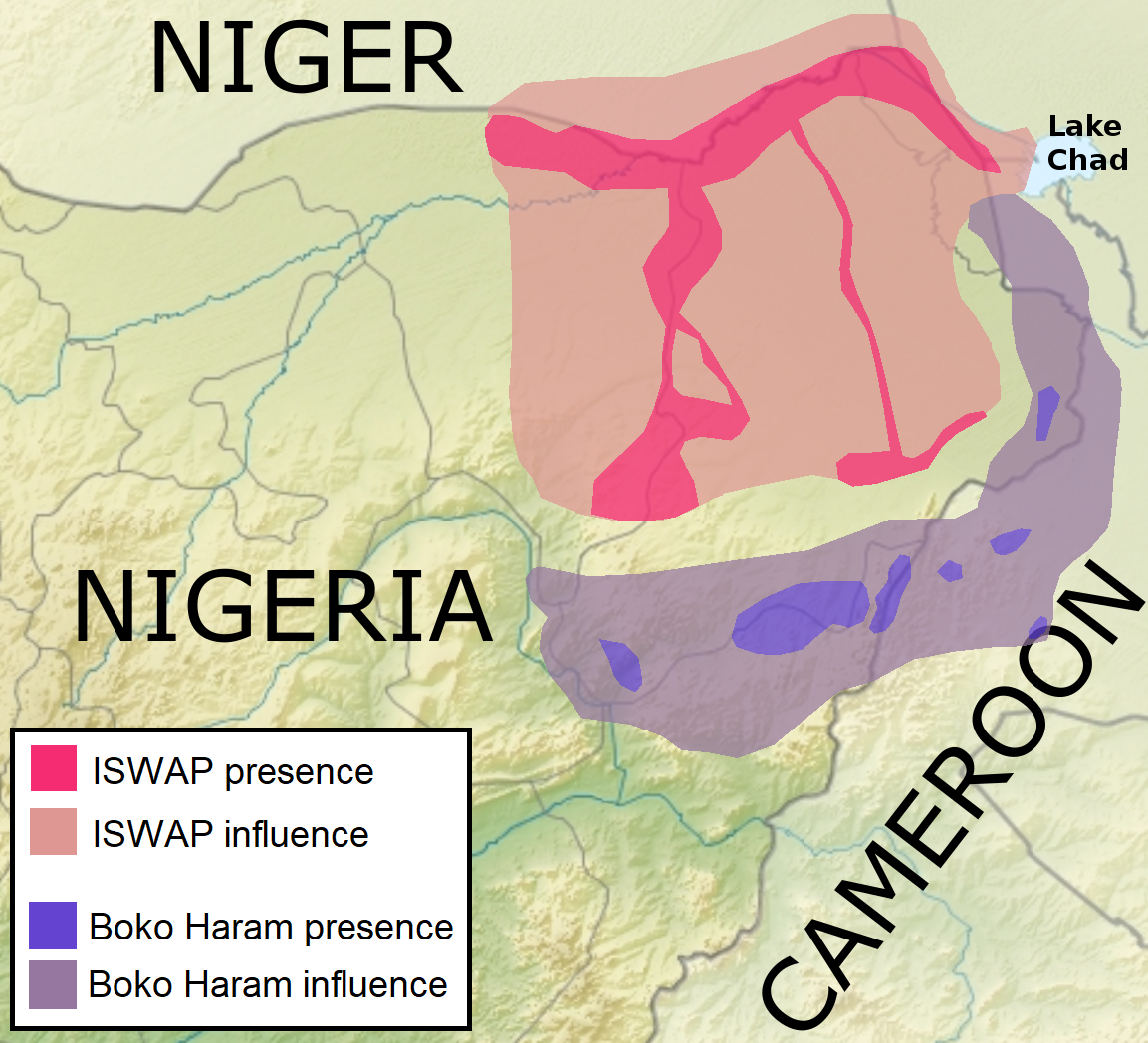
The federal government has welcomed the decision of the United States to sanction Mukthar Muhammad Adamu and two Bureau De Change (BDC) companies over their alleged links to terrorism financing, describing the move as a significant step in the global fight against terrorism.
Nigeria3 MIN · 25 JUNE 2026
From the web · AllAfrica
Nigeria Backs U.S. Sanctions On Alleged ISWAP Financiers
IMAGE · Openverse
STRATA-AF™ ANGLEEDITORIAL SYNTHESIS BY STRATA-AF™

Nigeria's public endorsement of US sanctions on alleged ISWAP financiers represents a calibrated posture shift, aligning with American counter-terrorism enforcement in the BDC sector while the underlying regulatory problem, the opacity of informal currency transfer networks, remains structurally unsolved. ISWAP's financing ecosystem has consistently adapted when formal channels are closed, routing through hawala, cross-border commodities, and cryptocurrency; the designation is an accurate targeting, but not a structural fix.

Nigeria's formal endorsement of the United States Treasury's sanctions on Mukthar Muhammad Adamu and two Bureau de Change companies over alleged ISWAP terrorism financing links is a relatively rare instance of public alignment between the Nigerian federal government and American counter-terrorism enforcement architecture. Nigerian administrations have historically been cautious about appearing to endorse external actors operating inside the domestic financial sector, a caution that has softened considerably under the pressure of ISWAP's expanding operational footprint in the northeast, where the armed group has demonstrated an ability to sustain complex operations despite Boko Haram's fragmentation.

The Bureau de Change sector is the structural vulnerability that the sanctions are targeting. Nigeria's BDC ecosystem, hundreds of licensed operators plus a large informal parallel market, functions as a significant conduit for cross-border currency movement, remittance flows, and in some cases money laundering. The regulatory architecture around BDCs has been tightened repeatedly by the CBN, but enforcement has been uneven, and the sector's opacity makes it attractive for value transfer that needs to avoid formal banking channels.

The deeper question is whether the sanctions designation translates into operational disruption or primarily reputational action. ISWAP's financing ecosystem has proven adaptive: when one conduit is closed, alternative routing through informal hawala networks, cryptocurrency platforms, or cross-border livestock and commodities trading tends to absorb the pressure. Financial sanctions work best when they are part of a coordinated enforcement effort that includes intelligence sharing, regulatory capacity building, and prosecution, whether the Nigeria-US cooperation extends that deep will be visible over time.

The Sahel's deteriorating security environment, with JNIM and ISWAP expanding influence across territory where state authority has retreated, means that counter-terrorism finance is becoming a regional rather than a national problem. Nigeria's endorsement of targeted US sanctions is a necessary but not sufficient response; the systemic architecture for regional financial intelligence cooperation across the Lake Chad basin remains underdeveloped relative to the threat.

READ THE SOURCE REPORT FROM ALLAFRICA

Enjoying Strata-AF™?

Sign in or sign up for a personalised feed and unlock Strata-AF™ Originals.

SIGN IN / SIGN UP
READ NEXT
Senate Passes President Tinubu's State Police Bill
POLITICSAllAfrica
Senate Passes President Tinubu's State Police Bill
Abuja, Nigeria3 MINREAD →
--:--LAGOS
STRATA-AF™
ISSUE 001FEED◎ SEARCHSUBSCRIBE
/shows/data/docs
politics
Nigeria Backs U.S. Sanctions On Alleged ISWAP Financiers
IMAGE · Openverse
Nigeria Backs U.S. Sanctions On Alleged ISWAP Financiers

The federal government has welcomed the decision of the United States to sanction Mukthar Muhammad Adamu and two Bureau De Change (BDC) companies over their alleged links to terrorism financing, describing the move as a significant step in the global fight against terrorism.

Nigeria3 MIN READ · 25 JUNE 2026
From the web · AllAfrica
STRATA-AF™ ANGLEEDITORIAL SYNTHESIS BY STRATA-AF™

Nigeria's public endorsement of US sanctions on alleged ISWAP financiers represents a calibrated posture shift, aligning with American counter-terrorism enforcement in the BDC sector while the underlying regulatory problem, the opacity of informal currency transfer networks, remains structurally unsolved. ISWAP's financing ecosystem has consistently adapted when formal channels are closed, routing through hawala, cross-border commodities, and cryptocurrency; the designation is an accurate targeting, but not a structural fix.

Nigeria's formal endorsement of the United States Treasury's sanctions on Mukthar Muhammad Adamu and two Bureau de Change companies over alleged ISWAP terrorism financing links is a relatively rare instance of public alignment between the Nigerian federal government and American counter-terrorism enforcement architecture. Nigerian administrations have historically been cautious about appearing to endorse external actors operating inside the domestic financial sector, a caution that has softened considerably under the pressure of ISWAP's expanding operational footprint in the northeast, where the armed group has demonstrated an ability to sustain complex operations despite Boko Haram's fragmentation.

The Bureau de Change sector is the structural vulnerability that the sanctions are targeting. Nigeria's BDC ecosystem, hundreds of licensed operators plus a large informal parallel market, functions as a significant conduit for cross-border currency movement, remittance flows, and in some cases money laundering. The regulatory architecture around BDCs has been tightened repeatedly by the CBN, but enforcement has been uneven, and the sector's opacity makes it attractive for value transfer that needs to avoid formal banking channels.

The deeper question is whether the sanctions designation translates into operational disruption or primarily reputational action. ISWAP's financing ecosystem has proven adaptive: when one conduit is closed, alternative routing through informal hawala networks, cryptocurrency platforms, or cross-border livestock and commodities trading tends to absorb the pressure. Financial sanctions work best when they are part of a coordinated enforcement effort that includes intelligence sharing, regulatory capacity building, and prosecution, whether the Nigeria-US cooperation extends that deep will be visible over time.

The Sahel's deteriorating security environment, with JNIM and ISWAP expanding influence across territory where state authority has retreated, means that counter-terrorism finance is becoming a regional rather than a national problem. Nigeria's endorsement of targeted US sanctions is a necessary but not sufficient response; the systemic architecture for regional financial intelligence cooperation across the Lake Chad basin remains underdeveloped relative to the threat.

READ THE SOURCE REPORT FROM ALLAFRICA

Enjoying Strata-AF™?

Sign in or sign up for a personalised feed and unlock Strata-AF™ Originals.

SIGN IN / SIGN UP
VERTICAL
politics
ORIGIN
Nigeria
PUBLISHED
25 JUNE 2026
READ NEXT1 PIECE SELECTED BY OUR EDITORS
POLITICS
Senate Passes President Tinubu's State Police Bill
Nigeria's Senate has advanced Tinubu's State Police Bill for further constitutional processing — potentially the biggest overhaul of the country's internal security architecture since 1999.
Abuja, Nigeria3 MINREAD →
CULTURE · MUSIC · FILM · TECH · SPORT · POLITICS · HEALTH · FINANCE · RELIGION · FASHION · LAGOS · NAIROBI · JOBURG · ACCRA · DATA JOURNALISM · ORIGINAL REPORTING · THE ACTUAL VERSION ·CULTURE · MUSIC · FILM · TECH · SPORT · POLITICS · HEALTH · FINANCE · RELIGION · FASHION · LAGOS · NAIROBI · JOBURG · ACCRA · DATA JOURNALISM · ORIGINAL REPORTING · THE ACTUAL VERSION ·
Premium editorial for a continent that's done waiting to be covered.

Not the export-market version. Not the diaspora version. The actual version — written by the people who live there.

Verticals
CultureMusicFilmTechSportsPolitics
HUBS
Strata-AF OriginalsDataDocsNewsletterArchiveShows
Company
AboutMissionManifestoLegal
REACH
10VERTICALS
6CONTENT TYPES
5CITIES
1STANDARD
© 2026 STRATA-AF™ · STRATA PUBLISHING CO LTD · LAGOS · JOBURG · NAIROBI · ACCRAPRIVACYTERMSCORRECTIONSMASTHEAD
 
 
--:--LAGOS
CultureMusicFilmTechSportsPoliticsHealthFinanceReligionFashion
Highlights
Strata-AF
Editor's Pick
From the web
SPORTSSTRATA-AF™STRATA-AF™ ORIGINAL
WAFCON 2026 Proved African Women's Football Is Ready. The Clubs Aren't.
2 MINREAD →
POLITICSSTRATA-AF™★ EDITOR'S PICK
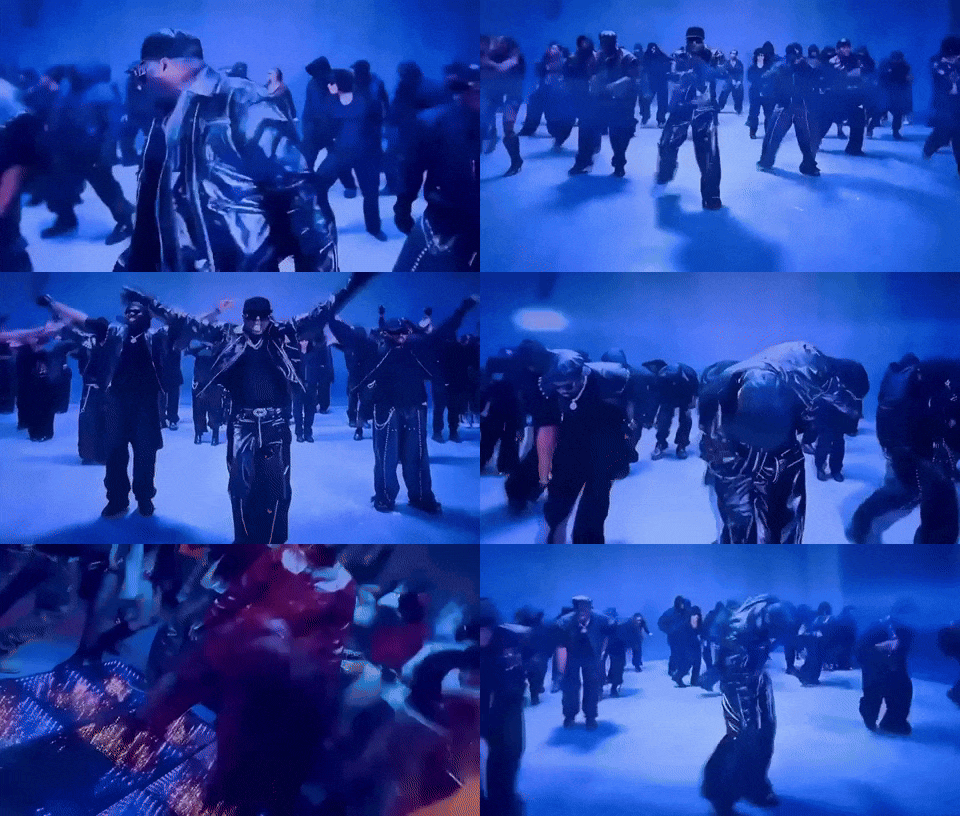
The Lagos Cancellation Is Not About Tyla Really, Or Is It ?
Pan-African2 MINREAD →
MUSICSTRATA-AF™★ EDITOR'S PICK
Blood, Beats & Betrayal: How Family Killed P-Square
Nigeria2 MINREAD →
MUSICBY THE NUMBERSSTRATA-AF™ ORIGINAL
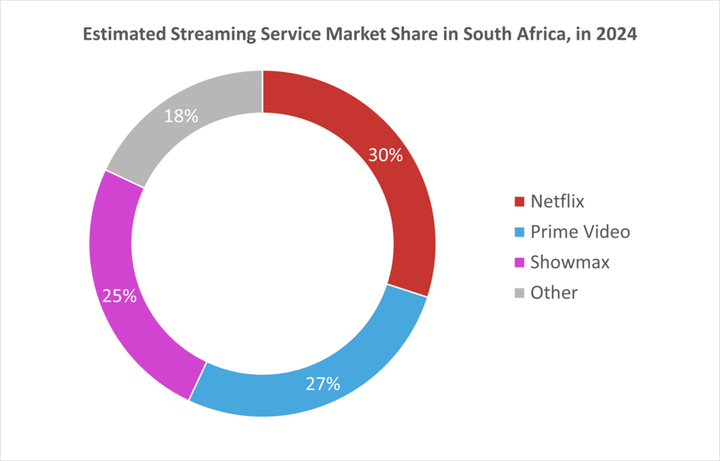
Where African Artists Earn, Lose, and Get Erased on Stream
Pan-African2 MINREAD →
HEALTHSTRATA-AF™★ EDITOR'S PICK
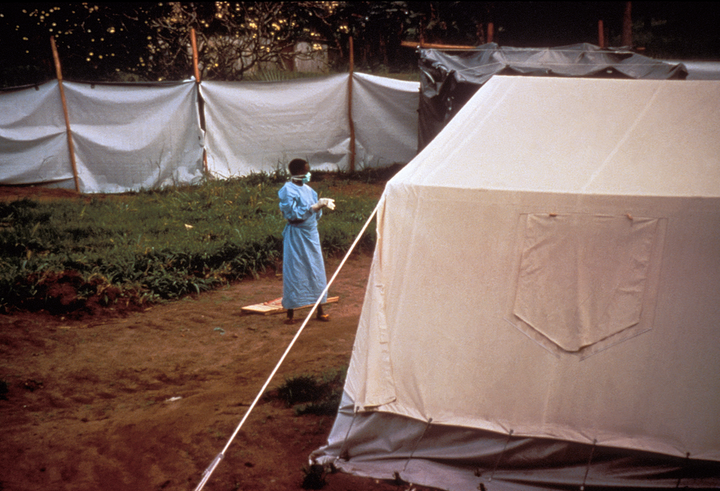
Uganda Held the Line on Ebola. Here's the Playbook Congo Needs Now
DR Congo2 MINREAD →
MUSICSTRATA-AF™STRATA-AF™ ORIGINAL
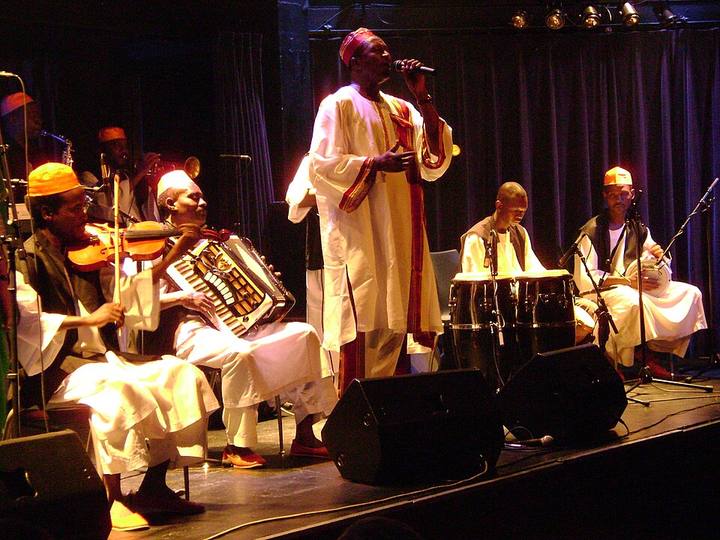
Music Is Starving in Sudan: How the RSF Silenced a Generation of Artists
Sudan2 MINREAD →
CULTURESTRATA-AF™★ EDITOR'S PICK
How BBNaija Rewired Nigerian Television And Everything Around It
Lagos, Pan-African2 MINREAD →
FASHIONSTRATA-AF™★ EDITOR'S PICK
Lagos Fashion Week's Green Push Is Either Africa's Best Bet or Its Greenest Greenwash
Pan-African2 MINREAD →
CULTURESTRATA-AF™★ EDITOR'S PICK
Dakar 2026 Is Africa's Olympic Moment
Senegal2 MINREAD →
SPORTSFROM THE WEB★ EDITOR'S PICK
Senegal set to make Olympic history with Dakar 2026 Youth Games
Dakar 2026 breaks a hosting monopoly that has excluded Africa from Olympic stewardship for over a century — the question is what institutional and economic legacy Senegal can extract from the moment.
Senegal1 MIN · Africanews · 25 JULREAD →
See all stories

The actual version — written by the people who live there.

10VERTICALS
6TYPES
5CITIES
1STANDARD
AboutMissionManifestoLegalOriginalsSubscribeArchiveShowsContributorsJobs
© 2026 STRATA-AF™ · STRATA PUBLISHING CO LTD · LAGOS · NAIROBI · JOBURG · ACCRA
 
 
--:--LAGOS
CultureMusicFilmTechSportsPoliticsHealthFinanceReligionFashion
politics
Nigeria Backs U.S. Sanctions On Alleged ISWAP Financiers

The federal government has welcomed the decision of the United States to sanction Mukthar Muhammad Adamu and two Bureau De Change (BDC) companies over their alleged links to terrorism financing, describing the move as a significant step in the global fight against terrorism.

Nigeria3 MIN · 25 JUNE 2026
From the web · AllAfrica
Nigeria Backs U.S. Sanctions On Alleged ISWAP Financiers
IMAGE · Openverse
STRATA-AF™ ANGLEEDITORIAL SYNTHESIS BY STRATA-AF™

Nigeria's public endorsement of US sanctions on alleged ISWAP financiers represents a calibrated posture shift, aligning with American counter-terrorism enforcement in the BDC sector while the underlying regulatory problem, the opacity of informal currency transfer networks, remains structurally unsolved. ISWAP's financing ecosystem has consistently adapted when formal channels are closed, routing through hawala, cross-border commodities, and cryptocurrency; the designation is an accurate targeting, but not a structural fix.

Nigeria's formal endorsement of the United States Treasury's sanctions on Mukthar Muhammad Adamu and two Bureau de Change companies over alleged ISWAP terrorism financing links is a relatively rare instance of public alignment between the Nigerian federal government and American counter-terrorism enforcement architecture. Nigerian administrations have historically been cautious about appearing to endorse external actors operating inside the domestic financial sector, a caution that has softened considerably under the pressure of ISWAP's expanding operational footprint in the northeast, where the armed group has demonstrated an ability to sustain complex operations despite Boko Haram's fragmentation.

The Bureau de Change sector is the structural vulnerability that the sanctions are targeting. Nigeria's BDC ecosystem, hundreds of licensed operators plus a large informal parallel market, functions as a significant conduit for cross-border currency movement, remittance flows, and in some cases money laundering. The regulatory architecture around BDCs has been tightened repeatedly by the CBN, but enforcement has been uneven, and the sector's opacity makes it attractive for value transfer that needs to avoid formal banking channels.

The deeper question is whether the sanctions designation translates into operational disruption or primarily reputational action. ISWAP's financing ecosystem has proven adaptive: when one conduit is closed, alternative routing through informal hawala networks, cryptocurrency platforms, or cross-border livestock and commodities trading tends to absorb the pressure. Financial sanctions work best when they are part of a coordinated enforcement effort that includes intelligence sharing, regulatory capacity building, and prosecution, whether the Nigeria-US cooperation extends that deep will be visible over time.

The Sahel's deteriorating security environment, with JNIM and ISWAP expanding influence across territory where state authority has retreated, means that counter-terrorism finance is becoming a regional rather than a national problem. Nigeria's endorsement of targeted US sanctions is a necessary but not sufficient response; the systemic architecture for regional financial intelligence cooperation across the Lake Chad basin remains underdeveloped relative to the threat.

READ THE SOURCE REPORT FROM ALLAFRICA

Enjoying Strata-AF™?

Sign in or sign up for a personalised feed and unlock Strata-AF™ Originals.
SIGN IN / SIGN UP
READ NEXT
--:--LAGOS
/shows/data/docs
politics
Nigeria Backs U.S. Sanctions On Alleged ISWAP Financiers
IMAGE · Openverse
Nigeria Backs U.S. Sanctions On Alleged ISWAP Financiers

The federal government has welcomed the decision of the United States to sanction Mukthar Muhammad Adamu and two Bureau De Change (BDC) companies over their alleged links to terrorism financing, describing the move as a significant step in the global fight against terrorism.

Nigeria3 MIN READ · 25 JUNE 2026
From the web · AllAfrica
STRATA-AF™ ANGLEEDITORIAL SYNTHESIS BY STRATA-AF™

Nigeria's public endorsement of US sanctions on alleged ISWAP financiers represents a calibrated posture shift, aligning with American counter-terrorism enforcement in the BDC sector while the underlying regulatory problem, the opacity of informal currency transfer networks, remains structurally unsolved. ISWAP's financing ecosystem has consistently adapted when formal channels are closed, routing through hawala, cross-border commodities, and cryptocurrency; the designation is an accurate targeting, but not a structural fix.

Nigeria's formal endorsement of the United States Treasury's sanctions on Mukthar Muhammad Adamu and two Bureau de Change companies over alleged ISWAP terrorism financing links is a relatively rare instance of public alignment between the Nigerian federal government and American counter-terrorism enforcement architecture. Nigerian administrations have historically been cautious about appearing to endorse external actors operating inside the domestic financial sector, a caution that has softened considerably under the pressure of ISWAP's expanding operational footprint in the northeast, where the armed group has demonstrated an ability to sustain complex operations despite Boko Haram's fragmentation.

The Bureau de Change sector is the structural vulnerability that the sanctions are targeting. Nigeria's BDC ecosystem, hundreds of licensed operators plus a large informal parallel market, functions as a significant conduit for cross-border currency movement, remittance flows, and in some cases money laundering. The regulatory architecture around BDCs has been tightened repeatedly by the CBN, but enforcement has been uneven, and the sector's opacity makes it attractive for value transfer that needs to avoid formal banking channels.

The deeper question is whether the sanctions designation translates into operational disruption or primarily reputational action. ISWAP's financing ecosystem has proven adaptive: when one conduit is closed, alternative routing through informal hawala networks, cryptocurrency platforms, or cross-border livestock and commodities trading tends to absorb the pressure. Financial sanctions work best when they are part of a coordinated enforcement effort that includes intelligence sharing, regulatory capacity building, and prosecution, whether the Nigeria-US cooperation extends that deep will be visible over time.

The Sahel's deteriorating security environment, with JNIM and ISWAP expanding influence across territory where state authority has retreated, means that counter-terrorism finance is becoming a regional rather than a national problem. Nigeria's endorsement of targeted US sanctions is a necessary but not sufficient response; the systemic architecture for regional financial intelligence cooperation across the Lake Chad basin remains underdeveloped relative to the threat.

READ THE SOURCE REPORT FROM ALLAFRICA

Enjoying Strata-AF™?

Sign in or sign up for a personalised feed and unlock Strata-AF™ Originals.
SIGN IN / SIGN UP
VERTICAL
politics
ORIGIN
Nigeria
PUBLISHED
25 JUNE 2026
READ NEXT1 PIECE SELECTED BY OUR EDITORS
CULTURE · MUSIC · FILM · TECH · SPORT · POLITICS · HEALTH · FINANCE · RELIGION · FASHION · LAGOS · NAIROBI · JOBURG · ACCRA · DATA JOURNALISM · ORIGINAL REPORTING · THE ACTUAL VERSION ·CULTURE · MUSIC · FILM · TECH · SPORT · POLITICS · HEALTH · FINANCE · RELIGION · FASHION · LAGOS · NAIROBI · JOBURG · ACCRA · DATA JOURNALISM · ORIGINAL REPORTING · THE ACTUAL VERSION ·
Premium editorial for a continent that's done waiting to be covered.

Not the export-market version. Not the diaspora version. The actual version — written by the people who live there.

Verticals
CultureMusicFilmTechSportsPolitics
HUBS
Strata-AF OriginalsDataDocsNewsletterArchiveShows
Company
AboutMissionManifestoLegal
REACH
10VERTICALS
6CONTENT TYPES
5CITIES
1STANDARD
© 2026 STRATA-AF™ · STRATA PUBLISHING CO LTD · LAGOS · JOBURG · NAIROBI · ACCRAPRIVACYTERMSCORRECTIONSMASTHEAD