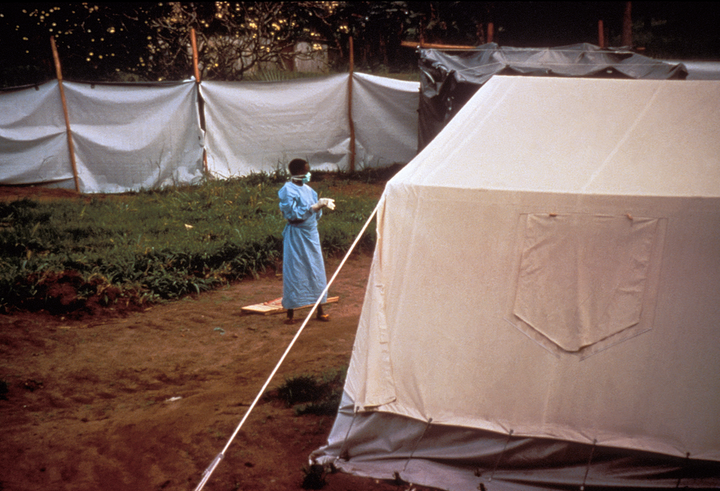
Ramaphosa's Kinshasa trip is continental solidarity theatre with real diplomatic weight — AU-level visibility for an outbreak response that's struggled to attract the funding urgency of past epidemics.
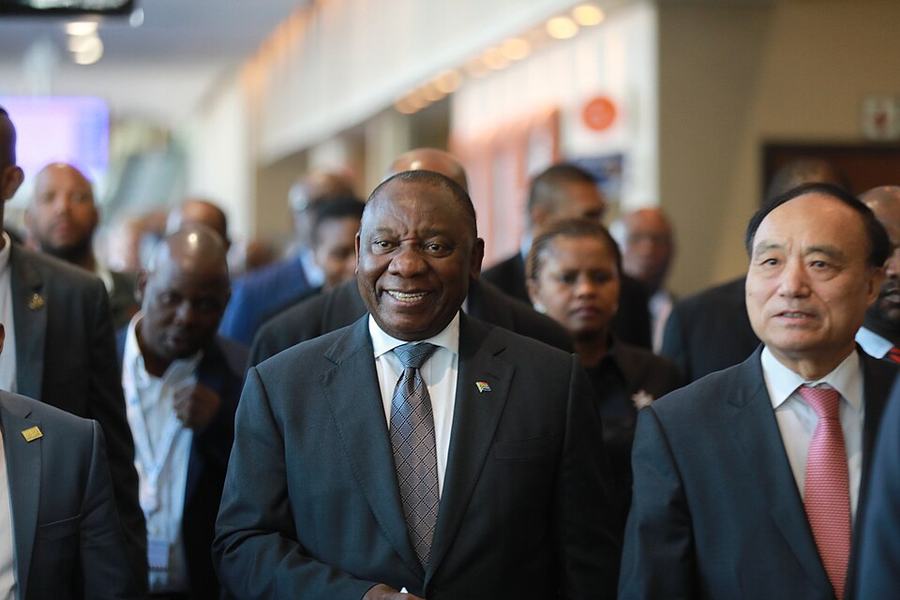
South African President Cyril Ramaphosa arrived in Kinshasa on Thursday for a high-level African Union solidarity mission aimed at reinforcing continental support for the Democratic Republic of the Congo's response to its latest Ebola outbreak.
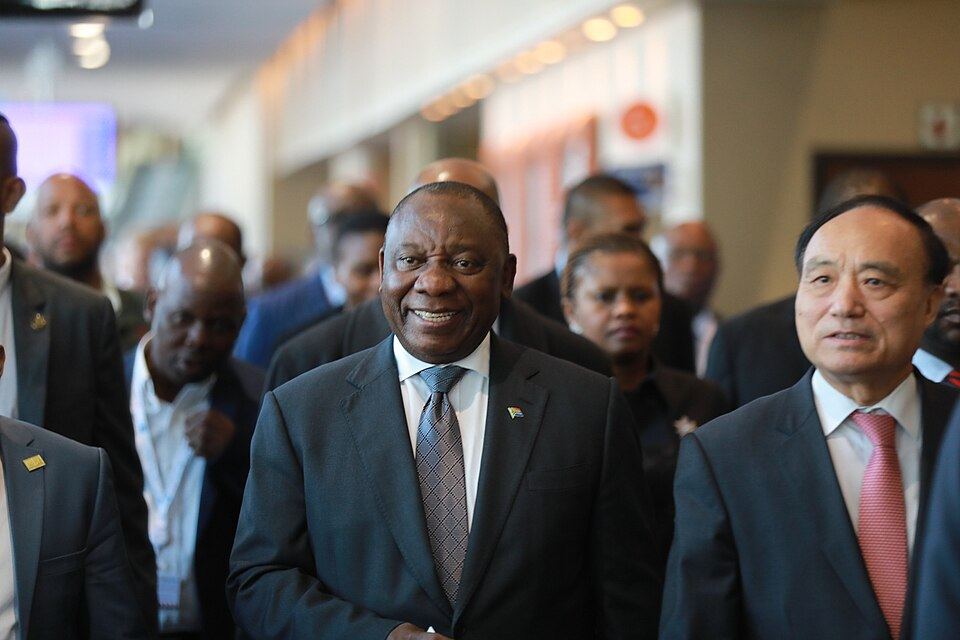
Ramaphosa's Kinshasa trip converts DRC's Ebola outbreak into a continental responsibility rather than a bilateral story, using South Africa's diplomatic standing to signal that outbreak response is now treated as AU-level security business. Whether that solidarity outlasts the acute phase of the outbreak, as it hasn't always in the past, is the real test.
Cyril Ramaphosa's Kinshasa trip is a calculated use of South Africa's diplomatic weight, a solidarity mission structured through the African Union rather than a bilateral gesture, which matters because it frames DRC's Ebola response as a continental responsibility rather than a Congolese problem that others are merely observing. That framing has real precedent value: African-led outbreak response has historically had to fight for the same visibility and resourcing that flows more readily to crises with direct ties to major global powers.
The timing also says something about how African heads of state are increasingly willing to spend political capital on health security specifically, not just economic or security cooperation. Ramaphosa's personal presence, rather than a ministerial delegation, signals that Pretoria sees outbreak containment in Central Africa as a strategic continental interest, porous borders and regional trade networks mean an uncontained outbreak in DRC is everyone's exposure, not just Kinshasa's.
What remains untested is whether AU solidarity missions like this one translate into sustained resource commitments once the news cycle moves on, or whether they function mainly as symbolic gestures that peak at the moment of a leader's visit and fade afterward. DRC's outbreak history suggests the latter risk is real; the country has weathered repeated Ebola crises with international attention that rarely outlasts the acute phase.
READ THE SOURCE REPORT FROM AFRICANEWS →Enjoying Strata-AF™?
Sign in or sign up for a personalised feed and unlock Strata-AF™ Originals.