Improvement declared and pockets of armed resistance conceded, mid-epidemic.
Military governance during health crises reveals the complex security-development nexus facing Central African states. Governor Luboya's acknowledgment of persistent armed resistance highlights how emergency powers often fail to address underlying grievances that fuel instability.
The disconnect between military optimism and ground realities in Ituri province reflects a broader challenge facing the Democratic Republic of Congo and, by extension, the entire Great Lakes region of Africa. Governor Johnny Luboya's assertions of security improvements, made against the backdrop of both armed group activism and a health crisis, underscore the complex web of instability that continues to plague eastern Congo. This duality, claiming progress while acknowledging persistent resistance, has become an all-too-familiar refrain from Congolese authorities, one that resonates with similar narratives across conflict-affected regions throughout the continent.
The militarization of governance in Ituri, embodied by Luboya's military governorship, represents a troubling trend that extends beyond Congo's borders. Across Africa, from the Sahel to the Horn of Africa, military solutions are increasingly presented as panaceas for multifaceted crises that demand comprehensive civilian-led approaches. The appointment of military governors, while potentially offering short-term tactical advantages, often perpetuates cycles of violence and undermines the democratic institutions that African societies desperately need to build sustainable peace and development.
What makes Ituri's situation particularly concerning from a Pan-African perspective is how local conflicts have repeatedly spilled across borders, affecting neighboring Uganda and contributing to regional instability. The province's strategic location and abundant natural resources have made it a focal point for both domestic and international actors, creating a dynamic that mirrors resource-driven conflicts from the Central African Republic to South Sudan. The persistence of armed groups in Ituri, despite numerous military interventions and peace initiatives, demonstrates the limitations of security-first approaches that fail to address underlying grievances related to land, identity, and economic marginalization.
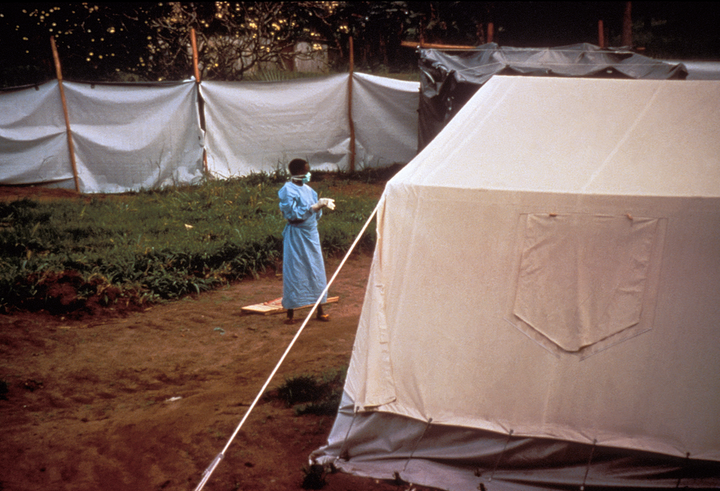
The health crisis mentioned in conjunction with security concerns highlights another dimension of Africa's interconnected challenges. When armed conflict undermines healthcare infrastructure and humanitarian access, the effects ripple across communities and borders. Disease outbreaks in conflict zones like Ituri can quickly become regional health emergencies, as demonstrated repeatedly during Ebola outbreaks in the eastern Congo. This convergence of security and health crises demands integrated responses that African institutions, particularly the African Union and regional economic communities, are still learning to coordinate effectively.
The pattern of military governors claiming security improvements while acknowledging ongoing resistance reflects a fundamental misunderstanding of conflict dynamics that persists across the continent. True security cannot be measured merely by the absence of large-scale violence or the temporary displacement of armed groups. Sustainable peace requires addressing root causes, historical grievances, economic inequality, weak governance structures, and the proliferation of small arms. That continue to fuel instability across Africa's conflict zones.
For the broader African project of integration and development, situations like Ituri serve as stark reminders of how localized conflicts can undermine continental aspirations. The African Continental Free Trade Area's success depends partly on peaceful, stable corridors for trade and investment. Similarly, initiatives like Agenda 2063 cannot be fully realized while significant portions of the continent remain trapped in cycles of violence and military governance. The international community's focus on military solutions in places like Ituri, often at the expense of supporting genuine democratic institutions and economic development, perpetuates dependency relationships that African leaders must increasingly challenge and redirect toward more sustainable, locally-owned approaches to peace and security.
READ THE SOURCE REPORT FROM ACTUALITE →Enjoying Strata-AF™?
Sign in or sign up for a personalised feed and unlock Strata-AF™ Originals.