--:--LAGOS
CultureMusicFilmTechSportsPoliticsHealthFinanceReligionFashion
finance
Is xenophobia in South Africa risking investment?

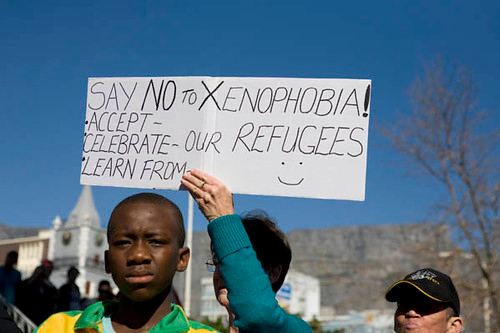
Vigilante groups and right-wing populist forces are stoking anti-immigrant sentiment and demanding that they leave the country by June 30. Experts fear serious economic implications for the country and the region.
South Africa2 MIN · 30 JUNE 2026
From the web · DW
Is xenophobia in South Africa risking investment?
IMAGE · Openverse
STRATA-AF™ ANGLEEDITORIAL SYNTHESIS BY STRATA-AF™

Xenophobic unrest and investor risk perception feed each other in South Africa: instability reads as a proxy risk signal regardless of GDP fundamentals, while the same economic precarity that fuels the unrest also scares off the capital that might relieve it. Breaking that loop requires treating social cohesion as economic policy, not a separate track from it.

Whether xenophobic violence is actively repelling investment into South Africa is a harder empirical question than the framing suggests, but the framing itself matters: investors increasingly read social instability as a proxy risk indicator independent of formal macroeconomic data, and recurring anti-migrant unrest feeds directly into that risk calculus regardless of its actual GDP impact. South Africa's investment case has already been complicated by load-shedding, municipal service failures, and policy uncertainty around land and mining; visible social unrest compounds a narrative that was already fragile.

The deeper tension is that xenophobic mobilization in South Africa is frequently driven by genuine economic grievance, unemployment, competition for informal-sector livelihoods, strained municipal services, which means the same conditions producing the unrest are themselves investment deterrents, creating a feedback loop that's difficult to break from either the security or economic policy side alone.

The unresolved question for foreign investors and South African policymakers alike is whether addressing the underlying economic precarity that fuels xenophobic sentiment is treated as a parallel track to investment promotion, or whether it continues to be siloed as a separate social policy problem disconnected from the capital South Africa is trying to attract.

READ THE SOURCE REPORT FROM DW

Enjoying Strata-AF™?

Sign in or sign up for a personalised feed and unlock Strata-AF™ Originals.

SIGN IN / SIGN UP
READ NEXT
Africa's Quiet Fight to Own Its Own Numbers
FINANCESTRATA-AF™ ORIGINAL
Africa's Quiet Fight to Own Its Own Numbers
Pan-African5 MINREAD →
Africa's Capital Markets Are Finally Growing Up
FINANCESTRATA-AF™ ORIGINAL
Africa's Capital Markets Are Finally Growing Up
6 MINREAD →
--:--LAGOS
STRATA-AF™
ISSUE 001FEED◎ SEARCHSUBSCRIBE
/shows/data/docs
finance
Is xenophobia in South Africa risking investment?
IMAGE · Openverse
Is xenophobia in South Africa risking investment?

Vigilante groups and right-wing populist forces are stoking anti-immigrant sentiment and demanding that they leave the country by June 30. Experts fear serious economic implications for the country and the region.

South Africa2 MIN READ · 30 JUNE 2026
From the web · DW
STRATA-AF™ ANGLEEDITORIAL SYNTHESIS BY STRATA-AF™

Xenophobic unrest and investor risk perception feed each other in South Africa: instability reads as a proxy risk signal regardless of GDP fundamentals, while the same economic precarity that fuels the unrest also scares off the capital that might relieve it. Breaking that loop requires treating social cohesion as economic policy, not a separate track from it.

Whether xenophobic violence is actively repelling investment into South Africa is a harder empirical question than the framing suggests, but the framing itself matters: investors increasingly read social instability as a proxy risk indicator independent of formal macroeconomic data, and recurring anti-migrant unrest feeds directly into that risk calculus regardless of its actual GDP impact. South Africa's investment case has already been complicated by load-shedding, municipal service failures, and policy uncertainty around land and mining; visible social unrest compounds a narrative that was already fragile.

The deeper tension is that xenophobic mobilization in South Africa is frequently driven by genuine economic grievance, unemployment, competition for informal-sector livelihoods, strained municipal services, which means the same conditions producing the unrest are themselves investment deterrents, creating a feedback loop that's difficult to break from either the security or economic policy side alone.

The unresolved question for foreign investors and South African policymakers alike is whether addressing the underlying economic precarity that fuels xenophobic sentiment is treated as a parallel track to investment promotion, or whether it continues to be siloed as a separate social policy problem disconnected from the capital South Africa is trying to attract.

READ THE SOURCE REPORT FROM DW

Enjoying Strata-AF™?

Sign in or sign up for a personalised feed and unlock Strata-AF™ Originals.

SIGN IN / SIGN UP
VERTICAL
finance
ORIGIN
South Africa
PUBLISHED
30 JUNE 2026
READ NEXT2 PIECES SELECTED BY OUR EDITORS
FINANCE
Africa's Quiet Fight to Own Its Own Numbers
From gold exports to streaming royalties, the continent's real economic story this week isn't growth; it's who gets to measure it.
Pan-African5 MINREAD →
FINANCE
Africa's Capital Markets Are Finally Growing Up
While speculative bubbles persist, institutional validation and infrastructure investment signal the continent's financial systems are maturing beyond their Wild West origins.
6 MINREAD →
CULTURE · MUSIC · FILM · TECH · SPORT · POLITICS · HEALTH · FINANCE · RELIGION · FASHION · LAGOS · NAIROBI · JOBURG · ACCRA · DATA JOURNALISM · ORIGINAL REPORTING · THE ACTUAL VERSION ·CULTURE · MUSIC · FILM · TECH · SPORT · POLITICS · HEALTH · FINANCE · RELIGION · FASHION · LAGOS · NAIROBI · JOBURG · ACCRA · DATA JOURNALISM · ORIGINAL REPORTING · THE ACTUAL VERSION ·
Premium editorial for a continent that's done waiting to be covered.

Not the export-market version. Not the diaspora version. The actual version — written by the people who live there.

Verticals
CultureMusicFilmTechSportsPolitics
HUBS
Strata-AF OriginalsDataDocsNewsletterArchiveShows
Company
AboutMissionManifestoLegal
REACH
10VERTICALS
6CONTENT TYPES
5CITIES
1STANDARD
© 2026 STRATA-AF™ · STRATA PUBLISHING CO LTD · LAGOS · JOBURG · NAIROBI · ACCRAPRIVACYTERMSCORRECTIONSMASTHEAD
 
 
--:--LAGOS
CultureMusicFilmTechSportsPoliticsHealthFinanceReligionFashion
Highlights
Strata-AF
Editor's Pick
From the web
SPORTSSTRATA-AF™STRATA-AF™ ORIGINAL
WAFCON 2026 Proved African Women's Football Is Ready. The Clubs Aren't.
2 MINREAD →
POLITICSSTRATA-AF™★ EDITOR'S PICK
The Lagos Cancellation Is Not About Tyla Really, Or Is It ?
Pan-African2 MINREAD →
MUSICSTRATA-AF™★ EDITOR'S PICK
Blood, Beats & Betrayal: How Family Killed P-Square
Nigeria2 MINREAD →
MUSICBY THE NUMBERSSTRATA-AF™ ORIGINAL
Where African Artists Earn, Lose, and Get Erased on Stream
Pan-African2 MINREAD →
HEALTHSTRATA-AF™★ EDITOR'S PICK
Uganda Held the Line on Ebola. Here's the Playbook Congo Needs Now
DR Congo2 MINREAD →
MUSICSTRATA-AF™STRATA-AF™ ORIGINAL
Music Is Starving in Sudan: How the RSF Silenced a Generation of Artists
Sudan2 MINREAD →
CULTURESTRATA-AF™★ EDITOR'S PICK
How BBNaija Rewired Nigerian Television And Everything Around It
Lagos, Pan-African2 MINREAD →
FASHIONSTRATA-AF™★ EDITOR'S PICK
Lagos Fashion Week's Green Push Is Either Africa's Best Bet or Its Greenest Greenwash
Pan-African2 MINREAD →
CULTURESTRATA-AF™★ EDITOR'S PICK
Dakar 2026 Is Africa's Olympic Moment
Senegal2 MINREAD →
SPORTSFROM THE WEB★ EDITOR'S PICK
Senegal set to make Olympic history with Dakar 2026 Youth Games
Dakar 2026 breaks a hosting monopoly that has excluded Africa from Olympic stewardship for over a century — the question is what institutional and economic legacy Senegal can extract from the moment.
Senegal1 MIN · Africanews · 25 JULREAD →
See all stories

The actual version — written by the people who live there.

10VERTICALS
6TYPES
5CITIES
1STANDARD
AboutMissionManifestoLegalOriginalsSubscribeArchiveShowsContributorsJobs
© 2026 STRATA-AF™ · STRATA PUBLISHING CO LTD · LAGOS · NAIROBI · JOBURG · ACCRA
 
 
--:--LAGOS
CultureMusicFilmTechSportsPoliticsHealthFinanceReligionFashion
finance
Is xenophobia in South Africa risking investment?

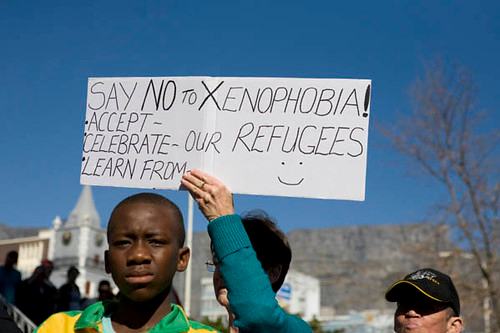
Vigilante groups and right-wing populist forces are stoking anti-immigrant sentiment and demanding that they leave the country by June 30. Experts fear serious economic implications for the country and the region.

South Africa2 MIN · 30 JUNE 2026
From the web · DW
Is xenophobia in South Africa risking investment?
IMAGE · Openverse
STRATA-AF™ ANGLEEDITORIAL SYNTHESIS BY STRATA-AF™

Xenophobic unrest and investor risk perception feed each other in South Africa: instability reads as a proxy risk signal regardless of GDP fundamentals, while the same economic precarity that fuels the unrest also scares off the capital that might relieve it. Breaking that loop requires treating social cohesion as economic policy, not a separate track from it.

Whether xenophobic violence is actively repelling investment into South Africa is a harder empirical question than the framing suggests, but the framing itself matters: investors increasingly read social instability as a proxy risk indicator independent of formal macroeconomic data, and recurring anti-migrant unrest feeds directly into that risk calculus regardless of its actual GDP impact. South Africa's investment case has already been complicated by load-shedding, municipal service failures, and policy uncertainty around land and mining; visible social unrest compounds a narrative that was already fragile.

The deeper tension is that xenophobic mobilization in South Africa is frequently driven by genuine economic grievance, unemployment, competition for informal-sector livelihoods, strained municipal services, which means the same conditions producing the unrest are themselves investment deterrents, creating a feedback loop that's difficult to break from either the security or economic policy side alone.

The unresolved question for foreign investors and South African policymakers alike is whether addressing the underlying economic precarity that fuels xenophobic sentiment is treated as a parallel track to investment promotion, or whether it continues to be siloed as a separate social policy problem disconnected from the capital South Africa is trying to attract.

READ THE SOURCE REPORT FROM DW

Enjoying Strata-AF™?

Sign in or sign up for a personalised feed and unlock Strata-AF™ Originals.
SIGN IN / SIGN UP
READ NEXT
--:--LAGOS
/shows/data/docs
finance
Is xenophobia in South Africa risking investment?
IMAGE · Openverse
Is xenophobia in South Africa risking investment?

Vigilante groups and right-wing populist forces are stoking anti-immigrant sentiment and demanding that they leave the country by June 30. Experts fear serious economic implications for the country and the region.

South Africa2 MIN READ · 30 JUNE 2026
From the web · DW
STRATA-AF™ ANGLEEDITORIAL SYNTHESIS BY STRATA-AF™

Xenophobic unrest and investor risk perception feed each other in South Africa: instability reads as a proxy risk signal regardless of GDP fundamentals, while the same economic precarity that fuels the unrest also scares off the capital that might relieve it. Breaking that loop requires treating social cohesion as economic policy, not a separate track from it.

Whether xenophobic violence is actively repelling investment into South Africa is a harder empirical question than the framing suggests, but the framing itself matters: investors increasingly read social instability as a proxy risk indicator independent of formal macroeconomic data, and recurring anti-migrant unrest feeds directly into that risk calculus regardless of its actual GDP impact. South Africa's investment case has already been complicated by load-shedding, municipal service failures, and policy uncertainty around land and mining; visible social unrest compounds a narrative that was already fragile.

The deeper tension is that xenophobic mobilization in South Africa is frequently driven by genuine economic grievance, unemployment, competition for informal-sector livelihoods, strained municipal services, which means the same conditions producing the unrest are themselves investment deterrents, creating a feedback loop that's difficult to break from either the security or economic policy side alone.

The unresolved question for foreign investors and South African policymakers alike is whether addressing the underlying economic precarity that fuels xenophobic sentiment is treated as a parallel track to investment promotion, or whether it continues to be siloed as a separate social policy problem disconnected from the capital South Africa is trying to attract.

READ THE SOURCE REPORT FROM DW

Enjoying Strata-AF™?

Sign in or sign up for a personalised feed and unlock Strata-AF™ Originals.

SIGN IN / SIGN UP
VERTICAL
finance
ORIGIN
South Africa
PUBLISHED
30 JUNE 2026
READ NEXT2 PIECES SELECTED BY OUR EDITORS
CULTURE · MUSIC · FILM · TECH · SPORT · POLITICS · HEALTH · FINANCE · RELIGION · FASHION · LAGOS · NAIROBI · JOBURG · ACCRA · DATA JOURNALISM · ORIGINAL REPORTING · THE ACTUAL VERSION ·CULTURE · MUSIC · FILM · TECH · SPORT · POLITICS · HEALTH · FINANCE · RELIGION · FASHION · LAGOS · NAIROBI · JOBURG · ACCRA · DATA JOURNALISM · ORIGINAL REPORTING · THE ACTUAL VERSION ·
Premium editorial for a continent that's done waiting to be covered.

Not the export-market version. Not the diaspora version. The actual version — written by the people who live there.

Verticals
CultureMusicFilmTechSportsPolitics
HUBS
Strata-AF OriginalsDataDocsNewsletterArchiveShows
Company
AboutMissionManifestoLegal
REACH
10VERTICALS
6CONTENT TYPES
5CITIES
1STANDARD
© 2026 STRATA-AF™ · STRATA PUBLISHING CO LTD · LAGOS · JOBURG · NAIROBI · ACCRAPRIVACYTERMSCORRECTIONSMASTHEAD