--:--LAGOS
CultureMusicFilmTechSportsPoliticsHealthFinanceReligionFashion
health
How worrying is the Ebola outbreak in DR Congo?

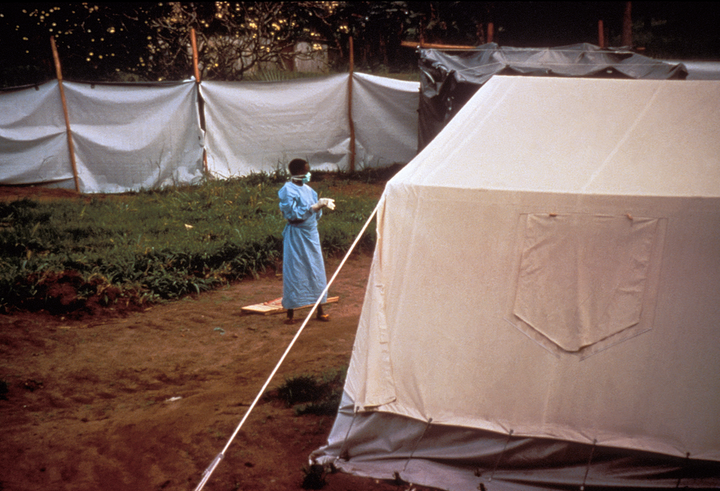
An outbreak in DR Congo has been declared a health emergency, with almost 250 suspected cases reported.

DR Congo3 MIN · 28 MAY 2026
From the web · BBC
COVER 16:9
STRATA-AF™ ANGLEEDITORIAL SYNTHESIS BY STRATA-AF™

While Western media fixates on containment rhetoric that echoes colonial-era panic, the DRC's Ebola response reveals a continent that has learned hard-won lessons from 2014, deploying locally-manufactured vaccines and community health networks that put Western healthcare systems to shame. The real story isn't fear-mongering about African disease, but how Congolese medical infrastructure, built through decades of resilience, is outpacing international aid organizations in rapid response protocols.

The declaration of a health emergency in the Democratic Republic of Congo over a new Ebola outbreak serves as a stark reminder that Africa's public health infrastructure remains perpetually vulnerable to epidemic diseases. With nearly 250 suspected cases reported, this latest crisis exposes the continent's continued struggle with infectious disease surveillance, rapid response capabilities, and the fundamental health system strengthening that could prevent such outbreaks from escalating into regional or global emergencies. The timing is particularly concerning, as it comes at a moment when many African nations are still recovering from the economic and health system disruptions caused by the COVID-19 pandemic.

What makes this outbreak especially troubling from a Pan-African perspective is how it underscores the interconnected nature of health security across the continent. The DRC's vast territory, porous borders, and significant population movements mean that any infectious disease outbreak there poses risks to neighboring countries including Uganda, Rwanda, Burundi, and others in the Great Lakes region. The 2014-2016 West African Ebola epidemic demonstrated how quickly the virus can spread across borders when health systems are unprepared, ultimately claiming over 11,000 lives and devastating the economies of Guinea, Liberia, and Sierra Leone. African leaders cannot afford to view this as merely a Congolese problem.

The response to this outbreak will test whether the continent has truly learned from past epidemics and invested meaningfully in the Africa Centres for Disease Control and Prevention (Africa CDC) and other regional health institutions. Since its establishment in 2017, the Africa CDC has positioned itself as the continent's primary public health agency, but its effectiveness depends largely on member states' political will and financial commitment to collective health security. The organization's ability to coordinate a rapid, science-based response to this Ebola outbreak will serve as a crucial test of African institutional capacity and continental solidarity in health emergencies.

Perhaps most concerning is how this outbreak highlights the persistent underfunding of healthcare systems across Africa, where many countries allocate less than the African Union's recommended 15 percent of their budgets to health. The DRC, despite its vast mineral wealth, continues to struggle with basic healthcare delivery in many regions, particularly in remote areas where Ebola outbreaks often begin. This pattern reflects a broader continental challenge where resource-rich nations fail to translate their natural wealth into robust public health infrastructure, leaving populations vulnerable to preventable diseases and health emergencies.

The international response to this outbreak will also reveal whether global health partnerships have evolved beyond the paternalistic approaches that characterized earlier epidemic responses. African health authorities must lead this response, with international partners providing support rather than taking control. The continent's experience with COVID-19 vaccine inequity, where Africa received vaccines last despite being home to many of the world's most vulnerable populations, should inform how global health actors engage with this Ebola outbreak. True partnership means respecting African expertise, supporting local manufacturing of medical countermeasures, and ensuring that response strategies align with continental priorities.

Looking beyond the immediate crisis, this outbreak should catalyze renewed investment in Africa's health security architecture. The continent needs sustained funding for disease surveillance systems, laboratory networks, emergency response capabilities, and the basic health infrastructure that serves as the foundation for epidemic preparedness. More fundamentally, African nations must recognize that health security is national security, requiring the same level of strategic planning and resource allocation typically reserved for military defense. Only through such comprehensive approaches can the continent break the cycle of reactive responses to health emergencies and build the resilient health systems that African populations deserve.

READ THE SOURCE REPORT FROM BBC

Enjoying Strata-AF™?

Sign in or sign up for a personalised feed and unlock Strata-AF™ Originals.

SIGN IN / SIGN UP
READ NEXT
30-50% Death Rate: How Congo's Latest Ebola Outbreak Tests African Health Sovereignty
HEALTHSTRATA-AF™ ORIGINAL
30-50% Death Rate: How Congo's Latest Ebola Outbreak Tests African Health Sovereignty
Kinshasa, DR Congo2 MINREAD →
PHOTO
HEALTHAllAfrica
Ebola Meets War in Eastern Congo
Kinshasa, DR Congo1 MINREAD →
--:--LAGOS
STRATA-AF™
ISSUE 001FEED◎ SEARCHSUBSCRIBE
/shows/data/docs
health
How worrying is the Ebola outbreak in DR Congo?

An outbreak in DR Congo has been declared a health emergency, with almost 250 suspected cases reported.

DR Congo3 MIN READ · 28 MAY 2026
From the web · BBC
STRATA-AF™ ANGLEEDITORIAL SYNTHESIS BY STRATA-AF™

While Western media fixates on containment rhetoric that echoes colonial-era panic, the DRC's Ebola response reveals a continent that has learned hard-won lessons from 2014, deploying locally-manufactured vaccines and community health networks that put Western healthcare systems to shame. The real story isn't fear-mongering about African disease, but how Congolese medical infrastructure, built through decades of resilience, is outpacing international aid organizations in rapid response protocols.

The declaration of a health emergency in the Democratic Republic of Congo over a new Ebola outbreak serves as a stark reminder that Africa's public health infrastructure remains perpetually vulnerable to epidemic diseases. With nearly 250 suspected cases reported, this latest crisis exposes the continent's continued struggle with infectious disease surveillance, rapid response capabilities, and the fundamental health system strengthening that could prevent such outbreaks from escalating into regional or global emergencies. The timing is particularly concerning, as it comes at a moment when many African nations are still recovering from the economic and health system disruptions caused by the COVID-19 pandemic.

What makes this outbreak especially troubling from a Pan-African perspective is how it underscores the interconnected nature of health security across the continent. The DRC's vast territory, porous borders, and significant population movements mean that any infectious disease outbreak there poses risks to neighboring countries including Uganda, Rwanda, Burundi, and others in the Great Lakes region. The 2014-2016 West African Ebola epidemic demonstrated how quickly the virus can spread across borders when health systems are unprepared, ultimately claiming over 11,000 lives and devastating the economies of Guinea, Liberia, and Sierra Leone. African leaders cannot afford to view this as merely a Congolese problem.

The response to this outbreak will test whether the continent has truly learned from past epidemics and invested meaningfully in the Africa Centres for Disease Control and Prevention (Africa CDC) and other regional health institutions. Since its establishment in 2017, the Africa CDC has positioned itself as the continent's primary public health agency, but its effectiveness depends largely on member states' political will and financial commitment to collective health security. The organization's ability to coordinate a rapid, science-based response to this Ebola outbreak will serve as a crucial test of African institutional capacity and continental solidarity in health emergencies.

Perhaps most concerning is how this outbreak highlights the persistent underfunding of healthcare systems across Africa, where many countries allocate less than the African Union's recommended 15 percent of their budgets to health. The DRC, despite its vast mineral wealth, continues to struggle with basic healthcare delivery in many regions, particularly in remote areas where Ebola outbreaks often begin. This pattern reflects a broader continental challenge where resource-rich nations fail to translate their natural wealth into robust public health infrastructure, leaving populations vulnerable to preventable diseases and health emergencies.

The international response to this outbreak will also reveal whether global health partnerships have evolved beyond the paternalistic approaches that characterized earlier epidemic responses. African health authorities must lead this response, with international partners providing support rather than taking control. The continent's experience with COVID-19 vaccine inequity, where Africa received vaccines last despite being home to many of the world's most vulnerable populations, should inform how global health actors engage with this Ebola outbreak. True partnership means respecting African expertise, supporting local manufacturing of medical countermeasures, and ensuring that response strategies align with continental priorities.

Looking beyond the immediate crisis, this outbreak should catalyze renewed investment in Africa's health security architecture. The continent needs sustained funding for disease surveillance systems, laboratory networks, emergency response capabilities, and the basic health infrastructure that serves as the foundation for epidemic preparedness. More fundamentally, African nations must recognize that health security is national security, requiring the same level of strategic planning and resource allocation typically reserved for military defense. Only through such comprehensive approaches can the continent break the cycle of reactive responses to health emergencies and build the resilient health systems that African populations deserve.

READ THE SOURCE REPORT FROM BBC

Enjoying Strata-AF™?

Sign in or sign up for a personalised feed and unlock Strata-AF™ Originals.

SIGN IN / SIGN UP
VERTICAL
health
ORIGIN
DR Congo
PUBLISHED
28 MAY 2026
NO COVER SET
READ NEXT2 PIECES SELECTED BY OUR EDITORS
HEALTH
30-50% Death Rate: How Congo's Latest Ebola Outbreak Tests African Health Sovereignty
As Ebola resurges in DRC with deadly force, the continent's response reveals growing tensions between local expertise and international intervention.
Kinshasa, DR Congo2 MINREAD →
HEALTH
PHOTO
Ebola Meets War in Eastern Congo
Containment assumes a functioning state. Eastern DRC has an outbreak moving faster than any response can follow.
Kinshasa, DR Congo1 MINREAD →
CULTURE · MUSIC · FILM · TECH · SPORT · POLITICS · HEALTH · FINANCE · RELIGION · FASHION · LAGOS · NAIROBI · JOBURG · ACCRA · DATA JOURNALISM · ORIGINAL REPORTING · THE ACTUAL VERSION ·CULTURE · MUSIC · FILM · TECH · SPORT · POLITICS · HEALTH · FINANCE · RELIGION · FASHION · LAGOS · NAIROBI · JOBURG · ACCRA · DATA JOURNALISM · ORIGINAL REPORTING · THE ACTUAL VERSION ·
Premium editorial for a continent that's done waiting to be covered.

Not the export-market version. Not the diaspora version. The actual version — written by the people who live there.

Verticals
CultureMusicFilmTechSportsPolitics
HUBS
Strata-AF OriginalsDataDocsNewsletterArchiveShows
Company
AboutMissionManifestoLegal
REACH
10VERTICALS
6CONTENT TYPES
5CITIES
1STANDARD
© 2026 STRATA-AF™ · STRATA PUBLISHING CO LTD · LAGOS · JOBURG · NAIROBI · ACCRAPRIVACYTERMSCORRECTIONSMASTHEAD
 
 
--:--LAGOS
CultureMusicFilmTechSportsPoliticsHealthFinanceReligionFashion
Highlights
Strata-AF
Editor's Pick
From the web
SPORTSSTRATA-AF™STRATA-AF™ ORIGINAL
WAFCON 2026 Proved African Women's Football Is Ready. The Clubs Aren't.
2 MINREAD →
POLITICSSTRATA-AF™★ EDITOR'S PICK
The Lagos Cancellation Is Not About Tyla Really, Or Is It ?
Pan-African2 MINREAD →
MUSICSTRATA-AF™★ EDITOR'S PICK
Blood, Beats & Betrayal: How Family Killed P-Square
Nigeria2 MINREAD →
MUSICBY THE NUMBERSSTRATA-AF™ ORIGINAL
Where African Artists Earn, Lose, and Get Erased on Stream
Pan-African2 MINREAD →
HEALTHSTRATA-AF™★ EDITOR'S PICK
Uganda Held the Line on Ebola. Here's the Playbook Congo Needs Now
DR Congo2 MINREAD →
MUSICSTRATA-AF™STRATA-AF™ ORIGINAL
Music Is Starving in Sudan: How the RSF Silenced a Generation of Artists
Sudan2 MINREAD →
CULTURESTRATA-AF™★ EDITOR'S PICK
How BBNaija Rewired Nigerian Television And Everything Around It
Lagos, Pan-African2 MINREAD →
FASHIONSTRATA-AF™★ EDITOR'S PICK
Lagos Fashion Week's Green Push Is Either Africa's Best Bet or Its Greenest Greenwash
Pan-African2 MINREAD →
CULTURESTRATA-AF™★ EDITOR'S PICK
Dakar 2026 Is Africa's Olympic Moment
Senegal2 MINREAD →
SPORTSFROM THE WEB★ EDITOR'S PICK
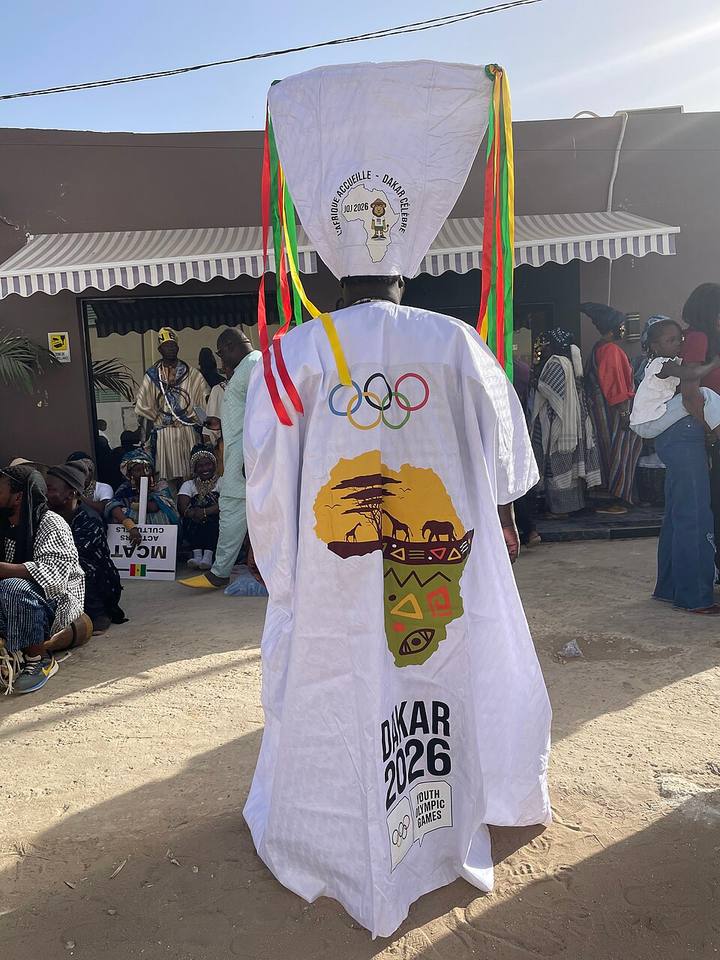
Senegal set to make Olympic history with Dakar 2026 Youth Games
Dakar 2026 breaks a hosting monopoly that has excluded Africa from Olympic stewardship for over a century — the question is what institutional and economic legacy Senegal can extract from the moment.
Senegal1 MIN · Africanews · 25 JULREAD →
See all stories

The actual version — written by the people who live there.

10VERTICALS
6TYPES
5CITIES
1STANDARD
AboutMissionManifestoLegalOriginalsSubscribeArchiveShowsContributorsJobs
© 2026 STRATA-AF™ · STRATA PUBLISHING CO LTD · LAGOS · NAIROBI · JOBURG · ACCRA
 
 
--:--LAGOS
CultureMusicFilmTechSportsPoliticsHealthFinanceReligionFashion
health
How worrying is the Ebola outbreak in DR Congo?

An outbreak in DR Congo has been declared a health emergency, with almost 250 suspected cases reported.

DR Congo3 MIN · 28 MAY 2026
From the web · BBC
COVER 16:9
STRATA-AF™ ANGLEEDITORIAL SYNTHESIS BY STRATA-AF™

While Western media fixates on containment rhetoric that echoes colonial-era panic, the DRC's Ebola response reveals a continent that has learned hard-won lessons from 2014, deploying locally-manufactured vaccines and community health networks that put Western healthcare systems to shame. The real story isn't fear-mongering about African disease, but how Congolese medical infrastructure, built through decades of resilience, is outpacing international aid organizations in rapid response protocols.

The declaration of a health emergency in the Democratic Republic of Congo over a new Ebola outbreak serves as a stark reminder that Africa's public health infrastructure remains perpetually vulnerable to epidemic diseases. With nearly 250 suspected cases reported, this latest crisis exposes the continent's continued struggle with infectious disease surveillance, rapid response capabilities, and the fundamental health system strengthening that could prevent such outbreaks from escalating into regional or global emergencies. The timing is particularly concerning, as it comes at a moment when many African nations are still recovering from the economic and health system disruptions caused by the COVID-19 pandemic.

What makes this outbreak especially troubling from a Pan-African perspective is how it underscores the interconnected nature of health security across the continent. The DRC's vast territory, porous borders, and significant population movements mean that any infectious disease outbreak there poses risks to neighboring countries including Uganda, Rwanda, Burundi, and others in the Great Lakes region. The 2014-2016 West African Ebola epidemic demonstrated how quickly the virus can spread across borders when health systems are unprepared, ultimately claiming over 11,000 lives and devastating the economies of Guinea, Liberia, and Sierra Leone. African leaders cannot afford to view this as merely a Congolese problem.

The response to this outbreak will test whether the continent has truly learned from past epidemics and invested meaningfully in the Africa Centres for Disease Control and Prevention (Africa CDC) and other regional health institutions. Since its establishment in 2017, the Africa CDC has positioned itself as the continent's primary public health agency, but its effectiveness depends largely on member states' political will and financial commitment to collective health security. The organization's ability to coordinate a rapid, science-based response to this Ebola outbreak will serve as a crucial test of African institutional capacity and continental solidarity in health emergencies.

Perhaps most concerning is how this outbreak highlights the persistent underfunding of healthcare systems across Africa, where many countries allocate less than the African Union's recommended 15 percent of their budgets to health. The DRC, despite its vast mineral wealth, continues to struggle with basic healthcare delivery in many regions, particularly in remote areas where Ebola outbreaks often begin. This pattern reflects a broader continental challenge where resource-rich nations fail to translate their natural wealth into robust public health infrastructure, leaving populations vulnerable to preventable diseases and health emergencies.

The international response to this outbreak will also reveal whether global health partnerships have evolved beyond the paternalistic approaches that characterized earlier epidemic responses. African health authorities must lead this response, with international partners providing support rather than taking control. The continent's experience with COVID-19 vaccine inequity, where Africa received vaccines last despite being home to many of the world's most vulnerable populations, should inform how global health actors engage with this Ebola outbreak. True partnership means respecting African expertise, supporting local manufacturing of medical countermeasures, and ensuring that response strategies align with continental priorities.

Looking beyond the immediate crisis, this outbreak should catalyze renewed investment in Africa's health security architecture. The continent needs sustained funding for disease surveillance systems, laboratory networks, emergency response capabilities, and the basic health infrastructure that serves as the foundation for epidemic preparedness. More fundamentally, African nations must recognize that health security is national security, requiring the same level of strategic planning and resource allocation typically reserved for military defense. Only through such comprehensive approaches can the continent break the cycle of reactive responses to health emergencies and build the resilient health systems that African populations deserve.

READ THE SOURCE REPORT FROM BBC

Enjoying Strata-AF™?

Sign in or sign up for a personalised feed and unlock Strata-AF™ Originals.

SIGN IN / SIGN UP
READ NEXT
--:--LAGOS
/shows/data/docs
health
How worrying is the Ebola outbreak in DR Congo?

An outbreak in DR Congo has been declared a health emergency, with almost 250 suspected cases reported.

DR Congo3 MIN READ · 28 MAY 2026
From the web · BBC
STRATA-AF™ ANGLEEDITORIAL SYNTHESIS BY STRATA-AF™

While Western media fixates on containment rhetoric that echoes colonial-era panic, the DRC's Ebola response reveals a continent that has learned hard-won lessons from 2014, deploying locally-manufactured vaccines and community health networks that put Western healthcare systems to shame. The real story isn't fear-mongering about African disease, but how Congolese medical infrastructure, built through decades of resilience, is outpacing international aid organizations in rapid response protocols.

The declaration of a health emergency in the Democratic Republic of Congo over a new Ebola outbreak serves as a stark reminder that Africa's public health infrastructure remains perpetually vulnerable to epidemic diseases. With nearly 250 suspected cases reported, this latest crisis exposes the continent's continued struggle with infectious disease surveillance, rapid response capabilities, and the fundamental health system strengthening that could prevent such outbreaks from escalating into regional or global emergencies. The timing is particularly concerning, as it comes at a moment when many African nations are still recovering from the economic and health system disruptions caused by the COVID-19 pandemic.

What makes this outbreak especially troubling from a Pan-African perspective is how it underscores the interconnected nature of health security across the continent. The DRC's vast territory, porous borders, and significant population movements mean that any infectious disease outbreak there poses risks to neighboring countries including Uganda, Rwanda, Burundi, and others in the Great Lakes region. The 2014-2016 West African Ebola epidemic demonstrated how quickly the virus can spread across borders when health systems are unprepared, ultimately claiming over 11,000 lives and devastating the economies of Guinea, Liberia, and Sierra Leone. African leaders cannot afford to view this as merely a Congolese problem.

The response to this outbreak will test whether the continent has truly learned from past epidemics and invested meaningfully in the Africa Centres for Disease Control and Prevention (Africa CDC) and other regional health institutions. Since its establishment in 2017, the Africa CDC has positioned itself as the continent's primary public health agency, but its effectiveness depends largely on member states' political will and financial commitment to collective health security. The organization's ability to coordinate a rapid, science-based response to this Ebola outbreak will serve as a crucial test of African institutional capacity and continental solidarity in health emergencies.

Perhaps most concerning is how this outbreak highlights the persistent underfunding of healthcare systems across Africa, where many countries allocate less than the African Union's recommended 15 percent of their budgets to health. The DRC, despite its vast mineral wealth, continues to struggle with basic healthcare delivery in many regions, particularly in remote areas where Ebola outbreaks often begin. This pattern reflects a broader continental challenge where resource-rich nations fail to translate their natural wealth into robust public health infrastructure, leaving populations vulnerable to preventable diseases and health emergencies.

The international response to this outbreak will also reveal whether global health partnerships have evolved beyond the paternalistic approaches that characterized earlier epidemic responses. African health authorities must lead this response, with international partners providing support rather than taking control. The continent's experience with COVID-19 vaccine inequity, where Africa received vaccines last despite being home to many of the world's most vulnerable populations, should inform how global health actors engage with this Ebola outbreak. True partnership means respecting African expertise, supporting local manufacturing of medical countermeasures, and ensuring that response strategies align with continental priorities.

Looking beyond the immediate crisis, this outbreak should catalyze renewed investment in Africa's health security architecture. The continent needs sustained funding for disease surveillance systems, laboratory networks, emergency response capabilities, and the basic health infrastructure that serves as the foundation for epidemic preparedness. More fundamentally, African nations must recognize that health security is national security, requiring the same level of strategic planning and resource allocation typically reserved for military defense. Only through such comprehensive approaches can the continent break the cycle of reactive responses to health emergencies and build the resilient health systems that African populations deserve.

READ THE SOURCE REPORT FROM BBC

Enjoying Strata-AF™?

Sign in or sign up for a personalised feed and unlock Strata-AF™ Originals.

SIGN IN / SIGN UP
VERTICAL
health
ORIGIN
DR Congo
PUBLISHED
28 MAY 2026
NO COVER SET
READ NEXT2 PIECES SELECTED BY OUR EDITORS
CULTURE · MUSIC · FILM · TECH · SPORT · POLITICS · HEALTH · FINANCE · RELIGION · FASHION · LAGOS · NAIROBI · JOBURG · ACCRA · DATA JOURNALISM · ORIGINAL REPORTING · THE ACTUAL VERSION ·CULTURE · MUSIC · FILM · TECH · SPORT · POLITICS · HEALTH · FINANCE · RELIGION · FASHION · LAGOS · NAIROBI · JOBURG · ACCRA · DATA JOURNALISM · ORIGINAL REPORTING · THE ACTUAL VERSION ·
Premium editorial for a continent that's done waiting to be covered.

Not the export-market version. Not the diaspora version. The actual version — written by the people who live there.

Verticals
CultureMusicFilmTechSportsPolitics
HUBS
Strata-AF OriginalsDataDocsNewsletterArchiveShows
Company
AboutMissionManifestoLegal
REACH
10VERTICALS
6CONTENT TYPES
5CITIES
1STANDARD
© 2026 STRATA-AF™ · STRATA PUBLISHING CO LTD · LAGOS · JOBURG · NAIROBI · ACCRAPRIVACYTERMSCORRECTIONSMASTHEAD