--:--LAGOS
CultureMusicFilmTechSportsPoliticsHealthFinanceReligionFashion
religion
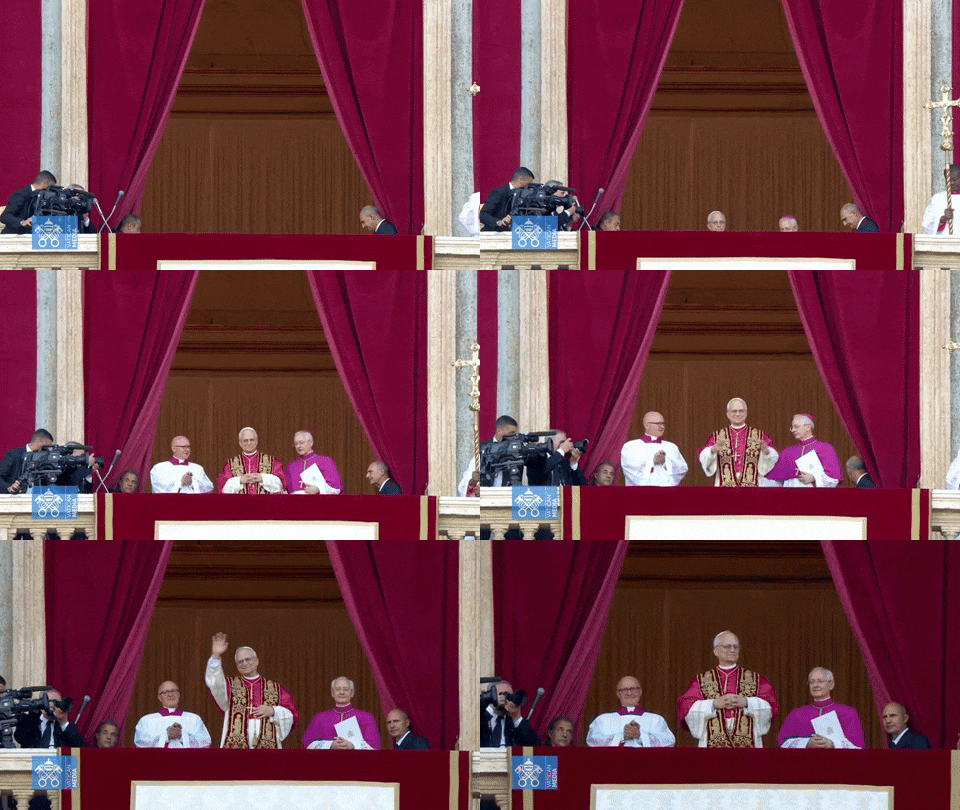
Ghana welcomes Pope's apology over Catholic Church's role in slavery

The West African nation was one of the main gateways for the transatlantic slave trade.
Ghana3 MIN · 28 MAY 2026
From the web · BBC
Ghana welcomes Pope's apology over Catholic Church's role in slavery
IMAGE · GIPHY · AthleticsNTHS
STRATA-AF™ ANGLEEDITORIAL SYNTHESIS BY STRATA-AF™

While Ghana graciously accepts the Vatican's overdue acknowledgment of Catholic complicity in the slave trade, the real test lies in whether Rome will match papal apologies with concrete reparative action, including returning looted artifacts and funding educational initiatives across the continent. The Church's centuries-late contrition rings hollow without dismantling the very institutional structures that enabled European extraction from Africa's shores, from Elmina to Zanzibar.

Beyond Apologies: Ghana and the Long Road to Restorative Justice

Pope Francis's acknowledgment of the Catholic Church's complicity in the transatlantic slave trade, welcomed by Ghanaian officials, represents a significant moment in the often-strained relationship between African nations and European institutions. While the Vatican's recognition of historical wrongs is symbolically important, it raises deeper questions about what meaningful reconciliation looks like for a continent still grappling with the enduring legacies of centuries of exploitation. Ghana's position as a primary departure point for enslaved Africans, through the notorious Cape Coast and Elmina castles, makes this papal admission particularly resonant, yet it also underscores the inadequacy of words alone in addressing historical trauma.

The timing of this apology is not coincidental, arriving amid growing global movements for reparative justice and increasing African assertiveness in international relations. Across the continent, from Nigeria's demand for British Museum artifacts to Kenya's pursuit of colonial-era reparations, African nations are no longer content with symbolic gestures divorced from material redress. Ghana's welcoming of the Pope's words should be understood within this broader context of African states leveraging moral authority to reshape relationships with former colonizers and complicit institutions. The country's own recent "Year of Return" initiative, which attracted thousands of diaspora visitors, demonstrates how historical memory can be transformed into contemporary soft power.

However, the Catholic Church's role in slavery extended far beyond mere complicity. It provided theological justification for the dehumanization of African peoples through doctrines that portrayed enslavement as divinely sanctioned. This ideological framework enabled the massive scale of human trafficking that saw millions of Africans forcibly removed from the continent, fundamentally altering demographics, social structures, and economic systems across West and Central Africa. The Church's wealth accumulated partly through plantation holdings worked by enslaved labor, creating an economic foundation that persists today in Vatican holdings and Catholic institutional wealth globally.

For Ghana and the broader African continent, the question remains whether papal apologies will translate into concrete actions that address ongoing inequalities rooted in this historical exploitation. The Catholic Church operates extensive networks across Africa today, running schools, hospitals, and social programs, yet these institutions often reflect European organizational models rather than indigenous African approaches to spirituality and community care. True reconciliation would require not just acknowledgment of past wrongs, but fundamental restructuring of how the Church operates on the continent, including greater African leadership in Vatican decision-making and substantial financial reparations directed toward African development.

The broader implications extend beyond religious institutions to encompass how Africa engages with all European entities built on wealth extracted from the continent. Ghana's response to the papal apology signals a mature diplomatic approach that accepts acknowledgment while implicitly demanding more substantive action. This positions Ghana, and by extension other African nations, as moral leaders in global discussions about historical justice, challenging Western institutions to move beyond performative contrition toward meaningful structural change.

Ultimately, the Pope's apology to Ghana represents both progress and limitation in the decolonization of global power structures. While African nations welcome such recognition, they increasingly recognize their own agency in demanding not just apologies, but fundamental redistributions of wealth and power that reflect their central role in building the modern world economy through forced labor. The true measure of this papal gesture will be whether it catalyzes substantive change or remains another chapter in the long history of Western institutions offering words where actions are desperately needed. For Ghana and its continental neighbors, the focus must remain on leveraging these moments of acknowledgment into tangible gains for African development and dignity.

READ THE SOURCE REPORT FROM BBC

Enjoying Strata-AF™?

Sign in or sign up for a personalised feed and unlock Strata-AF™ Originals.
SIGN IN / SIGN UP
READ NEXT
Pope Leo XIV meets Pedro Sánchez at the Vatican ahead of Spain visit
RELIGIONAfricanews
Pope Leo XIV meets Pedro Sánchez at the Vatican ahead of Spain visit
Pan-African1 MINREAD →
Far from the fighting: Eid celebrations in Mogadishu, in pictures
RELIGIONThe Guardian
Far from the fighting: Eid celebrations in Mogadishu, in pictures
Mogadishu, Somalia3 MINREAD →
Nigerian Muslims celebrate Eid al-Kabir amid cost of living crisis
RELIGIONAfricanews
Nigerian Muslims celebrate Eid al-Kabir amid cost of living crisis
Nigeria1 MINREAD →
--:--LAGOS
STRATA-AF™
ISSUE 001FEED◎ SEARCHSUBSCRIBE
/shows/data/docs
religion
Ghana welcomes Pope's apology over Catholic Church's role in slavery
IMAGE · GIPHY · AthleticsNTHS
Ghana welcomes Pope's apology over Catholic Church's role in slavery

The West African nation was one of the main gateways for the transatlantic slave trade.

Ghana3 MIN READ · 28 MAY 2026
From the web · BBC
STRATA-AF™ ANGLEEDITORIAL SYNTHESIS BY STRATA-AF™

While Ghana graciously accepts the Vatican's overdue acknowledgment of Catholic complicity in the slave trade, the real test lies in whether Rome will match papal apologies with concrete reparative action, including returning looted artifacts and funding educational initiatives across the continent. The Church's centuries-late contrition rings hollow without dismantling the very institutional structures that enabled European extraction from Africa's shores, from Elmina to Zanzibar.

Beyond Apologies: Ghana and the Long Road to Restorative Justice

Pope Francis's acknowledgment of the Catholic Church's complicity in the transatlantic slave trade, welcomed by Ghanaian officials, represents a significant moment in the often-strained relationship between African nations and European institutions. While the Vatican's recognition of historical wrongs is symbolically important, it raises deeper questions about what meaningful reconciliation looks like for a continent still grappling with the enduring legacies of centuries of exploitation. Ghana's position as a primary departure point for enslaved Africans, through the notorious Cape Coast and Elmina castles, makes this papal admission particularly resonant, yet it also underscores the inadequacy of words alone in addressing historical trauma.

The timing of this apology is not coincidental, arriving amid growing global movements for reparative justice and increasing African assertiveness in international relations. Across the continent, from Nigeria's demand for British Museum artifacts to Kenya's pursuit of colonial-era reparations, African nations are no longer content with symbolic gestures divorced from material redress. Ghana's welcoming of the Pope's words should be understood within this broader context of African states leveraging moral authority to reshape relationships with former colonizers and complicit institutions. The country's own recent "Year of Return" initiative, which attracted thousands of diaspora visitors, demonstrates how historical memory can be transformed into contemporary soft power.

However, the Catholic Church's role in slavery extended far beyond mere complicity. It provided theological justification for the dehumanization of African peoples through doctrines that portrayed enslavement as divinely sanctioned. This ideological framework enabled the massive scale of human trafficking that saw millions of Africans forcibly removed from the continent, fundamentally altering demographics, social structures, and economic systems across West and Central Africa. The Church's wealth accumulated partly through plantation holdings worked by enslaved labor, creating an economic foundation that persists today in Vatican holdings and Catholic institutional wealth globally.

For Ghana and the broader African continent, the question remains whether papal apologies will translate into concrete actions that address ongoing inequalities rooted in this historical exploitation. The Catholic Church operates extensive networks across Africa today, running schools, hospitals, and social programs, yet these institutions often reflect European organizational models rather than indigenous African approaches to spirituality and community care. True reconciliation would require not just acknowledgment of past wrongs, but fundamental restructuring of how the Church operates on the continent, including greater African leadership in Vatican decision-making and substantial financial reparations directed toward African development.

The broader implications extend beyond religious institutions to encompass how Africa engages with all European entities built on wealth extracted from the continent. Ghana's response to the papal apology signals a mature diplomatic approach that accepts acknowledgment while implicitly demanding more substantive action. This positions Ghana, and by extension other African nations, as moral leaders in global discussions about historical justice, challenging Western institutions to move beyond performative contrition toward meaningful structural change.

Ultimately, the Pope's apology to Ghana represents both progress and limitation in the decolonization of global power structures. While African nations welcome such recognition, they increasingly recognize their own agency in demanding not just apologies, but fundamental redistributions of wealth and power that reflect their central role in building the modern world economy through forced labor. The true measure of this papal gesture will be whether it catalyzes substantive change or remains another chapter in the long history of Western institutions offering words where actions are desperately needed. For Ghana and its continental neighbors, the focus must remain on leveraging these moments of acknowledgment into tangible gains for African development and dignity.

READ THE SOURCE REPORT FROM BBC

Enjoying Strata-AF™?

Sign in or sign up for a personalised feed and unlock Strata-AF™ Originals.

SIGN IN / SIGN UP
VERTICAL
religion
ORIGIN
Ghana
PUBLISHED
28 MAY 2026
READ NEXT3 PIECES SELECTED BY OUR EDITORS
RELIGION
Pope Leo XIV meets Pedro Sánchez at the Vatican ahead of Spain visit
Pope Leo XIV received Spain’s Prime Minister Pedro Sánchez in a private audience at the Apostolic Palace in Vatican City on 27 May, as preparations continue for the pontiff’s planned visit to Spain in June.
Pan-African1 MINREAD →
RELIGION
Far from the fighting: Eid celebrations in Mogadishu, in pictures
Photographer Mohamed Gabobe captured the city’s lively enjoyment of the Islamic festival away from the conflict and drought endured by much of Somalia
Mogadishu, Somalia3 MINREAD →
RELIGION
Nigerian Muslims celebrate Eid al-Kabir amid cost of living crisis
The celebrations comes as rising food and transport costs make it difficult for some families to buy a sheep for the traditional slaughter.
Nigeria1 MINREAD →
CULTURE · MUSIC · FILM · TECH · SPORT · POLITICS · HEALTH · FINANCE · RELIGION · FASHION · LAGOS · NAIROBI · JOBURG · ACCRA · DATA JOURNALISM · ORIGINAL REPORTING · THE ACTUAL VERSION ·CULTURE · MUSIC · FILM · TECH · SPORT · POLITICS · HEALTH · FINANCE · RELIGION · FASHION · LAGOS · NAIROBI · JOBURG · ACCRA · DATA JOURNALISM · ORIGINAL REPORTING · THE ACTUAL VERSION ·
Premium editorial for a continent that's done waiting to be covered.

Not the export-market version. Not the diaspora version. The actual version — written by the people who live there.

Verticals
CultureMusicFilmTechSportsPolitics
HUBS
Strata-AF OriginalsDataDocsNewsletterArchiveShows
Company
AboutMissionManifestoLegal
REACH
10VERTICALS
6CONTENT TYPES
5CITIES
1STANDARD
© 2026 STRATA-AF™ · STRATA PUBLISHING CO LTD · LAGOS · JOBURG · NAIROBI · ACCRAPRIVACYTERMSCORRECTIONSMASTHEAD
 
 
--:--LAGOS
CultureMusicFilmTechSportsPoliticsHealthFinanceReligionFashion
Highlights
Strata-AF
Editor's Pick
From the web
SPORTSSTRATA-AF™STRATA-AF™ ORIGINAL
WAFCON 2026 Proved African Women's Football Is Ready. The Clubs Aren't.
2 MINREAD →
POLITICSSTRATA-AF™★ EDITOR'S PICK
The Lagos Cancellation Is Not About Tyla Really, Or Is It ?
Pan-African2 MINREAD →
MUSICSTRATA-AF™★ EDITOR'S PICK
Blood, Beats & Betrayal: How Family Killed P-Square
Nigeria2 MINREAD →
MUSICBY THE NUMBERSSTRATA-AF™ ORIGINAL
Where African Artists Earn, Lose, and Get Erased on Stream
Pan-African2 MINREAD →
HEALTHSTRATA-AF™★ EDITOR'S PICK
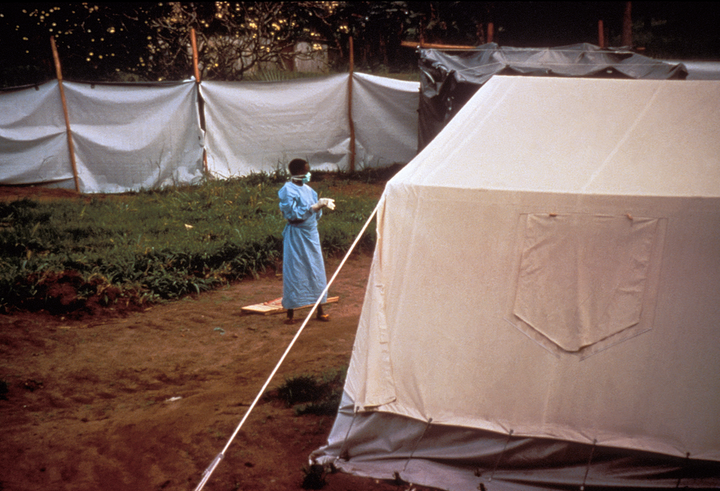
Uganda Held the Line on Ebola. Here's the Playbook Congo Needs Now
DR Congo2 MINREAD →
MUSICSTRATA-AF™STRATA-AF™ ORIGINAL
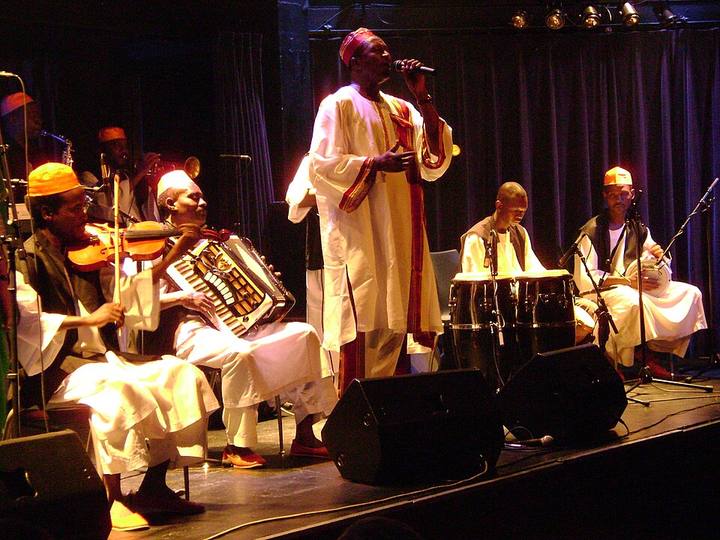
Music Is Starving in Sudan: How the RSF Silenced a Generation of Artists
Sudan2 MINREAD →
CULTURESTRATA-AF™★ EDITOR'S PICK
How BBNaija Rewired Nigerian Television And Everything Around It
Lagos, Pan-African2 MINREAD →
FASHIONSTRATA-AF™★ EDITOR'S PICK
Lagos Fashion Week's Green Push Is Either Africa's Best Bet or Its Greenest Greenwash
Pan-African2 MINREAD →
CULTURESTRATA-AF™★ EDITOR'S PICK
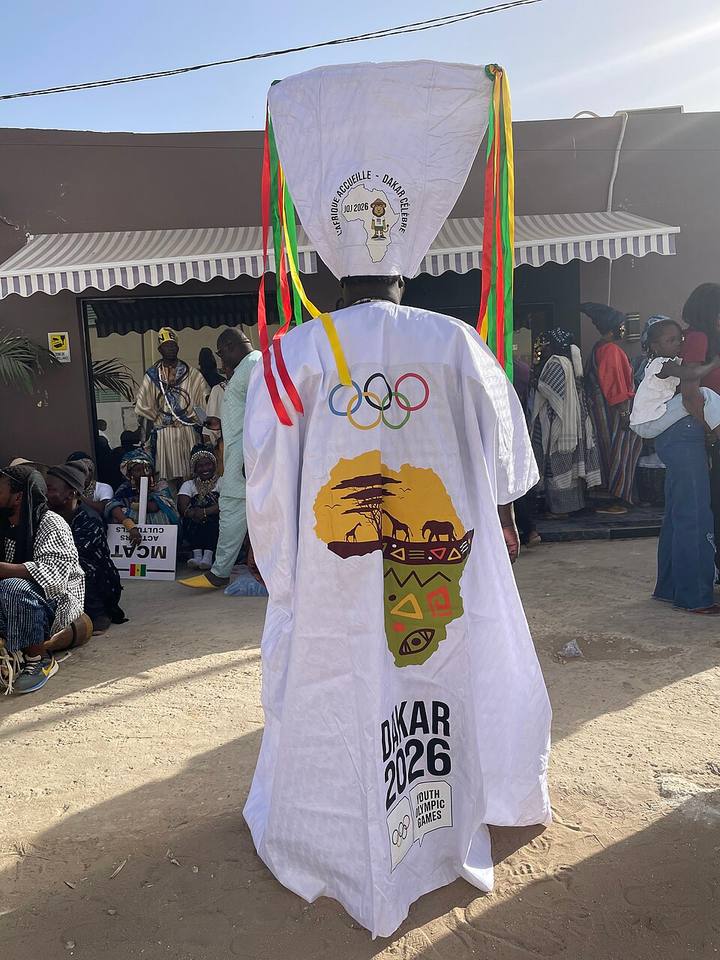
Dakar 2026 Is Africa's Olympic Moment
Senegal2 MINREAD →
SPORTSFROM THE WEB★ EDITOR'S PICK
Senegal set to make Olympic history with Dakar 2026 Youth Games
Dakar 2026 breaks a hosting monopoly that has excluded Africa from Olympic stewardship for over a century — the question is what institutional and economic legacy Senegal can extract from the moment.
Senegal1 MIN · Africanews · 25 JULREAD →
See all stories

The actual version — written by the people who live there.

10VERTICALS
6TYPES
5CITIES
1STANDARD
AboutMissionManifestoLegalOriginalsSubscribeArchiveShowsContributorsJobs
© 2026 STRATA-AF™ · STRATA PUBLISHING CO LTD · LAGOS · NAIROBI · JOBURG · ACCRA
 
 
--:--LAGOS
CultureMusicFilmTechSportsPoliticsHealthFinanceReligionFashion
religion
Ghana welcomes Pope's apology over Catholic Church's role in slavery

The West African nation was one of the main gateways for the transatlantic slave trade.

Ghana3 MIN · 28 MAY 2026
From the web · BBC
Ghana welcomes Pope's apology over Catholic Church's role in slavery
IMAGE · GIPHY · AthleticsNTHS
STRATA-AF™ ANGLEEDITORIAL SYNTHESIS BY STRATA-AF™

While Ghana graciously accepts the Vatican's overdue acknowledgment of Catholic complicity in the slave trade, the real test lies in whether Rome will match papal apologies with concrete reparative action, including returning looted artifacts and funding educational initiatives across the continent. The Church's centuries-late contrition rings hollow without dismantling the very institutional structures that enabled European extraction from Africa's shores, from Elmina to Zanzibar.

Beyond Apologies: Ghana and the Long Road to Restorative Justice

Pope Francis's acknowledgment of the Catholic Church's complicity in the transatlantic slave trade, welcomed by Ghanaian officials, represents a significant moment in the often-strained relationship between African nations and European institutions. While the Vatican's recognition of historical wrongs is symbolically important, it raises deeper questions about what meaningful reconciliation looks like for a continent still grappling with the enduring legacies of centuries of exploitation. Ghana's position as a primary departure point for enslaved Africans, through the notorious Cape Coast and Elmina castles, makes this papal admission particularly resonant, yet it also underscores the inadequacy of words alone in addressing historical trauma.

The timing of this apology is not coincidental, arriving amid growing global movements for reparative justice and increasing African assertiveness in international relations. Across the continent, from Nigeria's demand for British Museum artifacts to Kenya's pursuit of colonial-era reparations, African nations are no longer content with symbolic gestures divorced from material redress. Ghana's welcoming of the Pope's words should be understood within this broader context of African states leveraging moral authority to reshape relationships with former colonizers and complicit institutions. The country's own recent "Year of Return" initiative, which attracted thousands of diaspora visitors, demonstrates how historical memory can be transformed into contemporary soft power.

However, the Catholic Church's role in slavery extended far beyond mere complicity. It provided theological justification for the dehumanization of African peoples through doctrines that portrayed enslavement as divinely sanctioned. This ideological framework enabled the massive scale of human trafficking that saw millions of Africans forcibly removed from the continent, fundamentally altering demographics, social structures, and economic systems across West and Central Africa. The Church's wealth accumulated partly through plantation holdings worked by enslaved labor, creating an economic foundation that persists today in Vatican holdings and Catholic institutional wealth globally.

For Ghana and the broader African continent, the question remains whether papal apologies will translate into concrete actions that address ongoing inequalities rooted in this historical exploitation. The Catholic Church operates extensive networks across Africa today, running schools, hospitals, and social programs, yet these institutions often reflect European organizational models rather than indigenous African approaches to spirituality and community care. True reconciliation would require not just acknowledgment of past wrongs, but fundamental restructuring of how the Church operates on the continent, including greater African leadership in Vatican decision-making and substantial financial reparations directed toward African development.

The broader implications extend beyond religious institutions to encompass how Africa engages with all European entities built on wealth extracted from the continent. Ghana's response to the papal apology signals a mature diplomatic approach that accepts acknowledgment while implicitly demanding more substantive action. This positions Ghana, and by extension other African nations, as moral leaders in global discussions about historical justice, challenging Western institutions to move beyond performative contrition toward meaningful structural change.

Ultimately, the Pope's apology to Ghana represents both progress and limitation in the decolonization of global power structures. While African nations welcome such recognition, they increasingly recognize their own agency in demanding not just apologies, but fundamental redistributions of wealth and power that reflect their central role in building the modern world economy through forced labor. The true measure of this papal gesture will be whether it catalyzes substantive change or remains another chapter in the long history of Western institutions offering words where actions are desperately needed. For Ghana and its continental neighbors, the focus must remain on leveraging these moments of acknowledgment into tangible gains for African development and dignity.

READ THE SOURCE REPORT FROM BBC

Enjoying Strata-AF™?

Sign in or sign up for a personalised feed and unlock Strata-AF™ Originals.

SIGN IN / SIGN UP
READ NEXT
--:--LAGOS
/shows/data/docs
religion
Ghana welcomes Pope's apology over Catholic Church's role in slavery
IMAGE · GIPHY · AthleticsNTHS
Ghana welcomes Pope's apology over Catholic Church's role in slavery

The West African nation was one of the main gateways for the transatlantic slave trade.

Ghana3 MIN READ · 28 MAY 2026
From the web · BBC
STRATA-AF™ ANGLEEDITORIAL SYNTHESIS BY STRATA-AF™

While Ghana graciously accepts the Vatican's overdue acknowledgment of Catholic complicity in the slave trade, the real test lies in whether Rome will match papal apologies with concrete reparative action, including returning looted artifacts and funding educational initiatives across the continent. The Church's centuries-late contrition rings hollow without dismantling the very institutional structures that enabled European extraction from Africa's shores, from Elmina to Zanzibar.

Beyond Apologies: Ghana and the Long Road to Restorative Justice

Pope Francis's acknowledgment of the Catholic Church's complicity in the transatlantic slave trade, welcomed by Ghanaian officials, represents a significant moment in the often-strained relationship between African nations and European institutions. While the Vatican's recognition of historical wrongs is symbolically important, it raises deeper questions about what meaningful reconciliation looks like for a continent still grappling with the enduring legacies of centuries of exploitation. Ghana's position as a primary departure point for enslaved Africans, through the notorious Cape Coast and Elmina castles, makes this papal admission particularly resonant, yet it also underscores the inadequacy of words alone in addressing historical trauma.

The timing of this apology is not coincidental, arriving amid growing global movements for reparative justice and increasing African assertiveness in international relations. Across the continent, from Nigeria's demand for British Museum artifacts to Kenya's pursuit of colonial-era reparations, African nations are no longer content with symbolic gestures divorced from material redress. Ghana's welcoming of the Pope's words should be understood within this broader context of African states leveraging moral authority to reshape relationships with former colonizers and complicit institutions. The country's own recent "Year of Return" initiative, which attracted thousands of diaspora visitors, demonstrates how historical memory can be transformed into contemporary soft power.

However, the Catholic Church's role in slavery extended far beyond mere complicity. It provided theological justification for the dehumanization of African peoples through doctrines that portrayed enslavement as divinely sanctioned. This ideological framework enabled the massive scale of human trafficking that saw millions of Africans forcibly removed from the continent, fundamentally altering demographics, social structures, and economic systems across West and Central Africa. The Church's wealth accumulated partly through plantation holdings worked by enslaved labor, creating an economic foundation that persists today in Vatican holdings and Catholic institutional wealth globally.

For Ghana and the broader African continent, the question remains whether papal apologies will translate into concrete actions that address ongoing inequalities rooted in this historical exploitation. The Catholic Church operates extensive networks across Africa today, running schools, hospitals, and social programs, yet these institutions often reflect European organizational models rather than indigenous African approaches to spirituality and community care. True reconciliation would require not just acknowledgment of past wrongs, but fundamental restructuring of how the Church operates on the continent, including greater African leadership in Vatican decision-making and substantial financial reparations directed toward African development.

The broader implications extend beyond religious institutions to encompass how Africa engages with all European entities built on wealth extracted from the continent. Ghana's response to the papal apology signals a mature diplomatic approach that accepts acknowledgment while implicitly demanding more substantive action. This positions Ghana, and by extension other African nations, as moral leaders in global discussions about historical justice, challenging Western institutions to move beyond performative contrition toward meaningful structural change.

Ultimately, the Pope's apology to Ghana represents both progress and limitation in the decolonization of global power structures. While African nations welcome such recognition, they increasingly recognize their own agency in demanding not just apologies, but fundamental redistributions of wealth and power that reflect their central role in building the modern world economy through forced labor. The true measure of this papal gesture will be whether it catalyzes substantive change or remains another chapter in the long history of Western institutions offering words where actions are desperately needed. For Ghana and its continental neighbors, the focus must remain on leveraging these moments of acknowledgment into tangible gains for African development and dignity.

READ THE SOURCE REPORT FROM BBC

Enjoying Strata-AF™?

Sign in or sign up for a personalised feed and unlock Strata-AF™ Originals.
SIGN IN / SIGN UP
VERTICAL
religion
ORIGIN
Ghana
PUBLISHED
28 MAY 2026
READ NEXT3 PIECES SELECTED BY OUR EDITORS
RELIGION
Pope Leo XIV meets Pedro Sánchez at the Vatican ahead of Spain visit
Pope Leo XIV received Spain’s Prime Minister Pedro Sánchez in a private audience at the Apostolic Palace in Vatican City on 27 May, as preparations continue for the pontiff’s planned visit to Spain in June.
Pan-African1 MINREAD →
RELIGION
Far from the fighting: Eid celebrations in Mogadishu, in pictures
Photographer Mohamed Gabobe captured the city’s lively enjoyment of the Islamic festival away from the conflict and drought endured by much of Somalia
Mogadishu, Somalia3 MINREAD →
RELIGION
Nigerian Muslims celebrate Eid al-Kabir amid cost of living crisis
The celebrations comes as rising food and transport costs make it difficult for some families to buy a sheep for the traditional slaughter.
Nigeria1 MINREAD →
CULTURE · MUSIC · FILM · TECH · SPORT · POLITICS · HEALTH · FINANCE · RELIGION · FASHION · LAGOS · NAIROBI · JOBURG · ACCRA · DATA JOURNALISM · ORIGINAL REPORTING · THE ACTUAL VERSION ·CULTURE · MUSIC · FILM · TECH · SPORT · POLITICS · HEALTH · FINANCE · RELIGION · FASHION · LAGOS · NAIROBI · JOBURG · ACCRA · DATA JOURNALISM · ORIGINAL REPORTING · THE ACTUAL VERSION ·
Premium editorial for a continent that's done waiting to be covered.

Not the export-market version. Not the diaspora version. The actual version — written by the people who live there.

Verticals
CultureMusicFilmTechSportsPolitics
HUBS
Strata-AF OriginalsDataDocsNewsletterArchiveShows
Company
AboutMissionManifestoLegal
REACH
10VERTICALS
6CONTENT TYPES
5CITIES
1STANDARD
© 2026 STRATA-AF™ · STRATA PUBLISHING CO LTD · LAGOS · JOBURG · NAIROBI · ACCRAPRIVACYTERMSCORRECTIONSMASTHEAD