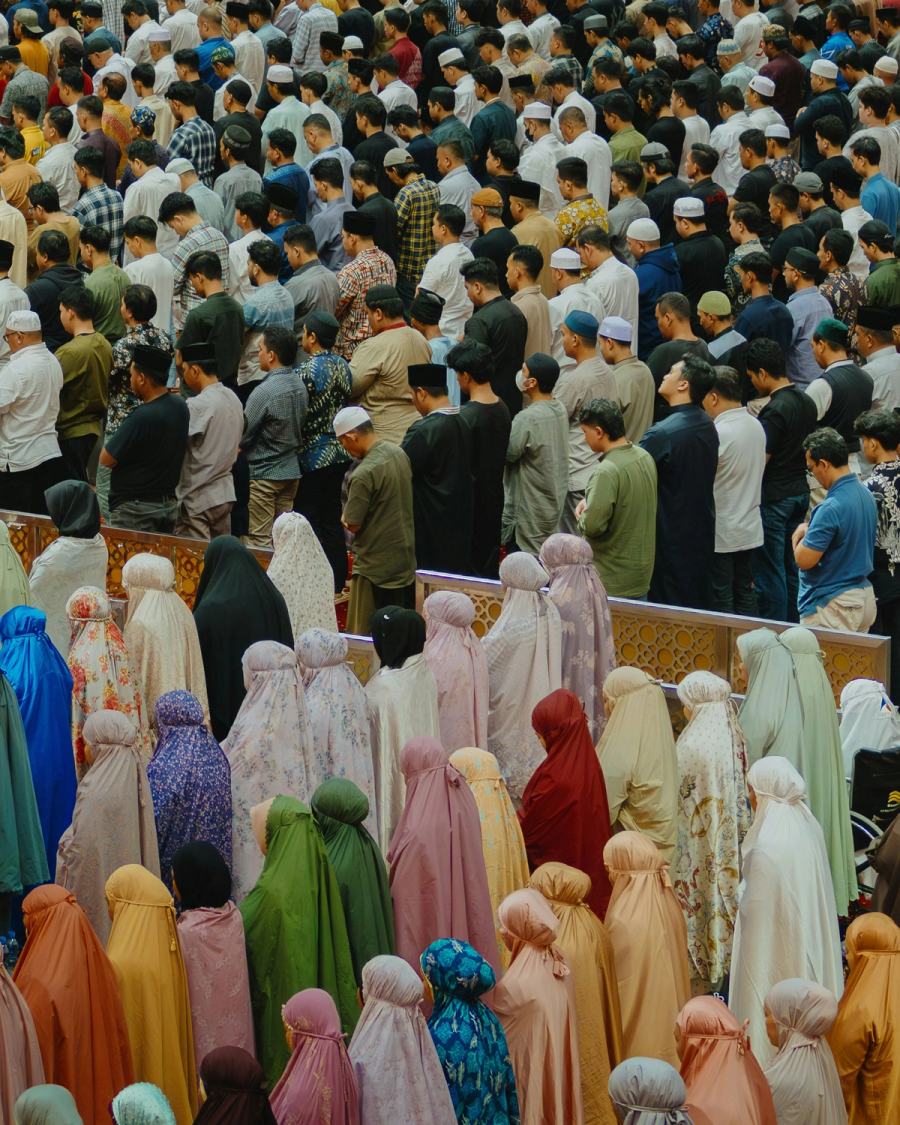
Photographer Mohamed Gabobe captured the city’s lively enjoyment of the Islamic festival away from the conflict and drought endured by much of Somalia
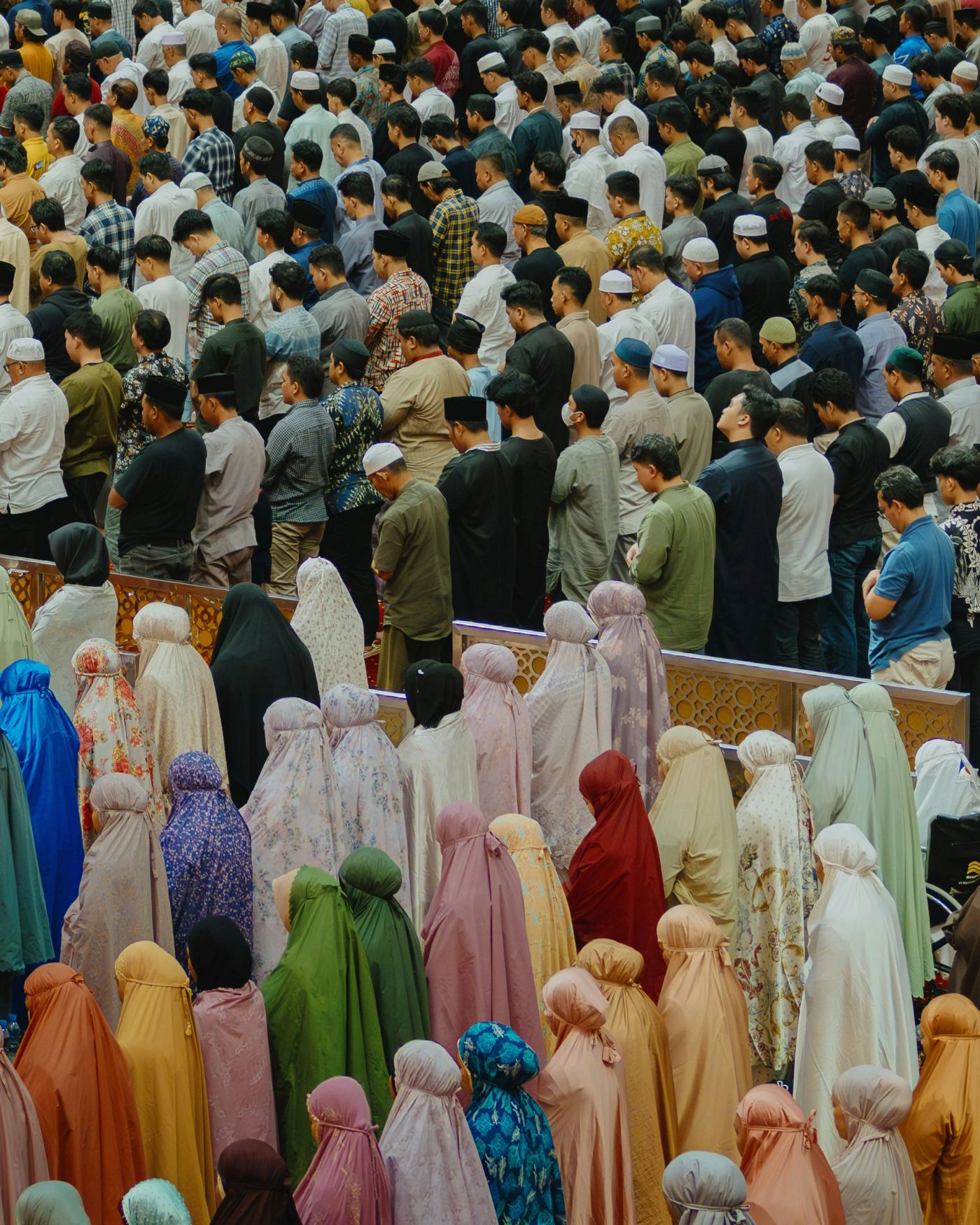
These joyful Eid celebrations in Mogadishu showcase Somalia's resilience and the enduring power of cultural and religious traditions to provide unity amid adversity. The contrast between festive normalcy in the capital and ongoing challenges elsewhere highlights how African cities can serve as beacons of hope and community strength during turbulent times.
Resilience in the Face of Adversity: Mogadishu's Eid Celebrations Reflect Africa's Enduring Spirit
The vibrant Eid celebrations captured in Mohamed Gabobe's photographs from Mogadishu offer a powerful counter-narrative to the dominant Western media portrayal of Somalia as a nation defined solely by conflict and crisis. These images of joy, community, and religious observance illuminate a fundamental truth about African societies: that life, culture, and celebration persist even in the most challenging circumstances. For too long, the international community has viewed Somalia through a singular lens of dysfunction, overlooking the rich cultural traditions and social bonds that continue to bind communities together despite decades of instability.
The contrast between these festive scenes and the ongoing challenges facing much of Somalia speaks to a broader African experience of resilience that deserves recognition and understanding. Across the continent, from the markets of Lagos to the streets of Kinshasa, communities have consistently demonstrated an remarkable ability to maintain cultural practices and social cohesion while navigating political upheaval, economic hardship, and environmental challenges. Mogadishu's Eid celebrations are not an aberration but rather part of a continental pattern of cultural persistence that reflects the deep social foundations upon which African societies are built.
What Gabobe's work reveals is the agency of Somali people in defining their own narrative and experience. While international observers often focus on Somalia's security challenges and humanitarian crises, these photographs remind us that Somalis, like all Africans, are not passive victims but active participants in shaping their communities and maintaining their cultural identity. The ability to celebrate Eid with such evident joy in Mogadishu represents a form of resistance against the forces that would reduce Somalia to statistics of violence and poverty.
This celebration also highlights the importance of Islamic culture as a unifying force across much of the African continent. From Senegal to Somalia, from Mali to Zanzibar, Islamic traditions provide shared cultural touchstones that transcend national boundaries and create connections across the vast African diaspora. The Eid celebrations in Mogadishu are part of a continental tapestry of Islamic practice that has been woven into African societies for over a millennium, creating hybrid cultures that are distinctly African while maintaining connections to the broader Islamic world.
The photographer's decision to document these moments of normalcy and joy serves as a crucial reminder that African stories deserve to be told in their full complexity. Too often, Western media coverage of Africa focuses exclusively on crises, conflicts, and failures, creating a distorted picture that serves neither African interests nor global understanding. Gabobe's work contributes to a growing movement of African storytellers who are reclaiming the narrative about their own societies and presenting more nuanced, authentic portrayals of African life that acknowledge both challenges and triumphs, struggles and celebrations.
READ THE SOURCE REPORT FROM THE GUARDIAN →Enjoying Strata-AF™?
Sign in or sign up for a personalised feed and unlock Strata-AF™ Originals.