--:--LAGOS
CultureMusicFilmTechSportsPoliticsHealthFinanceReligionFashion
film
Iwe Ala Sets a Family Drama Inside Ojude Oba

A tailoring dynasty, legacy and betrayal, staged against the Ijebu festival.

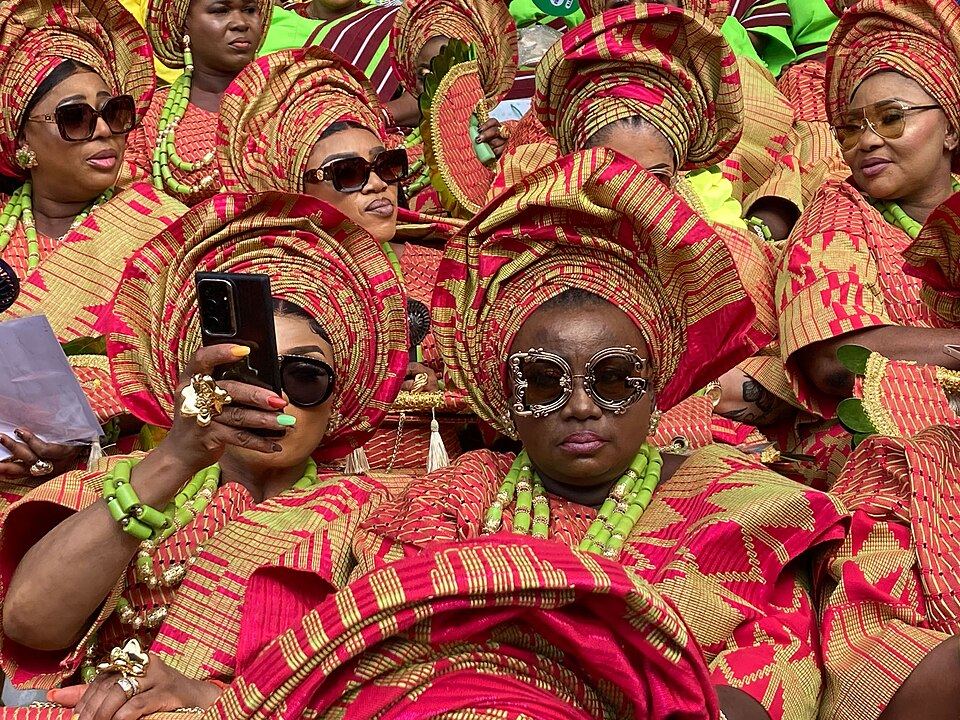
Set against the vibrant backdrop of the iconic Ijebu festival, the official trailer for the Nollywood film Iwe Ala (The Book of Dreams) has been released.
BellaNaija
Nigeria4 MIN
From the web · BellaNaija
Iwe Ala Sets a Family Drama Inside Ojude Oba
IMAGE · Billchinedu · CC BY-SA 4.0 · Wikimedia Commons
STRATA-AF™ ANGLEEDITORIAL SYNTHESIS BY STRATA-AF™

The film's celebration of Ojude Oba festival reflects Nollywood's growing sophistication in showcasing authentic African cultural narratives beyond Western-influenced storylines. This cultural authenticity combined with star power demonstrates how contemporary African cinema is finding commercial success by rooting stories in indigenous traditions and festivals.

The release of "Iwe Ala" represents more than just another Nollywood production; it signals a profound shift toward cultural authenticity in African cinema that deserves continental attention. By centering the narrative around the Ojude Oba festival, one of Yorubaland's most spectacular cultural celebrations, director Adeoluwa Owu has chosen to ground his storytelling in the rich soil of indigenous tradition rather than the borrowed aesthetics that have often characterized African films seeking international validation. This decision reflects a growing confidence among African filmmakers to mine their own cultural repositories for compelling narratives, understanding that local authenticity often translates to universal resonance.

The choice to frame a family drama around a tailoring dynasty is particularly astute, as it connects contemporary storytelling with the deep historical traditions of West African textile artistry. From the kente weavers of Ghana to the adire masters of Nigeria, the craft of fabric creation has long been a cornerstone of cultural identity and economic empowerment across the continent. By situating themes of legacy and betrayal within this context, "Iwe Ala" taps into narratives that resonate across African societies, where artisanal knowledge typically passes through family lines and where the preservation of traditional crafts often becomes a battleground between generations navigating modernity and tradition.

What makes this production particularly significant for Pan-African cinema is its demonstration of how local festivals and cultural practices can serve as compelling backdrops for universal human dramas. The Ojude Oba festival, with its magnificent display of horsemanship, traditional attire, and communal celebration, provides a visual feast that rivals any international film festival darling. This approach challenges the persistent notion that African stories must be stripped of their cultural specificity to achieve broader appeal, instead proving that the more deeply rooted a story is in its cultural soil, the more powerfully it can speak to audiences across different contexts.

The starring presence of established actors like Mercy Aigbe and Eniola Ajao alongside emerging talents suggests a strategic approach to balancing commercial viability with artistic integrity. This casting strategy reflects the maturation of Nollywood as an industry that can support both star-driven narratives and culturally grounded storytelling without compromising either element. For Pan-African cinema, this represents a crucial development, the ability to create productions that satisfy local audiences while building the kind of star power and production values that can compete in continental and global markets.

The timing of this release coincides with a broader renaissance in African cultural expression, from the global success of Afrobeats to the increasing international recognition of African fashion and art. "Iwe Ala" positions itself within this cultural moment, suggesting that African filmmakers are increasingly confident in their ability to create content that celebrates rather than explains their heritage. This shift from anthropological to artistic representation marks a crucial evolution in how African stories are told and consumed, both within the continent and beyond.

Perhaps most importantly, "Iwe Ala" exemplifies the potential for African cinema to serve as a vehicle for cultural preservation and transmission. In an era where globalization threatens to homogenize cultural expression, films like this function as dynamic archives, capturing not just the visual spectacle of festivals like Ojude Oba but the social dynamics, family structures, and value systems that animate these celebrations. For diaspora audiences and younger generations who may be disconnected from these traditions, such films become bridges to ancestral knowledge and cultural identity.

The success or failure of "Iwe Ala" will serve as an important barometer for the viability of culturally grounded African cinema in contemporary markets. If it succeeds, it will likely inspire other filmmakers across the continent to delve deeper into their own cultural traditions for storytelling material, potentially sparking a renaissance of authentically African narratives that speak to continental and global audiences alike. The film thus represents both an artistic statement and a commercial experiment whose outcomes could influence the trajectory of African cinema for years to come.

READ THE SOURCE REPORT FROM BELLANAIJA

Enjoying Strata-AF™?

Sign in or sign up for a personalised feed and unlock Strata-AF™ Originals.

SIGN IN / SIGN UP
READ NEXT
African Films Claim 3 Major Prizes at Cannes 2026 as Continental Cinema Breaks Through
FILMSTRATA-AF™ ORIGINAL
African Films Claim 3 Major Prizes at Cannes 2026 as Continental Cinema Breaks Through
2 MINREAD →
Durban International Film Festival Unveils 24 Short Films for 2026 Competition
FILMAfrocritik
Durban International Film Festival Unveils 24 Short Films for 2026 Competition
Durban, South Africa3 MINREAD →
--:--LAGOS
STRATA-AF™
ISSUE 001FEED◎ SEARCHSUBSCRIBE
/shows/data/docs
film
Iwe Ala Sets a Family Drama Inside Ojude Oba
IMAGE · Billchinedu · CC BY-SA 4.0 · Wikimedia Commons
Iwe Ala Sets a Family Drama Inside Ojude Oba

A tailoring dynasty, legacy and betrayal, staged against the Ijebu festival.

Set against the vibrant backdrop of the iconic Ijebu festival, the official trailer for the Nollywood film Iwe Ala (The Book of Dreams) has been released.

BellaNaija
Nigeria4 MIN READ
From the web · BellaNaija
STRATA-AF™ ANGLEEDITORIAL SYNTHESIS BY STRATA-AF™

The film's celebration of Ojude Oba festival reflects Nollywood's growing sophistication in showcasing authentic African cultural narratives beyond Western-influenced storylines. This cultural authenticity combined with star power demonstrates how contemporary African cinema is finding commercial success by rooting stories in indigenous traditions and festivals.

The release of "Iwe Ala" represents more than just another Nollywood production; it signals a profound shift toward cultural authenticity in African cinema that deserves continental attention. By centering the narrative around the Ojude Oba festival, one of Yorubaland's most spectacular cultural celebrations, director Adeoluwa Owu has chosen to ground his storytelling in the rich soil of indigenous tradition rather than the borrowed aesthetics that have often characterized African films seeking international validation. This decision reflects a growing confidence among African filmmakers to mine their own cultural repositories for compelling narratives, understanding that local authenticity often translates to universal resonance.

The choice to frame a family drama around a tailoring dynasty is particularly astute, as it connects contemporary storytelling with the deep historical traditions of West African textile artistry. From the kente weavers of Ghana to the adire masters of Nigeria, the craft of fabric creation has long been a cornerstone of cultural identity and economic empowerment across the continent. By situating themes of legacy and betrayal within this context, "Iwe Ala" taps into narratives that resonate across African societies, where artisanal knowledge typically passes through family lines and where the preservation of traditional crafts often becomes a battleground between generations navigating modernity and tradition.

What makes this production particularly significant for Pan-African cinema is its demonstration of how local festivals and cultural practices can serve as compelling backdrops for universal human dramas. The Ojude Oba festival, with its magnificent display of horsemanship, traditional attire, and communal celebration, provides a visual feast that rivals any international film festival darling. This approach challenges the persistent notion that African stories must be stripped of their cultural specificity to achieve broader appeal, instead proving that the more deeply rooted a story is in its cultural soil, the more powerfully it can speak to audiences across different contexts.

The starring presence of established actors like Mercy Aigbe and Eniola Ajao alongside emerging talents suggests a strategic approach to balancing commercial viability with artistic integrity. This casting strategy reflects the maturation of Nollywood as an industry that can support both star-driven narratives and culturally grounded storytelling without compromising either element. For Pan-African cinema, this represents a crucial development, the ability to create productions that satisfy local audiences while building the kind of star power and production values that can compete in continental and global markets.

The timing of this release coincides with a broader renaissance in African cultural expression, from the global success of Afrobeats to the increasing international recognition of African fashion and art. "Iwe Ala" positions itself within this cultural moment, suggesting that African filmmakers are increasingly confident in their ability to create content that celebrates rather than explains their heritage. This shift from anthropological to artistic representation marks a crucial evolution in how African stories are told and consumed, both within the continent and beyond.

Perhaps most importantly, "Iwe Ala" exemplifies the potential for African cinema to serve as a vehicle for cultural preservation and transmission. In an era where globalization threatens to homogenize cultural expression, films like this function as dynamic archives, capturing not just the visual spectacle of festivals like Ojude Oba but the social dynamics, family structures, and value systems that animate these celebrations. For diaspora audiences and younger generations who may be disconnected from these traditions, such films become bridges to ancestral knowledge and cultural identity.

The success or failure of "Iwe Ala" will serve as an important barometer for the viability of culturally grounded African cinema in contemporary markets. If it succeeds, it will likely inspire other filmmakers across the continent to delve deeper into their own cultural traditions for storytelling material, potentially sparking a renaissance of authentically African narratives that speak to continental and global audiences alike. The film thus represents both an artistic statement and a commercial experiment whose outcomes could influence the trajectory of African cinema for years to come.

READ THE SOURCE REPORT FROM BELLANAIJA

Enjoying Strata-AF™?

Sign in or sign up for a personalised feed and unlock Strata-AF™ Originals.

SIGN IN / SIGN UP
VERTICAL
film
ORIGIN
Nigeria
READ NEXT2 PIECES SELECTED BY OUR EDITORS
FILM
African Films Claim 3 Major Prizes at Cannes 2026 as Continental Cinema Breaks Through
Two African productions swept key awards at this year's festival, signaling a shift in how the global film industry recognizes continental storytelling.
2 MINREAD →
FILM
Durban International Film Festival Unveils 24 Short Films for 2026 Competition
The 47th Durban International Film Festival has announced its official selection of 24 short films competing for Best Short Film and Best South African Short Film awards. The selection includes both Oscar-qualifying and regional recognition categories.
Durban, South Africa3 MINREAD →
CULTURE · MUSIC · FILM · TECH · SPORT · POLITICS · HEALTH · FINANCE · RELIGION · FASHION · LAGOS · NAIROBI · JOBURG · ACCRA · DATA JOURNALISM · ORIGINAL REPORTING · THE ACTUAL VERSION ·CULTURE · MUSIC · FILM · TECH · SPORT · POLITICS · HEALTH · FINANCE · RELIGION · FASHION · LAGOS · NAIROBI · JOBURG · ACCRA · DATA JOURNALISM · ORIGINAL REPORTING · THE ACTUAL VERSION ·
Premium editorial for a continent that's done waiting to be covered.

Not the export-market version. Not the diaspora version. The actual version — written by the people who live there.

Verticals
CultureMusicFilmTechSportsPolitics
HUBS
Strata-AF OriginalsDataDocsNewsletterArchiveShows
Company
AboutMissionManifestoLegal
REACH
10VERTICALS
6CONTENT TYPES
5CITIES
1STANDARD
© 2026 STRATA-AF™ · STRATA PUBLISHING CO LTD · LAGOS · JOBURG · NAIROBI · ACCRAPRIVACYTERMSCORRECTIONSMASTHEAD
 
 
--:--LAGOS
CultureMusicFilmTechSportsPoliticsHealthFinanceReligionFashion
Highlights
Strata-AF
Editor's Pick
From the web
SPORTSSTRATA-AF™STRATA-AF™ ORIGINAL
WAFCON 2026 Proved African Women's Football Is Ready. The Clubs Aren't.
2 MINREAD →
POLITICSSTRATA-AF™★ EDITOR'S PICK
The Lagos Cancellation Is Not About Tyla Really, Or Is It ?
Pan-African2 MINREAD →
MUSICSTRATA-AF™★ EDITOR'S PICK
Blood, Beats & Betrayal: How Family Killed P-Square
Nigeria2 MINREAD →
MUSICBY THE NUMBERSSTRATA-AF™ ORIGINAL
Where African Artists Earn, Lose, and Get Erased on Stream
Pan-African2 MINREAD →
HEALTHSTRATA-AF™★ EDITOR'S PICK
Uganda Held the Line on Ebola. Here's the Playbook Congo Needs Now
DR Congo2 MINREAD →
MUSICSTRATA-AF™STRATA-AF™ ORIGINAL
Music Is Starving in Sudan: How the RSF Silenced a Generation of Artists
Sudan2 MINREAD →
CULTURESTRATA-AF™★ EDITOR'S PICK
How BBNaija Rewired Nigerian Television And Everything Around It
Lagos, Pan-African2 MINREAD →
FASHIONSTRATA-AF™★ EDITOR'S PICK
Lagos Fashion Week's Green Push Is Either Africa's Best Bet or Its Greenest Greenwash
Pan-African2 MINREAD →
CULTURESTRATA-AF™★ EDITOR'S PICK
Dakar 2026 Is Africa's Olympic Moment
Senegal2 MINREAD →
SPORTSFROM THE WEB★ EDITOR'S PICK
Senegal set to make Olympic history with Dakar 2026 Youth Games
Dakar 2026 breaks a hosting monopoly that has excluded Africa from Olympic stewardship for over a century — the question is what institutional and economic legacy Senegal can extract from the moment.
Senegal1 MIN · Africanews · 25 JULREAD →
See all stories

The actual version — written by the people who live there.

10VERTICALS
6TYPES
5CITIES
1STANDARD
AboutMissionManifestoLegalOriginalsSubscribeArchiveShowsContributorsJobs
© 2026 STRATA-AF™ · STRATA PUBLISHING CO LTD · LAGOS · NAIROBI · JOBURG · ACCRA
 
 
--:--LAGOS
CultureMusicFilmTechSportsPoliticsHealthFinanceReligionFashion
film
Iwe Ala Sets a Family Drama Inside Ojude Oba

A tailoring dynasty, legacy and betrayal, staged against the Ijebu festival.

Set against the vibrant backdrop of the iconic Ijebu festival, the official trailer for the Nollywood film Iwe Ala (The Book of Dreams) has been released.

BellaNaija
Nigeria4 MIN
From the web · BellaNaija
Iwe Ala Sets a Family Drama Inside Ojude Oba
STRATA-AF™ ANGLEEDITORIAL SYNTHESIS BY STRATA-AF™

The film's celebration of Ojude Oba festival reflects Nollywood's growing sophistication in showcasing authentic African cultural narratives beyond Western-influenced storylines. This cultural authenticity combined with star power demonstrates how contemporary African cinema is finding commercial success by rooting stories in indigenous traditions and festivals.

The release of "Iwe Ala" represents more than just another Nollywood production; it signals a profound shift toward cultural authenticity in African cinema that deserves continental attention. By centering the narrative around the Ojude Oba festival, one of Yorubaland's most spectacular cultural celebrations, director Adeoluwa Owu has chosen to ground his storytelling in the rich soil of indigenous tradition rather than the borrowed aesthetics that have often characterized African films seeking international validation. This decision reflects a growing confidence among African filmmakers to mine their own cultural repositories for compelling narratives, understanding that local authenticity often translates to universal resonance.

The choice to frame a family drama around a tailoring dynasty is particularly astute, as it connects contemporary storytelling with the deep historical traditions of West African textile artistry. From the kente weavers of Ghana to the adire masters of Nigeria, the craft of fabric creation has long been a cornerstone of cultural identity and economic empowerment across the continent. By situating themes of legacy and betrayal within this context, "Iwe Ala" taps into narratives that resonate across African societies, where artisanal knowledge typically passes through family lines and where the preservation of traditional crafts often becomes a battleground between generations navigating modernity and tradition.

What makes this production particularly significant for Pan-African cinema is its demonstration of how local festivals and cultural practices can serve as compelling backdrops for universal human dramas. The Ojude Oba festival, with its magnificent display of horsemanship, traditional attire, and communal celebration, provides a visual feast that rivals any international film festival darling. This approach challenges the persistent notion that African stories must be stripped of their cultural specificity to achieve broader appeal, instead proving that the more deeply rooted a story is in its cultural soil, the more powerfully it can speak to audiences across different contexts.

The starring presence of established actors like Mercy Aigbe and Eniola Ajao alongside emerging talents suggests a strategic approach to balancing commercial viability with artistic integrity. This casting strategy reflects the maturation of Nollywood as an industry that can support both star-driven narratives and culturally grounded storytelling without compromising either element. For Pan-African cinema, this represents a crucial development, the ability to create productions that satisfy local audiences while building the kind of star power and production values that can compete in continental and global markets.

The timing of this release coincides with a broader renaissance in African cultural expression, from the global success of Afrobeats to the increasing international recognition of African fashion and art. "Iwe Ala" positions itself within this cultural moment, suggesting that African filmmakers are increasingly confident in their ability to create content that celebrates rather than explains their heritage. This shift from anthropological to artistic representation marks a crucial evolution in how African stories are told and consumed, both within the continent and beyond.

Perhaps most importantly, "Iwe Ala" exemplifies the potential for African cinema to serve as a vehicle for cultural preservation and transmission. In an era where globalization threatens to homogenize cultural expression, films like this function as dynamic archives, capturing not just the visual spectacle of festivals like Ojude Oba but the social dynamics, family structures, and value systems that animate these celebrations. For diaspora audiences and younger generations who may be disconnected from these traditions, such films become bridges to ancestral knowledge and cultural identity.

The success or failure of "Iwe Ala" will serve as an important barometer for the viability of culturally grounded African cinema in contemporary markets. If it succeeds, it will likely inspire other filmmakers across the continent to delve deeper into their own cultural traditions for storytelling material, potentially sparking a renaissance of authentically African narratives that speak to continental and global audiences alike. The film thus represents both an artistic statement and a commercial experiment whose outcomes could influence the trajectory of African cinema for years to come.

READ THE SOURCE REPORT FROM BELLANAIJA

Enjoying Strata-AF™?

Sign in or sign up for a personalised feed and unlock Strata-AF™ Originals.

SIGN IN / SIGN UP
READ NEXT
--:--LAGOS
/shows/data/docs
film
Iwe Ala Sets a Family Drama Inside Ojude Oba
IMAGE · Billchinedu · CC BY-SA 4.0 · Wikimedia Commons
Iwe Ala Sets a Family Drama Inside Ojude Oba

A tailoring dynasty, legacy and betrayal, staged against the Ijebu festival.

Set against the vibrant backdrop of the iconic Ijebu festival, the official trailer for the Nollywood film Iwe Ala (The Book of Dreams) has been released.

BellaNaija
Nigeria4 MIN READ
From the web · BellaNaija
STRATA-AF™ ANGLEEDITORIAL SYNTHESIS BY STRATA-AF™

The film's celebration of Ojude Oba festival reflects Nollywood's growing sophistication in showcasing authentic African cultural narratives beyond Western-influenced storylines. This cultural authenticity combined with star power demonstrates how contemporary African cinema is finding commercial success by rooting stories in indigenous traditions and festivals.

The release of "Iwe Ala" represents more than just another Nollywood production; it signals a profound shift toward cultural authenticity in African cinema that deserves continental attention. By centering the narrative around the Ojude Oba festival, one of Yorubaland's most spectacular cultural celebrations, director Adeoluwa Owu has chosen to ground his storytelling in the rich soil of indigenous tradition rather than the borrowed aesthetics that have often characterized African films seeking international validation. This decision reflects a growing confidence among African filmmakers to mine their own cultural repositories for compelling narratives, understanding that local authenticity often translates to universal resonance.

The choice to frame a family drama around a tailoring dynasty is particularly astute, as it connects contemporary storytelling with the deep historical traditions of West African textile artistry. From the kente weavers of Ghana to the adire masters of Nigeria, the craft of fabric creation has long been a cornerstone of cultural identity and economic empowerment across the continent. By situating themes of legacy and betrayal within this context, "Iwe Ala" taps into narratives that resonate across African societies, where artisanal knowledge typically passes through family lines and where the preservation of traditional crafts often becomes a battleground between generations navigating modernity and tradition.

What makes this production particularly significant for Pan-African cinema is its demonstration of how local festivals and cultural practices can serve as compelling backdrops for universal human dramas. The Ojude Oba festival, with its magnificent display of horsemanship, traditional attire, and communal celebration, provides a visual feast that rivals any international film festival darling. This approach challenges the persistent notion that African stories must be stripped of their cultural specificity to achieve broader appeal, instead proving that the more deeply rooted a story is in its cultural soil, the more powerfully it can speak to audiences across different contexts.

The starring presence of established actors like Mercy Aigbe and Eniola Ajao alongside emerging talents suggests a strategic approach to balancing commercial viability with artistic integrity. This casting strategy reflects the maturation of Nollywood as an industry that can support both star-driven narratives and culturally grounded storytelling without compromising either element. For Pan-African cinema, this represents a crucial development, the ability to create productions that satisfy local audiences while building the kind of star power and production values that can compete in continental and global markets.

The timing of this release coincides with a broader renaissance in African cultural expression, from the global success of Afrobeats to the increasing international recognition of African fashion and art. "Iwe Ala" positions itself within this cultural moment, suggesting that African filmmakers are increasingly confident in their ability to create content that celebrates rather than explains their heritage. This shift from anthropological to artistic representation marks a crucial evolution in how African stories are told and consumed, both within the continent and beyond.

Perhaps most importantly, "Iwe Ala" exemplifies the potential for African cinema to serve as a vehicle for cultural preservation and transmission. In an era where globalization threatens to homogenize cultural expression, films like this function as dynamic archives, capturing not just the visual spectacle of festivals like Ojude Oba but the social dynamics, family structures, and value systems that animate these celebrations. For diaspora audiences and younger generations who may be disconnected from these traditions, such films become bridges to ancestral knowledge and cultural identity.

The success or failure of "Iwe Ala" will serve as an important barometer for the viability of culturally grounded African cinema in contemporary markets. If it succeeds, it will likely inspire other filmmakers across the continent to delve deeper into their own cultural traditions for storytelling material, potentially sparking a renaissance of authentically African narratives that speak to continental and global audiences alike. The film thus represents both an artistic statement and a commercial experiment whose outcomes could influence the trajectory of African cinema for years to come.

READ THE SOURCE REPORT FROM BELLANAIJA

Enjoying Strata-AF™?

Sign in or sign up for a personalised feed and unlock Strata-AF™ Originals.

SIGN IN / SIGN UP
VERTICAL
film
ORIGIN
Nigeria
READ NEXT2 PIECES SELECTED BY OUR EDITORS
CULTURE · MUSIC · FILM · TECH · SPORT · POLITICS · HEALTH · FINANCE · RELIGION · FASHION · LAGOS · NAIROBI · JOBURG · ACCRA · DATA JOURNALISM · ORIGINAL REPORTING · THE ACTUAL VERSION ·CULTURE · MUSIC · FILM · TECH · SPORT · POLITICS · HEALTH · FINANCE · RELIGION · FASHION · LAGOS · NAIROBI · JOBURG · ACCRA · DATA JOURNALISM · ORIGINAL REPORTING · THE ACTUAL VERSION ·
Premium editorial for a continent that's done waiting to be covered.

Not the export-market version. Not the diaspora version. The actual version — written by the people who live there.

Verticals
CultureMusicFilmTechSportsPolitics
HUBS
Strata-AF OriginalsDataDocsNewsletterArchiveShows
Company
AboutMissionManifestoLegal
REACH
10VERTICALS
6CONTENT TYPES
5CITIES
1STANDARD
© 2026 STRATA-AF™ · STRATA PUBLISHING CO LTD · LAGOS · JOBURG · NAIROBI · ACCRAPRIVACYTERMSCORRECTIONSMASTHEAD