The 47th Durban International Film Festival has announced its official selection of 24 short films competing for Best Short Film and Best South African Short Film awards. The selection includes both Oscar-qualifying and regional recognition categories.

Durban's strong short film selection signals the festival's growing influence as a launching pad for African filmmakers seeking international recognition. The inclusion of Oscar-qualifying categories demonstrates how continental festivals are increasingly positioning themselves as serious gateways to global cinema markets.
The Durban International Film Festival's announcement of its 2026 short film competition lineup represents more than just a cultural event. It signals the continued evolution of African cinema on the global stage. With 24 films competing across two prestigious categories, including an Oscar-qualifying award, DIFF continues to serve as a crucial gateway for African filmmakers seeking international recognition and validation.
The inclusion of both a general Best Short Film category and a dedicated Best South African Short Film Award reflects the festival's dual mandate: promoting local talent while maintaining global competitiveness. This structure acknowledges the unique challenges facing South African and broader African filmmakers, who often struggle with limited resources and distribution networks compared to their international counterparts. By creating parallel pathways for recognition, DIFF provides both aspirational targets and achievable milestones for emerging talent.
The Oscar-qualifying status of the festival's top award cannot be understated in its significance for African cinema. Historically, African films have been underrepresented in Academy Award categories, with systemic barriers including limited distribution, language preferences, and cultural biases affecting recognition. DIFF's Oscar-qualifying platform offers African filmmakers a legitimate pathway to Hollywood's most prestigious awards, potentially opening doors that have remained largely closed to the continent's creative voices.
Short films occupy a unique position in the African cinematic landscape, often serving as training grounds for directors who lack access to feature film funding. The format allows for experimentation with narrative techniques, cultural themes, and social commentary that might be considered too risky for larger productions. In many African contexts, short films also serve as vehicles for addressing pressing social issues, from political corruption to gender-based violence. That might face censorship in longer formats.
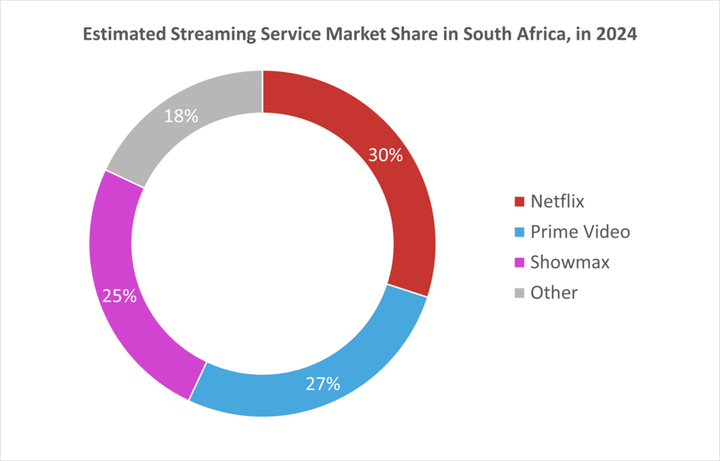
The 47th edition of DIFF arrives at a critical moment for African cinema, as streaming platforms and digital distribution channels create new opportunities for content creators across the continent. However, festivals like DIFF remain essential for providing curatorial expertise, industry networking, and the cultural legitimacy that comes with juried recognition. The festival's longevity, nearly five decades, speaks to its role as a cornerstone institution in African film culture.
Looking ahead, the success of these 24 selected films will likely influence programming decisions at other African festivals and shape international perceptions of the continent's cinematic output. The competition represents not just individual artistic achievements, but a collective statement about the vitality and diversity of contemporary African storytelling, positioning South African cinema as a regional leader while contributing to the broader global conversation about film as both art and cultural diplomacy.
READ THE SOURCE REPORT FROM AFROCRITIK →Enjoying Strata-AF™?
Sign in or sign up for a personalised feed and unlock Strata-AF™ Originals.