--:--LAGOS
CultureMusicFilmTechSportsPoliticsHealthFinanceReligionFashion
finance
An Oil Windfall Is the Worst Moment to Fund a Transition

Hormuz spikes hand Abuja the money and remove the urgency to spend it on diversification.

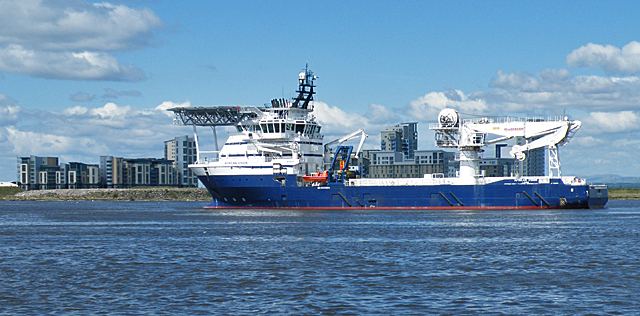
The outbreak of war between the United States and Iran in early 2026 sent tremors through global energy markets.
BudgIT
Nigeria2 MIN · 17 JUNE 2026
From the web · BudgIT
An Oil Windfall Is the Worst Moment to Fund a Transition
IMAGE · Wikimedia Commons
STRATA-AF™ ANGLEEDITORIAL SYNTHESIS BY STRATA-AF™

Nigeria's transition financing keeps running into the same trap: geopolitical oil-price spikes generate exactly the windfall revenue that makes diversification look less urgent in the moment it's most needed. Whether this Gulf shock funds transition infrastructure or just plugs next year's budget gap will say a lot about Abuja's actual time horizon.

Nigeria's energy transition conversation has always had to contend with a domestic contradiction: a major oil-producing economy attempting to plan for a post-fossil-fuel future while still depending heavily on petroleum revenue for budget financing. The US-Iran war adds a new and immediate variable to that calculus, since Gulf-linked supply disruption risk historically pushes oil prices upward in ways that simultaneously boost Nigeria's short-term export revenue and undercut the long-term economic logic for accelerating transition investment.

This is the structural bind facing most African oil and gas economies during periods of geopolitical energy shock: windfall revenue from price spikes creates exactly the wrong fiscal incentive at exactly the moment when energy security arguments for diversification are strongest. Nigeria's renewable energy and gas-to-power investment pipeline has historically struggled against this same gravitational pull toward whatever generates revenue fastest.

Whether external shocks like a Gulf conflict ultimately accelerate or delay Nigeria's transition planning depends on whether policymakers treat the windfall as a one-off financing opportunity for transition infrastructure, or simply bank it as fiscal relief and defer the harder structural choices for the next budget cycle.

READ THE SOURCE REPORT FROM BUDGIT

Enjoying Strata-AF™?

Sign in or sign up for a personalised feed and unlock Strata-AF™ Originals.

SIGN IN / SIGN UP
READ NEXT
Africa's Quiet Fight to Own Its Own Numbers
FINANCESTRATA-AF™ ORIGINAL
Africa's Quiet Fight to Own Its Own Numbers
Pan-African5 MINREAD →
IMF's new Africa chief warns of Middle East conflict fallout, sees bright future for Africa
FINANCEAfricanews
IMF's new Africa chief warns of Middle East conflict fallout, sees bright future for Africa
Pan-African2 MINREAD →
--:--LAGOS
STRATA-AF™
ISSUE 001FEED◎ SEARCHSUBSCRIBE
/shows/data/docs
finance
An Oil Windfall Is the Worst Moment to Fund a Transition
IMAGE · Wikimedia Commons
An Oil Windfall Is the Worst Moment to Fund a Transition

Hormuz spikes hand Abuja the money and remove the urgency to spend it on diversification.

The outbreak of war between the United States and Iran in early 2026 sent tremors through global energy markets.

BudgIT
Nigeria2 MIN READ · 17 JUNE 2026
From the web · BudgIT
STRATA-AF™ ANGLEEDITORIAL SYNTHESIS BY STRATA-AF™

Nigeria's transition financing keeps running into the same trap: geopolitical oil-price spikes generate exactly the windfall revenue that makes diversification look less urgent in the moment it's most needed. Whether this Gulf shock funds transition infrastructure or just plugs next year's budget gap will say a lot about Abuja's actual time horizon.

Nigeria's energy transition conversation has always had to contend with a domestic contradiction: a major oil-producing economy attempting to plan for a post-fossil-fuel future while still depending heavily on petroleum revenue for budget financing. The US-Iran war adds a new and immediate variable to that calculus, since Gulf-linked supply disruption risk historically pushes oil prices upward in ways that simultaneously boost Nigeria's short-term export revenue and undercut the long-term economic logic for accelerating transition investment.

This is the structural bind facing most African oil and gas economies during periods of geopolitical energy shock: windfall revenue from price spikes creates exactly the wrong fiscal incentive at exactly the moment when energy security arguments for diversification are strongest. Nigeria's renewable energy and gas-to-power investment pipeline has historically struggled against this same gravitational pull toward whatever generates revenue fastest.

Whether external shocks like a Gulf conflict ultimately accelerate or delay Nigeria's transition planning depends on whether policymakers treat the windfall as a one-off financing opportunity for transition infrastructure, or simply bank it as fiscal relief and defer the harder structural choices for the next budget cycle.

READ THE SOURCE REPORT FROM BUDGIT

Enjoying Strata-AF™?

Sign in or sign up for a personalised feed and unlock Strata-AF™ Originals.

SIGN IN / SIGN UP
VERTICAL
finance
ORIGIN
Nigeria
PUBLISHED
17 JUNE 2026
READ NEXT2 PIECES SELECTED BY OUR EDITORS
FINANCE
Africa's Quiet Fight to Own Its Own Numbers
From gold exports to streaming royalties, the continent's real economic story this week isn't growth; it's who gets to measure it.
Pan-African5 MINREAD →
FINANCE
IMF's new Africa chief warns of Middle East conflict fallout, sees bright future for Africa
The International Monetary Fund’s new Africa chief, Zeine Zeidane, says conflict in the Middle East is creating fresh economic challenges for sub-Saharan Africa, but insists the IMF remains committed to supporting countries under pressure.
Pan-African2 MINREAD →
CULTURE · MUSIC · FILM · TECH · SPORT · POLITICS · HEALTH · FINANCE · RELIGION · FASHION · LAGOS · NAIROBI · JOBURG · ACCRA · DATA JOURNALISM · ORIGINAL REPORTING · THE ACTUAL VERSION ·CULTURE · MUSIC · FILM · TECH · SPORT · POLITICS · HEALTH · FINANCE · RELIGION · FASHION · LAGOS · NAIROBI · JOBURG · ACCRA · DATA JOURNALISM · ORIGINAL REPORTING · THE ACTUAL VERSION ·
Premium editorial for a continent that's done waiting to be covered.

Not the export-market version. Not the diaspora version. The actual version — written by the people who live there.

Verticals
CultureMusicFilmTechSportsPolitics
HUBS
Strata-AF OriginalsDataDocsNewsletterArchiveShows
Company
AboutMissionManifestoLegal
REACH
10VERTICALS
6CONTENT TYPES
5CITIES
1STANDARD
© 2026 STRATA-AF™ · STRATA PUBLISHING CO LTD · LAGOS · JOBURG · NAIROBI · ACCRAPRIVACYTERMSCORRECTIONSMASTHEAD
 
 
--:--LAGOS
CultureMusicFilmTechSportsPoliticsHealthFinanceReligionFashion
Highlights
Strata-AF
Editor's Pick
From the web
SPORTSSTRATA-AF™STRATA-AF™ ORIGINAL
WAFCON 2026 Proved African Women's Football Is Ready. The Clubs Aren't.
2 MINREAD →
POLITICSSTRATA-AF™★ EDITOR'S PICK
The Lagos Cancellation Is Not About Tyla Really, Or Is It ?
Pan-African2 MINREAD →
MUSICSTRATA-AF™★ EDITOR'S PICK
Blood, Beats & Betrayal: How Family Killed P-Square
Nigeria2 MINREAD →
MUSICBY THE NUMBERSSTRATA-AF™ ORIGINAL
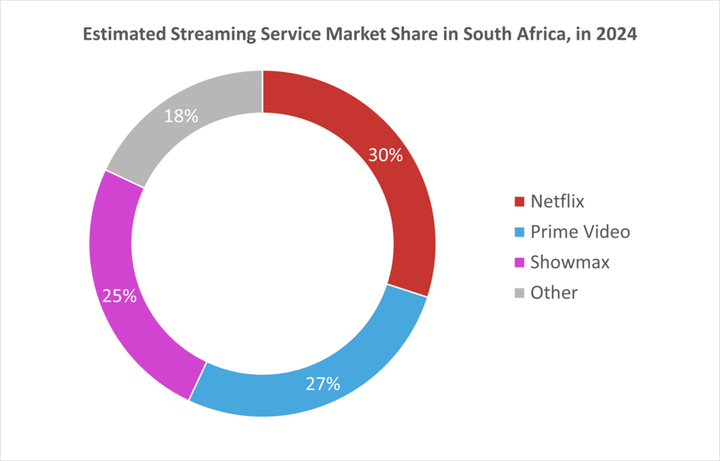
Where African Artists Earn, Lose, and Get Erased on Stream
Pan-African2 MINREAD →
HEALTHSTRATA-AF™★ EDITOR'S PICK
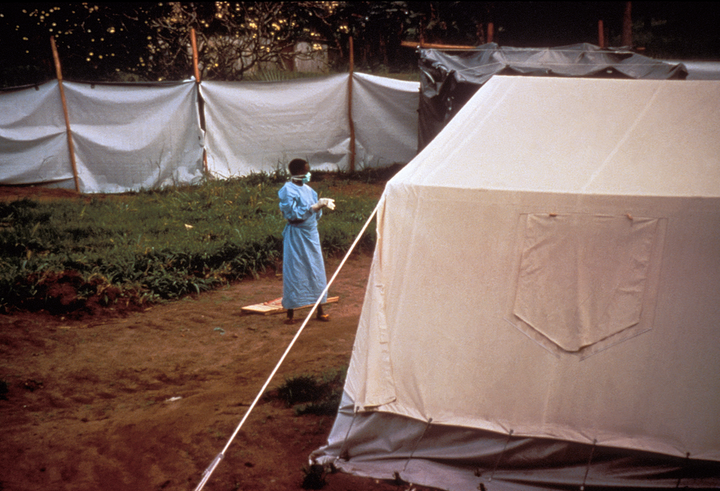
Uganda Held the Line on Ebola. Here's the Playbook Congo Needs Now
DR Congo2 MINREAD →
MUSICSTRATA-AF™STRATA-AF™ ORIGINAL
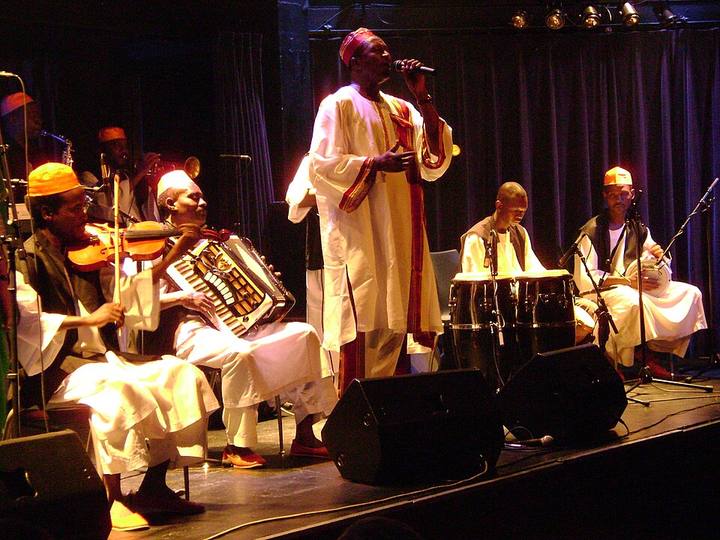
Music Is Starving in Sudan: How the RSF Silenced a Generation of Artists
Sudan2 MINREAD →
CULTURESTRATA-AF™★ EDITOR'S PICK
How BBNaija Rewired Nigerian Television And Everything Around It
Lagos, Pan-African2 MINREAD →
FASHIONSTRATA-AF™★ EDITOR'S PICK
Lagos Fashion Week's Green Push Is Either Africa's Best Bet or Its Greenest Greenwash
Pan-African2 MINREAD →
CULTURESTRATA-AF™★ EDITOR'S PICK
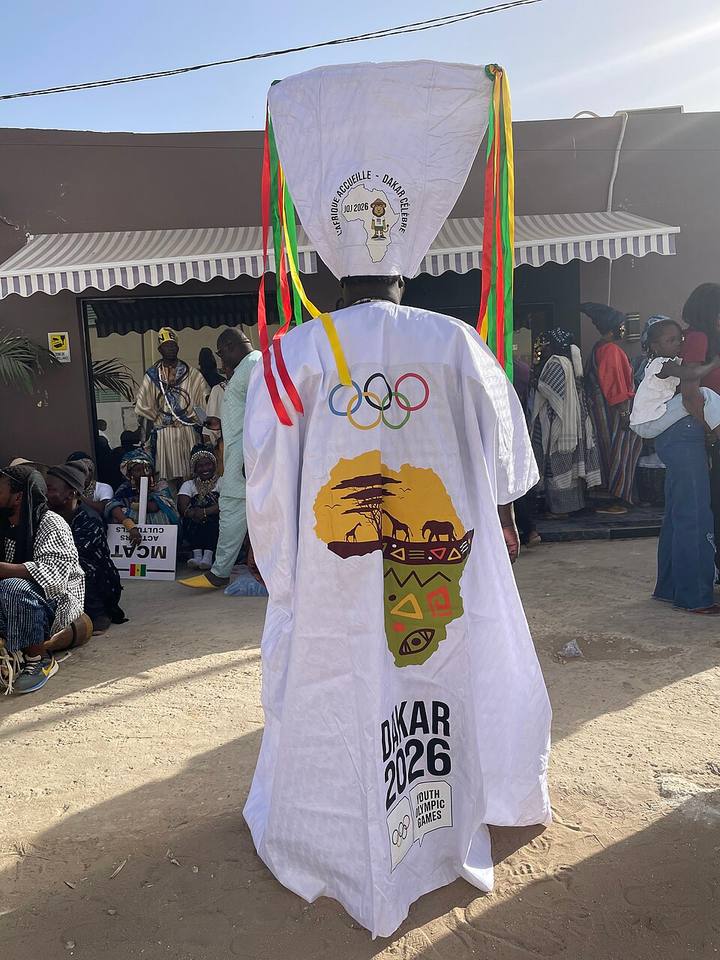
Dakar 2026 Is Africa's Olympic Moment
Senegal2 MINREAD →
SPORTSFROM THE WEB★ EDITOR'S PICK
Senegal set to make Olympic history with Dakar 2026 Youth Games
Dakar 2026 breaks a hosting monopoly that has excluded Africa from Olympic stewardship for over a century — the question is what institutional and economic legacy Senegal can extract from the moment.
Senegal1 MIN · Africanews · 25 JULREAD →
See all stories

The actual version — written by the people who live there.

10VERTICALS
6TYPES
5CITIES
1STANDARD
AboutMissionManifestoLegalOriginalsSubscribeArchiveShowsContributorsJobs
© 2026 STRATA-AF™ · STRATA PUBLISHING CO LTD · LAGOS · NAIROBI · JOBURG · ACCRA
 
 
--:--LAGOS
CultureMusicFilmTechSportsPoliticsHealthFinanceReligionFashion
finance
An Oil Windfall Is the Worst Moment to Fund a Transition

Hormuz spikes hand Abuja the money and remove the urgency to spend it on diversification.

The outbreak of war between the United States and Iran in early 2026 sent tremors through global energy markets.

BudgIT
Nigeria2 MIN · 17 JUNE 2026
From the web · BudgIT
An Oil Windfall Is the Worst Moment to Fund a Transition
STRATA-AF™ ANGLEEDITORIAL SYNTHESIS BY STRATA-AF™

Nigeria's transition financing keeps running into the same trap: geopolitical oil-price spikes generate exactly the windfall revenue that makes diversification look less urgent in the moment it's most needed. Whether this Gulf shock funds transition infrastructure or just plugs next year's budget gap will say a lot about Abuja's actual time horizon.

Nigeria's energy transition conversation has always had to contend with a domestic contradiction: a major oil-producing economy attempting to plan for a post-fossil-fuel future while still depending heavily on petroleum revenue for budget financing. The US-Iran war adds a new and immediate variable to that calculus, since Gulf-linked supply disruption risk historically pushes oil prices upward in ways that simultaneously boost Nigeria's short-term export revenue and undercut the long-term economic logic for accelerating transition investment.

This is the structural bind facing most African oil and gas economies during periods of geopolitical energy shock: windfall revenue from price spikes creates exactly the wrong fiscal incentive at exactly the moment when energy security arguments for diversification are strongest. Nigeria's renewable energy and gas-to-power investment pipeline has historically struggled against this same gravitational pull toward whatever generates revenue fastest.

Whether external shocks like a Gulf conflict ultimately accelerate or delay Nigeria's transition planning depends on whether policymakers treat the windfall as a one-off financing opportunity for transition infrastructure, or simply bank it as fiscal relief and defer the harder structural choices for the next budget cycle.

READ THE SOURCE REPORT FROM BUDGIT

Enjoying Strata-AF™?

Sign in or sign up for a personalised feed and unlock Strata-AF™ Originals.
SIGN IN / SIGN UP
READ NEXT
--:--LAGOS
/shows/data/docs
finance
An Oil Windfall Is the Worst Moment to Fund a Transition
IMAGE · Wikimedia Commons
An Oil Windfall Is the Worst Moment to Fund a Transition

Hormuz spikes hand Abuja the money and remove the urgency to spend it on diversification.

The outbreak of war between the United States and Iran in early 2026 sent tremors through global energy markets.

BudgIT
Nigeria2 MIN READ · 17 JUNE 2026
From the web · BudgIT
STRATA-AF™ ANGLEEDITORIAL SYNTHESIS BY STRATA-AF™

Nigeria's transition financing keeps running into the same trap: geopolitical oil-price spikes generate exactly the windfall revenue that makes diversification look less urgent in the moment it's most needed. Whether this Gulf shock funds transition infrastructure or just plugs next year's budget gap will say a lot about Abuja's actual time horizon.

Nigeria's energy transition conversation has always had to contend with a domestic contradiction: a major oil-producing economy attempting to plan for a post-fossil-fuel future while still depending heavily on petroleum revenue for budget financing. The US-Iran war adds a new and immediate variable to that calculus, since Gulf-linked supply disruption risk historically pushes oil prices upward in ways that simultaneously boost Nigeria's short-term export revenue and undercut the long-term economic logic for accelerating transition investment.

This is the structural bind facing most African oil and gas economies during periods of geopolitical energy shock: windfall revenue from price spikes creates exactly the wrong fiscal incentive at exactly the moment when energy security arguments for diversification are strongest. Nigeria's renewable energy and gas-to-power investment pipeline has historically struggled against this same gravitational pull toward whatever generates revenue fastest.

Whether external shocks like a Gulf conflict ultimately accelerate or delay Nigeria's transition planning depends on whether policymakers treat the windfall as a one-off financing opportunity for transition infrastructure, or simply bank it as fiscal relief and defer the harder structural choices for the next budget cycle.

READ THE SOURCE REPORT FROM BUDGIT

Enjoying Strata-AF™?

Sign in or sign up for a personalised feed and unlock Strata-AF™ Originals.

SIGN IN / SIGN UP
VERTICAL
finance
ORIGIN
Nigeria
PUBLISHED
17 JUNE 2026
READ NEXT2 PIECES SELECTED BY OUR EDITORS
CULTURE · MUSIC · FILM · TECH · SPORT · POLITICS · HEALTH · FINANCE · RELIGION · FASHION · LAGOS · NAIROBI · JOBURG · ACCRA · DATA JOURNALISM · ORIGINAL REPORTING · THE ACTUAL VERSION ·CULTURE · MUSIC · FILM · TECH · SPORT · POLITICS · HEALTH · FINANCE · RELIGION · FASHION · LAGOS · NAIROBI · JOBURG · ACCRA · DATA JOURNALISM · ORIGINAL REPORTING · THE ACTUAL VERSION ·
Premium editorial for a continent that's done waiting to be covered.

Not the export-market version. Not the diaspora version. The actual version — written by the people who live there.

Verticals
CultureMusicFilmTechSportsPolitics
HUBS
Strata-AF OriginalsDataDocsNewsletterArchiveShows
Company
AboutMissionManifestoLegal
REACH
10VERTICALS
6CONTENT TYPES
5CITIES
1STANDARD
© 2026 STRATA-AF™ · STRATA PUBLISHING CO LTD · LAGOS · JOBURG · NAIROBI · ACCRAPRIVACYTERMSCORRECTIONSMASTHEAD