--:--LAGOS
CultureMusicFilmTechSportsPoliticsHealthFinanceReligionFashion
politics
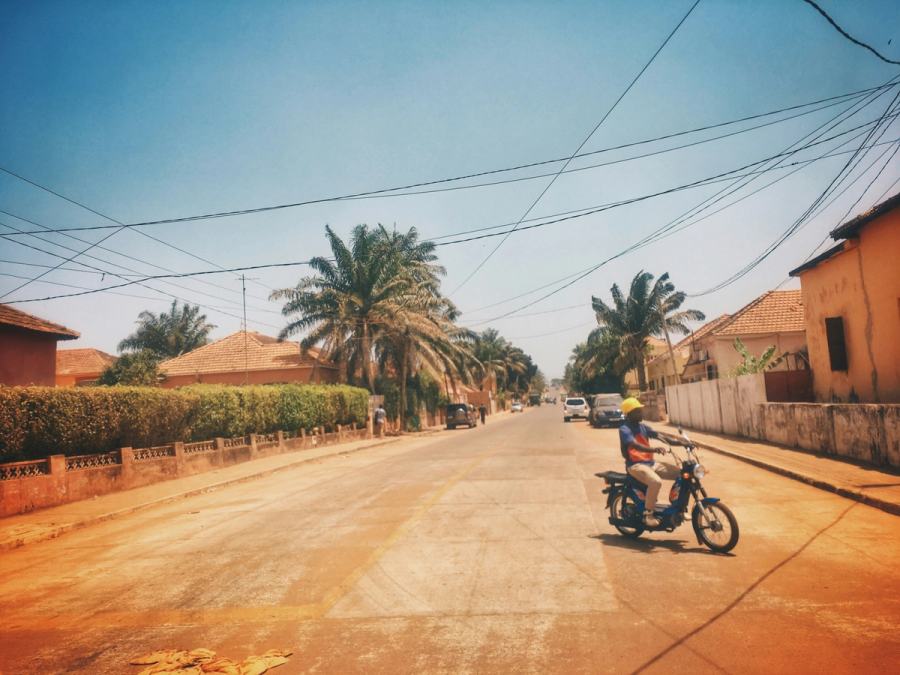
Counting underway after Guinea votes in legislative and municipal elections

Guineans voted on Sunday in legislative and municipal elections marking a new step towards a return to democratic rule after a 2021 coup, despite severe restrictions on civil liberties and an opposition boycott.

Pan-African3 MIN
From the web · Africanews
Counting underway after Guinea votes in legislative and municipal elections
IMAGE · Kaysha by Unsplash · UNSPLASH
STRATA-AF™ ANGLEEDITORIAL SYNTHESIS BY STRATA-AF™

Guinea's military junta orchestrated a democratic theatre performance complete with ballot boxes and vote counting, but without actual opposition participation or genuine civil liberties, a hollow ritual that exposes how African coup leaders have perfected the art of legitimacy laundering. While ECOWAS and international partners applaud this "progress," Guineans remain trapped in a carefully choreographed transition that prioritizes external validation over internal democratic substance. This isn't democratic restoration; it's autocratic rebranding with a constitutional veneer.

Guinea's Democratic Theater: A Continent's Familiar Script

Guinea's weekend elections represent yet another chapter in Africa's ongoing struggle with the performative nature of post-coup democracy. While international observers and regional bodies may breathe cautious sighs of relief at the sight of ballot boxes and voting queues, the reality unfolding in Conakry reveals the hollow mechanics of electoral legitimacy when civil liberties remain strangled and opposition voices systematically silenced. The 2021 military takeover that ousted Alpha Condé has morphed into a carefully choreographed transition that bears all the hallmarks of democratic window-dressing while preserving authoritarian control.

The opposition's wholesale boycott of these legislative and municipal elections speaks to a deeper crisis of legitimacy that extends far beyond Guinea's borders. Across the continent, we have witnessed similar scenarios where military governments orchestrate elections designed not to restore genuine democracy, but to provide international cover for continued authoritarian rule. From Mali to Burkina Faso, the pattern remains disturbingly consistent: coups justified by promises of reform, followed by prolonged transitions punctuated by elections that exclude meaningful opposition participation. Guinea's current trajectory suggests the junta's commitment to democratic restoration may be more rhetorical than substantive.

What makes Guinea's situation particularly troubling from a Pan-African perspective is how it undermines the Economic Community of West African States' (ECOWAS) credibility as a guardian of democratic governance. The regional body's inability to prevent or effectively respond to the cascade of military takeovers in the Sahel has exposed the limitations of continental institutions in defending democratic norms. Guinea's elections, conducted under severe restrictions, test whether ECOWAS will accept the veneer of electoral legitimacy or maintain pressure for genuine democratic restoration. The organization's response will signal whether regional bodies can evolve beyond diplomatic protests to become effective enforcers of constitutional governance.

The broader implications for democratic consolidation across Africa cannot be ignored. Guinea's transition unfolds against a backdrop of democratic backsliding from Sudan to Tunisia, where citizens' aspirations for accountable governance collide with entrenched power structures resistant to genuine reform. The international community's tendency to celebrate electoral processes regardless of their underlying democratic substance enables this pattern of pseudo-transitions. When elections become theatrical performances rather than genuine expressions of popular sovereignty, they paradoxically legitimize the very authoritarianism they purport to replace.

Guinea's path forward will likely serve as a bellwether for democratic prospects across the continent. Should the current military leadership successfully consolidate power through these managed elections while maintaining international recognition, it provides a troubling blueprint for other coup leaders seeking legitimacy without genuine democratic reform. Conversely, sustained pressure from both regional and international actors, coupled with domestic resistance, could force a more authentic transition. The ultimate test lies not in the counting of ballots cast under restrictive conditions, but in whether Guinea can eventually create space for genuine political competition, press freedom, and civil society participation. For now, the country appears trapped in the familiar African cycle of promising democratic transitions that deliver little beyond the aesthetics of electoral democracy.

READ THE SOURCE REPORT FROM AFRICANEWS

Enjoying Strata-AF™?

Sign in or sign up for a personalised feed and unlock Strata-AF™ Originals.

SIGN IN / SIGN UP
READ NEXT
Elections in Ethiopia: Abiy Ahmed's party considered the favorite [Africanews Today]
POLITICSAfricanews
Elections in Ethiopia: Abiy Ahmed's party considered the favorite [Africanews Today]
Ethiopia3 MINREAD →
Ethiopia votes as Abiy seeks stronger mandate amid democratic concerns
POLITICSAfricanews
Ethiopia votes as Abiy seeks stronger mandate amid democratic concerns
Ethiopia3 MINREAD →
PHOTO
POLITICSAfricanews
Nigeria's President Tinubu to run for re-election after clinching party nomination
Nigeria1 MINREAD →
--:--LAGOS
STRATA-AF™
ISSUE 001FEED◎ SEARCHSUBSCRIBE
/shows/data/docs
politics
Counting underway after Guinea votes in legislative and municipal elections
IMAGE · Kaysha by Unsplash · UNSPLASH
Counting underway after Guinea votes in legislative and municipal elections

Guineans voted on Sunday in legislative and municipal elections marking a new step towards a return to democratic rule after a 2021 coup, despite severe restrictions on civil liberties and an opposition boycott.

Pan-African3 MIN READ
From the web · Africanews
STRATA-AF™ ANGLEEDITORIAL SYNTHESIS BY STRATA-AF™

Guinea's military junta orchestrated a democratic theatre performance complete with ballot boxes and vote counting, but without actual opposition participation or genuine civil liberties, a hollow ritual that exposes how African coup leaders have perfected the art of legitimacy laundering. While ECOWAS and international partners applaud this "progress," Guineans remain trapped in a carefully choreographed transition that prioritizes external validation over internal democratic substance. This isn't democratic restoration; it's autocratic rebranding with a constitutional veneer.

Guinea's Democratic Theater: A Continent's Familiar Script

Guinea's weekend elections represent yet another chapter in Africa's ongoing struggle with the performative nature of post-coup democracy. While international observers and regional bodies may breathe cautious sighs of relief at the sight of ballot boxes and voting queues, the reality unfolding in Conakry reveals the hollow mechanics of electoral legitimacy when civil liberties remain strangled and opposition voices systematically silenced. The 2021 military takeover that ousted Alpha Condé has morphed into a carefully choreographed transition that bears all the hallmarks of democratic window-dressing while preserving authoritarian control.

The opposition's wholesale boycott of these legislative and municipal elections speaks to a deeper crisis of legitimacy that extends far beyond Guinea's borders. Across the continent, we have witnessed similar scenarios where military governments orchestrate elections designed not to restore genuine democracy, but to provide international cover for continued authoritarian rule. From Mali to Burkina Faso, the pattern remains disturbingly consistent: coups justified by promises of reform, followed by prolonged transitions punctuated by elections that exclude meaningful opposition participation. Guinea's current trajectory suggests the junta's commitment to democratic restoration may be more rhetorical than substantive.

What makes Guinea's situation particularly troubling from a Pan-African perspective is how it undermines the Economic Community of West African States' (ECOWAS) credibility as a guardian of democratic governance. The regional body's inability to prevent or effectively respond to the cascade of military takeovers in the Sahel has exposed the limitations of continental institutions in defending democratic norms. Guinea's elections, conducted under severe restrictions, test whether ECOWAS will accept the veneer of electoral legitimacy or maintain pressure for genuine democratic restoration. The organization's response will signal whether regional bodies can evolve beyond diplomatic protests to become effective enforcers of constitutional governance.

The broader implications for democratic consolidation across Africa cannot be ignored. Guinea's transition unfolds against a backdrop of democratic backsliding from Sudan to Tunisia, where citizens' aspirations for accountable governance collide with entrenched power structures resistant to genuine reform. The international community's tendency to celebrate electoral processes regardless of their underlying democratic substance enables this pattern of pseudo-transitions. When elections become theatrical performances rather than genuine expressions of popular sovereignty, they paradoxically legitimize the very authoritarianism they purport to replace.

Guinea's path forward will likely serve as a bellwether for democratic prospects across the continent. Should the current military leadership successfully consolidate power through these managed elections while maintaining international recognition, it provides a troubling blueprint for other coup leaders seeking legitimacy without genuine democratic reform. Conversely, sustained pressure from both regional and international actors, coupled with domestic resistance, could force a more authentic transition. The ultimate test lies not in the counting of ballots cast under restrictive conditions, but in whether Guinea can eventually create space for genuine political competition, press freedom, and civil society participation. For now, the country appears trapped in the familiar African cycle of promising democratic transitions that deliver little beyond the aesthetics of electoral democracy.

READ THE SOURCE REPORT FROM AFRICANEWS

Enjoying Strata-AF™?

Sign in or sign up for a personalised feed and unlock Strata-AF™ Originals.

SIGN IN / SIGN UP
VERTICAL
politics
ORIGIN
Pan-African
READ NEXT3 PIECES SELECTED BY OUR EDITORS
POLITICS
Elections in Ethiopia: Abiy Ahmed's party considered the favorite [Africanews Today]
Around 50 million Ethiopians were expected to vote on Monday for parliamentary and regional elections. Analysts predict a landslide victory for Prime Minister Abiy Ahmed's party, despite ongoing unrest in several parts of the country. No polling stations opened in the Tigray region.
Ethiopia3 MINREAD →
POLITICS
Ethiopia votes as Abiy seeks stronger mandate amid democratic concerns
Millions of Ethiopians headed to the polls on Monday in legislative elections expected to extend Prime Minister Abiy Ahmed’s rule, as opposition parties and analysts raised concerns about political freedoms, ongoing conflicts and the competitiveness of the vote.
Ethiopia3 MINREAD →
POLITICS
PHOTO
Nigeria's President Tinubu to run for re-election after clinching party nomination
Nigeria’s president Bola Tinubu will run for re-election in January after clinching his party’s presidential nomination with a landslide victory in the All Progressives Congress primaries.
Nigeria1 MINREAD →
CULTURE · MUSIC · FILM · TECH · SPORT · POLITICS · HEALTH · FINANCE · RELIGION · FASHION · LAGOS · NAIROBI · JOBURG · ACCRA · DATA JOURNALISM · ORIGINAL REPORTING · THE ACTUAL VERSION ·CULTURE · MUSIC · FILM · TECH · SPORT · POLITICS · HEALTH · FINANCE · RELIGION · FASHION · LAGOS · NAIROBI · JOBURG · ACCRA · DATA JOURNALISM · ORIGINAL REPORTING · THE ACTUAL VERSION ·
Premium editorial for a continent that's done waiting to be covered.

Not the export-market version. Not the diaspora version. The actual version — written by the people who live there.

Verticals
CultureMusicFilmTechSportsPolitics
HUBS
Strata-AF OriginalsDataDocsNewsletterArchiveShows
Company
AboutMissionManifestoLegal
REACH
10VERTICALS
6CONTENT TYPES
5CITIES
1STANDARD
© 2026 STRATA-AF™ · STRATA PUBLISHING CO LTD · LAGOS · JOBURG · NAIROBI · ACCRAPRIVACYTERMSCORRECTIONSMASTHEAD
 
 
--:--LAGOS
CultureMusicFilmTechSportsPoliticsHealthFinanceReligionFashion
Highlights
Strata-AF
Editor's Pick
From the web
SPORTSSTRATA-AF™STRATA-AF™ ORIGINAL
WAFCON 2026 Proved African Women's Football Is Ready. The Clubs Aren't.
2 MINREAD →
POLITICSSTRATA-AF™★ EDITOR'S PICK
The Lagos Cancellation Is Not About Tyla Really, Or Is It ?
Pan-African2 MINREAD →
MUSICSTRATA-AF™★ EDITOR'S PICK
Blood, Beats & Betrayal: How Family Killed P-Square
Nigeria2 MINREAD →
MUSICBY THE NUMBERSSTRATA-AF™ ORIGINAL
Where African Artists Earn, Lose, and Get Erased on Stream
Pan-African2 MINREAD →
HEALTHSTRATA-AF™★ EDITOR'S PICK
Uganda Held the Line on Ebola. Here's the Playbook Congo Needs Now
DR Congo2 MINREAD →
MUSICSTRATA-AF™STRATA-AF™ ORIGINAL
Music Is Starving in Sudan: How the RSF Silenced a Generation of Artists
Sudan2 MINREAD →
CULTURESTRATA-AF™★ EDITOR'S PICK
How BBNaija Rewired Nigerian Television And Everything Around It
Lagos, Pan-African2 MINREAD →
FASHIONSTRATA-AF™★ EDITOR'S PICK
Lagos Fashion Week's Green Push Is Either Africa's Best Bet or Its Greenest Greenwash
Pan-African2 MINREAD →
CULTURESTRATA-AF™★ EDITOR'S PICK
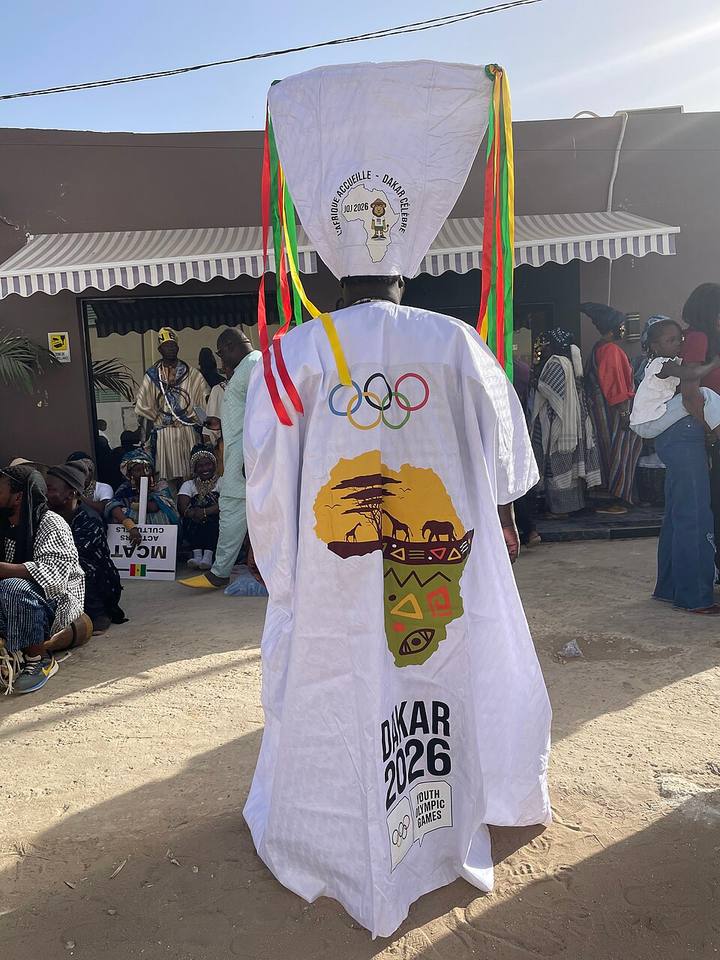
Dakar 2026 Is Africa's Olympic Moment
Senegal2 MINREAD →
SPORTSFROM THE WEB★ EDITOR'S PICK
Senegal set to make Olympic history with Dakar 2026 Youth Games
Dakar 2026 breaks a hosting monopoly that has excluded Africa from Olympic stewardship for over a century — the question is what institutional and economic legacy Senegal can extract from the moment.
Senegal1 MIN · Africanews · 25 JULREAD →
See all stories

The actual version — written by the people who live there.

10VERTICALS
6TYPES
5CITIES
1STANDARD
AboutMissionManifestoLegalOriginalsSubscribeArchiveShowsContributorsJobs
© 2026 STRATA-AF™ · STRATA PUBLISHING CO LTD · LAGOS · NAIROBI · JOBURG · ACCRA
 
 
--:--LAGOS
CultureMusicFilmTechSportsPoliticsHealthFinanceReligionFashion
politics
Counting underway after Guinea votes in legislative and municipal elections

Guineans voted on Sunday in legislative and municipal elections marking a new step towards a return to democratic rule after a 2021 coup, despite severe restrictions on civil liberties and an opposition boycott.

Pan-African3 MIN
From the web · Africanews
Counting underway after Guinea votes in legislative and municipal elections
STRATA-AF™ ANGLEEDITORIAL SYNTHESIS BY STRATA-AF™

Guinea's military junta orchestrated a democratic theatre performance complete with ballot boxes and vote counting, but without actual opposition participation or genuine civil liberties, a hollow ritual that exposes how African coup leaders have perfected the art of legitimacy laundering. While ECOWAS and international partners applaud this "progress," Guineans remain trapped in a carefully choreographed transition that prioritizes external validation over internal democratic substance. This isn't democratic restoration; it's autocratic rebranding with a constitutional veneer.

Guinea's Democratic Theater: A Continent's Familiar Script

Guinea's weekend elections represent yet another chapter in Africa's ongoing struggle with the performative nature of post-coup democracy. While international observers and regional bodies may breathe cautious sighs of relief at the sight of ballot boxes and voting queues, the reality unfolding in Conakry reveals the hollow mechanics of electoral legitimacy when civil liberties remain strangled and opposition voices systematically silenced. The 2021 military takeover that ousted Alpha Condé has morphed into a carefully choreographed transition that bears all the hallmarks of democratic window-dressing while preserving authoritarian control.

The opposition's wholesale boycott of these legislative and municipal elections speaks to a deeper crisis of legitimacy that extends far beyond Guinea's borders. Across the continent, we have witnessed similar scenarios where military governments orchestrate elections designed not to restore genuine democracy, but to provide international cover for continued authoritarian rule. From Mali to Burkina Faso, the pattern remains disturbingly consistent: coups justified by promises of reform, followed by prolonged transitions punctuated by elections that exclude meaningful opposition participation. Guinea's current trajectory suggests the junta's commitment to democratic restoration may be more rhetorical than substantive.

What makes Guinea's situation particularly troubling from a Pan-African perspective is how it undermines the Economic Community of West African States' (ECOWAS) credibility as a guardian of democratic governance. The regional body's inability to prevent or effectively respond to the cascade of military takeovers in the Sahel has exposed the limitations of continental institutions in defending democratic norms. Guinea's elections, conducted under severe restrictions, test whether ECOWAS will accept the veneer of electoral legitimacy or maintain pressure for genuine democratic restoration. The organization's response will signal whether regional bodies can evolve beyond diplomatic protests to become effective enforcers of constitutional governance.

The broader implications for democratic consolidation across Africa cannot be ignored. Guinea's transition unfolds against a backdrop of democratic backsliding from Sudan to Tunisia, where citizens' aspirations for accountable governance collide with entrenched power structures resistant to genuine reform. The international community's tendency to celebrate electoral processes regardless of their underlying democratic substance enables this pattern of pseudo-transitions. When elections become theatrical performances rather than genuine expressions of popular sovereignty, they paradoxically legitimize the very authoritarianism they purport to replace.

Guinea's path forward will likely serve as a bellwether for democratic prospects across the continent. Should the current military leadership successfully consolidate power through these managed elections while maintaining international recognition, it provides a troubling blueprint for other coup leaders seeking legitimacy without genuine democratic reform. Conversely, sustained pressure from both regional and international actors, coupled with domestic resistance, could force a more authentic transition. The ultimate test lies not in the counting of ballots cast under restrictive conditions, but in whether Guinea can eventually create space for genuine political competition, press freedom, and civil society participation. For now, the country appears trapped in the familiar African cycle of promising democratic transitions that deliver little beyond the aesthetics of electoral democracy.

READ THE SOURCE REPORT FROM AFRICANEWS

Enjoying Strata-AF™?

Sign in or sign up for a personalised feed and unlock Strata-AF™ Originals.

SIGN IN / SIGN UP
READ NEXT
--:--LAGOS
/shows/data/docs
politics
Counting underway after Guinea votes in legislative and municipal elections
IMAGE · Kaysha by Unsplash · UNSPLASH
Counting underway after Guinea votes in legislative and municipal elections

Guineans voted on Sunday in legislative and municipal elections marking a new step towards a return to democratic rule after a 2021 coup, despite severe restrictions on civil liberties and an opposition boycott.

Pan-African3 MIN READ
From the web · Africanews
STRATA-AF™ ANGLEEDITORIAL SYNTHESIS BY STRATA-AF™

Guinea's military junta orchestrated a democratic theatre performance complete with ballot boxes and vote counting, but without actual opposition participation or genuine civil liberties, a hollow ritual that exposes how African coup leaders have perfected the art of legitimacy laundering. While ECOWAS and international partners applaud this "progress," Guineans remain trapped in a carefully choreographed transition that prioritizes external validation over internal democratic substance. This isn't democratic restoration; it's autocratic rebranding with a constitutional veneer.

Guinea's Democratic Theater: A Continent's Familiar Script

Guinea's weekend elections represent yet another chapter in Africa's ongoing struggle with the performative nature of post-coup democracy. While international observers and regional bodies may breathe cautious sighs of relief at the sight of ballot boxes and voting queues, the reality unfolding in Conakry reveals the hollow mechanics of electoral legitimacy when civil liberties remain strangled and opposition voices systematically silenced. The 2021 military takeover that ousted Alpha Condé has morphed into a carefully choreographed transition that bears all the hallmarks of democratic window-dressing while preserving authoritarian control.

The opposition's wholesale boycott of these legislative and municipal elections speaks to a deeper crisis of legitimacy that extends far beyond Guinea's borders. Across the continent, we have witnessed similar scenarios where military governments orchestrate elections designed not to restore genuine democracy, but to provide international cover for continued authoritarian rule. From Mali to Burkina Faso, the pattern remains disturbingly consistent: coups justified by promises of reform, followed by prolonged transitions punctuated by elections that exclude meaningful opposition participation. Guinea's current trajectory suggests the junta's commitment to democratic restoration may be more rhetorical than substantive.

What makes Guinea's situation particularly troubling from a Pan-African perspective is how it undermines the Economic Community of West African States' (ECOWAS) credibility as a guardian of democratic governance. The regional body's inability to prevent or effectively respond to the cascade of military takeovers in the Sahel has exposed the limitations of continental institutions in defending democratic norms. Guinea's elections, conducted under severe restrictions, test whether ECOWAS will accept the veneer of electoral legitimacy or maintain pressure for genuine democratic restoration. The organization's response will signal whether regional bodies can evolve beyond diplomatic protests to become effective enforcers of constitutional governance.

The broader implications for democratic consolidation across Africa cannot be ignored. Guinea's transition unfolds against a backdrop of democratic backsliding from Sudan to Tunisia, where citizens' aspirations for accountable governance collide with entrenched power structures resistant to genuine reform. The international community's tendency to celebrate electoral processes regardless of their underlying democratic substance enables this pattern of pseudo-transitions. When elections become theatrical performances rather than genuine expressions of popular sovereignty, they paradoxically legitimize the very authoritarianism they purport to replace.

Guinea's path forward will likely serve as a bellwether for democratic prospects across the continent. Should the current military leadership successfully consolidate power through these managed elections while maintaining international recognition, it provides a troubling blueprint for other coup leaders seeking legitimacy without genuine democratic reform. Conversely, sustained pressure from both regional and international actors, coupled with domestic resistance, could force a more authentic transition. The ultimate test lies not in the counting of ballots cast under restrictive conditions, but in whether Guinea can eventually create space for genuine political competition, press freedom, and civil society participation. For now, the country appears trapped in the familiar African cycle of promising democratic transitions that deliver little beyond the aesthetics of electoral democracy.

READ THE SOURCE REPORT FROM AFRICANEWS

Enjoying Strata-AF™?

Sign in or sign up for a personalised feed and unlock Strata-AF™ Originals.

SIGN IN / SIGN UP
VERTICAL
politics
ORIGIN
Pan-African
READ NEXT3 PIECES SELECTED BY OUR EDITORS
POLITICS
Elections in Ethiopia: Abiy Ahmed's party considered the favorite [Africanews Today]
Around 50 million Ethiopians were expected to vote on Monday for parliamentary and regional elections. Analysts predict a landslide victory for Prime Minister Abiy Ahmed's party, despite ongoing unrest in several parts of the country. No polling stations opened in the Tigray region.
Ethiopia3 MINREAD →
POLITICS
Ethiopia votes as Abiy seeks stronger mandate amid democratic concerns
Millions of Ethiopians headed to the polls on Monday in legislative elections expected to extend Prime Minister Abiy Ahmed’s rule, as opposition parties and analysts raised concerns about political freedoms, ongoing conflicts and the competitiveness of the vote.
Ethiopia3 MINREAD →
POLITICS
PHOTO
Nigeria's President Tinubu to run for re-election after clinching party nomination
Nigeria’s president Bola Tinubu will run for re-election in January after clinching his party’s presidential nomination with a landslide victory in the All Progressives Congress primaries.
Nigeria1 MINREAD →
CULTURE · MUSIC · FILM · TECH · SPORT · POLITICS · HEALTH · FINANCE · RELIGION · FASHION · LAGOS · NAIROBI · JOBURG · ACCRA · DATA JOURNALISM · ORIGINAL REPORTING · THE ACTUAL VERSION ·CULTURE · MUSIC · FILM · TECH · SPORT · POLITICS · HEALTH · FINANCE · RELIGION · FASHION · LAGOS · NAIROBI · JOBURG · ACCRA · DATA JOURNALISM · ORIGINAL REPORTING · THE ACTUAL VERSION ·
Premium editorial for a continent that's done waiting to be covered.

Not the export-market version. Not the diaspora version. The actual version — written by the people who live there.

Verticals
CultureMusicFilmTechSportsPolitics
HUBS
Strata-AF OriginalsDataDocsNewsletterArchiveShows
Company
AboutMissionManifestoLegal
REACH
10VERTICALS
6CONTENT TYPES
5CITIES
1STANDARD
© 2026 STRATA-AF™ · STRATA PUBLISHING CO LTD · LAGOS · JOBURG · NAIROBI · ACCRAPRIVACYTERMSCORRECTIONSMASTHEAD