--:--LAGOS
CultureMusicFilmTechSportsPoliticsHealthFinanceReligionFashion
politics
Elections in Ethiopia: Abiy Ahmed's party considered the favorite [Africanews Today]

Around 50 million Ethiopians were expected to vote on Monday for parliamentary and regional elections. Analysts predict a landslide victory for Prime Minister Abiy Ahmed's party, despite ongoing unrest in several parts of the country. No polling stations opened in the Tigray region.

Ethiopia3 MIN
From the web · Africanews
Elections in Ethiopia: Abiy Ahmed's party considered the favorite [Africanews Today]
IMAGE · Gift Habeshaw by Unsplash · UNSPLASH
STRATA-AF™ ANGLEEDITORIAL SYNTHESIS BY STRATA-AF™

Abiy Ahmed's expected electoral victory comes amid significant challenges to Ethiopia's democratic transition, with the exclusion of Tigray from voting highlighting deep fractures in Africa's second-most populous nation. This election will test whether democratic institutions can hold amid ethnic tensions and conflict, setting a crucial precedent for political stability in the Horn of Africa.

Ethiopia's Electoral Paradox and the African Democratic Experiment

Ethiopia's recent parliamentary and regional elections present a compelling case study in the complex dynamics of democratic consolidation across the African continent. While approximately 50 million Ethiopians participated in what should represent a triumph of electoral democracy, the exercise unfolded against a backdrop that reveals the persistent tensions between democratic aspiration and political reality that characterize many African states. Prime Minister Abiy Ahmed's anticipated landslide victory, though procedurally legitimate, raises fundamental questions about the nature of competitive democracy in contexts where state power and electoral processes intersect with ongoing conflict and regional instability.

The complete absence of polling stations in the Tigray region represents more than a logistical challenge. It symbolizes the broader struggle many African nations face in reconciling national unity with regional autonomy and ethnic diversity. Ethiopia's federal structure, designed to accommodate its remarkable ethnic and linguistic diversity, has instead become a source of centrifugal forces that threaten the very foundations of the state. This dynamic resonates across the continent, from Nigeria's regional tensions to South Africa's provincial inequalities, demonstrating how colonial borders and post-independence political arrangements continue to challenge African leaders seeking to build inclusive democratic institutions.

The predicted electoral dominance of Abiy's Prosperity Party occurs within a context of "ongoing unrest in several parts of the country," a phrase that understates the magnitude of Ethiopia's internal challenges. This juxtaposition, democratic participation alongside active conflict, reflects a pattern seen across African democracies where electoral legitimacy must coexist with questions of state capacity and territorial integrity. The Horn of Africa's strategic importance, coupled with Ethiopia's role as the seat of the African Union, means that the country's democratic trajectory has implications far beyond its borders, influencing regional stability and continental governance norms.

From a Pan-African perspective, Ethiopia's electoral experience underscores the need for more nuanced approaches to democratic development that acknowledge the continent's unique historical and cultural contexts. The Western democratic model, with its emphasis on majoritarian rule and centralized authority, may require adaptation to accommodate Africa's diverse social structures and governance traditions. Ethiopia's experiment with ethnic federalism, despite its current challenges, represents an important attempt to indigenize democratic practice, even as it reveals the complexities of managing diversity within unified state structures.

The international community's response to these elections, likely to focus on procedural legitimacy rather than substantive inclusion, highlights the limitations of external democratic promotion efforts across Africa. True democratic consolidation requires not just free and fair elections but also the cultivation of political cultures that can manage conflict through dialogue rather than force. Ethiopia's trajectory will serve as a crucial test case for whether African nations can develop democratic institutions robust enough to handle the continent's complex social realities while maintaining the unity necessary for effective governance and development.

As Ethiopia moves forward from these elections, the broader African democratic project faces a moment of reckoning. The continent's young populations increasingly demand accountable governance and economic opportunity, yet traditional democratic institutions often struggle to deliver on these expectations. Ethiopia's experience suggests that the future of African democracy may lie not in perfect replication of external models but in the creative adaptation of democratic principles to local contexts, a process that requires both political courage and institutional innovation that the continent's leaders must urgently embrace.

READ THE SOURCE REPORT FROM AFRICANEWS

Enjoying Strata-AF™?

Sign in or sign up for a personalised feed and unlock Strata-AF™ Originals.

SIGN IN / SIGN UP
--:--LAGOS
STRATA-AF™
ISSUE 001FEED◎ SEARCHSUBSCRIBE
/shows/data/docs
politics
Elections in Ethiopia: Abiy Ahmed's party considered the favorite [Africanews Today]
IMAGE · Gift Habeshaw by Unsplash · UNSPLASH
Elections in Ethiopia: Abiy Ahmed's party considered the favorite [Africanews Today]

Around 50 million Ethiopians were expected to vote on Monday for parliamentary and regional elections. Analysts predict a landslide victory for Prime Minister Abiy Ahmed's party, despite ongoing unrest in several parts of the country. No polling stations opened in the Tigray region.

Ethiopia3 MIN READ
From the web · Africanews
STRATA-AF™ ANGLEEDITORIAL SYNTHESIS BY STRATA-AF™

Abiy Ahmed's expected electoral victory comes amid significant challenges to Ethiopia's democratic transition, with the exclusion of Tigray from voting highlighting deep fractures in Africa's second-most populous nation. This election will test whether democratic institutions can hold amid ethnic tensions and conflict, setting a crucial precedent for political stability in the Horn of Africa.

Ethiopia's Electoral Paradox and the African Democratic Experiment

Ethiopia's recent parliamentary and regional elections present a compelling case study in the complex dynamics of democratic consolidation across the African continent. While approximately 50 million Ethiopians participated in what should represent a triumph of electoral democracy, the exercise unfolded against a backdrop that reveals the persistent tensions between democratic aspiration and political reality that characterize many African states. Prime Minister Abiy Ahmed's anticipated landslide victory, though procedurally legitimate, raises fundamental questions about the nature of competitive democracy in contexts where state power and electoral processes intersect with ongoing conflict and regional instability.

The complete absence of polling stations in the Tigray region represents more than a logistical challenge. It symbolizes the broader struggle many African nations face in reconciling national unity with regional autonomy and ethnic diversity. Ethiopia's federal structure, designed to accommodate its remarkable ethnic and linguistic diversity, has instead become a source of centrifugal forces that threaten the very foundations of the state. This dynamic resonates across the continent, from Nigeria's regional tensions to South Africa's provincial inequalities, demonstrating how colonial borders and post-independence political arrangements continue to challenge African leaders seeking to build inclusive democratic institutions.

The predicted electoral dominance of Abiy's Prosperity Party occurs within a context of "ongoing unrest in several parts of the country," a phrase that understates the magnitude of Ethiopia's internal challenges. This juxtaposition, democratic participation alongside active conflict, reflects a pattern seen across African democracies where electoral legitimacy must coexist with questions of state capacity and territorial integrity. The Horn of Africa's strategic importance, coupled with Ethiopia's role as the seat of the African Union, means that the country's democratic trajectory has implications far beyond its borders, influencing regional stability and continental governance norms.

From a Pan-African perspective, Ethiopia's electoral experience underscores the need for more nuanced approaches to democratic development that acknowledge the continent's unique historical and cultural contexts. The Western democratic model, with its emphasis on majoritarian rule and centralized authority, may require adaptation to accommodate Africa's diverse social structures and governance traditions. Ethiopia's experiment with ethnic federalism, despite its current challenges, represents an important attempt to indigenize democratic practice, even as it reveals the complexities of managing diversity within unified state structures.

The international community's response to these elections, likely to focus on procedural legitimacy rather than substantive inclusion, highlights the limitations of external democratic promotion efforts across Africa. True democratic consolidation requires not just free and fair elections but also the cultivation of political cultures that can manage conflict through dialogue rather than force. Ethiopia's trajectory will serve as a crucial test case for whether African nations can develop democratic institutions robust enough to handle the continent's complex social realities while maintaining the unity necessary for effective governance and development.

As Ethiopia moves forward from these elections, the broader African democratic project faces a moment of reckoning. The continent's young populations increasingly demand accountable governance and economic opportunity, yet traditional democratic institutions often struggle to deliver on these expectations. Ethiopia's experience suggests that the future of African democracy may lie not in perfect replication of external models but in the creative adaptation of democratic principles to local contexts, a process that requires both political courage and institutional innovation that the continent's leaders must urgently embrace.

READ THE SOURCE REPORT FROM AFRICANEWS

Enjoying Strata-AF™?

Sign in or sign up for a personalised feed and unlock Strata-AF™ Originals.

SIGN IN / SIGN UP
VERTICAL
politics
ORIGIN
Ethiopia
CULTURE · MUSIC · FILM · TECH · SPORT · POLITICS · HEALTH · FINANCE · RELIGION · FASHION · LAGOS · NAIROBI · JOBURG · ACCRA · DATA JOURNALISM · ORIGINAL REPORTING · THE ACTUAL VERSION ·CULTURE · MUSIC · FILM · TECH · SPORT · POLITICS · HEALTH · FINANCE · RELIGION · FASHION · LAGOS · NAIROBI · JOBURG · ACCRA · DATA JOURNALISM · ORIGINAL REPORTING · THE ACTUAL VERSION ·
Premium editorial for a continent that's done waiting to be covered.

Not the export-market version. Not the diaspora version. The actual version — written by the people who live there.

Verticals
CultureMusicFilmTechSportsPolitics
HUBS
Strata-AF OriginalsDataDocsNewsletterArchiveShows
Company
AboutMissionManifestoLegal
REACH
10VERTICALS
6CONTENT TYPES
5CITIES
1STANDARD
© 2026 STRATA-AF™ · STRATA PUBLISHING CO LTD · LAGOS · JOBURG · NAIROBI · ACCRAPRIVACYTERMSCORRECTIONSMASTHEAD
 
 
--:--LAGOS
CultureMusicFilmTechSportsPoliticsHealthFinanceReligionFashion
Highlights
Strata-AF
Editor's Pick
From the web
SPORTSSTRATA-AF™STRATA-AF™ ORIGINAL
WAFCON 2026 Proved African Women's Football Is Ready. The Clubs Aren't.
2 MINREAD →
POLITICSSTRATA-AF™★ EDITOR'S PICK
The Lagos Cancellation Is Not About Tyla Really, Or Is It ?
Pan-African2 MINREAD →
MUSICSTRATA-AF™★ EDITOR'S PICK
Blood, Beats & Betrayal: How Family Killed P-Square
Nigeria2 MINREAD →
MUSICBY THE NUMBERSSTRATA-AF™ ORIGINAL
Where African Artists Earn, Lose, and Get Erased on Stream
Pan-African2 MINREAD →
HEALTHSTRATA-AF™★ EDITOR'S PICK
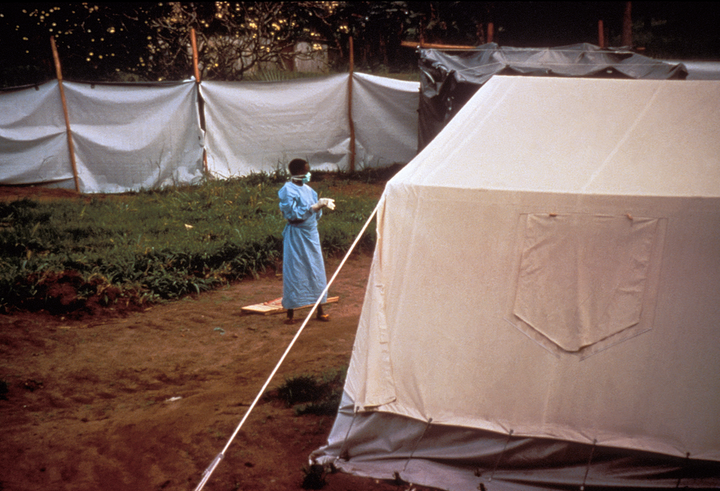
Uganda Held the Line on Ebola. Here's the Playbook Congo Needs Now
DR Congo2 MINREAD →
MUSICSTRATA-AF™STRATA-AF™ ORIGINAL
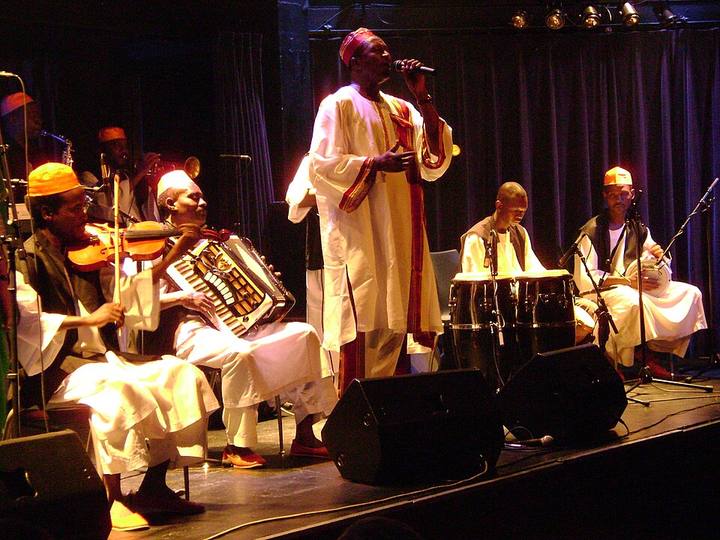
Music Is Starving in Sudan: How the RSF Silenced a Generation of Artists
Sudan2 MINREAD →
CULTURESTRATA-AF™★ EDITOR'S PICK
How BBNaija Rewired Nigerian Television And Everything Around It
Lagos, Pan-African2 MINREAD →
FASHIONSTRATA-AF™★ EDITOR'S PICK
Lagos Fashion Week's Green Push Is Either Africa's Best Bet or Its Greenest Greenwash
Pan-African2 MINREAD →
CULTURESTRATA-AF™★ EDITOR'S PICK
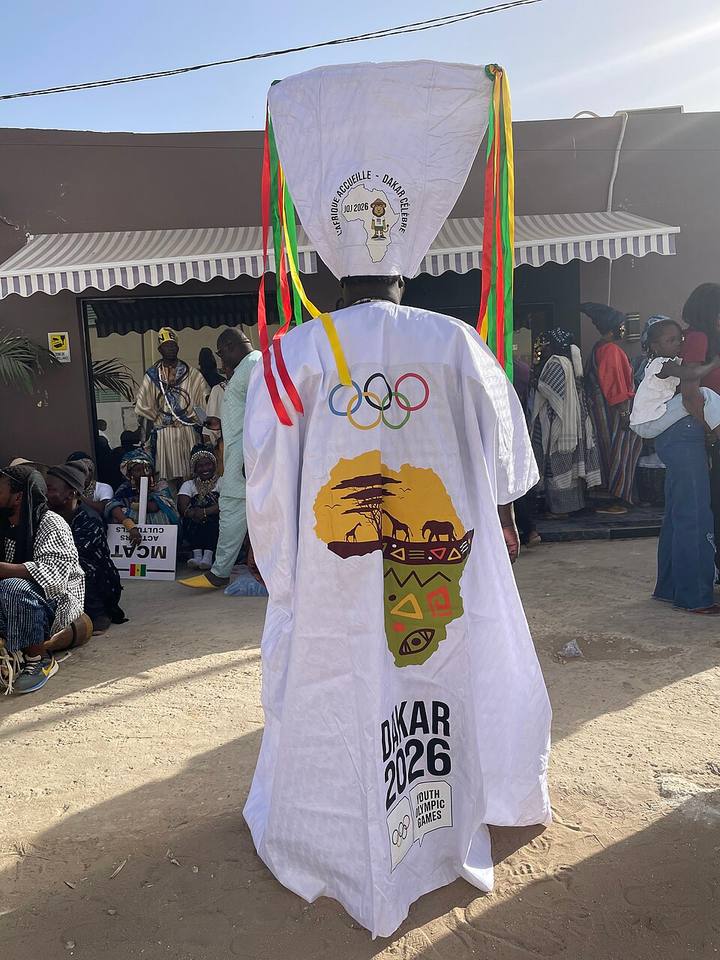
Dakar 2026 Is Africa's Olympic Moment
Senegal2 MINREAD →
SPORTSFROM THE WEB★ EDITOR'S PICK
Senegal set to make Olympic history with Dakar 2026 Youth Games
Dakar 2026 breaks a hosting monopoly that has excluded Africa from Olympic stewardship for over a century — the question is what institutional and economic legacy Senegal can extract from the moment.
Senegal1 MIN · Africanews · 25 JULREAD →
See all stories

The actual version — written by the people who live there.

10VERTICALS
6TYPES
5CITIES
1STANDARD
AboutMissionManifestoLegalOriginalsSubscribeArchiveShowsContributorsJobs
© 2026 STRATA-AF™ · STRATA PUBLISHING CO LTD · LAGOS · NAIROBI · JOBURG · ACCRA
 
 
--:--LAGOS
CultureMusicFilmTechSportsPoliticsHealthFinanceReligionFashion
politics
Elections in Ethiopia: Abiy Ahmed's party considered the favorite [Africanews Today]

Around 50 million Ethiopians were expected to vote on Monday for parliamentary and regional elections. Analysts predict a landslide victory for Prime Minister Abiy Ahmed's party, despite ongoing unrest in several parts of the country. No polling stations opened in the Tigray region.

Ethiopia3 MIN
From the web · Africanews
Elections in Ethiopia: Abiy Ahmed's party considered the favorite [Africanews Today]
STRATA-AF™ ANGLEEDITORIAL SYNTHESIS BY STRATA-AF™

Abiy Ahmed's expected electoral victory comes amid significant challenges to Ethiopia's democratic transition, with the exclusion of Tigray from voting highlighting deep fractures in Africa's second-most populous nation. This election will test whether democratic institutions can hold amid ethnic tensions and conflict, setting a crucial precedent for political stability in the Horn of Africa.

Ethiopia's Electoral Paradox and the African Democratic Experiment

Ethiopia's recent parliamentary and regional elections present a compelling case study in the complex dynamics of democratic consolidation across the African continent. While approximately 50 million Ethiopians participated in what should represent a triumph of electoral democracy, the exercise unfolded against a backdrop that reveals the persistent tensions between democratic aspiration and political reality that characterize many African states. Prime Minister Abiy Ahmed's anticipated landslide victory, though procedurally legitimate, raises fundamental questions about the nature of competitive democracy in contexts where state power and electoral processes intersect with ongoing conflict and regional instability.

The complete absence of polling stations in the Tigray region represents more than a logistical challenge. It symbolizes the broader struggle many African nations face in reconciling national unity with regional autonomy and ethnic diversity. Ethiopia's federal structure, designed to accommodate its remarkable ethnic and linguistic diversity, has instead become a source of centrifugal forces that threaten the very foundations of the state. This dynamic resonates across the continent, from Nigeria's regional tensions to South Africa's provincial inequalities, demonstrating how colonial borders and post-independence political arrangements continue to challenge African leaders seeking to build inclusive democratic institutions.

The predicted electoral dominance of Abiy's Prosperity Party occurs within a context of "ongoing unrest in several parts of the country," a phrase that understates the magnitude of Ethiopia's internal challenges. This juxtaposition, democratic participation alongside active conflict, reflects a pattern seen across African democracies where electoral legitimacy must coexist with questions of state capacity and territorial integrity. The Horn of Africa's strategic importance, coupled with Ethiopia's role as the seat of the African Union, means that the country's democratic trajectory has implications far beyond its borders, influencing regional stability and continental governance norms.

From a Pan-African perspective, Ethiopia's electoral experience underscores the need for more nuanced approaches to democratic development that acknowledge the continent's unique historical and cultural contexts. The Western democratic model, with its emphasis on majoritarian rule and centralized authority, may require adaptation to accommodate Africa's diverse social structures and governance traditions. Ethiopia's experiment with ethnic federalism, despite its current challenges, represents an important attempt to indigenize democratic practice, even as it reveals the complexities of managing diversity within unified state structures.

The international community's response to these elections, likely to focus on procedural legitimacy rather than substantive inclusion, highlights the limitations of external democratic promotion efforts across Africa. True democratic consolidation requires not just free and fair elections but also the cultivation of political cultures that can manage conflict through dialogue rather than force. Ethiopia's trajectory will serve as a crucial test case for whether African nations can develop democratic institutions robust enough to handle the continent's complex social realities while maintaining the unity necessary for effective governance and development.

As Ethiopia moves forward from these elections, the broader African democratic project faces a moment of reckoning. The continent's young populations increasingly demand accountable governance and economic opportunity, yet traditional democratic institutions often struggle to deliver on these expectations. Ethiopia's experience suggests that the future of African democracy may lie not in perfect replication of external models but in the creative adaptation of democratic principles to local contexts, a process that requires both political courage and institutional innovation that the continent's leaders must urgently embrace.

READ THE SOURCE REPORT FROM AFRICANEWS

Enjoying Strata-AF™?

Sign in or sign up for a personalised feed and unlock Strata-AF™ Originals.

SIGN IN / SIGN UP
--:--LAGOS
/shows/data/docs
politics
Elections in Ethiopia: Abiy Ahmed's party considered the favorite [Africanews Today]
IMAGE · Gift Habeshaw by Unsplash · UNSPLASH
Elections in Ethiopia: Abiy Ahmed's party considered the favorite [Africanews Today]

Around 50 million Ethiopians were expected to vote on Monday for parliamentary and regional elections. Analysts predict a landslide victory for Prime Minister Abiy Ahmed's party, despite ongoing unrest in several parts of the country. No polling stations opened in the Tigray region.

Ethiopia3 MIN READ
From the web · Africanews
STRATA-AF™ ANGLEEDITORIAL SYNTHESIS BY STRATA-AF™

Abiy Ahmed's expected electoral victory comes amid significant challenges to Ethiopia's democratic transition, with the exclusion of Tigray from voting highlighting deep fractures in Africa's second-most populous nation. This election will test whether democratic institutions can hold amid ethnic tensions and conflict, setting a crucial precedent for political stability in the Horn of Africa.

Ethiopia's Electoral Paradox and the African Democratic Experiment

Ethiopia's recent parliamentary and regional elections present a compelling case study in the complex dynamics of democratic consolidation across the African continent. While approximately 50 million Ethiopians participated in what should represent a triumph of electoral democracy, the exercise unfolded against a backdrop that reveals the persistent tensions between democratic aspiration and political reality that characterize many African states. Prime Minister Abiy Ahmed's anticipated landslide victory, though procedurally legitimate, raises fundamental questions about the nature of competitive democracy in contexts where state power and electoral processes intersect with ongoing conflict and regional instability.

The complete absence of polling stations in the Tigray region represents more than a logistical challenge. It symbolizes the broader struggle many African nations face in reconciling national unity with regional autonomy and ethnic diversity. Ethiopia's federal structure, designed to accommodate its remarkable ethnic and linguistic diversity, has instead become a source of centrifugal forces that threaten the very foundations of the state. This dynamic resonates across the continent, from Nigeria's regional tensions to South Africa's provincial inequalities, demonstrating how colonial borders and post-independence political arrangements continue to challenge African leaders seeking to build inclusive democratic institutions.

The predicted electoral dominance of Abiy's Prosperity Party occurs within a context of "ongoing unrest in several parts of the country," a phrase that understates the magnitude of Ethiopia's internal challenges. This juxtaposition, democratic participation alongside active conflict, reflects a pattern seen across African democracies where electoral legitimacy must coexist with questions of state capacity and territorial integrity. The Horn of Africa's strategic importance, coupled with Ethiopia's role as the seat of the African Union, means that the country's democratic trajectory has implications far beyond its borders, influencing regional stability and continental governance norms.

From a Pan-African perspective, Ethiopia's electoral experience underscores the need for more nuanced approaches to democratic development that acknowledge the continent's unique historical and cultural contexts. The Western democratic model, with its emphasis on majoritarian rule and centralized authority, may require adaptation to accommodate Africa's diverse social structures and governance traditions. Ethiopia's experiment with ethnic federalism, despite its current challenges, represents an important attempt to indigenize democratic practice, even as it reveals the complexities of managing diversity within unified state structures.

The international community's response to these elections, likely to focus on procedural legitimacy rather than substantive inclusion, highlights the limitations of external democratic promotion efforts across Africa. True democratic consolidation requires not just free and fair elections but also the cultivation of political cultures that can manage conflict through dialogue rather than force. Ethiopia's trajectory will serve as a crucial test case for whether African nations can develop democratic institutions robust enough to handle the continent's complex social realities while maintaining the unity necessary for effective governance and development.

As Ethiopia moves forward from these elections, the broader African democratic project faces a moment of reckoning. The continent's young populations increasingly demand accountable governance and economic opportunity, yet traditional democratic institutions often struggle to deliver on these expectations. Ethiopia's experience suggests that the future of African democracy may lie not in perfect replication of external models but in the creative adaptation of democratic principles to local contexts, a process that requires both political courage and institutional innovation that the continent's leaders must urgently embrace.

READ THE SOURCE REPORT FROM AFRICANEWS

Enjoying Strata-AF™?

Sign in or sign up for a personalised feed and unlock Strata-AF™ Originals.

SIGN IN / SIGN UP
VERTICAL
politics
ORIGIN
Ethiopia
CULTURE · MUSIC · FILM · TECH · SPORT · POLITICS · HEALTH · FINANCE · RELIGION · FASHION · LAGOS · NAIROBI · JOBURG · ACCRA · DATA JOURNALISM · ORIGINAL REPORTING · THE ACTUAL VERSION ·CULTURE · MUSIC · FILM · TECH · SPORT · POLITICS · HEALTH · FINANCE · RELIGION · FASHION · LAGOS · NAIROBI · JOBURG · ACCRA · DATA JOURNALISM · ORIGINAL REPORTING · THE ACTUAL VERSION ·
Premium editorial for a continent that's done waiting to be covered.

Not the export-market version. Not the diaspora version. The actual version — written by the people who live there.

Verticals
CultureMusicFilmTechSportsPolitics
HUBS
Strata-AF OriginalsDataDocsNewsletterArchiveShows
Company
AboutMissionManifestoLegal
REACH
10VERTICALS
6CONTENT TYPES
5CITIES
1STANDARD
© 2026 STRATA-AF™ · STRATA PUBLISHING CO LTD · LAGOS · JOBURG · NAIROBI · ACCRAPRIVACYTERMSCORRECTIONSMASTHEAD