--:--LAGOS
CultureMusicFilmTechSportsPoliticsHealthFinanceReligionFashion
culture
Zimbabwe Ranked Among Worst Labour Rights Violators, Placed On 'Watch List'

The International Trade Union Confederation (ITUC) has released the 13th edition of the global rights index, the only comprehensive, global annual survey of the violation of workers' rights and has placed Zimbabwe on the 'watch list'.
Zimbabwe4 MIN
From the web · AllAfrica
Zimbabwe Ranked Among Worst Labour Rights Violators, Placed On 'Watch List'
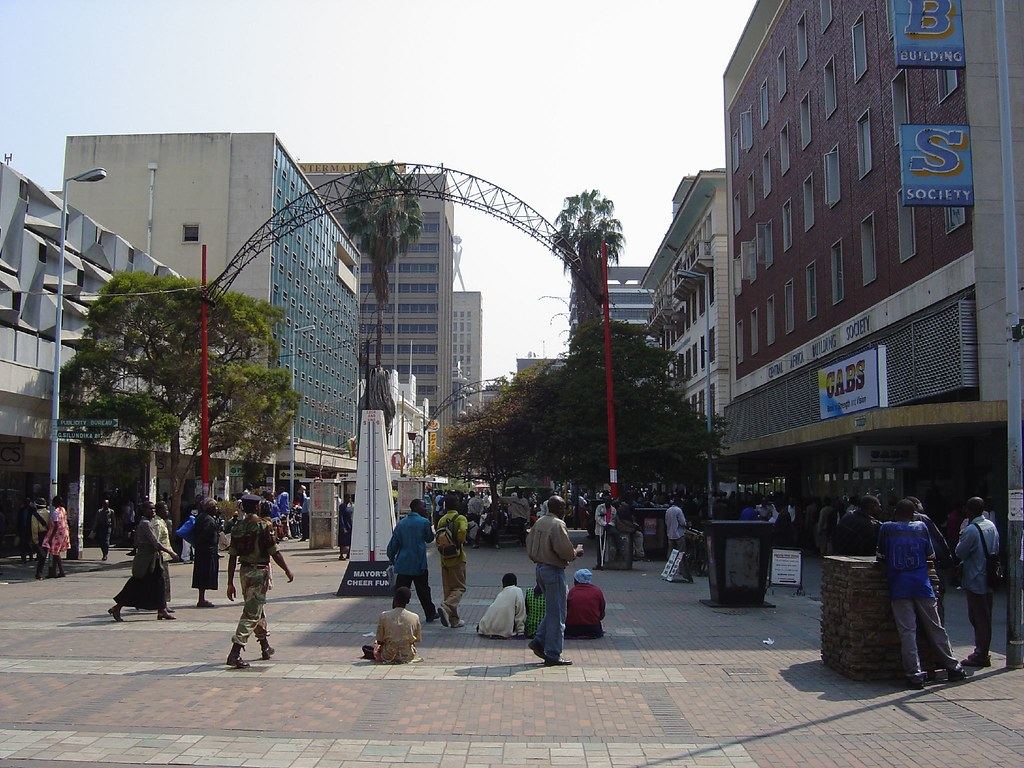
IMAGE · Tips For Travellers
STRATA-AF™ ANGLEEDITORIAL SYNTHESIS BY STRATA-AF™

Zimbabwe's placement on the ITUC's global 'watch list' for labor rights violations highlights the deteriorating worker protections across the continent, where authoritarian governments increasingly suppress union activities and worker organizing. This designation not only damages Zimbabwe's international reputation but also signals to investors and trade partners that the country's labor environment poses significant risks for sustainable business operations and social stability.

The International Trade Union Confederation has placed Zimbabwe on its global 'watch list' in its latest annual survey documenting systematic violations of workers' rights. This ranking positions the country among the world's worst performers for labour protections.

Zimbabwe's placement on the International Trade Union Confederation's 'watch list' represents a damning indictment of the country's treatment of its workforce and signals deepening concerns about the erosion of fundamental labour protections under President Emmerson Mnangagwa's administration. This designation, emerging from the ITUC's comprehensive global rights index, places Zimbabwe alongside nations with some of the world's most egregious records of worker exploitation and union suppression.

The deterioration of labour rights in Zimbabwe reflects broader patterns of democratic backsliding that have accelerated since Mnangagwa assumed power following Robert Mugabe's ousting in 2017. Despite initial promises of political and economic reform, the new administration has maintained many of the authoritarian practices that characterized the Mugabe era, particularly in its treatment of organized labour and civil society organizations. Workers' rights have become increasingly constrained through a combination of legislative restrictions, police harassment, and judicial intimidation.

This international censure carries significant implications for Zimbabwe's already fragile economy and its relationships with potential international partners and investors. Labour rights violations not only undermine domestic productivity and social cohesion but also serve as red flags for international financial institutions, development partners, and multinational corporations seeking stable and ethical operating environments. The watch list designation may complicate Zimbabwe's efforts to attract foreign investment and could influence decisions by multilateral lending institutions.

The timing of this ranking is particularly significant as Zimbabwe grapples with ongoing economic challenges, including hyperinflation, currency instability, and widespread unemployment. Poor labour relations exacerbate these economic difficulties by creating an environment of uncertainty and conflict that discourages both domestic entrepreneurship and foreign investment. When workers cannot organize effectively or advocate for fair wages and safe working conditions, the entire economy suffers from reduced productivity and consumer spending power.

From a Pan-African perspective, Zimbabwe's labour rights crisis represents a troubling departure from the continental commitment to decent work and social justice embodied in various African Union frameworks and protocols. The country's current trajectory undermines regional efforts to promote good governance, human rights, and sustainable development across the continent. Other African nations have demonstrated that respect for labour rights and democratic governance can coexist with economic growth and political stability.

The international community's response to Zimbabwe's labour rights violations will likely influence how other African governments approach worker protections and union rights within their own borders. Regional bodies like the Southern African Development Community must grapple with how to address member states that systematically violate internationally recognized labour standards while maintaining diplomatic relationships and regional stability.

READ THE SOURCE REPORT FROM ALLAFRICA

Enjoying Strata-AF™?

Sign in or sign up for a personalised feed and unlock Strata-AF™ Originals.
SIGN IN / SIGN UP
READ NEXT
Extreme Fear Among Immigrants as Anti-Migrant Backlash Sweeps South Africa
CULTUREThe Guardian
Extreme Fear Among Immigrants as Anti-Migrant Backlash Sweeps South Africa
South Africa3 MINREAD →
--:--LAGOS
STRATA-AF™
ISSUE 001FEED◎ SEARCHSUBSCRIBE
/shows/data/docs
culture
Zimbabwe Ranked Among Worst Labour Rights Violators, Placed On 'Watch List'
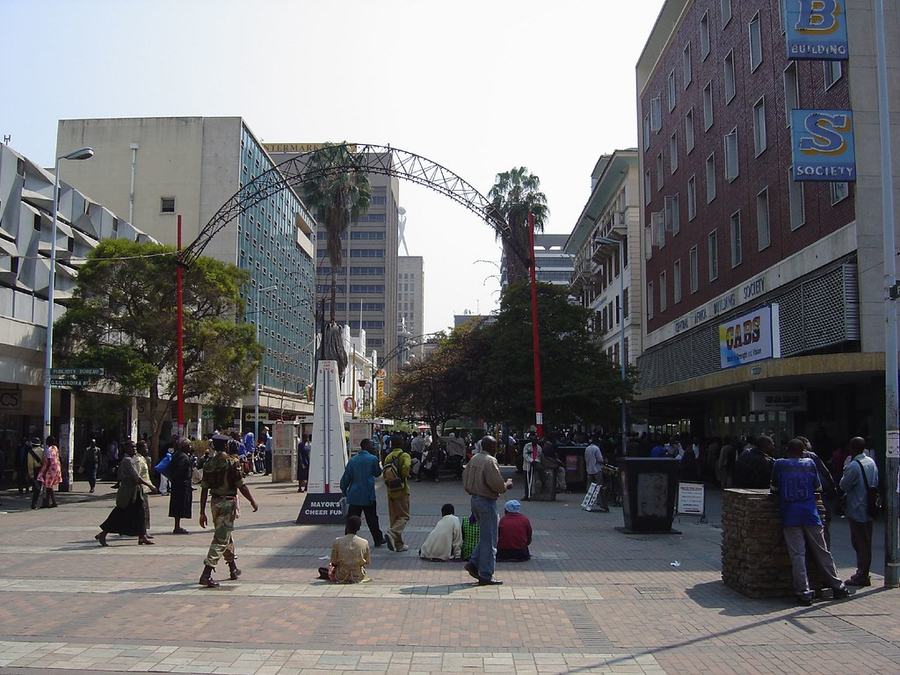
IMAGE · Tips For Travellers
Zimbabwe Ranked Among Worst Labour Rights Violators, Placed On 'Watch List'

The International Trade Union Confederation (ITUC) has released the 13th edition of the global rights index, the only comprehensive, global annual survey of the violation of workers' rights and has placed Zimbabwe on the 'watch list'.

Zimbabwe4 MIN READ
From the web · AllAfrica
STRATA-AF™ ANGLEEDITORIAL SYNTHESIS BY STRATA-AF™

Zimbabwe's placement on the ITUC's global 'watch list' for labor rights violations highlights the deteriorating worker protections across the continent, where authoritarian governments increasingly suppress union activities and worker organizing. This designation not only damages Zimbabwe's international reputation but also signals to investors and trade partners that the country's labor environment poses significant risks for sustainable business operations and social stability.

The International Trade Union Confederation has placed Zimbabwe on its global 'watch list' in its latest annual survey documenting systematic violations of workers' rights. This ranking positions the country among the world's worst performers for labour protections.

Zimbabwe's placement on the International Trade Union Confederation's 'watch list' represents a damning indictment of the country's treatment of its workforce and signals deepening concerns about the erosion of fundamental labour protections under President Emmerson Mnangagwa's administration. This designation, emerging from the ITUC's comprehensive global rights index, places Zimbabwe alongside nations with some of the world's most egregious records of worker exploitation and union suppression.

The deterioration of labour rights in Zimbabwe reflects broader patterns of democratic backsliding that have accelerated since Mnangagwa assumed power following Robert Mugabe's ousting in 2017. Despite initial promises of political and economic reform, the new administration has maintained many of the authoritarian practices that characterized the Mugabe era, particularly in its treatment of organized labour and civil society organizations. Workers' rights have become increasingly constrained through a combination of legislative restrictions, police harassment, and judicial intimidation.

This international censure carries significant implications for Zimbabwe's already fragile economy and its relationships with potential international partners and investors. Labour rights violations not only undermine domestic productivity and social cohesion but also serve as red flags for international financial institutions, development partners, and multinational corporations seeking stable and ethical operating environments. The watch list designation may complicate Zimbabwe's efforts to attract foreign investment and could influence decisions by multilateral lending institutions.

The timing of this ranking is particularly significant as Zimbabwe grapples with ongoing economic challenges, including hyperinflation, currency instability, and widespread unemployment. Poor labour relations exacerbate these economic difficulties by creating an environment of uncertainty and conflict that discourages both domestic entrepreneurship and foreign investment. When workers cannot organize effectively or advocate for fair wages and safe working conditions, the entire economy suffers from reduced productivity and consumer spending power.

From a Pan-African perspective, Zimbabwe's labour rights crisis represents a troubling departure from the continental commitment to decent work and social justice embodied in various African Union frameworks and protocols. The country's current trajectory undermines regional efforts to promote good governance, human rights, and sustainable development across the continent. Other African nations have demonstrated that respect for labour rights and democratic governance can coexist with economic growth and political stability.

The international community's response to Zimbabwe's labour rights violations will likely influence how other African governments approach worker protections and union rights within their own borders. Regional bodies like the Southern African Development Community must grapple with how to address member states that systematically violate internationally recognized labour standards while maintaining diplomatic relationships and regional stability.

READ THE SOURCE REPORT FROM ALLAFRICA

Enjoying Strata-AF™?

Sign in or sign up for a personalised feed and unlock Strata-AF™ Originals.
SIGN IN / SIGN UP
VERTICAL
culture
ORIGIN
Zimbabwe
READ NEXT1 PIECE SELECTED BY OUR EDITORS
CULTURE
Extreme Fear Among Immigrants as Anti-Migrant Backlash Sweeps South Africa
African migrants in South Africa report living in terror as anti-immigration rallies reignite xenophobic sentiment across the country. Even those with legal status say documentation offers little protection from mounting hostility.
South Africa3 MINREAD →
CULTURE · MUSIC · FILM · TECH · SPORT · POLITICS · HEALTH · FINANCE · RELIGION · FASHION · LAGOS · NAIROBI · JOBURG · ACCRA · DATA JOURNALISM · ORIGINAL REPORTING · THE ACTUAL VERSION ·CULTURE · MUSIC · FILM · TECH · SPORT · POLITICS · HEALTH · FINANCE · RELIGION · FASHION · LAGOS · NAIROBI · JOBURG · ACCRA · DATA JOURNALISM · ORIGINAL REPORTING · THE ACTUAL VERSION ·
Premium editorial for a continent that's done waiting to be covered.

Not the export-market version. Not the diaspora version. The actual version — written by the people who live there.

Verticals
CultureMusicFilmTechSportsPolitics
HUBS
Strata-AF OriginalsDataDocsNewsletterArchiveShows
Company
AboutMissionManifestoLegal
REACH
10VERTICALS
6CONTENT TYPES
5CITIES
1STANDARD
© 2026 STRATA-AF™ · STRATA PUBLISHING CO LTD · LAGOS · JOBURG · NAIROBI · ACCRAPRIVACYTERMSCORRECTIONSMASTHEAD
 
 
--:--LAGOS
CultureMusicFilmTechSportsPoliticsHealthFinanceReligionFashion
Highlights
Strata-AF
Editor's Pick
From the web
SPORTSSTRATA-AF™STRATA-AF™ ORIGINAL
WAFCON 2026 Proved African Women's Football Is Ready. The Clubs Aren't.
2 MINREAD →
POLITICSSTRATA-AF™★ EDITOR'S PICK
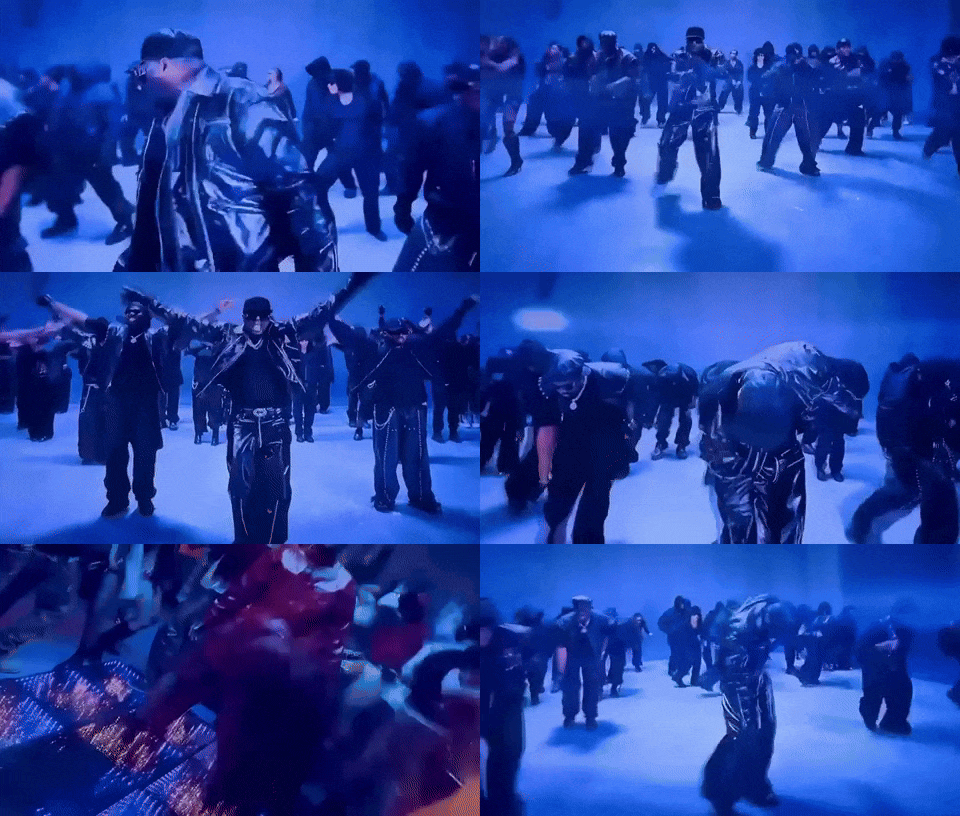
The Lagos Cancellation Is Not About Tyla Really, Or Is It ?
Pan-African2 MINREAD →
MUSICSTRATA-AF™★ EDITOR'S PICK
Blood, Beats & Betrayal: How Family Killed P-Square
Nigeria2 MINREAD →
MUSICBY THE NUMBERSSTRATA-AF™ ORIGINAL
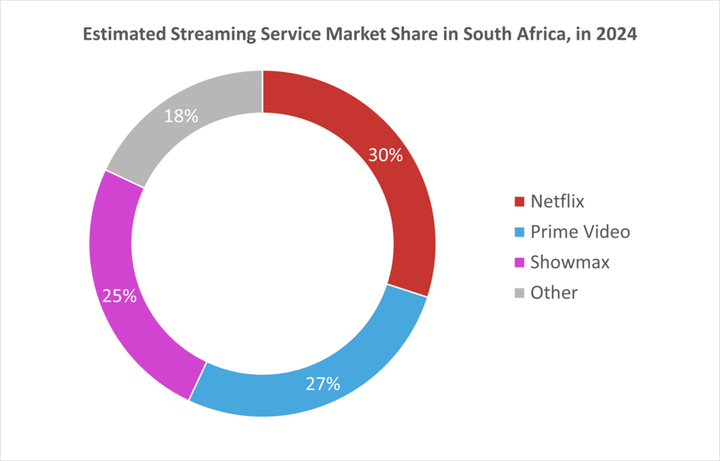
Where African Artists Earn, Lose, and Get Erased on Stream
Pan-African2 MINREAD →
HEALTHSTRATA-AF™★ EDITOR'S PICK
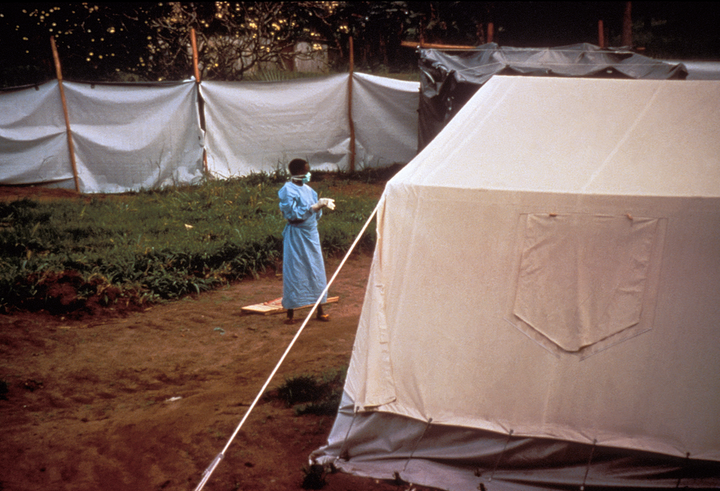
Uganda Held the Line on Ebola. Here's the Playbook Congo Needs Now
DR Congo2 MINREAD →
MUSICSTRATA-AF™STRATA-AF™ ORIGINAL
Music Is Starving in Sudan: How the RSF Silenced a Generation of Artists
Sudan2 MINREAD →
CULTURESTRATA-AF™★ EDITOR'S PICK
How BBNaija Rewired Nigerian Television And Everything Around It
Lagos, Pan-African2 MINREAD →
FASHIONSTRATA-AF™★ EDITOR'S PICK
Lagos Fashion Week's Green Push Is Either Africa's Best Bet or Its Greenest Greenwash
Pan-African2 MINREAD →
CULTURESTRATA-AF™★ EDITOR'S PICK
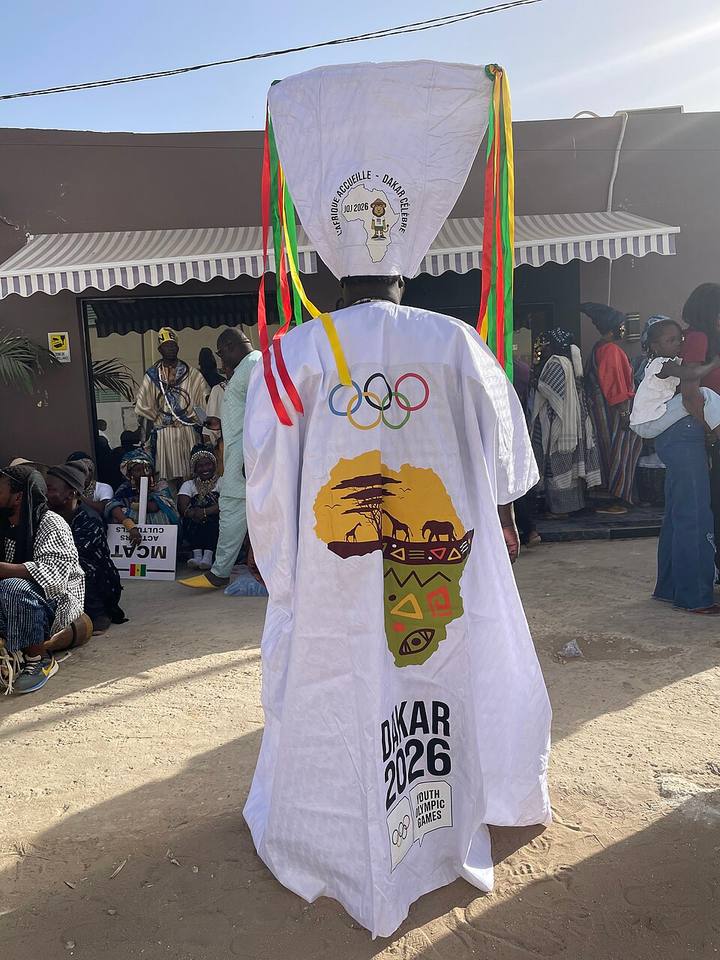
Dakar 2026 Is Africa's Olympic Moment
Senegal2 MINREAD →
SPORTSFROM THE WEB★ EDITOR'S PICK
Senegal set to make Olympic history with Dakar 2026 Youth Games
Dakar 2026 breaks a hosting monopoly that has excluded Africa from Olympic stewardship for over a century — the question is what institutional and economic legacy Senegal can extract from the moment.
Senegal1 MIN · Africanews · 25 JULREAD →
See all stories

The actual version — written by the people who live there.

10VERTICALS
6TYPES
5CITIES
1STANDARD
AboutMissionManifestoLegalOriginalsSubscribeArchiveShowsContributorsJobs
© 2026 STRATA-AF™ · STRATA PUBLISHING CO LTD · LAGOS · NAIROBI · JOBURG · ACCRA
 
 
--:--LAGOS
CultureMusicFilmTechSportsPoliticsHealthFinanceReligionFashion
culture
Zimbabwe Ranked Among Worst Labour Rights Violators, Placed On 'Watch List'

The International Trade Union Confederation (ITUC) has released the 13th edition of the global rights index, the only comprehensive, global annual survey of the violation of workers' rights and has placed Zimbabwe on the 'watch list'.

Zimbabwe4 MIN
From the web · AllAfrica
Zimbabwe Ranked Among Worst Labour Rights Violators, Placed On 'Watch List'
STRATA-AF™ ANGLEEDITORIAL SYNTHESIS BY STRATA-AF™

Zimbabwe's placement on the ITUC's global 'watch list' for labor rights violations highlights the deteriorating worker protections across the continent, where authoritarian governments increasingly suppress union activities and worker organizing. This designation not only damages Zimbabwe's international reputation but also signals to investors and trade partners that the country's labor environment poses significant risks for sustainable business operations and social stability.

The International Trade Union Confederation has placed Zimbabwe on its global 'watch list' in its latest annual survey documenting systematic violations of workers' rights. This ranking positions the country among the world's worst performers for labour protections.

Zimbabwe's placement on the International Trade Union Confederation's 'watch list' represents a damning indictment of the country's treatment of its workforce and signals deepening concerns about the erosion of fundamental labour protections under President Emmerson Mnangagwa's administration. This designation, emerging from the ITUC's comprehensive global rights index, places Zimbabwe alongside nations with some of the world's most egregious records of worker exploitation and union suppression.

The deterioration of labour rights in Zimbabwe reflects broader patterns of democratic backsliding that have accelerated since Mnangagwa assumed power following Robert Mugabe's ousting in 2017. Despite initial promises of political and economic reform, the new administration has maintained many of the authoritarian practices that characterized the Mugabe era, particularly in its treatment of organized labour and civil society organizations. Workers' rights have become increasingly constrained through a combination of legislative restrictions, police harassment, and judicial intimidation.

This international censure carries significant implications for Zimbabwe's already fragile economy and its relationships with potential international partners and investors. Labour rights violations not only undermine domestic productivity and social cohesion but also serve as red flags for international financial institutions, development partners, and multinational corporations seeking stable and ethical operating environments. The watch list designation may complicate Zimbabwe's efforts to attract foreign investment and could influence decisions by multilateral lending institutions.

The timing of this ranking is particularly significant as Zimbabwe grapples with ongoing economic challenges, including hyperinflation, currency instability, and widespread unemployment. Poor labour relations exacerbate these economic difficulties by creating an environment of uncertainty and conflict that discourages both domestic entrepreneurship and foreign investment. When workers cannot organize effectively or advocate for fair wages and safe working conditions, the entire economy suffers from reduced productivity and consumer spending power.

From a Pan-African perspective, Zimbabwe's labour rights crisis represents a troubling departure from the continental commitment to decent work and social justice embodied in various African Union frameworks and protocols. The country's current trajectory undermines regional efforts to promote good governance, human rights, and sustainable development across the continent. Other African nations have demonstrated that respect for labour rights and democratic governance can coexist with economic growth and political stability.

The international community's response to Zimbabwe's labour rights violations will likely influence how other African governments approach worker protections and union rights within their own borders. Regional bodies like the Southern African Development Community must grapple with how to address member states that systematically violate internationally recognized labour standards while maintaining diplomatic relationships and regional stability.

READ THE SOURCE REPORT FROM ALLAFRICA

Enjoying Strata-AF™?

Sign in or sign up for a personalised feed and unlock Strata-AF™ Originals.

SIGN IN / SIGN UP
READ NEXT
--:--LAGOS
/shows/data/docs
culture
Zimbabwe Ranked Among Worst Labour Rights Violators, Placed On 'Watch List'
IMAGE · Tips For Travellers
Zimbabwe Ranked Among Worst Labour Rights Violators, Placed On 'Watch List'

The International Trade Union Confederation (ITUC) has released the 13th edition of the global rights index, the only comprehensive, global annual survey of the violation of workers' rights and has placed Zimbabwe on the 'watch list'.

Zimbabwe4 MIN READ
From the web · AllAfrica
STRATA-AF™ ANGLEEDITORIAL SYNTHESIS BY STRATA-AF™

Zimbabwe's placement on the ITUC's global 'watch list' for labor rights violations highlights the deteriorating worker protections across the continent, where authoritarian governments increasingly suppress union activities and worker organizing. This designation not only damages Zimbabwe's international reputation but also signals to investors and trade partners that the country's labor environment poses significant risks for sustainable business operations and social stability.

The International Trade Union Confederation has placed Zimbabwe on its global 'watch list' in its latest annual survey documenting systematic violations of workers' rights. This ranking positions the country among the world's worst performers for labour protections.

Zimbabwe's placement on the International Trade Union Confederation's 'watch list' represents a damning indictment of the country's treatment of its workforce and signals deepening concerns about the erosion of fundamental labour protections under President Emmerson Mnangagwa's administration. This designation, emerging from the ITUC's comprehensive global rights index, places Zimbabwe alongside nations with some of the world's most egregious records of worker exploitation and union suppression.

The deterioration of labour rights in Zimbabwe reflects broader patterns of democratic backsliding that have accelerated since Mnangagwa assumed power following Robert Mugabe's ousting in 2017. Despite initial promises of political and economic reform, the new administration has maintained many of the authoritarian practices that characterized the Mugabe era, particularly in its treatment of organized labour and civil society organizations. Workers' rights have become increasingly constrained through a combination of legislative restrictions, police harassment, and judicial intimidation.

This international censure carries significant implications for Zimbabwe's already fragile economy and its relationships with potential international partners and investors. Labour rights violations not only undermine domestic productivity and social cohesion but also serve as red flags for international financial institutions, development partners, and multinational corporations seeking stable and ethical operating environments. The watch list designation may complicate Zimbabwe's efforts to attract foreign investment and could influence decisions by multilateral lending institutions.

The timing of this ranking is particularly significant as Zimbabwe grapples with ongoing economic challenges, including hyperinflation, currency instability, and widespread unemployment. Poor labour relations exacerbate these economic difficulties by creating an environment of uncertainty and conflict that discourages both domestic entrepreneurship and foreign investment. When workers cannot organize effectively or advocate for fair wages and safe working conditions, the entire economy suffers from reduced productivity and consumer spending power.

From a Pan-African perspective, Zimbabwe's labour rights crisis represents a troubling departure from the continental commitment to decent work and social justice embodied in various African Union frameworks and protocols. The country's current trajectory undermines regional efforts to promote good governance, human rights, and sustainable development across the continent. Other African nations have demonstrated that respect for labour rights and democratic governance can coexist with economic growth and political stability.

The international community's response to Zimbabwe's labour rights violations will likely influence how other African governments approach worker protections and union rights within their own borders. Regional bodies like the Southern African Development Community must grapple with how to address member states that systematically violate internationally recognized labour standards while maintaining diplomatic relationships and regional stability.

READ THE SOURCE REPORT FROM ALLAFRICA

Enjoying Strata-AF™?

Sign in or sign up for a personalised feed and unlock Strata-AF™ Originals.

SIGN IN / SIGN UP
VERTICAL
culture
ORIGIN
Zimbabwe
READ NEXT1 PIECE SELECTED BY OUR EDITORS
CULTURE · MUSIC · FILM · TECH · SPORT · POLITICS · HEALTH · FINANCE · RELIGION · FASHION · LAGOS · NAIROBI · JOBURG · ACCRA · DATA JOURNALISM · ORIGINAL REPORTING · THE ACTUAL VERSION ·CULTURE · MUSIC · FILM · TECH · SPORT · POLITICS · HEALTH · FINANCE · RELIGION · FASHION · LAGOS · NAIROBI · JOBURG · ACCRA · DATA JOURNALISM · ORIGINAL REPORTING · THE ACTUAL VERSION ·
Premium editorial for a continent that's done waiting to be covered.

Not the export-market version. Not the diaspora version. The actual version — written by the people who live there.

Verticals
CultureMusicFilmTechSportsPolitics
HUBS
Strata-AF OriginalsDataDocsNewsletterArchiveShows
Company
AboutMissionManifestoLegal
REACH
10VERTICALS
6CONTENT TYPES
5CITIES
1STANDARD
© 2026 STRATA-AF™ · STRATA PUBLISHING CO LTD · LAGOS · JOBURG · NAIROBI · ACCRAPRIVACYTERMSCORRECTIONSMASTHEAD