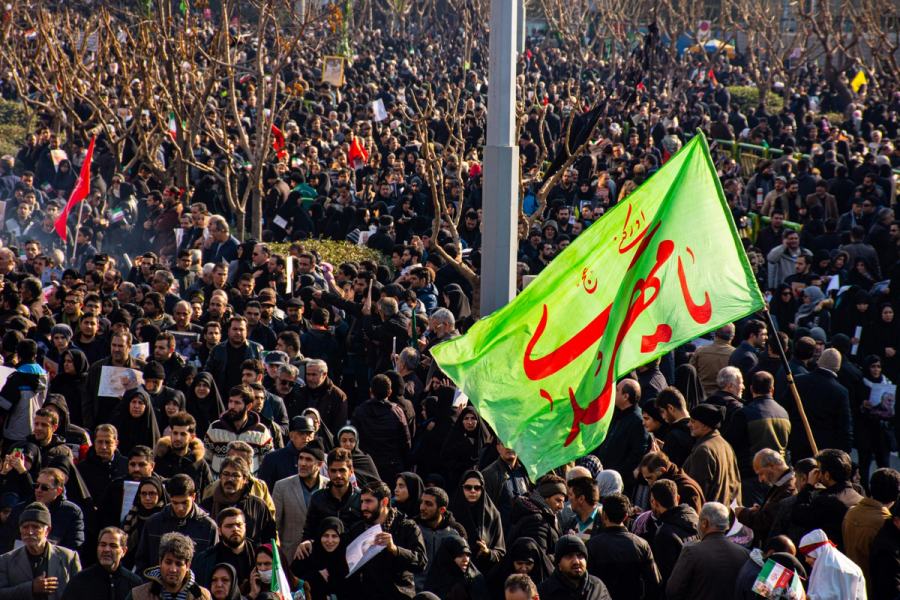
A dramatic blow to the regime, followed by dangerous uncertainty
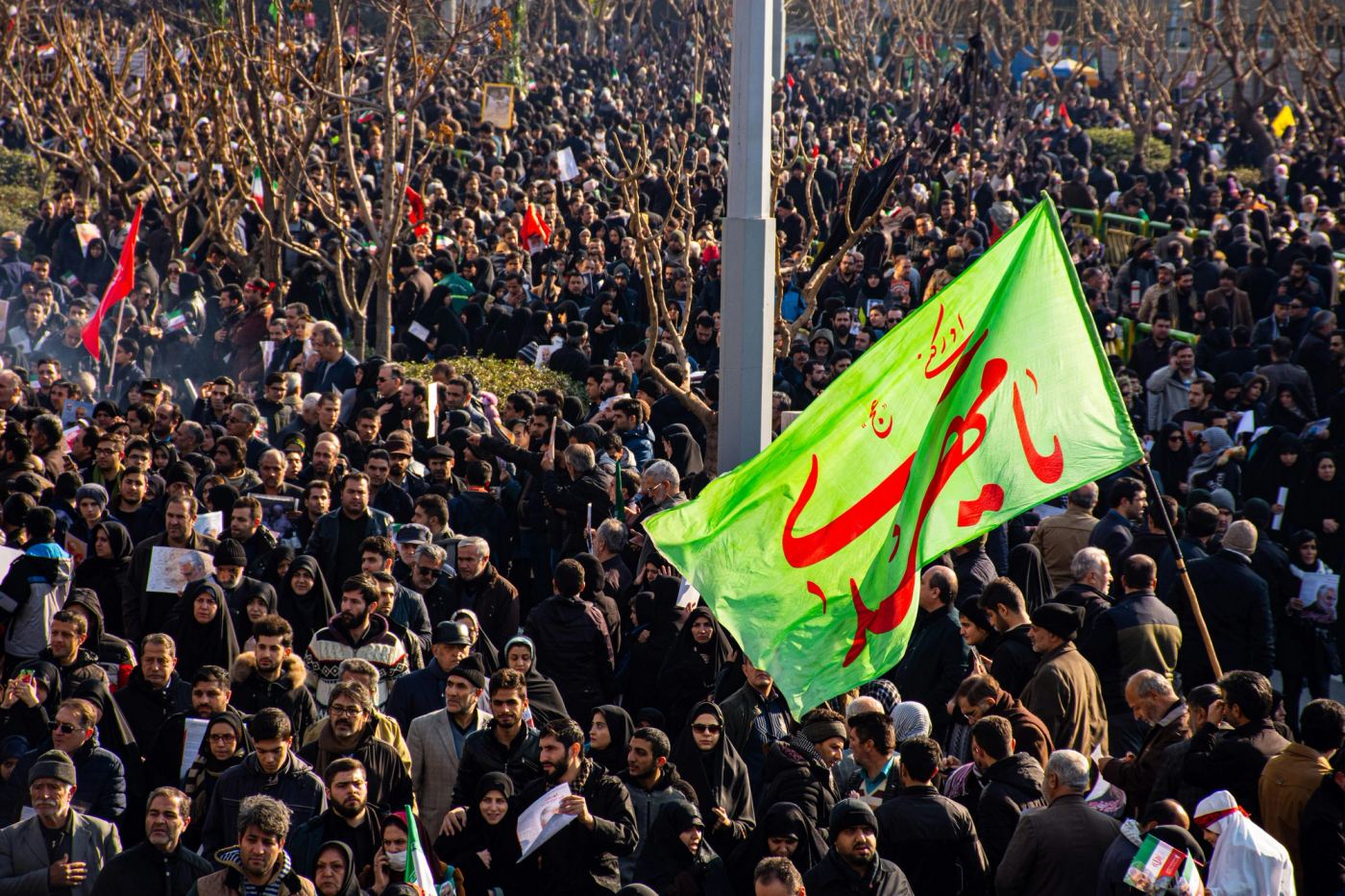
Iran's political instability could significantly impact Africa's energy security and diplomatic landscape, as several African nations have deepened ties with Tehran in recent years. The power vacuum may also affect regional proxy conflicts where Iran has influence, potentially creating new opportunities for African states to assert greater independence in Middle Eastern geopolitics.
The sudden death of Iran's Supreme Leader reverberates far beyond the borders of the Islamic Republic, carrying profound implications for African nations that have cultivated complex relationships with Tehran over decades. From Sudan to South Africa, from Nigeria to Zimbabwe, African governments must now recalibrate their diplomatic strategies as Iran enters an unprecedented period of internal uncertainty. The power vacuum in Tehran threatens to disrupt carefully constructed partnerships that have seen Iranian investment flow into African infrastructure projects, energy sectors, and defense cooperation agreements.
For many African nations, Iran has represented a valuable counterweight to Western influence, offering an alternative source of investment, technology transfer, and military cooperation without the traditional conditionalities imposed by European or American partners. Countries like Senegal and Ghana have benefited from Iranian expertise in oil refining and petrochemicals, while nations such as Niger and Mali have received security assistance in their battles against extremist groups. The Supreme Leader's death introduces dangerous unpredictability into these relationships, as competing Iranian factions may pursue divergent foreign policy priorities or, worse still, become too preoccupied with internal power struggles to maintain international commitments.
The implications extend beyond bilateral relationships to continental security dynamics. Iran's support for various proxy groups across the Middle East and its alleged involvement in certain African conflicts have made it a significant, if controversial, player in regional stability equations. As Iranian leadership fragments, the coordination and funding of these activities may become erratic, potentially creating security vacuums that could be exploited by hostile actors or filled by other external powers seeking to expand their influence on the continent.
African policymakers must also consider the economic ramifications of Iranian instability. Several African nations have developed energy partnerships with Iran despite international sanctions, viewing these relationships as crucial for their energy security and economic development. Zimbabwe, for instance, has looked to Iran for agricultural technology and mining expertise, while countries in West Africa have explored Iranian investment in telecommunications infrastructure. Political chaos in Tehran could jeopardize these projects at critical junctures, forcing African partners to seek alternative arrangements or face project delays that could impact their development trajectories.
The death of the Supreme Leader also presents opportunities for African diplomacy to assert itself more assertively in Middle Eastern affairs. As Iran's regional influence wavers, African nations that have maintained relationships with multiple Middle Eastern powers may find themselves in positions to mediate or facilitate dialogue between competing factions. The African Union, with its institutional experience in managing political transitions and its growing diplomatic confidence, could potentially play a constructive role in encouraging stable succession arrangements that serve broader regional stability interests.
Perhaps most significantly, this moment of Iranian vulnerability should prompt serious reflection across African capitals about the dangers of over-dependence on any single external partner, regardless of how attractive their terms may appear. The sudden nature of the Supreme Leader's death and the immediate uncertainty it has created demonstrate how quickly geopolitical partnerships can become liabilities. African nations must continue diversifying their international relationships while building stronger intra-African partnerships that can provide resilience against external shocks and reduce dependence on volatile external powers whose internal dynamics remain largely beyond African influence.
READ THE SOURCE REPORT FROM ECONOMIST →Enjoying Strata-AF™?
Sign in or sign up for a personalised feed and unlock Strata-AF™ Originals.