--:--LAGOS
CultureMusicFilmTechSportsPoliticsHealthFinanceReligionFashion
film
What Showmax's Restructure Should Teach Young Creatives

Platform dependency is a business model until the platform changes its mind.

The Showmax situation has unsettled South Africa's film and television industry.
Mzi Kaka · Music In Africa
South Africa5 MIN
From the web · Music In Africa
What Showmax's Restructure Should Teach Young Creatives
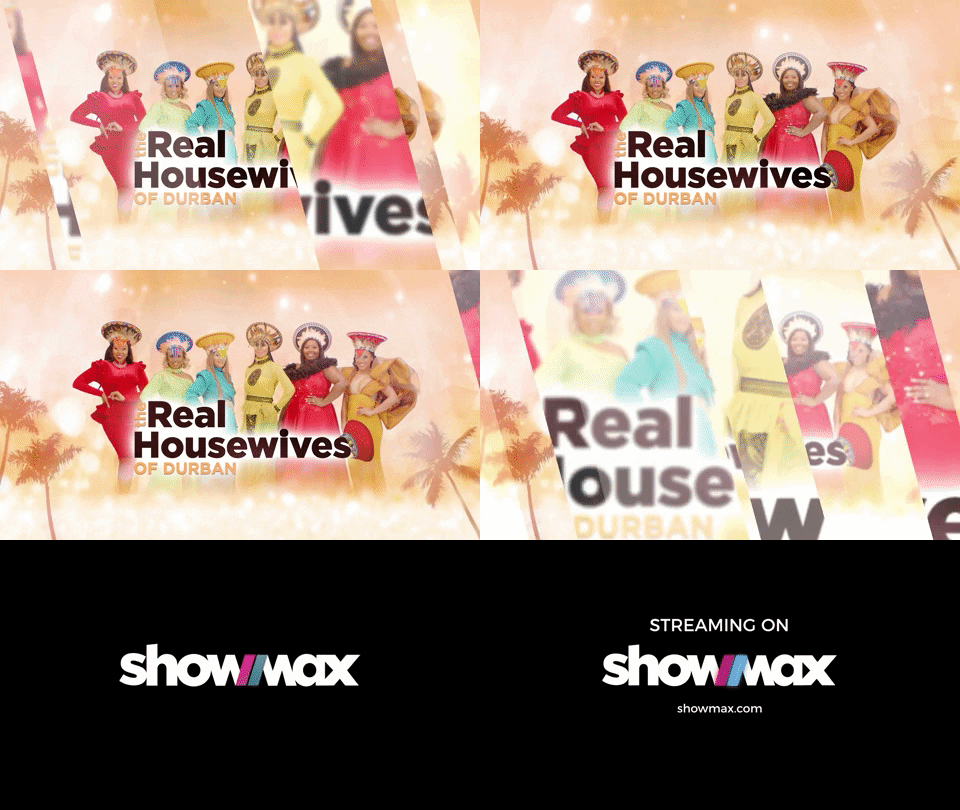
IMAGE · showmax · GIPHY
STRATA-AF™ ANGLEEDITORIAL SYNTHESIS BY STRATA-AF™

Showmax's restructuring signals a broader shift in how global streaming platforms prioritize African content, forcing local creatives to diversify revenue streams beyond platform dependency. This moment underscores the urgent need for Africa's creative economy to build sustainable, locally-owned distribution channels that can weather international corporate decisions.

The Streaming Wars Come Home: What Showmax's Retreat Means for African Storytelling

The restructuring of Showmax represents more than just another corporate pivot in the entertainment industry. It signals a critical juncture for African content creators who have long struggled to find platforms that genuinely champion their narratives. When a service that positioned itself as a champion of premium local content suddenly retreats from that mission, it exposes the fragile foundations upon which much of Africa's digital content ecosystem has been built. This moment demands that we examine not just what went wrong, but what this teaches us about the precarious relationship between African creativity and global capital.

For young creatives across the continent, Showmax's shift serves as a sobering reminder that platforms controlled by external interests can vanish or transform overnight, regardless of the quality or cultural significance of the content they host. The streaming service's initial promise to elevate African stories felt revolutionary in a landscape dominated by Western narratives, offering hope that local creators could finally access the production budgets and distribution networks necessary to compete globally. Yet its pullback reveals the uncomfortable truth that African content often remains a secondary consideration when business models face pressure, expendable when the financial mathematics no longer align with shareholder expectations.

This pattern extends far beyond South Africa's borders, reflecting a continental challenge where African creatives consistently find themselves dependent on platforms and funding structures that view their work through the lens of market viability rather than cultural necessity. From Nigeria's Nollywood to Kenya's burgeoning film scene, creators have watched international streaming giants enter their markets with grand promises, only to retreat or pivot when local content fails to generate the same engagement metrics as imported productions. The Showmax situation crystallizes this dynamic, forcing a conversation about whether African stories can ever truly thrive within business models designed primarily for Western audiences and sensibilities.

The implications reach deeper than individual career trajectories or single productions. When platforms like Showmax scale back their commitment to local content, they create gaps in the cultural record, stories that might have been told remain untold, voices that could have emerged stay silent. This represents a form of cultural disruption that reverberates across generations, as each abandoned project or cancelled series represents lost opportunities to shape how Africans see themselves and how the world perceives African experiences. The entertainment industry's role as both mirror and architect of social consciousness makes these losses particularly acute.

However, this moment also presents an opportunity for African creatives to fundamentally reimagine their relationship with content distribution and financing. Rather than perpetually seeking validation and support from external platforms, the continent's entertainment industry might use this disruption to develop more sustainable, locally-controlled alternatives. The success of platforms like iROKOtv and the growing influence of African content on global streaming services suggests that audiences exist for authentic African storytelling, the challenge lies in building infrastructure that serves those audiences without compromising creative independence.

The business lesson embedded in Showmax's transformation extends beyond the entertainment sector to broader questions of economic sovereignty and cultural self-determination. African creatives must grapple with the reality that sustainable careers in entertainment may require building their own platforms, developing alternative funding mechanisms, and creating distribution networks that prioritize cultural value alongside commercial success. This is not simply about rejecting external partnership, but about ensuring that such collaborations occur on terms that protect the integrity and continuity of African storytelling.

Ultimately, the Showmax situation should catalyze a more sophisticated understanding of the entertainment business among African creatives, one that recognizes the inherent tensions between artistic expression and commercial imperatives while working to resolve them in favor of sustainable, culturally grounded content creation. The future of African entertainment depends not on the benevolence of international platforms, but on the industry's ability to create its own foundations for success.

READ THE SOURCE REPORT FROM MUSIC IN AFRICA

Enjoying Strata-AF™?

Sign in or sign up for a personalised feed and unlock Strata-AF™ Originals.

SIGN IN / SIGN UP
--:--LAGOS
STRATA-AF™
ISSUE 001FEED◎ SEARCHSUBSCRIBE
/shows/data/docs
film
What Showmax's Restructure Should Teach Young Creatives
IMAGE · showmax · GIPHY
What Showmax's Restructure Should Teach Young Creatives

Platform dependency is a business model until the platform changes its mind.

The Showmax situation has unsettled South Africa's film and television industry.

Mzi Kaka · Music In Africa
South Africa5 MIN READ
From the web · Music In Africa
STRATA-AF™ ANGLEEDITORIAL SYNTHESIS BY STRATA-AF™

Showmax's restructuring signals a broader shift in how global streaming platforms prioritize African content, forcing local creatives to diversify revenue streams beyond platform dependency. This moment underscores the urgent need for Africa's creative economy to build sustainable, locally-owned distribution channels that can weather international corporate decisions.

The Streaming Wars Come Home: What Showmax's Retreat Means for African Storytelling

The restructuring of Showmax represents more than just another corporate pivot in the entertainment industry. It signals a critical juncture for African content creators who have long struggled to find platforms that genuinely champion their narratives. When a service that positioned itself as a champion of premium local content suddenly retreats from that mission, it exposes the fragile foundations upon which much of Africa's digital content ecosystem has been built. This moment demands that we examine not just what went wrong, but what this teaches us about the precarious relationship between African creativity and global capital.

For young creatives across the continent, Showmax's shift serves as a sobering reminder that platforms controlled by external interests can vanish or transform overnight, regardless of the quality or cultural significance of the content they host. The streaming service's initial promise to elevate African stories felt revolutionary in a landscape dominated by Western narratives, offering hope that local creators could finally access the production budgets and distribution networks necessary to compete globally. Yet its pullback reveals the uncomfortable truth that African content often remains a secondary consideration when business models face pressure, expendable when the financial mathematics no longer align with shareholder expectations.

This pattern extends far beyond South Africa's borders, reflecting a continental challenge where African creatives consistently find themselves dependent on platforms and funding structures that view their work through the lens of market viability rather than cultural necessity. From Nigeria's Nollywood to Kenya's burgeoning film scene, creators have watched international streaming giants enter their markets with grand promises, only to retreat or pivot when local content fails to generate the same engagement metrics as imported productions. The Showmax situation crystallizes this dynamic, forcing a conversation about whether African stories can ever truly thrive within business models designed primarily for Western audiences and sensibilities.

The implications reach deeper than individual career trajectories or single productions. When platforms like Showmax scale back their commitment to local content, they create gaps in the cultural record, stories that might have been told remain untold, voices that could have emerged stay silent. This represents a form of cultural disruption that reverberates across generations, as each abandoned project or cancelled series represents lost opportunities to shape how Africans see themselves and how the world perceives African experiences. The entertainment industry's role as both mirror and architect of social consciousness makes these losses particularly acute.

However, this moment also presents an opportunity for African creatives to fundamentally reimagine their relationship with content distribution and financing. Rather than perpetually seeking validation and support from external platforms, the continent's entertainment industry might use this disruption to develop more sustainable, locally-controlled alternatives. The success of platforms like iROKOtv and the growing influence of African content on global streaming services suggests that audiences exist for authentic African storytelling, the challenge lies in building infrastructure that serves those audiences without compromising creative independence.

The business lesson embedded in Showmax's transformation extends beyond the entertainment sector to broader questions of economic sovereignty and cultural self-determination. African creatives must grapple with the reality that sustainable careers in entertainment may require building their own platforms, developing alternative funding mechanisms, and creating distribution networks that prioritize cultural value alongside commercial success. This is not simply about rejecting external partnership, but about ensuring that such collaborations occur on terms that protect the integrity and continuity of African storytelling.

Ultimately, the Showmax situation should catalyze a more sophisticated understanding of the entertainment business among African creatives, one that recognizes the inherent tensions between artistic expression and commercial imperatives while working to resolve them in favor of sustainable, culturally grounded content creation. The future of African entertainment depends not on the benevolence of international platforms, but on the industry's ability to create its own foundations for success.

READ THE SOURCE REPORT FROM MUSIC IN AFRICA

Enjoying Strata-AF™?

Sign in or sign up for a personalised feed and unlock Strata-AF™ Originals.
SIGN IN / SIGN UP
VERTICAL
film
ORIGIN
South Africa
CULTURE · MUSIC · FILM · TECH · SPORT · POLITICS · HEALTH · FINANCE · RELIGION · FASHION · LAGOS · NAIROBI · JOBURG · ACCRA · DATA JOURNALISM · ORIGINAL REPORTING · THE ACTUAL VERSION ·CULTURE · MUSIC · FILM · TECH · SPORT · POLITICS · HEALTH · FINANCE · RELIGION · FASHION · LAGOS · NAIROBI · JOBURG · ACCRA · DATA JOURNALISM · ORIGINAL REPORTING · THE ACTUAL VERSION ·
Premium editorial for a continent that's done waiting to be covered.

Not the export-market version. Not the diaspora version. The actual version — written by the people who live there.

Verticals
CultureMusicFilmTechSportsPolitics
HUBS
Strata-AF OriginalsDataDocsNewsletterArchiveShows
Company
AboutMissionManifestoLegal
REACH
10VERTICALS
6CONTENT TYPES
5CITIES
1STANDARD
© 2026 STRATA-AF™ · STRATA PUBLISHING CO LTD · LAGOS · JOBURG · NAIROBI · ACCRAPRIVACYTERMSCORRECTIONSMASTHEAD
 
 
--:--LAGOS
CultureMusicFilmTechSportsPoliticsHealthFinanceReligionFashion
Highlights
Strata-AF
Editor's Pick
From the web
SPORTSSTRATA-AF™STRATA-AF™ ORIGINAL
WAFCON 2026 Proved African Women's Football Is Ready. The Clubs Aren't.
2 MINREAD →
POLITICSSTRATA-AF™★ EDITOR'S PICK
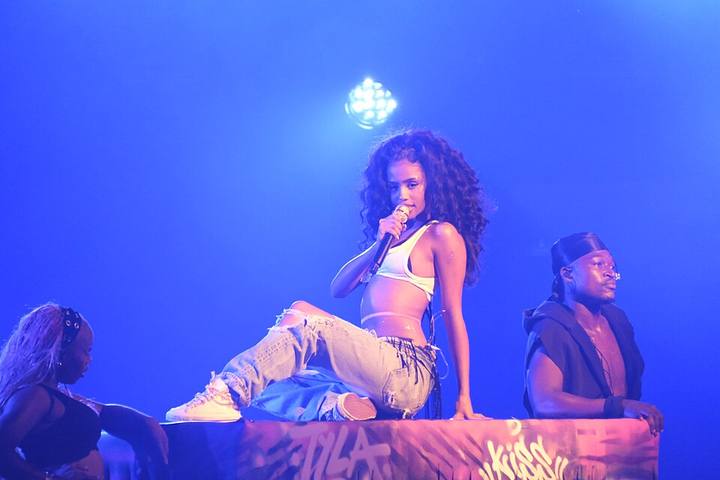
The Lagos Cancellation Is Not About Tyla Really, Or Is It ?
Pan-African2 MINREAD →
MUSICSTRATA-AF™★ EDITOR'S PICK
Blood, Beats & Betrayal: How Family Killed P-Square
Nigeria2 MINREAD →
MUSICBY THE NUMBERSSTRATA-AF™ ORIGINAL
Where African Artists Earn, Lose, and Get Erased on Stream
Pan-African2 MINREAD →
HEALTHSTRATA-AF™★ EDITOR'S PICK
Uganda Held the Line on Ebola. Here's the Playbook Congo Needs Now
DR Congo2 MINREAD →
MUSICSTRATA-AF™STRATA-AF™ ORIGINAL
Music Is Starving in Sudan: How the RSF Silenced a Generation of Artists
Sudan2 MINREAD →
CULTURESTRATA-AF™★ EDITOR'S PICK
How BBNaija Rewired Nigerian Television And Everything Around It
Lagos, Pan-African2 MINREAD →
FASHIONSTRATA-AF™★ EDITOR'S PICK
Lagos Fashion Week's Green Push Is Either Africa's Best Bet or Its Greenest Greenwash
Pan-African2 MINREAD →
CULTURESTRATA-AF™★ EDITOR'S PICK
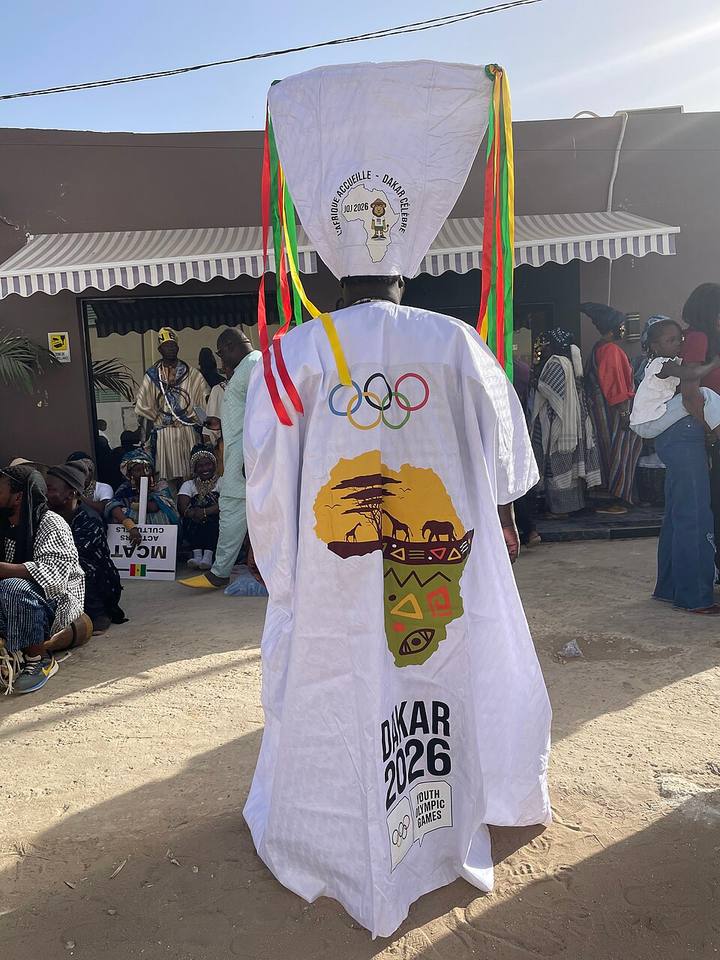
Dakar 2026 Is Africa's Olympic Moment
Senegal2 MINREAD →
SPORTSFROM THE WEB★ EDITOR'S PICK
Senegal set to make Olympic history with Dakar 2026 Youth Games
Dakar 2026 breaks a hosting monopoly that has excluded Africa from Olympic stewardship for over a century — the question is what institutional and economic legacy Senegal can extract from the moment.
Senegal1 MIN · Africanews · 25 JULREAD →
See all stories

The actual version — written by the people who live there.

10VERTICALS
6TYPES
5CITIES
1STANDARD
AboutMissionManifestoLegalOriginalsSubscribeArchiveShowsContributorsJobs
© 2026 STRATA-AF™ · STRATA PUBLISHING CO LTD · LAGOS · NAIROBI · JOBURG · ACCRA
 
 
--:--LAGOS
CultureMusicFilmTechSportsPoliticsHealthFinanceReligionFashion
film
What Showmax's Restructure Should Teach Young Creatives

Platform dependency is a business model until the platform changes its mind.

The Showmax situation has unsettled South Africa's film and television industry.

Mzi Kaka · Music In Africa
South Africa5 MIN
From the web · Music In Africa
What Showmax's Restructure Should Teach Young Creatives
IMAGE · showmax · GIPHY
STRATA-AF™ ANGLEEDITORIAL SYNTHESIS BY STRATA-AF™

Showmax's restructuring signals a broader shift in how global streaming platforms prioritize African content, forcing local creatives to diversify revenue streams beyond platform dependency. This moment underscores the urgent need for Africa's creative economy to build sustainable, locally-owned distribution channels that can weather international corporate decisions.

The Streaming Wars Come Home: What Showmax's Retreat Means for African Storytelling

The restructuring of Showmax represents more than just another corporate pivot in the entertainment industry. It signals a critical juncture for African content creators who have long struggled to find platforms that genuinely champion their narratives. When a service that positioned itself as a champion of premium local content suddenly retreats from that mission, it exposes the fragile foundations upon which much of Africa's digital content ecosystem has been built. This moment demands that we examine not just what went wrong, but what this teaches us about the precarious relationship between African creativity and global capital.

For young creatives across the continent, Showmax's shift serves as a sobering reminder that platforms controlled by external interests can vanish or transform overnight, regardless of the quality or cultural significance of the content they host. The streaming service's initial promise to elevate African stories felt revolutionary in a landscape dominated by Western narratives, offering hope that local creators could finally access the production budgets and distribution networks necessary to compete globally. Yet its pullback reveals the uncomfortable truth that African content often remains a secondary consideration when business models face pressure, expendable when the financial mathematics no longer align with shareholder expectations.

This pattern extends far beyond South Africa's borders, reflecting a continental challenge where African creatives consistently find themselves dependent on platforms and funding structures that view their work through the lens of market viability rather than cultural necessity. From Nigeria's Nollywood to Kenya's burgeoning film scene, creators have watched international streaming giants enter their markets with grand promises, only to retreat or pivot when local content fails to generate the same engagement metrics as imported productions. The Showmax situation crystallizes this dynamic, forcing a conversation about whether African stories can ever truly thrive within business models designed primarily for Western audiences and sensibilities.

The implications reach deeper than individual career trajectories or single productions. When platforms like Showmax scale back their commitment to local content, they create gaps in the cultural record, stories that might have been told remain untold, voices that could have emerged stay silent. This represents a form of cultural disruption that reverberates across generations, as each abandoned project or cancelled series represents lost opportunities to shape how Africans see themselves and how the world perceives African experiences. The entertainment industry's role as both mirror and architect of social consciousness makes these losses particularly acute.

However, this moment also presents an opportunity for African creatives to fundamentally reimagine their relationship with content distribution and financing. Rather than perpetually seeking validation and support from external platforms, the continent's entertainment industry might use this disruption to develop more sustainable, locally-controlled alternatives. The success of platforms like iROKOtv and the growing influence of African content on global streaming services suggests that audiences exist for authentic African storytelling, the challenge lies in building infrastructure that serves those audiences without compromising creative independence.

The business lesson embedded in Showmax's transformation extends beyond the entertainment sector to broader questions of economic sovereignty and cultural self-determination. African creatives must grapple with the reality that sustainable careers in entertainment may require building their own platforms, developing alternative funding mechanisms, and creating distribution networks that prioritize cultural value alongside commercial success. This is not simply about rejecting external partnership, but about ensuring that such collaborations occur on terms that protect the integrity and continuity of African storytelling.

Ultimately, the Showmax situation should catalyze a more sophisticated understanding of the entertainment business among African creatives, one that recognizes the inherent tensions between artistic expression and commercial imperatives while working to resolve them in favor of sustainable, culturally grounded content creation. The future of African entertainment depends not on the benevolence of international platforms, but on the industry's ability to create its own foundations for success.

READ THE SOURCE REPORT FROM MUSIC IN AFRICA

Enjoying Strata-AF™?

Sign in or sign up for a personalised feed and unlock Strata-AF™ Originals.

SIGN IN / SIGN UP
--:--LAGOS
/shows/data/docs
film
What Showmax's Restructure Should Teach Young Creatives
IMAGE · showmax · GIPHY
What Showmax's Restructure Should Teach Young Creatives

Platform dependency is a business model until the platform changes its mind.

The Showmax situation has unsettled South Africa's film and television industry.

Mzi Kaka · Music In Africa
South Africa5 MIN READ
From the web · Music In Africa
STRATA-AF™ ANGLEEDITORIAL SYNTHESIS BY STRATA-AF™

Showmax's restructuring signals a broader shift in how global streaming platforms prioritize African content, forcing local creatives to diversify revenue streams beyond platform dependency. This moment underscores the urgent need for Africa's creative economy to build sustainable, locally-owned distribution channels that can weather international corporate decisions.

The Streaming Wars Come Home: What Showmax's Retreat Means for African Storytelling

The restructuring of Showmax represents more than just another corporate pivot in the entertainment industry. It signals a critical juncture for African content creators who have long struggled to find platforms that genuinely champion their narratives. When a service that positioned itself as a champion of premium local content suddenly retreats from that mission, it exposes the fragile foundations upon which much of Africa's digital content ecosystem has been built. This moment demands that we examine not just what went wrong, but what this teaches us about the precarious relationship between African creativity and global capital.

For young creatives across the continent, Showmax's shift serves as a sobering reminder that platforms controlled by external interests can vanish or transform overnight, regardless of the quality or cultural significance of the content they host. The streaming service's initial promise to elevate African stories felt revolutionary in a landscape dominated by Western narratives, offering hope that local creators could finally access the production budgets and distribution networks necessary to compete globally. Yet its pullback reveals the uncomfortable truth that African content often remains a secondary consideration when business models face pressure, expendable when the financial mathematics no longer align with shareholder expectations.

This pattern extends far beyond South Africa's borders, reflecting a continental challenge where African creatives consistently find themselves dependent on platforms and funding structures that view their work through the lens of market viability rather than cultural necessity. From Nigeria's Nollywood to Kenya's burgeoning film scene, creators have watched international streaming giants enter their markets with grand promises, only to retreat or pivot when local content fails to generate the same engagement metrics as imported productions. The Showmax situation crystallizes this dynamic, forcing a conversation about whether African stories can ever truly thrive within business models designed primarily for Western audiences and sensibilities.

The implications reach deeper than individual career trajectories or single productions. When platforms like Showmax scale back their commitment to local content, they create gaps in the cultural record, stories that might have been told remain untold, voices that could have emerged stay silent. This represents a form of cultural disruption that reverberates across generations, as each abandoned project or cancelled series represents lost opportunities to shape how Africans see themselves and how the world perceives African experiences. The entertainment industry's role as both mirror and architect of social consciousness makes these losses particularly acute.

However, this moment also presents an opportunity for African creatives to fundamentally reimagine their relationship with content distribution and financing. Rather than perpetually seeking validation and support from external platforms, the continent's entertainment industry might use this disruption to develop more sustainable, locally-controlled alternatives. The success of platforms like iROKOtv and the growing influence of African content on global streaming services suggests that audiences exist for authentic African storytelling, the challenge lies in building infrastructure that serves those audiences without compromising creative independence.

The business lesson embedded in Showmax's transformation extends beyond the entertainment sector to broader questions of economic sovereignty and cultural self-determination. African creatives must grapple with the reality that sustainable careers in entertainment may require building their own platforms, developing alternative funding mechanisms, and creating distribution networks that prioritize cultural value alongside commercial success. This is not simply about rejecting external partnership, but about ensuring that such collaborations occur on terms that protect the integrity and continuity of African storytelling.

Ultimately, the Showmax situation should catalyze a more sophisticated understanding of the entertainment business among African creatives, one that recognizes the inherent tensions between artistic expression and commercial imperatives while working to resolve them in favor of sustainable, culturally grounded content creation. The future of African entertainment depends not on the benevolence of international platforms, but on the industry's ability to create its own foundations for success.

READ THE SOURCE REPORT FROM MUSIC IN AFRICA

Enjoying Strata-AF™?

Sign in or sign up for a personalised feed and unlock Strata-AF™ Originals.
SIGN IN / SIGN UP
VERTICAL
film
ORIGIN
South Africa
CULTURE · MUSIC · FILM · TECH · SPORT · POLITICS · HEALTH · FINANCE · RELIGION · FASHION · LAGOS · NAIROBI · JOBURG · ACCRA · DATA JOURNALISM · ORIGINAL REPORTING · THE ACTUAL VERSION ·CULTURE · MUSIC · FILM · TECH · SPORT · POLITICS · HEALTH · FINANCE · RELIGION · FASHION · LAGOS · NAIROBI · JOBURG · ACCRA · DATA JOURNALISM · ORIGINAL REPORTING · THE ACTUAL VERSION ·
Premium editorial for a continent that's done waiting to be covered.

Not the export-market version. Not the diaspora version. The actual version — written by the people who live there.

Verticals
CultureMusicFilmTechSportsPolitics
HUBS
Strata-AF OriginalsDataDocsNewsletterArchiveShows
Company
AboutMissionManifestoLegal
REACH
10VERTICALS
6CONTENT TYPES
5CITIES
1STANDARD
© 2026 STRATA-AF™ · STRATA PUBLISHING CO LTD · LAGOS · JOBURG · NAIROBI · ACCRAPRIVACYTERMSCORRECTIONSMASTHEAD