--:--LAGOS
CultureMusicFilmTechSportsPoliticsHealthFinanceReligionFashion
health
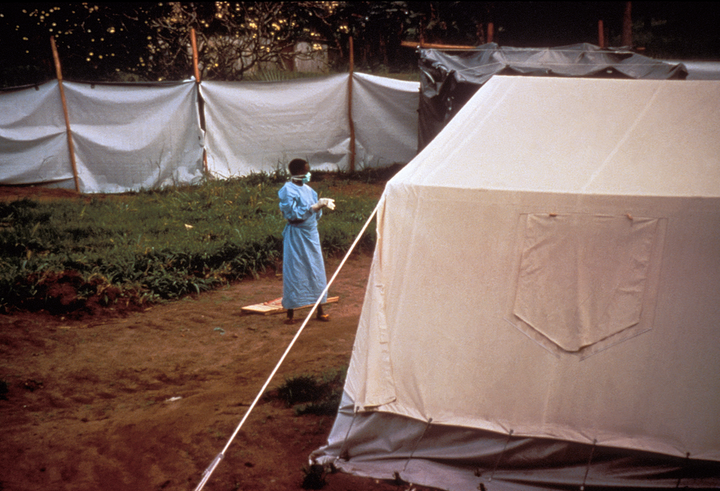
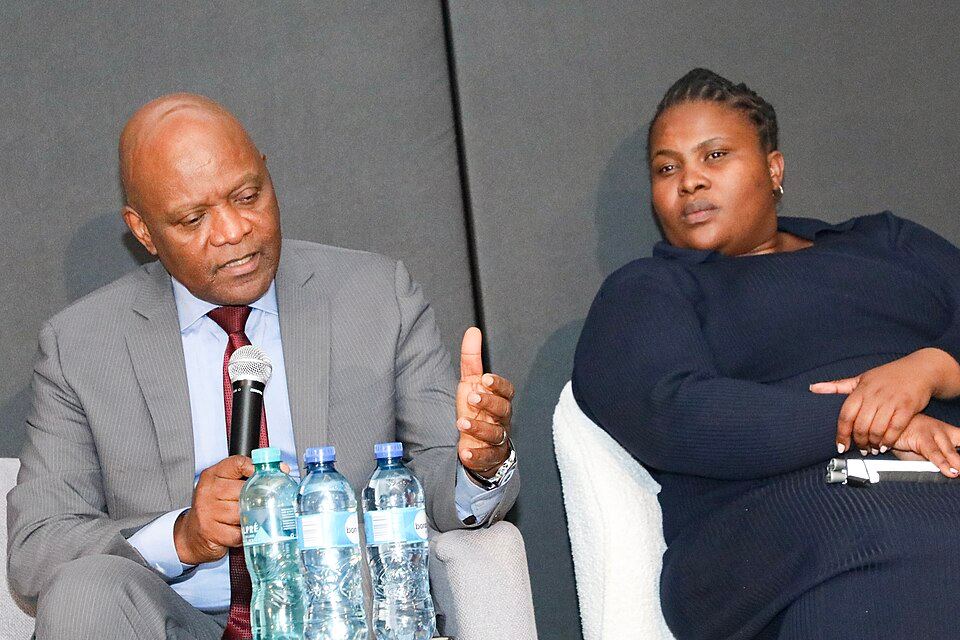
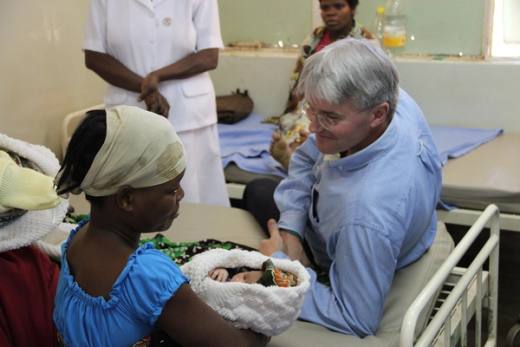
US to stop funding HIV programmes in South Africa

More than eight million South Africans are living with HIV, the highest number of any country in the world.
South Africa2 MIN · 19 JUNE 2026
From the web · BBC
US to stop funding HIV programmes in South Africa
IMAGE · Wikimedia Commons
STRATA-AF™ ANGLEEDITORIAL SYNTHESIS BY STRATA-AF™

The US decision to defund HIV programmes in South Africa is not a health policy decision. It is a geopolitical signal delivered through healthcare infrastructure, targeting a country with over 8 million people living with HIV and an ARV supply chain that PEPFAR has underwritten for two decades. South Africa's government now faces the structural choice it has avoided while donor funding was available: whether to build domestic pharmaceutical manufacturing capacity at scale or remain exposed to the foreign policy decisions of governments whose strategic interests do not map onto South African public health needs. The window to make that choice without a treatment gap is narrowing.

The US ending HIV programme funding in South Africa lands at a moment when South Africa still carries one of the world's largest HIV-positive populations, and where American funding, through PEPFAR and related channels, has been structurally embedded in the country's public health response for two decades. A funding withdrawal of this scale isn't a budget line item; it's a structural shock to a health system that built core HIV treatment and prevention infrastructure around the assumption of continued US support.

South Africa has made real progress on HIV treatment access and viral suppression rates over the past fifteen years, progress that international funding partnerships were central to achieving. The immediate question is whether domestic health financing can absorb the gap quickly enough to prevent treatment interruptions for patients already on antiretroviral regimens, interruptions that carry both individual health risks and broader public health consequences through resistance and renewed transmission.

The deeper question, for South Africa and for other African countries dependent on similar US health financing, is what this signals about the durability of donor-funded health infrastructure more broadly. Programmes built on the assumption of indefinite foreign funding are, by definition, vulnerable to exactly this kind of policy shift, and African health ministries will need contingency financing plans that don't currently appear to exist at the scale required.

READ THE SOURCE REPORT FROM BBC

Enjoying Strata-AF™?

Sign in or sign up for a personalised feed and unlock Strata-AF™ Originals.
SIGN IN / SIGN UP
READ NEXT
Malawi Sounds Life-or-Death Alarm As Sickle-Cell Claims Young Children
HEALTHAllAfrica
Malawi Sounds Life-or-Death Alarm As Sickle-Cell Claims Young Children
Malawi2 MINREAD →
WHO and Africa CDC Launch $518 Million Ebola Response Initiative
HEALTHDevex
WHO and Africa CDC Launch $518 Million Ebola Response Initiative
3 MINREAD →
--:--LAGOS
STRATA-AF™
ISSUE 001FEED◎ SEARCHSUBSCRIBE
/shows/data/docs
health
US to stop funding HIV programmes in South Africa
IMAGE · Wikimedia Commons
US to stop funding HIV programmes in South Africa

More than eight million South Africans are living with HIV, the highest number of any country in the world.

South Africa2 MIN READ · 19 JUNE 2026
From the web · BBC
STRATA-AF™ ANGLEEDITORIAL SYNTHESIS BY STRATA-AF™

The US decision to defund HIV programmes in South Africa is not a health policy decision. It is a geopolitical signal delivered through healthcare infrastructure, targeting a country with over 8 million people living with HIV and an ARV supply chain that PEPFAR has underwritten for two decades. South Africa's government now faces the structural choice it has avoided while donor funding was available: whether to build domestic pharmaceutical manufacturing capacity at scale or remain exposed to the foreign policy decisions of governments whose strategic interests do not map onto South African public health needs. The window to make that choice without a treatment gap is narrowing.

The US ending HIV programme funding in South Africa lands at a moment when South Africa still carries one of the world's largest HIV-positive populations, and where American funding, through PEPFAR and related channels, has been structurally embedded in the country's public health response for two decades. A funding withdrawal of this scale isn't a budget line item; it's a structural shock to a health system that built core HIV treatment and prevention infrastructure around the assumption of continued US support.

South Africa has made real progress on HIV treatment access and viral suppression rates over the past fifteen years, progress that international funding partnerships were central to achieving. The immediate question is whether domestic health financing can absorb the gap quickly enough to prevent treatment interruptions for patients already on antiretroviral regimens, interruptions that carry both individual health risks and broader public health consequences through resistance and renewed transmission.

The deeper question, for South Africa and for other African countries dependent on similar US health financing, is what this signals about the durability of donor-funded health infrastructure more broadly. Programmes built on the assumption of indefinite foreign funding are, by definition, vulnerable to exactly this kind of policy shift, and African health ministries will need contingency financing plans that don't currently appear to exist at the scale required.

READ THE SOURCE REPORT FROM BBC

Enjoying Strata-AF™?

Sign in or sign up for a personalised feed and unlock Strata-AF™ Originals.

SIGN IN / SIGN UP
VERTICAL
health
ORIGIN
South Africa
PUBLISHED
19 JUNE 2026
READ NEXT2 PIECES SELECTED BY OUR EDITORS
HEALTH
Malawi Sounds Life-or-Death Alarm As Sickle-Cell Claims Young Children
Malawi has issued an urgent call for sustained funding to prevent children with sickle cell disease from dying before their fifth birthday, as health advocates warn that a lack of early diagnosis and consistent care is costing young lives.
Malawi2 MINREAD →
HEALTH
WHO and Africa CDC Launch $518 Million Ebola Response Initiative
The World Health Organization and Africa CDC have unveiled a comprehensive $518 million plan to combat Ebola outbreaks across the continent. The initiative represents a coordinated continental approach to epidemic preparedness and response.
3 MINREAD →
CULTURE · MUSIC · FILM · TECH · SPORT · POLITICS · HEALTH · FINANCE · RELIGION · FASHION · LAGOS · NAIROBI · JOBURG · ACCRA · DATA JOURNALISM · ORIGINAL REPORTING · THE ACTUAL VERSION ·CULTURE · MUSIC · FILM · TECH · SPORT · POLITICS · HEALTH · FINANCE · RELIGION · FASHION · LAGOS · NAIROBI · JOBURG · ACCRA · DATA JOURNALISM · ORIGINAL REPORTING · THE ACTUAL VERSION ·
Premium editorial for a continent that's done waiting to be covered.

Not the export-market version. Not the diaspora version. The actual version — written by the people who live there.

Verticals
CultureMusicFilmTechSportsPolitics
HUBS
Strata-AF OriginalsDataDocsNewsletterArchiveShows
Company
AboutMissionManifestoLegal
REACH
10VERTICALS
6CONTENT TYPES
5CITIES
1STANDARD
© 2026 STRATA-AF™ · STRATA PUBLISHING CO LTD · LAGOS · JOBURG · NAIROBI · ACCRAPRIVACYTERMSCORRECTIONSMASTHEAD
 
 
--:--LAGOS
CultureMusicFilmTechSportsPoliticsHealthFinanceReligionFashion
Highlights
Strata-AF
Editor's Pick
From the web
SPORTSSTRATA-AF™STRATA-AF™ ORIGINAL
WAFCON 2026 Proved African Women's Football Is Ready. The Clubs Aren't.
2 MINREAD →
POLITICSSTRATA-AF™★ EDITOR'S PICK
The Lagos Cancellation Is Not About Tyla Really, Or Is It ?
Pan-African2 MINREAD →
MUSICSTRATA-AF™★ EDITOR'S PICK
Blood, Beats & Betrayal: How Family Killed P-Square
Nigeria2 MINREAD →
MUSICBY THE NUMBERSSTRATA-AF™ ORIGINAL
Where African Artists Earn, Lose, and Get Erased on Stream
Pan-African2 MINREAD →
HEALTHSTRATA-AF™★ EDITOR'S PICK
Uganda Held the Line on Ebola. Here's the Playbook Congo Needs Now
DR Congo2 MINREAD →
MUSICSTRATA-AF™STRATA-AF™ ORIGINAL
Music Is Starving in Sudan: How the RSF Silenced a Generation of Artists
Sudan2 MINREAD →
CULTURESTRATA-AF™★ EDITOR'S PICK
How BBNaija Rewired Nigerian Television And Everything Around It
Lagos, Pan-African2 MINREAD →
FASHIONSTRATA-AF™★ EDITOR'S PICK
Lagos Fashion Week's Green Push Is Either Africa's Best Bet or Its Greenest Greenwash
Pan-African2 MINREAD →
CULTURESTRATA-AF™★ EDITOR'S PICK
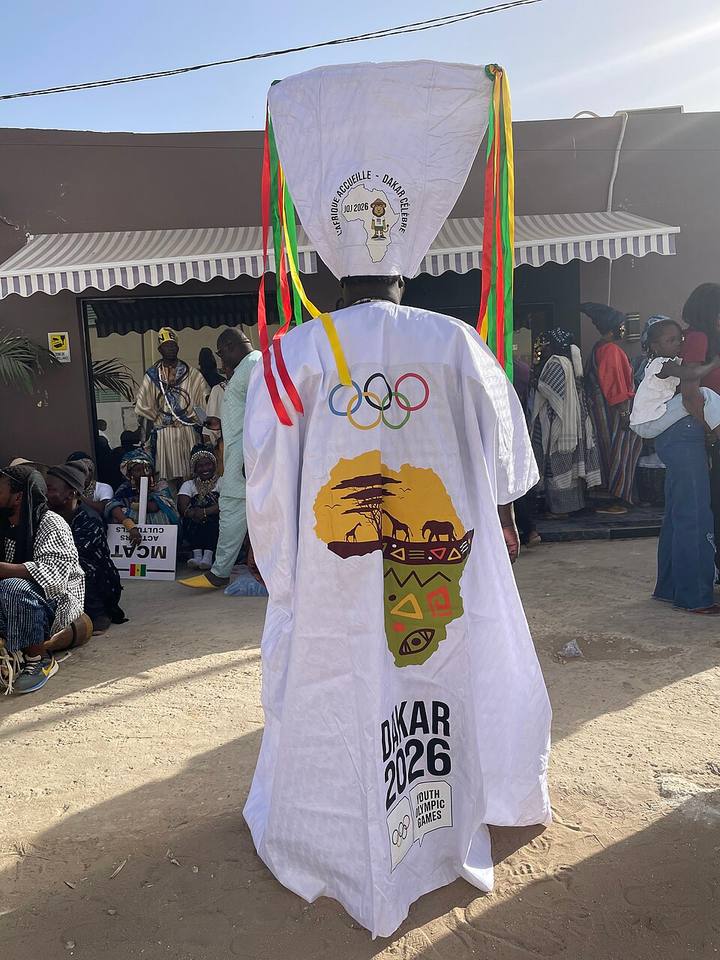
Dakar 2026 Is Africa's Olympic Moment
Senegal2 MINREAD →
SPORTSFROM THE WEB★ EDITOR'S PICK
Senegal set to make Olympic history with Dakar 2026 Youth Games
Dakar 2026 breaks a hosting monopoly that has excluded Africa from Olympic stewardship for over a century — the question is what institutional and economic legacy Senegal can extract from the moment.
Senegal1 MIN · Africanews · 25 JULREAD →
See all stories

The actual version — written by the people who live there.

10VERTICALS
6TYPES
5CITIES
1STANDARD
AboutMissionManifestoLegalOriginalsSubscribeArchiveShowsContributorsJobs
© 2026 STRATA-AF™ · STRATA PUBLISHING CO LTD · LAGOS · NAIROBI · JOBURG · ACCRA
 
 
--:--LAGOS
CultureMusicFilmTechSportsPoliticsHealthFinanceReligionFashion
health
US to stop funding HIV programmes in South Africa

More than eight million South Africans are living with HIV, the highest number of any country in the world.

South Africa2 MIN · 19 JUNE 2026
From the web · BBC
US to stop funding HIV programmes in South Africa
STRATA-AF™ ANGLEEDITORIAL SYNTHESIS BY STRATA-AF™

The US decision to defund HIV programmes in South Africa is not a health policy decision. It is a geopolitical signal delivered through healthcare infrastructure, targeting a country with over 8 million people living with HIV and an ARV supply chain that PEPFAR has underwritten for two decades. South Africa's government now faces the structural choice it has avoided while donor funding was available: whether to build domestic pharmaceutical manufacturing capacity at scale or remain exposed to the foreign policy decisions of governments whose strategic interests do not map onto South African public health needs. The window to make that choice without a treatment gap is narrowing.

The US ending HIV programme funding in South Africa lands at a moment when South Africa still carries one of the world's largest HIV-positive populations, and where American funding, through PEPFAR and related channels, has been structurally embedded in the country's public health response for two decades. A funding withdrawal of this scale isn't a budget line item; it's a structural shock to a health system that built core HIV treatment and prevention infrastructure around the assumption of continued US support.

South Africa has made real progress on HIV treatment access and viral suppression rates over the past fifteen years, progress that international funding partnerships were central to achieving. The immediate question is whether domestic health financing can absorb the gap quickly enough to prevent treatment interruptions for patients already on antiretroviral regimens, interruptions that carry both individual health risks and broader public health consequences through resistance and renewed transmission.

The deeper question, for South Africa and for other African countries dependent on similar US health financing, is what this signals about the durability of donor-funded health infrastructure more broadly. Programmes built on the assumption of indefinite foreign funding are, by definition, vulnerable to exactly this kind of policy shift, and African health ministries will need contingency financing plans that don't currently appear to exist at the scale required.

READ THE SOURCE REPORT FROM BBC

Enjoying Strata-AF™?

Sign in or sign up for a personalised feed and unlock Strata-AF™ Originals.
SIGN IN / SIGN UP
READ NEXT
--:--LAGOS
/shows/data/docs
health
US to stop funding HIV programmes in South Africa
IMAGE · Wikimedia Commons
US to stop funding HIV programmes in South Africa

More than eight million South Africans are living with HIV, the highest number of any country in the world.

South Africa2 MIN READ · 19 JUNE 2026
From the web · BBC
STRATA-AF™ ANGLEEDITORIAL SYNTHESIS BY STRATA-AF™

The US decision to defund HIV programmes in South Africa is not a health policy decision. It is a geopolitical signal delivered through healthcare infrastructure, targeting a country with over 8 million people living with HIV and an ARV supply chain that PEPFAR has underwritten for two decades. South Africa's government now faces the structural choice it has avoided while donor funding was available: whether to build domestic pharmaceutical manufacturing capacity at scale or remain exposed to the foreign policy decisions of governments whose strategic interests do not map onto South African public health needs. The window to make that choice without a treatment gap is narrowing.

The US ending HIV programme funding in South Africa lands at a moment when South Africa still carries one of the world's largest HIV-positive populations, and where American funding, through PEPFAR and related channels, has been structurally embedded in the country's public health response for two decades. A funding withdrawal of this scale isn't a budget line item; it's a structural shock to a health system that built core HIV treatment and prevention infrastructure around the assumption of continued US support.

South Africa has made real progress on HIV treatment access and viral suppression rates over the past fifteen years, progress that international funding partnerships were central to achieving. The immediate question is whether domestic health financing can absorb the gap quickly enough to prevent treatment interruptions for patients already on antiretroviral regimens, interruptions that carry both individual health risks and broader public health consequences through resistance and renewed transmission.

The deeper question, for South Africa and for other African countries dependent on similar US health financing, is what this signals about the durability of donor-funded health infrastructure more broadly. Programmes built on the assumption of indefinite foreign funding are, by definition, vulnerable to exactly this kind of policy shift, and African health ministries will need contingency financing plans that don't currently appear to exist at the scale required.

READ THE SOURCE REPORT FROM BBC

Enjoying Strata-AF™?

Sign in or sign up for a personalised feed and unlock Strata-AF™ Originals.

SIGN IN / SIGN UP
VERTICAL
health
ORIGIN
South Africa
PUBLISHED
19 JUNE 2026
READ NEXT2 PIECES SELECTED BY OUR EDITORS
CULTURE · MUSIC · FILM · TECH · SPORT · POLITICS · HEALTH · FINANCE · RELIGION · FASHION · LAGOS · NAIROBI · JOBURG · ACCRA · DATA JOURNALISM · ORIGINAL REPORTING · THE ACTUAL VERSION ·CULTURE · MUSIC · FILM · TECH · SPORT · POLITICS · HEALTH · FINANCE · RELIGION · FASHION · LAGOS · NAIROBI · JOBURG · ACCRA · DATA JOURNALISM · ORIGINAL REPORTING · THE ACTUAL VERSION ·
Premium editorial for a continent that's done waiting to be covered.

Not the export-market version. Not the diaspora version. The actual version — written by the people who live there.

Verticals
CultureMusicFilmTechSportsPolitics
HUBS
Strata-AF OriginalsDataDocsNewsletterArchiveShows
Company
AboutMissionManifestoLegal
REACH
10VERTICALS
6CONTENT TYPES
5CITIES
1STANDARD
© 2026 STRATA-AF™ · STRATA PUBLISHING CO LTD · LAGOS · JOBURG · NAIROBI · ACCRAPRIVACYTERMSCORRECTIONSMASTHEAD