UN climate chief Simon Stiell urged governments at Bonn talks to accelerate implementation of climate commitments, warning that fossil fuel dependence drives economic instability and worsens climate impacts.

As climate impacts intensify across Africa, from droughts in the Horn to flooding in West Africa, Stiell's call for faster action resonates particularly strongly for a continent that contributes least to global emissions but suffers disproportionately from their effects. The push to move beyond fossil fuel dependence could accelerate Africa's renewable energy transition, potentially positioning the continent as a global leader in clean energy development.
The opening of the UN's mid-year climate talks in Bonn carries particular significance for Africa, a continent that contributes minimally to global emissions yet suffers disproportionately from climate impacts. Simon Stiell's call for accelerated action reflects a growing urgency that resonates deeply across African nations, where climate change threatens agricultural productivity, water security, and economic stability.
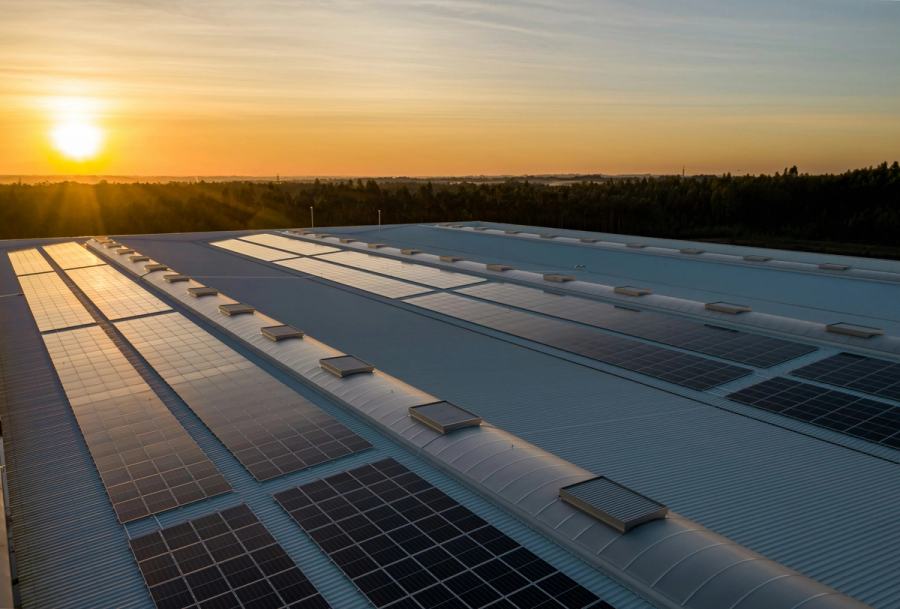
For African countries, the transition away from fossil fuel dependence presents both challenges and opportunities. While many African nations possess abundant renewable energy resources, solar potential in the Sahara, wind capacity along coastal regions, and geothermal possibilities in the Rift Valley, the continent requires substantial international support to harness these resources effectively. The economic instability that Stiell attributes to fossil fuel dependence is particularly acute in oil-dependent African economies like Nigeria and Angola, where commodity price volatility undermines fiscal planning and development.
The implementation gap that Stiell highlights reflects broader structural inequalities in global climate governance. African nations have consistently advocated for loss and damage financing, technology transfer, and capacity building support, yet these commitments often remain unfulfilled. The continent's adaptation needs are immediate and substantial, from drought-resistant agriculture in the Sahel to coastal protection in West Africa, requiring action that matches the urgency of Stiell's message.
As Bonn talks commence, African negotiators face the challenge of ensuring that global climate commitments translate into concrete support for continental priorities. The continent's climate diplomacy increasingly emphasizes that African development and global climate stability are interconnected goals. Success in Bonn will be measured not just by renewed pledges, but by mechanisms that deliver tangible resources and technology to African communities confronting climate realities daily.
The talks also occur against the backdrop of Africa's growing assertion of climate justice principles, demanding that historical emitters take greater responsibility while supporting African nations in pursuing low-carbon development pathways. This represents a maturation of African climate diplomacy, moving beyond victimhood narratives toward proactive engagement that positions the continent as essential to global climate solutions.
READ THE SOURCE REPORT FROM MAIL & GUARDIAN →Enjoying Strata-AF™?
Sign in or sign up for a personalised feed and unlock Strata-AF™ Originals.