Featured, not decorative. The distinction is the whole point.
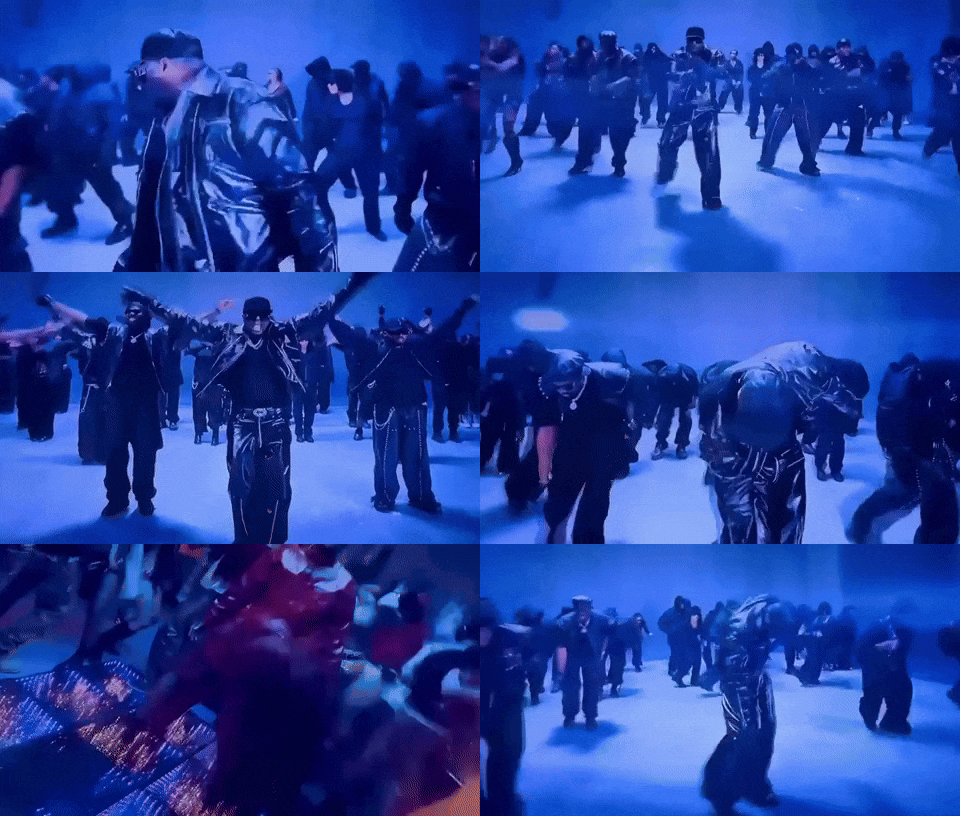
Uganda's Triplets Ghetto Kids take center stage in the official 2026 FIFA World Cup music video for "Dai Dai" by Shakira and Burna Boy.
The Ghetto Kids' starring role in this global FIFA anthem represents a powerful moment of African cultural export, showcasing how grassroots talent from Uganda can command center stage alongside international superstars. This collaboration signals Africa's growing influence in shaping global entertainment narratives, moving beyond being featured to being the feature itself.
**Africa's Creative Renaissance Takes Center Stage on the World's Biggest Platform**
The selection of Uganda's Triplets Ghetto Kids as the centerpiece of the 2026 FIFA World Cup anthem represents a seismic shift in how global entertainment recognizes and platforms African talent. In a music video that could have easily defaulted to Western aesthetics and performers, the deliberate choice to feature these young Ugandan dancers alongside football superstars Messi, Mbappé, and Haaland sends a powerful message about Africa's rightful place in global cultural conversations. This isn't tokenism or charitable inclusion. It's an acknowledgment that African creativity is not just competitive on the world stage, but often superior in its authenticity, energy, and cultural resonance.
The Triplets Ghetto Kids embody the kind of grassroots excellence that has long defined African artistry, talent that emerges not from expensive academies or privileged backgrounds, but from communities where creativity becomes a form of survival and expression. Their journey from the streets of Kampala to sharing screen time with global superstars in an official FIFA production illustrates the democratizing power of digital platforms and social media in amplifying African voices. More importantly, their presence in this high-profile collaboration demonstrates how African artists are increasingly refusing to be relegated to the margins of international productions, instead demanding, and receiving, central billing.
Burna Boy's involvement as both performer and presumably advocate for including the Ghetto Kids reflects the growing consciousness among successful African artists about lifting up the continent's emerging talent. The Grammy-winning Nigerian artist has consistently used his platform to showcase African excellence, and this collaboration continues that tradition while expanding it to include East African representation. This cross-continental artistic solidarity within Africa speaks to a maturing pan-African identity in the entertainment industry, where success is increasingly viewed as a collective African achievement rather than isolated national victories.
The timing of this collaboration is particularly significant as Africa prepares to host the 2030 FIFA World Cup, with Morocco leading a joint bid that could bring the tournament to the continent for only the second time in history. By centering African performers in the 2026 World Cup's cultural programming, FIFA appears to be acknowledging Africa's growing influence in global football culture, not just as a source of athletic talent, but as a creative force capable of defining the tournament's cultural identity. The Ghetto Kids' prominent role serves as a preview of the kind of authentic African representation we might expect when the continent takes center stage as a World Cup host.
This moment also highlights the evolution of how international brands and organizations approach African partnerships. Rather than the extractive collaborations of the past, where African elements were borrowed without proper attribution or compensation. This project appears to position African artists as equal creative partners. The production values, directorial choice of Hannah Lux Davis, and the caliber of featured athletes suggest a serious investment in showcasing African talent at the highest level, setting a new standard for how global productions should engage with the continent's creative communities.
Perhaps most importantly, the Ghetto Kids' starring role in this video will expose millions of viewers worldwide to the depth and sophistication of African dance culture, challenging stereotypes while celebrating authenticity. Their presence transforms what could have been another generic sports anthem into a genuine cultural exchange, where African artistic expression takes center stage rather than serving as exotic backdrop. This representation matters not just for its symbolic value, but for its potential to inspire a new generation of African creatives to dream beyond continental boundaries while staying rooted in their cultural identities.
READ THE SOURCE REPORT FROM BELLANAIJA →Enjoying Strata-AF™?
Sign in or sign up for a personalised feed and unlock Strata-AF™ Originals.