--:--LAGOS
CultureMusicFilmTechSportsPoliticsHealthFinanceReligionFashion
culture
Teachers in Oyo State put down tools over the kidnapping of colleagues

The Nigeria Union of Teachers (NUT) called an open-ended strike from Monday in the state of Oyo, in protest at the kidnapping in mid-May of dozens of children and their teachers.

Nigeria4 MIN
From the web · Africanews
Teachers in Oyo State put down tools over the kidnapping of colleagues
IMAGE · Eukoha
STRATA-AF™ ANGLEEDITORIAL SYNTHESIS BY STRATA-AF™

While global media obsesses over European football transfers worth millions, Nigeria's educators are literally risking their lives for salaries that barely cover rent, and when kidnappers target entire classrooms, teachers down tools because their government has failed to provide the basic security that should come before any World Cup bid or sports infrastructure investment. This is the stark reality of priorities across a continent where we'll spend billions on stadiums while teachers in Oyo State can't even guarantee they'll make it home alive. Until Africa's governments protect the educators shaping the next generation with the same fervor they reserve for hosting international sporting events, we're building our sporting dreams on a foundation of neglect.

The indefinite strike by the Nigeria Union of Teachers in Oyo State represents far more than a localized labor dispute. It embodies a continental crisis that threatens the very foundation of Africa's educational aspirations. When teachers down tools not over wages or working conditions but over the fundamental safety of educators and students, we witness the stark reality that many African nations face: the inability to guarantee basic security for those charged with nurturing the next generation. This work stoppage should serve as a clarion call across the continent, reminding us that education cannot flourish in an atmosphere of fear and uncertainty.

The kidnapping of teachers and students in Nigeria has become a tragic pattern that exposes the broader security challenges plaguing several African states. From the Chibok girls to countless other incidents across the Sahel and West Africa, educational institutions have increasingly become targets for criminal enterprises and extremist groups. This trend represents an attack not just on individuals but on the collective African dream of human capital development. When schools become dangerous spaces rather than sanctuaries of learning, entire communities lose faith in the promise of education as a pathway to prosperity and progress.

The courage of teachers who continue to serve despite these risks deserves continental recognition and support. Across Africa, educators often work in challenging conditions, inadequate infrastructure, insufficient resources, and now, in many regions, genuine threats to their physical safety. The strike in Oyo State reflects not cowardice but a necessary stand for the principle that education cannot be delivered at the cost of human lives. These teachers are demanding what should be a fundamental guarantee: that governments protect those who dedicate their lives to public service.

From a Pan-African perspective, Nigeria's education security crisis cannot be viewed in isolation. The porosity of borders means that criminal networks operate across multiple countries, and the failure of one nation to secure its educational spaces creates ripple effects throughout the region. Countries like Niger, Mali, and Burkina Faso have witnessed similar attacks on schools, suggesting that this is not merely a Nigerian problem but a regional challenge requiring coordinated continental responses through institutions like the African Union and ECOWAS.

The economic implications of this crisis extend far beyond the immediate disruption of classes. When education systems become unreliable due to security concerns, it accelerates brain drain as families with means seek safer educational environments abroad. This phenomenon undermines Africa's capacity to develop the skilled workforce necessary for economic transformation and technological advancement. The irony is bitter: at a time when African nations are calling for increased investment in education to compete globally, security failures are making such investments increasingly difficult to justify or sustain.

The response to this crisis must be as comprehensive as the challenge itself. African governments need to recognize that education security is national security, requiring dedicated resources and strategic planning. This means not only immediate protection for schools but also addressing the root causes of insecurity, poverty, unemployment, and governance failures that create environments where criminal enterprises can flourish. The solution lies not just in military responses but in building resilient communities where education is valued and protected by all stakeholders.

Ultimately, the strike in Oyo State should galvanize continental action toward securing Africa's educational future. The African Union's Agenda 2063 envisions a continent where "all citizens have access to quality education," but this vision remains hollow if we cannot guarantee the safety of those pursuing and providing that education. African leaders must treat attacks on educational institutions as attacks on the continent's future itself, warranting the same urgency and resources typically reserved for threats to political stability. Only through such commitment can we ensure that the pursuit of knowledge remains a right rather than an act of courage.

READ THE SOURCE REPORT FROM AFRICANEWS

Enjoying Strata-AF™?

Sign in or sign up for a personalised feed and unlock Strata-AF™ Originals.

SIGN IN / SIGN UP
--:--LAGOS
STRATA-AF™
ISSUE 001FEED◎ SEARCHSUBSCRIBE
/shows/data/docs
culture
Teachers in Oyo State put down tools over the kidnapping of colleagues
IMAGE · Eukoha
Teachers in Oyo State put down tools over the kidnapping of colleagues

The Nigeria Union of Teachers (NUT) called an open-ended strike from Monday in the state of Oyo, in protest at the kidnapping in mid-May of dozens of children and their teachers.

Nigeria4 MIN READ
From the web · Africanews
STRATA-AF™ ANGLEEDITORIAL SYNTHESIS BY STRATA-AF™

While global media obsesses over European football transfers worth millions, Nigeria's educators are literally risking their lives for salaries that barely cover rent, and when kidnappers target entire classrooms, teachers down tools because their government has failed to provide the basic security that should come before any World Cup bid or sports infrastructure investment. This is the stark reality of priorities across a continent where we'll spend billions on stadiums while teachers in Oyo State can't even guarantee they'll make it home alive. Until Africa's governments protect the educators shaping the next generation with the same fervor they reserve for hosting international sporting events, we're building our sporting dreams on a foundation of neglect.

The indefinite strike by the Nigeria Union of Teachers in Oyo State represents far more than a localized labor dispute. It embodies a continental crisis that threatens the very foundation of Africa's educational aspirations. When teachers down tools not over wages or working conditions but over the fundamental safety of educators and students, we witness the stark reality that many African nations face: the inability to guarantee basic security for those charged with nurturing the next generation. This work stoppage should serve as a clarion call across the continent, reminding us that education cannot flourish in an atmosphere of fear and uncertainty.

The kidnapping of teachers and students in Nigeria has become a tragic pattern that exposes the broader security challenges plaguing several African states. From the Chibok girls to countless other incidents across the Sahel and West Africa, educational institutions have increasingly become targets for criminal enterprises and extremist groups. This trend represents an attack not just on individuals but on the collective African dream of human capital development. When schools become dangerous spaces rather than sanctuaries of learning, entire communities lose faith in the promise of education as a pathway to prosperity and progress.

The courage of teachers who continue to serve despite these risks deserves continental recognition and support. Across Africa, educators often work in challenging conditions, inadequate infrastructure, insufficient resources, and now, in many regions, genuine threats to their physical safety. The strike in Oyo State reflects not cowardice but a necessary stand for the principle that education cannot be delivered at the cost of human lives. These teachers are demanding what should be a fundamental guarantee: that governments protect those who dedicate their lives to public service.

From a Pan-African perspective, Nigeria's education security crisis cannot be viewed in isolation. The porosity of borders means that criminal networks operate across multiple countries, and the failure of one nation to secure its educational spaces creates ripple effects throughout the region. Countries like Niger, Mali, and Burkina Faso have witnessed similar attacks on schools, suggesting that this is not merely a Nigerian problem but a regional challenge requiring coordinated continental responses through institutions like the African Union and ECOWAS.

The economic implications of this crisis extend far beyond the immediate disruption of classes. When education systems become unreliable due to security concerns, it accelerates brain drain as families with means seek safer educational environments abroad. This phenomenon undermines Africa's capacity to develop the skilled workforce necessary for economic transformation and technological advancement. The irony is bitter: at a time when African nations are calling for increased investment in education to compete globally, security failures are making such investments increasingly difficult to justify or sustain.

The response to this crisis must be as comprehensive as the challenge itself. African governments need to recognize that education security is national security, requiring dedicated resources and strategic planning. This means not only immediate protection for schools but also addressing the root causes of insecurity, poverty, unemployment, and governance failures that create environments where criminal enterprises can flourish. The solution lies not just in military responses but in building resilient communities where education is valued and protected by all stakeholders.

Ultimately, the strike in Oyo State should galvanize continental action toward securing Africa's educational future. The African Union's Agenda 2063 envisions a continent where "all citizens have access to quality education," but this vision remains hollow if we cannot guarantee the safety of those pursuing and providing that education. African leaders must treat attacks on educational institutions as attacks on the continent's future itself, warranting the same urgency and resources typically reserved for threats to political stability. Only through such commitment can we ensure that the pursuit of knowledge remains a right rather than an act of courage.

READ THE SOURCE REPORT FROM AFRICANEWS

Enjoying Strata-AF™?

Sign in or sign up for a personalised feed and unlock Strata-AF™ Originals.

SIGN IN / SIGN UP
VERTICAL
culture
ORIGIN
Nigeria
CULTURE · MUSIC · FILM · TECH · SPORT · POLITICS · HEALTH · FINANCE · RELIGION · FASHION · LAGOS · NAIROBI · JOBURG · ACCRA · DATA JOURNALISM · ORIGINAL REPORTING · THE ACTUAL VERSION ·CULTURE · MUSIC · FILM · TECH · SPORT · POLITICS · HEALTH · FINANCE · RELIGION · FASHION · LAGOS · NAIROBI · JOBURG · ACCRA · DATA JOURNALISM · ORIGINAL REPORTING · THE ACTUAL VERSION ·
Premium editorial for a continent that's done waiting to be covered.

Not the export-market version. Not the diaspora version. The actual version — written by the people who live there.

Verticals
CultureMusicFilmTechSportsPolitics
HUBS
Strata-AF OriginalsDataDocsNewsletterArchiveShows
Company
AboutMissionManifestoLegal
REACH
10VERTICALS
6CONTENT TYPES
5CITIES
1STANDARD
© 2026 STRATA-AF™ · STRATA PUBLISHING CO LTD · LAGOS · JOBURG · NAIROBI · ACCRAPRIVACYTERMSCORRECTIONSMASTHEAD
 
 
--:--LAGOS
CultureMusicFilmTechSportsPoliticsHealthFinanceReligionFashion
Highlights
Strata-AF
Editor's Pick
From the web
SPORTSSTRATA-AF™STRATA-AF™ ORIGINAL
WAFCON 2026 Proved African Women's Football Is Ready. The Clubs Aren't.
2 MINREAD →
POLITICSSTRATA-AF™★ EDITOR'S PICK
The Lagos Cancellation Is Not About Tyla Really, Or Is It ?
Pan-African2 MINREAD →
MUSICSTRATA-AF™★ EDITOR'S PICK
Blood, Beats & Betrayal: How Family Killed P-Square
Nigeria2 MINREAD →
MUSICBY THE NUMBERSSTRATA-AF™ ORIGINAL
Where African Artists Earn, Lose, and Get Erased on Stream
Pan-African2 MINREAD →
HEALTHSTRATA-AF™★ EDITOR'S PICK
Uganda Held the Line on Ebola. Here's the Playbook Congo Needs Now
DR Congo2 MINREAD →
MUSICSTRATA-AF™STRATA-AF™ ORIGINAL
Music Is Starving in Sudan: How the RSF Silenced a Generation of Artists
Sudan2 MINREAD →
CULTURESTRATA-AF™★ EDITOR'S PICK
How BBNaija Rewired Nigerian Television And Everything Around It
Lagos, Pan-African2 MINREAD →
FASHIONSTRATA-AF™★ EDITOR'S PICK
Lagos Fashion Week's Green Push Is Either Africa's Best Bet or Its Greenest Greenwash
Pan-African2 MINREAD →
CULTURESTRATA-AF™★ EDITOR'S PICK
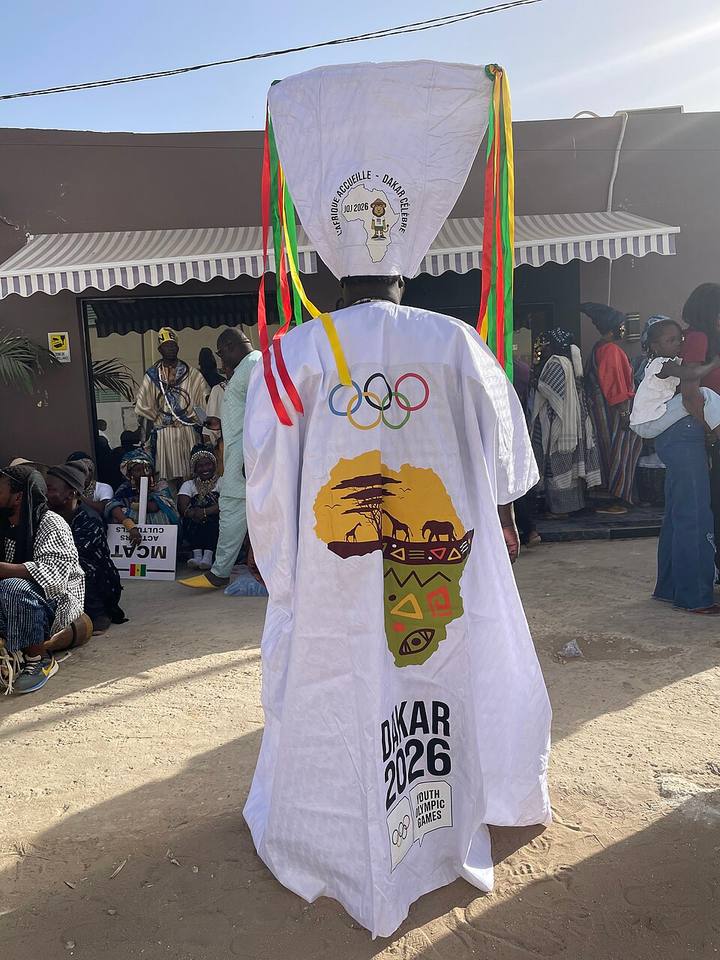
Dakar 2026 Is Africa's Olympic Moment
Senegal2 MINREAD →
SPORTSFROM THE WEB★ EDITOR'S PICK
Senegal set to make Olympic history with Dakar 2026 Youth Games
Dakar 2026 breaks a hosting monopoly that has excluded Africa from Olympic stewardship for over a century — the question is what institutional and economic legacy Senegal can extract from the moment.
Senegal1 MIN · Africanews · 25 JULREAD →
See all stories

The actual version — written by the people who live there.

10VERTICALS
6TYPES
5CITIES
1STANDARD
AboutMissionManifestoLegalOriginalsSubscribeArchiveShowsContributorsJobs
© 2026 STRATA-AF™ · STRATA PUBLISHING CO LTD · LAGOS · NAIROBI · JOBURG · ACCRA
 
 
--:--LAGOS
CultureMusicFilmTechSportsPoliticsHealthFinanceReligionFashion
culture
Teachers in Oyo State put down tools over the kidnapping of colleagues

The Nigeria Union of Teachers (NUT) called an open-ended strike from Monday in the state of Oyo, in protest at the kidnapping in mid-May of dozens of children and their teachers.

Nigeria4 MIN
From the web · Africanews
Teachers in Oyo State put down tools over the kidnapping of colleagues
IMAGE · Eukoha
STRATA-AF™ ANGLEEDITORIAL SYNTHESIS BY STRATA-AF™

While global media obsesses over European football transfers worth millions, Nigeria's educators are literally risking their lives for salaries that barely cover rent, and when kidnappers target entire classrooms, teachers down tools because their government has failed to provide the basic security that should come before any World Cup bid or sports infrastructure investment. This is the stark reality of priorities across a continent where we'll spend billions on stadiums while teachers in Oyo State can't even guarantee they'll make it home alive. Until Africa's governments protect the educators shaping the next generation with the same fervor they reserve for hosting international sporting events, we're building our sporting dreams on a foundation of neglect.

The indefinite strike by the Nigeria Union of Teachers in Oyo State represents far more than a localized labor dispute. It embodies a continental crisis that threatens the very foundation of Africa's educational aspirations. When teachers down tools not over wages or working conditions but over the fundamental safety of educators and students, we witness the stark reality that many African nations face: the inability to guarantee basic security for those charged with nurturing the next generation. This work stoppage should serve as a clarion call across the continent, reminding us that education cannot flourish in an atmosphere of fear and uncertainty.

The kidnapping of teachers and students in Nigeria has become a tragic pattern that exposes the broader security challenges plaguing several African states. From the Chibok girls to countless other incidents across the Sahel and West Africa, educational institutions have increasingly become targets for criminal enterprises and extremist groups. This trend represents an attack not just on individuals but on the collective African dream of human capital development. When schools become dangerous spaces rather than sanctuaries of learning, entire communities lose faith in the promise of education as a pathway to prosperity and progress.

The courage of teachers who continue to serve despite these risks deserves continental recognition and support. Across Africa, educators often work in challenging conditions, inadequate infrastructure, insufficient resources, and now, in many regions, genuine threats to their physical safety. The strike in Oyo State reflects not cowardice but a necessary stand for the principle that education cannot be delivered at the cost of human lives. These teachers are demanding what should be a fundamental guarantee: that governments protect those who dedicate their lives to public service.

From a Pan-African perspective, Nigeria's education security crisis cannot be viewed in isolation. The porosity of borders means that criminal networks operate across multiple countries, and the failure of one nation to secure its educational spaces creates ripple effects throughout the region. Countries like Niger, Mali, and Burkina Faso have witnessed similar attacks on schools, suggesting that this is not merely a Nigerian problem but a regional challenge requiring coordinated continental responses through institutions like the African Union and ECOWAS.

The economic implications of this crisis extend far beyond the immediate disruption of classes. When education systems become unreliable due to security concerns, it accelerates brain drain as families with means seek safer educational environments abroad. This phenomenon undermines Africa's capacity to develop the skilled workforce necessary for economic transformation and technological advancement. The irony is bitter: at a time when African nations are calling for increased investment in education to compete globally, security failures are making such investments increasingly difficult to justify or sustain.

The response to this crisis must be as comprehensive as the challenge itself. African governments need to recognize that education security is national security, requiring dedicated resources and strategic planning. This means not only immediate protection for schools but also addressing the root causes of insecurity, poverty, unemployment, and governance failures that create environments where criminal enterprises can flourish. The solution lies not just in military responses but in building resilient communities where education is valued and protected by all stakeholders.

Ultimately, the strike in Oyo State should galvanize continental action toward securing Africa's educational future. The African Union's Agenda 2063 envisions a continent where "all citizens have access to quality education," but this vision remains hollow if we cannot guarantee the safety of those pursuing and providing that education. African leaders must treat attacks on educational institutions as attacks on the continent's future itself, warranting the same urgency and resources typically reserved for threats to political stability. Only through such commitment can we ensure that the pursuit of knowledge remains a right rather than an act of courage.

READ THE SOURCE REPORT FROM AFRICANEWS

Enjoying Strata-AF™?

Sign in or sign up for a personalised feed and unlock Strata-AF™ Originals.

SIGN IN / SIGN UP
--:--LAGOS
/shows/data/docs
culture
Teachers in Oyo State put down tools over the kidnapping of colleagues
IMAGE · Eukoha
Teachers in Oyo State put down tools over the kidnapping of colleagues

The Nigeria Union of Teachers (NUT) called an open-ended strike from Monday in the state of Oyo, in protest at the kidnapping in mid-May of dozens of children and their teachers.

Nigeria4 MIN READ
From the web · Africanews
STRATA-AF™ ANGLEEDITORIAL SYNTHESIS BY STRATA-AF™

While global media obsesses over European football transfers worth millions, Nigeria's educators are literally risking their lives for salaries that barely cover rent, and when kidnappers target entire classrooms, teachers down tools because their government has failed to provide the basic security that should come before any World Cup bid or sports infrastructure investment. This is the stark reality of priorities across a continent where we'll spend billions on stadiums while teachers in Oyo State can't even guarantee they'll make it home alive. Until Africa's governments protect the educators shaping the next generation with the same fervor they reserve for hosting international sporting events, we're building our sporting dreams on a foundation of neglect.

The indefinite strike by the Nigeria Union of Teachers in Oyo State represents far more than a localized labor dispute. It embodies a continental crisis that threatens the very foundation of Africa's educational aspirations. When teachers down tools not over wages or working conditions but over the fundamental safety of educators and students, we witness the stark reality that many African nations face: the inability to guarantee basic security for those charged with nurturing the next generation. This work stoppage should serve as a clarion call across the continent, reminding us that education cannot flourish in an atmosphere of fear and uncertainty.

The kidnapping of teachers and students in Nigeria has become a tragic pattern that exposes the broader security challenges plaguing several African states. From the Chibok girls to countless other incidents across the Sahel and West Africa, educational institutions have increasingly become targets for criminal enterprises and extremist groups. This trend represents an attack not just on individuals but on the collective African dream of human capital development. When schools become dangerous spaces rather than sanctuaries of learning, entire communities lose faith in the promise of education as a pathway to prosperity and progress.

The courage of teachers who continue to serve despite these risks deserves continental recognition and support. Across Africa, educators often work in challenging conditions, inadequate infrastructure, insufficient resources, and now, in many regions, genuine threats to their physical safety. The strike in Oyo State reflects not cowardice but a necessary stand for the principle that education cannot be delivered at the cost of human lives. These teachers are demanding what should be a fundamental guarantee: that governments protect those who dedicate their lives to public service.

From a Pan-African perspective, Nigeria's education security crisis cannot be viewed in isolation. The porosity of borders means that criminal networks operate across multiple countries, and the failure of one nation to secure its educational spaces creates ripple effects throughout the region. Countries like Niger, Mali, and Burkina Faso have witnessed similar attacks on schools, suggesting that this is not merely a Nigerian problem but a regional challenge requiring coordinated continental responses through institutions like the African Union and ECOWAS.

The economic implications of this crisis extend far beyond the immediate disruption of classes. When education systems become unreliable due to security concerns, it accelerates brain drain as families with means seek safer educational environments abroad. This phenomenon undermines Africa's capacity to develop the skilled workforce necessary for economic transformation and technological advancement. The irony is bitter: at a time when African nations are calling for increased investment in education to compete globally, security failures are making such investments increasingly difficult to justify or sustain.

The response to this crisis must be as comprehensive as the challenge itself. African governments need to recognize that education security is national security, requiring dedicated resources and strategic planning. This means not only immediate protection for schools but also addressing the root causes of insecurity, poverty, unemployment, and governance failures that create environments where criminal enterprises can flourish. The solution lies not just in military responses but in building resilient communities where education is valued and protected by all stakeholders.

Ultimately, the strike in Oyo State should galvanize continental action toward securing Africa's educational future. The African Union's Agenda 2063 envisions a continent where "all citizens have access to quality education," but this vision remains hollow if we cannot guarantee the safety of those pursuing and providing that education. African leaders must treat attacks on educational institutions as attacks on the continent's future itself, warranting the same urgency and resources typically reserved for threats to political stability. Only through such commitment can we ensure that the pursuit of knowledge remains a right rather than an act of courage.

READ THE SOURCE REPORT FROM AFRICANEWS

Enjoying Strata-AF™?

Sign in or sign up for a personalised feed and unlock Strata-AF™ Originals.

SIGN IN / SIGN UP
VERTICAL
culture
ORIGIN
Nigeria
CULTURE · MUSIC · FILM · TECH · SPORT · POLITICS · HEALTH · FINANCE · RELIGION · FASHION · LAGOS · NAIROBI · JOBURG · ACCRA · DATA JOURNALISM · ORIGINAL REPORTING · THE ACTUAL VERSION ·CULTURE · MUSIC · FILM · TECH · SPORT · POLITICS · HEALTH · FINANCE · RELIGION · FASHION · LAGOS · NAIROBI · JOBURG · ACCRA · DATA JOURNALISM · ORIGINAL REPORTING · THE ACTUAL VERSION ·
Premium editorial for a continent that's done waiting to be covered.

Not the export-market version. Not the diaspora version. The actual version — written by the people who live there.

Verticals
CultureMusicFilmTechSportsPolitics
HUBS
Strata-AF OriginalsDataDocsNewsletterArchiveShows
Company
AboutMissionManifestoLegal
REACH
10VERTICALS
6CONTENT TYPES
5CITIES
1STANDARD
© 2026 STRATA-AF™ · STRATA PUBLISHING CO LTD · LAGOS · JOBURG · NAIROBI · ACCRAPRIVACYTERMSCORRECTIONSMASTHEAD