--:--LAGOS
CultureMusicFilmTechSportsPoliticsHealthFinanceReligionFashion
health
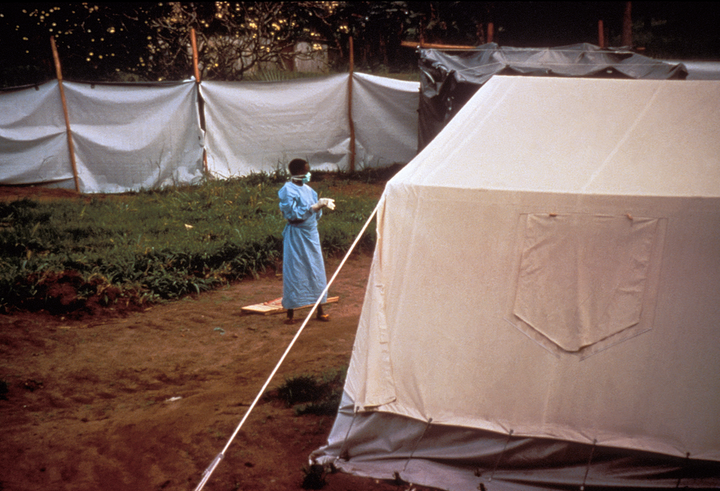
'Speed, money and compassion' - lessons from an Ebola survivor and other experts

Those caught up in West Africa's Ebola outbreak a decade ago on how best to tackle the current epidemic.

3 MIN · 28 MAY 2026
From the web · BBC
COVER 16:9
STRATA-AF™ ANGLEEDITORIAL SYNTHESIS BY STRATA-AF™

While Western media fixates on medical protocols, they're missing the real lesson from West Africa's Ebola response: it was local knowledge, community trust, and African-led innovation that ultimately contained the outbreak, not parachuted expertise. A decade later, the continent's homegrown health systems and cultural understanding remain the most effective weapons against any epidemic, yet global health funding still flows predominantly to foreign NGOs rather than strengthening African institutions. The survivors know what works; it's time the world listens to them instead of lecturing them.

**Learning from Our Own: Africa's Path to Pandemic Preparedness**

A decade after West Africa grappled with the devastating Ebola outbreak that claimed over 11,000 lives, the continent finds itself once again confronting epidemic challenges, yet this time with hard-earned wisdom born from survival and resilience. The voices of Ebola survivors and the health professionals who stood on the frontlines offer more than retrospective analysis. They provide a blueprint for how African nations can lead their own public health responses rather than waiting for external intervention. Their emphasis on "speed, money and compassion" represents not just tactical advice, but a fundamental reimagining of how the continent approaches health emergencies.

The survivor testimonies emerging from this reflection reveal a crucial truth often overlooked in global health discourse: communities themselves possess invaluable knowledge about managing crises. When survivors speak of the need for rapid response, they're drawing from lived experience of how quickly misinformation and fear can spread alongside disease, fragmenting social bonds and undermining collective action. Their advocacy for compassionate approaches reflects an understanding that health interventions must respect cultural practices and local knowledge systems rather than imposing foreign frameworks that often prove ineffective or counterproductive in African contexts.

The financial dimension highlighted by these experts points to a persistent structural challenge that extends far beyond health emergencies. Africa's continued dependence on external funding for crisis response perpetuates a cycle where the continent remains reactive rather than proactive in addressing its health challenges. The lessons from Ebola underscore the urgent need for African nations to build robust, sustainably funded health infrastructure that can respond swiftly to emerging threats. This requires not just individual country investment, but coordinated continental approaches through institutions like the Africa Centres for Disease Control and Prevention.

What makes these survivor voices particularly significant is their implicit challenge to the narrative of African helplessness that dominated international coverage of the 2014-2016 Ebola outbreak. By centering their own experiences and expertise, they reclaim agency in defining solutions and demonstrate that effective epidemic response emerges from the intersection of local knowledge, appropriate resources, and genuine care for affected communities. Their insights suggest that future pandemic preparedness must be built on African terms, drawing from African experiences, and designed to serve African realities.

The path forward requires transforming these hard-won lessons into institutional memory and policy frameworks that can guide rapid response to future health emergencies. As the continent continues to navigate various health challenges, the wisdom of those who survived and overcame Ebola provides not just tactical guidance, but a philosophical foundation for building health systems that are truly responsive to African needs. Their voices remind us that the most effective solutions to African challenges continue to emerge from African experiences, and that the continent's pandemic preparedness will be strongest when it builds on its own expertise rather than external prescriptions.

READ THE SOURCE REPORT FROM BBC

Enjoying Strata-AF™?

Sign in or sign up for a personalised feed and unlock Strata-AF™ Originals.

SIGN IN / SIGN UP
READ NEXT
PHOTO
HEALTHAfricanews
Canada orders 21-day isolation for travellers from Ebola zones
Pan-African1 MINREAD →
PHOTO
HEALTHThe Guardian
Readers Answer Devi Sridhar on Ebola
DR Congo1 MINREAD →
--:--LAGOS
STRATA-AF™
ISSUE 001FEED◎ SEARCHSUBSCRIBE
/shows/data/docs
health
'Speed, money and compassion' - lessons from an Ebola survivor and other experts

Those caught up in West Africa's Ebola outbreak a decade ago on how best to tackle the current epidemic.

3 MIN READ · 28 MAY 2026
From the web · BBC
STRATA-AF™ ANGLEEDITORIAL SYNTHESIS BY STRATA-AF™

While Western media fixates on medical protocols, they're missing the real lesson from West Africa's Ebola response: it was local knowledge, community trust, and African-led innovation that ultimately contained the outbreak, not parachuted expertise. A decade later, the continent's homegrown health systems and cultural understanding remain the most effective weapons against any epidemic, yet global health funding still flows predominantly to foreign NGOs rather than strengthening African institutions. The survivors know what works; it's time the world listens to them instead of lecturing them.

**Learning from Our Own: Africa's Path to Pandemic Preparedness**

A decade after West Africa grappled with the devastating Ebola outbreak that claimed over 11,000 lives, the continent finds itself once again confronting epidemic challenges, yet this time with hard-earned wisdom born from survival and resilience. The voices of Ebola survivors and the health professionals who stood on the frontlines offer more than retrospective analysis. They provide a blueprint for how African nations can lead their own public health responses rather than waiting for external intervention. Their emphasis on "speed, money and compassion" represents not just tactical advice, but a fundamental reimagining of how the continent approaches health emergencies.

The survivor testimonies emerging from this reflection reveal a crucial truth often overlooked in global health discourse: communities themselves possess invaluable knowledge about managing crises. When survivors speak of the need for rapid response, they're drawing from lived experience of how quickly misinformation and fear can spread alongside disease, fragmenting social bonds and undermining collective action. Their advocacy for compassionate approaches reflects an understanding that health interventions must respect cultural practices and local knowledge systems rather than imposing foreign frameworks that often prove ineffective or counterproductive in African contexts.

The financial dimension highlighted by these experts points to a persistent structural challenge that extends far beyond health emergencies. Africa's continued dependence on external funding for crisis response perpetuates a cycle where the continent remains reactive rather than proactive in addressing its health challenges. The lessons from Ebola underscore the urgent need for African nations to build robust, sustainably funded health infrastructure that can respond swiftly to emerging threats. This requires not just individual country investment, but coordinated continental approaches through institutions like the Africa Centres for Disease Control and Prevention.

What makes these survivor voices particularly significant is their implicit challenge to the narrative of African helplessness that dominated international coverage of the 2014-2016 Ebola outbreak. By centering their own experiences and expertise, they reclaim agency in defining solutions and demonstrate that effective epidemic response emerges from the intersection of local knowledge, appropriate resources, and genuine care for affected communities. Their insights suggest that future pandemic preparedness must be built on African terms, drawing from African experiences, and designed to serve African realities.

The path forward requires transforming these hard-won lessons into institutional memory and policy frameworks that can guide rapid response to future health emergencies. As the continent continues to navigate various health challenges, the wisdom of those who survived and overcame Ebola provides not just tactical guidance, but a philosophical foundation for building health systems that are truly responsive to African needs. Their voices remind us that the most effective solutions to African challenges continue to emerge from African experiences, and that the continent's pandemic preparedness will be strongest when it builds on its own expertise rather than external prescriptions.

READ THE SOURCE REPORT FROM BBC

Enjoying Strata-AF™?

Sign in or sign up for a personalised feed and unlock Strata-AF™ Originals.

SIGN IN / SIGN UP
VERTICAL
health
PUBLISHED
28 MAY 2026
NO COVER SET
READ NEXT2 PIECES SELECTED BY OUR EDITORS
HEALTH
PHOTO
Canada orders 21-day isolation for travellers from Ebola zones
Canada is tightening border and immigration measures after a rise in Ebola cases in parts of central and east Africa.
Pan-African1 MINREAD →
HEALTH
PHOTO
Readers Answer Devi Sridhar on Ebola
If your neighbour's house is on fire, you don't wait. The letters take up the analogy.
DR Congo1 MINREAD →
CULTURE · MUSIC · FILM · TECH · SPORT · POLITICS · HEALTH · FINANCE · RELIGION · FASHION · LAGOS · NAIROBI · JOBURG · ACCRA · DATA JOURNALISM · ORIGINAL REPORTING · THE ACTUAL VERSION ·CULTURE · MUSIC · FILM · TECH · SPORT · POLITICS · HEALTH · FINANCE · RELIGION · FASHION · LAGOS · NAIROBI · JOBURG · ACCRA · DATA JOURNALISM · ORIGINAL REPORTING · THE ACTUAL VERSION ·
Premium editorial for a continent that's done waiting to be covered.

Not the export-market version. Not the diaspora version. The actual version — written by the people who live there.

Verticals
CultureMusicFilmTechSportsPolitics
HUBS
Strata-AF OriginalsDataDocsNewsletterArchiveShows
Company
AboutMissionManifestoLegal
REACH
10VERTICALS
6CONTENT TYPES
5CITIES
1STANDARD
© 2026 STRATA-AF™ · STRATA PUBLISHING CO LTD · LAGOS · JOBURG · NAIROBI · ACCRAPRIVACYTERMSCORRECTIONSMASTHEAD
 
 
--:--LAGOS
CultureMusicFilmTechSportsPoliticsHealthFinanceReligionFashion
Highlights
Strata-AF
Editor's Pick
From the web
SPORTSSTRATA-AF™STRATA-AF™ ORIGINAL
WAFCON 2026 Proved African Women's Football Is Ready. The Clubs Aren't.
2 MINREAD →
POLITICSSTRATA-AF™★ EDITOR'S PICK
The Lagos Cancellation Is Not About Tyla Really, Or Is It ?
Pan-African2 MINREAD →
MUSICSTRATA-AF™★ EDITOR'S PICK
Blood, Beats & Betrayal: How Family Killed P-Square
Nigeria2 MINREAD →
MUSICBY THE NUMBERSSTRATA-AF™ ORIGINAL
Where African Artists Earn, Lose, and Get Erased on Stream
Pan-African2 MINREAD →
HEALTHSTRATA-AF™★ EDITOR'S PICK
Uganda Held the Line on Ebola. Here's the Playbook Congo Needs Now
DR Congo2 MINREAD →
MUSICSTRATA-AF™STRATA-AF™ ORIGINAL
Music Is Starving in Sudan: How the RSF Silenced a Generation of Artists
Sudan2 MINREAD →
CULTURESTRATA-AF™★ EDITOR'S PICK
How BBNaija Rewired Nigerian Television And Everything Around It
Lagos, Pan-African2 MINREAD →
FASHIONSTRATA-AF™★ EDITOR'S PICK
Lagos Fashion Week's Green Push Is Either Africa's Best Bet or Its Greenest Greenwash
Pan-African2 MINREAD →
CULTURESTRATA-AF™★ EDITOR'S PICK
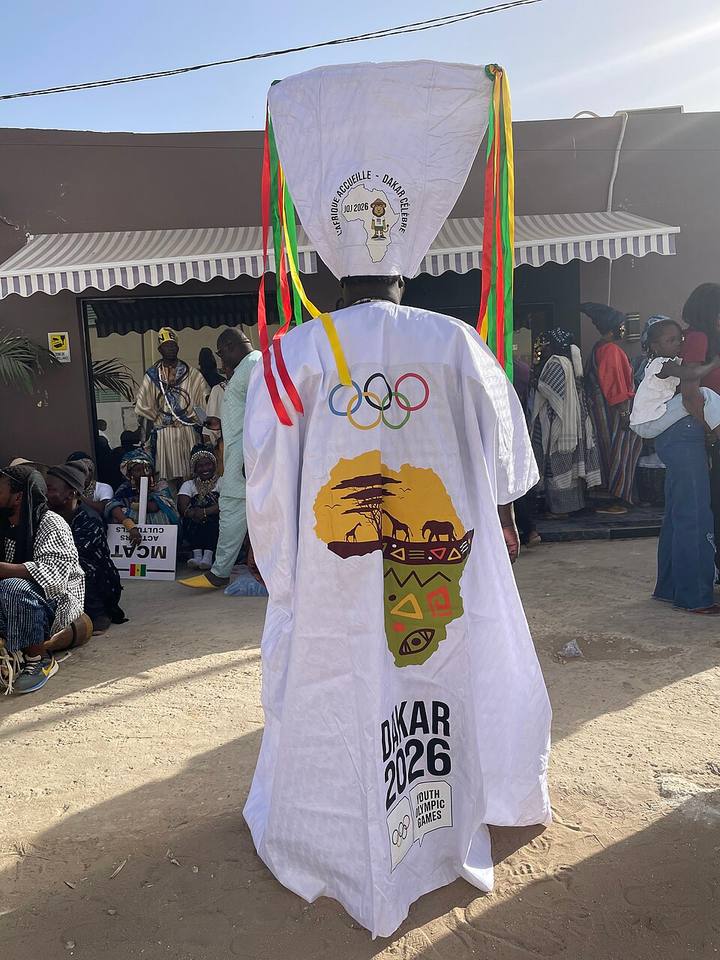
Dakar 2026 Is Africa's Olympic Moment
Senegal2 MINREAD →
SPORTSFROM THE WEB★ EDITOR'S PICK
Senegal set to make Olympic history with Dakar 2026 Youth Games
Dakar 2026 breaks a hosting monopoly that has excluded Africa from Olympic stewardship for over a century — the question is what institutional and economic legacy Senegal can extract from the moment.
Senegal1 MIN · Africanews · 25 JULREAD →
See all stories

The actual version — written by the people who live there.

10VERTICALS
6TYPES
5CITIES
1STANDARD
AboutMissionManifestoLegalOriginalsSubscribeArchiveShowsContributorsJobs
© 2026 STRATA-AF™ · STRATA PUBLISHING CO LTD · LAGOS · NAIROBI · JOBURG · ACCRA
 
 
--:--LAGOS
CultureMusicFilmTechSportsPoliticsHealthFinanceReligionFashion
health
'Speed, money and compassion' - lessons from an Ebola survivor and other experts

Those caught up in West Africa's Ebola outbreak a decade ago on how best to tackle the current epidemic.

3 MIN · 28 MAY 2026
From the web · BBC
COVER 16:9
STRATA-AF™ ANGLEEDITORIAL SYNTHESIS BY STRATA-AF™

While Western media fixates on medical protocols, they're missing the real lesson from West Africa's Ebola response: it was local knowledge, community trust, and African-led innovation that ultimately contained the outbreak, not parachuted expertise. A decade later, the continent's homegrown health systems and cultural understanding remain the most effective weapons against any epidemic, yet global health funding still flows predominantly to foreign NGOs rather than strengthening African institutions. The survivors know what works; it's time the world listens to them instead of lecturing them.

**Learning from Our Own: Africa's Path to Pandemic Preparedness**

A decade after West Africa grappled with the devastating Ebola outbreak that claimed over 11,000 lives, the continent finds itself once again confronting epidemic challenges, yet this time with hard-earned wisdom born from survival and resilience. The voices of Ebola survivors and the health professionals who stood on the frontlines offer more than retrospective analysis. They provide a blueprint for how African nations can lead their own public health responses rather than waiting for external intervention. Their emphasis on "speed, money and compassion" represents not just tactical advice, but a fundamental reimagining of how the continent approaches health emergencies.

The survivor testimonies emerging from this reflection reveal a crucial truth often overlooked in global health discourse: communities themselves possess invaluable knowledge about managing crises. When survivors speak of the need for rapid response, they're drawing from lived experience of how quickly misinformation and fear can spread alongside disease, fragmenting social bonds and undermining collective action. Their advocacy for compassionate approaches reflects an understanding that health interventions must respect cultural practices and local knowledge systems rather than imposing foreign frameworks that often prove ineffective or counterproductive in African contexts.

The financial dimension highlighted by these experts points to a persistent structural challenge that extends far beyond health emergencies. Africa's continued dependence on external funding for crisis response perpetuates a cycle where the continent remains reactive rather than proactive in addressing its health challenges. The lessons from Ebola underscore the urgent need for African nations to build robust, sustainably funded health infrastructure that can respond swiftly to emerging threats. This requires not just individual country investment, but coordinated continental approaches through institutions like the Africa Centres for Disease Control and Prevention.

What makes these survivor voices particularly significant is their implicit challenge to the narrative of African helplessness that dominated international coverage of the 2014-2016 Ebola outbreak. By centering their own experiences and expertise, they reclaim agency in defining solutions and demonstrate that effective epidemic response emerges from the intersection of local knowledge, appropriate resources, and genuine care for affected communities. Their insights suggest that future pandemic preparedness must be built on African terms, drawing from African experiences, and designed to serve African realities.

The path forward requires transforming these hard-won lessons into institutional memory and policy frameworks that can guide rapid response to future health emergencies. As the continent continues to navigate various health challenges, the wisdom of those who survived and overcame Ebola provides not just tactical guidance, but a philosophical foundation for building health systems that are truly responsive to African needs. Their voices remind us that the most effective solutions to African challenges continue to emerge from African experiences, and that the continent's pandemic preparedness will be strongest when it builds on its own expertise rather than external prescriptions.

READ THE SOURCE REPORT FROM BBC

Enjoying Strata-AF™?

Sign in or sign up for a personalised feed and unlock Strata-AF™ Originals.

SIGN IN / SIGN UP
READ NEXT
--:--LAGOS
/shows/data/docs
health
'Speed, money and compassion' - lessons from an Ebola survivor and other experts

Those caught up in West Africa's Ebola outbreak a decade ago on how best to tackle the current epidemic.

3 MIN READ · 28 MAY 2026
From the web · BBC
STRATA-AF™ ANGLEEDITORIAL SYNTHESIS BY STRATA-AF™

While Western media fixates on medical protocols, they're missing the real lesson from West Africa's Ebola response: it was local knowledge, community trust, and African-led innovation that ultimately contained the outbreak, not parachuted expertise. A decade later, the continent's homegrown health systems and cultural understanding remain the most effective weapons against any epidemic, yet global health funding still flows predominantly to foreign NGOs rather than strengthening African institutions. The survivors know what works; it's time the world listens to them instead of lecturing them.

**Learning from Our Own: Africa's Path to Pandemic Preparedness**

A decade after West Africa grappled with the devastating Ebola outbreak that claimed over 11,000 lives, the continent finds itself once again confronting epidemic challenges, yet this time with hard-earned wisdom born from survival and resilience. The voices of Ebola survivors and the health professionals who stood on the frontlines offer more than retrospective analysis. They provide a blueprint for how African nations can lead their own public health responses rather than waiting for external intervention. Their emphasis on "speed, money and compassion" represents not just tactical advice, but a fundamental reimagining of how the continent approaches health emergencies.

The survivor testimonies emerging from this reflection reveal a crucial truth often overlooked in global health discourse: communities themselves possess invaluable knowledge about managing crises. When survivors speak of the need for rapid response, they're drawing from lived experience of how quickly misinformation and fear can spread alongside disease, fragmenting social bonds and undermining collective action. Their advocacy for compassionate approaches reflects an understanding that health interventions must respect cultural practices and local knowledge systems rather than imposing foreign frameworks that often prove ineffective or counterproductive in African contexts.

The financial dimension highlighted by these experts points to a persistent structural challenge that extends far beyond health emergencies. Africa's continued dependence on external funding for crisis response perpetuates a cycle where the continent remains reactive rather than proactive in addressing its health challenges. The lessons from Ebola underscore the urgent need for African nations to build robust, sustainably funded health infrastructure that can respond swiftly to emerging threats. This requires not just individual country investment, but coordinated continental approaches through institutions like the Africa Centres for Disease Control and Prevention.

What makes these survivor voices particularly significant is their implicit challenge to the narrative of African helplessness that dominated international coverage of the 2014-2016 Ebola outbreak. By centering their own experiences and expertise, they reclaim agency in defining solutions and demonstrate that effective epidemic response emerges from the intersection of local knowledge, appropriate resources, and genuine care for affected communities. Their insights suggest that future pandemic preparedness must be built on African terms, drawing from African experiences, and designed to serve African realities.

The path forward requires transforming these hard-won lessons into institutional memory and policy frameworks that can guide rapid response to future health emergencies. As the continent continues to navigate various health challenges, the wisdom of those who survived and overcame Ebola provides not just tactical guidance, but a philosophical foundation for building health systems that are truly responsive to African needs. Their voices remind us that the most effective solutions to African challenges continue to emerge from African experiences, and that the continent's pandemic preparedness will be strongest when it builds on its own expertise rather than external prescriptions.

READ THE SOURCE REPORT FROM BBC

Enjoying Strata-AF™?

Sign in or sign up for a personalised feed and unlock Strata-AF™ Originals.
SIGN IN / SIGN UP
VERTICAL
health
PUBLISHED
28 MAY 2026
NO COVER SET
READ NEXT2 PIECES SELECTED BY OUR EDITORS
CULTURE · MUSIC · FILM · TECH · SPORT · POLITICS · HEALTH · FINANCE · RELIGION · FASHION · LAGOS · NAIROBI · JOBURG · ACCRA · DATA JOURNALISM · ORIGINAL REPORTING · THE ACTUAL VERSION ·CULTURE · MUSIC · FILM · TECH · SPORT · POLITICS · HEALTH · FINANCE · RELIGION · FASHION · LAGOS · NAIROBI · JOBURG · ACCRA · DATA JOURNALISM · ORIGINAL REPORTING · THE ACTUAL VERSION ·
Premium editorial for a continent that's done waiting to be covered.

Not the export-market version. Not the diaspora version. The actual version — written by the people who live there.

Verticals
CultureMusicFilmTechSportsPolitics
HUBS
Strata-AF OriginalsDataDocsNewsletterArchiveShows
Company
AboutMissionManifestoLegal
REACH
10VERTICALS
6CONTENT TYPES
5CITIES
1STANDARD
© 2026 STRATA-AF™ · STRATA PUBLISHING CO LTD · LAGOS · JOBURG · NAIROBI · ACCRAPRIVACYTERMSCORRECTIONSMASTHEAD