--:--LAGOS
CultureMusicFilmTechSportsPoliticsHealthFinanceReligionFashion
politics
South African president mounts legal challenge against report that could lead to impeachment

Cyril Ramaphosa argues that the authors of the report "misconceived" their mandate.

South Africa4 MIN · 28 MAY 2026
From the web · BBC
COVER 16:9
STRATA-AF™ ANGLEEDITORIAL SYNTHESIS BY STRATA-AF™

While Ramaphosa scrambles to legally outmaneuver a damning parliamentary report, South Africa's creative industries, from amapiano producers to film collectives, continue building cultural economies that transcend the political theatre consuming Pretoria. The president's constitutional crisis reveals how disconnected the ANC's aging leadership has become from a generation of African creators who've already moved beyond waiting for state validation to claim their global stage.

The legal challenge mounted by South African President Cyril Ramaphosa against a parliamentary report that could trigger impeachment proceedings represents more than a domestic political crisis. It signals a profound moment of reckoning for constitutional democracy across the African continent. As South Africa grapples with questions of executive accountability and the rule of law, the reverberations extend far beyond the borders of the Rainbow Nation, touching the very foundations of democratic governance that many African states have struggled to establish and maintain since independence.

Ramaphosa's assertion that the report's authors "misconceived" their mandate reveals the delicate tension between executive power and legislative oversight that defines modern African democracies. This is not merely a technical legal dispute but a fundamental test of whether institutions can hold power accountable, even at the highest levels. For a continent where presidential immunity has often served as a shield against accountability, South Africa's willingness to subject its head of state to rigorous constitutional scrutiny sets a precedent that could influence democratic practices from Senegal to Kenya.

The timing of this constitutional crisis carries particular weight given South Africa's historical role as a beacon of democratic transition in Africa. The country that gave the world Nelson Mandela and demonstrated that peaceful political transformation was possible now finds itself testing whether its democratic institutions can withstand the pressures of contemporary governance challenges. The African National Congress, once the liberation movement that inspired anti-colonial struggles across the continent, must now navigate the complexities of being held accountable by the very democratic systems it helped establish.

What makes this moment especially significant for Pan-African observers is how it illuminates the ongoing struggle between democratic ideals and political realities across the continent. While some African nations have witnessed democratic backsliding and the erosion of institutional checks and balances, South Africa's crisis demonstrates both the fragility and the resilience of constitutional governance. The fact that a sitting president can be subjected to impeachment proceedings without military intervention or constitutional suspension speaks to the maturation of democratic institutions that many African states still aspire to achieve.

The international implications of Ramaphosa's legal challenge extend beyond constitutional law into the realm of continental leadership and Africa's voice on the global stage. As the continent's largest economy and a key player in organizations like the African Union and BRICS, South Africa's internal stability directly impacts its ability to champion African interests internationally. A prolonged constitutional crisis could weaken the country's capacity to provide the kind of leadership that Africa needs in navigating complex global economic and political relationships.

Ultimately, this moment serves as a reminder that democracy in Africa remains a work in progress, requiring constant vigilance and institutional strengthening. The resolution of Ramaphosa's legal challenge, whether through the courts, parliament, or political negotiation, will send powerful signals about the health of democratic governance not just in South Africa, but across a continent still defining what accountable leadership looks like in the 21st century. The stakes extend far beyond one president's political survival to encompass the very credibility of constitutional democracy as a viable path forward for African nations.

READ THE SOURCE REPORT FROM BBC

Enjoying Strata-AF™?

Sign in or sign up for a personalised feed and unlock Strata-AF™ Originals.
SIGN IN / SIGN UP
READ NEXT
PHOTO
POLITICSAllAfrica
South Africa: Ramaphosa Takes Phala Phala Report to Court, Threatens to Interdict Impeachment Process
South Africa1 MINREAD →
PHOTO
POLITICSAllAfrica
South Africa: Ramaphosa Bets His Presidency On Namibian Police Report
South Africa1 MINREAD →
PHOTO
POLITICSCIO Africa
President Ruto Hosts African Leaders At State House During Connected Africa Summit
Nairobi, Kenya1 MINREAD →
--:--LAGOS
STRATA-AF™
ISSUE 001FEED◎ SEARCHSUBSCRIBE
/shows/data/docs
politics
South African president mounts legal challenge against report that could lead to impeachment

Cyril Ramaphosa argues that the authors of the report "misconceived" their mandate.

South Africa4 MIN READ · 28 MAY 2026
From the web · BBC
STRATA-AF™ ANGLEEDITORIAL SYNTHESIS BY STRATA-AF™

While Ramaphosa scrambles to legally outmaneuver a damning parliamentary report, South Africa's creative industries, from amapiano producers to film collectives, continue building cultural economies that transcend the political theatre consuming Pretoria. The president's constitutional crisis reveals how disconnected the ANC's aging leadership has become from a generation of African creators who've already moved beyond waiting for state validation to claim their global stage.

The legal challenge mounted by South African President Cyril Ramaphosa against a parliamentary report that could trigger impeachment proceedings represents more than a domestic political crisis. It signals a profound moment of reckoning for constitutional democracy across the African continent. As South Africa grapples with questions of executive accountability and the rule of law, the reverberations extend far beyond the borders of the Rainbow Nation, touching the very foundations of democratic governance that many African states have struggled to establish and maintain since independence.

Ramaphosa's assertion that the report's authors "misconceived" their mandate reveals the delicate tension between executive power and legislative oversight that defines modern African democracies. This is not merely a technical legal dispute but a fundamental test of whether institutions can hold power accountable, even at the highest levels. For a continent where presidential immunity has often served as a shield against accountability, South Africa's willingness to subject its head of state to rigorous constitutional scrutiny sets a precedent that could influence democratic practices from Senegal to Kenya.

The timing of this constitutional crisis carries particular weight given South Africa's historical role as a beacon of democratic transition in Africa. The country that gave the world Nelson Mandela and demonstrated that peaceful political transformation was possible now finds itself testing whether its democratic institutions can withstand the pressures of contemporary governance challenges. The African National Congress, once the liberation movement that inspired anti-colonial struggles across the continent, must now navigate the complexities of being held accountable by the very democratic systems it helped establish.

What makes this moment especially significant for Pan-African observers is how it illuminates the ongoing struggle between democratic ideals and political realities across the continent. While some African nations have witnessed democratic backsliding and the erosion of institutional checks and balances, South Africa's crisis demonstrates both the fragility and the resilience of constitutional governance. The fact that a sitting president can be subjected to impeachment proceedings without military intervention or constitutional suspension speaks to the maturation of democratic institutions that many African states still aspire to achieve.

The international implications of Ramaphosa's legal challenge extend beyond constitutional law into the realm of continental leadership and Africa's voice on the global stage. As the continent's largest economy and a key player in organizations like the African Union and BRICS, South Africa's internal stability directly impacts its ability to champion African interests internationally. A prolonged constitutional crisis could weaken the country's capacity to provide the kind of leadership that Africa needs in navigating complex global economic and political relationships.

Ultimately, this moment serves as a reminder that democracy in Africa remains a work in progress, requiring constant vigilance and institutional strengthening. The resolution of Ramaphosa's legal challenge, whether through the courts, parliament, or political negotiation, will send powerful signals about the health of democratic governance not just in South Africa, but across a continent still defining what accountable leadership looks like in the 21st century. The stakes extend far beyond one president's political survival to encompass the very credibility of constitutional democracy as a viable path forward for African nations.

READ THE SOURCE REPORT FROM BBC

Enjoying Strata-AF™?

Sign in or sign up for a personalised feed and unlock Strata-AF™ Originals.
SIGN IN / SIGN UP
VERTICAL
politics
ORIGIN
South Africa
PUBLISHED
28 MAY 2026
NO COVER SET
READ NEXT3 PIECES SELECTED BY OUR EDITORS
POLITICS
PHOTO
South Africa: Ramaphosa Takes Phala Phala Report to Court, Threatens to Interdict Impeachment Process
Ramaphosa has asked the Western Cape High Court to set aside the Section 89 panel's Phala Phala report and block any parliamentary action based on it.
South Africa1 MINREAD →
POLITICS
PHOTO
South Africa: Ramaphosa Bets His Presidency On Namibian Police Report
[Scrolla] Funda ngesiZuluBy Anita Dangazele
South Africa1 MINREAD →
POLITICS
PHOTO
President Ruto Hosts African Leaders At State House During Connected Africa Summit
Kenyan President William Samoei Ruto on Wednesday hosted a high-level working breakfast at State House in Nairobi, convening ministers and... Source
Nairobi, Kenya1 MINREAD →
CULTURE · MUSIC · FILM · TECH · SPORT · POLITICS · HEALTH · FINANCE · RELIGION · FASHION · LAGOS · NAIROBI · JOBURG · ACCRA · DATA JOURNALISM · ORIGINAL REPORTING · THE ACTUAL VERSION ·CULTURE · MUSIC · FILM · TECH · SPORT · POLITICS · HEALTH · FINANCE · RELIGION · FASHION · LAGOS · NAIROBI · JOBURG · ACCRA · DATA JOURNALISM · ORIGINAL REPORTING · THE ACTUAL VERSION ·
Premium editorial for a continent that's done waiting to be covered.

Not the export-market version. Not the diaspora version. The actual version — written by the people who live there.

Verticals
CultureMusicFilmTechSportsPolitics
HUBS
Strata-AF OriginalsDataDocsNewsletterArchiveShows
Company
AboutMissionManifestoLegal
REACH
10VERTICALS
6CONTENT TYPES
5CITIES
1STANDARD
© 2026 STRATA-AF™ · STRATA PUBLISHING CO LTD · LAGOS · JOBURG · NAIROBI · ACCRAPRIVACYTERMSCORRECTIONSMASTHEAD
 
 
--:--LAGOS
CultureMusicFilmTechSportsPoliticsHealthFinanceReligionFashion
Highlights
Strata-AF
Editor's Pick
From the web
SPORTSSTRATA-AF™STRATA-AF™ ORIGINAL
WAFCON 2026 Proved African Women's Football Is Ready. The Clubs Aren't.
2 MINREAD →
POLITICSSTRATA-AF™★ EDITOR'S PICK
The Lagos Cancellation Is Not About Tyla Really, Or Is It ?
Pan-African2 MINREAD →
MUSICSTRATA-AF™★ EDITOR'S PICK
Blood, Beats & Betrayal: How Family Killed P-Square
Nigeria2 MINREAD →
MUSICBY THE NUMBERSSTRATA-AF™ ORIGINAL
Where African Artists Earn, Lose, and Get Erased on Stream
Pan-African2 MINREAD →
HEALTHSTRATA-AF™★ EDITOR'S PICK
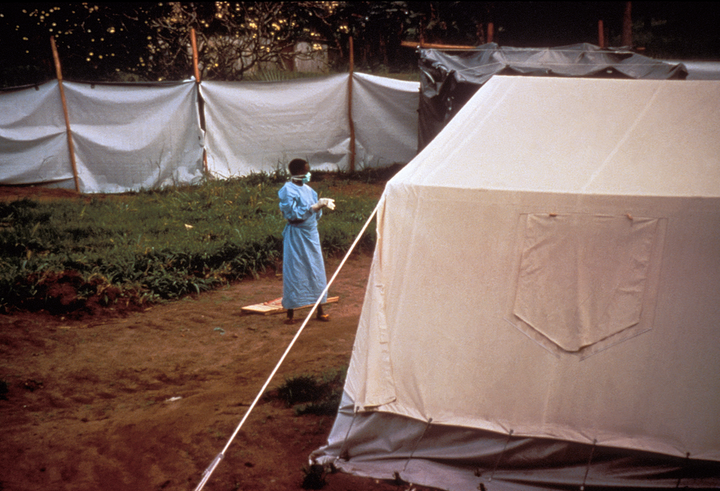
Uganda Held the Line on Ebola. Here's the Playbook Congo Needs Now
DR Congo2 MINREAD →
MUSICSTRATA-AF™STRATA-AF™ ORIGINAL
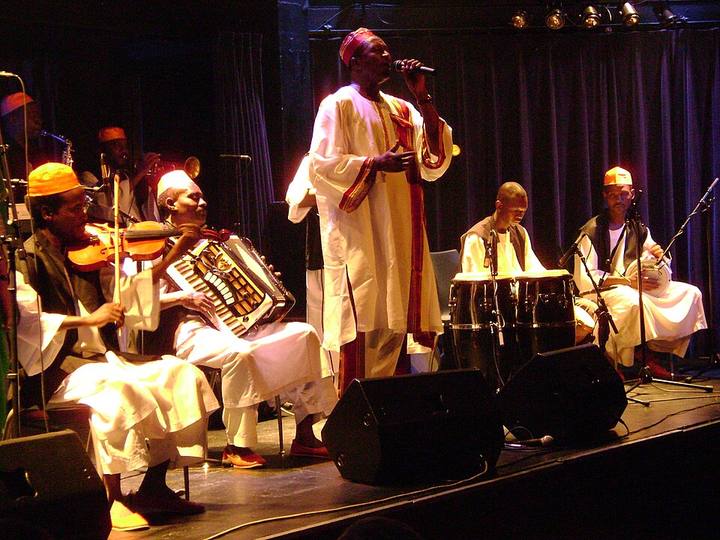
Music Is Starving in Sudan: How the RSF Silenced a Generation of Artists
Sudan2 MINREAD →
CULTURESTRATA-AF™★ EDITOR'S PICK
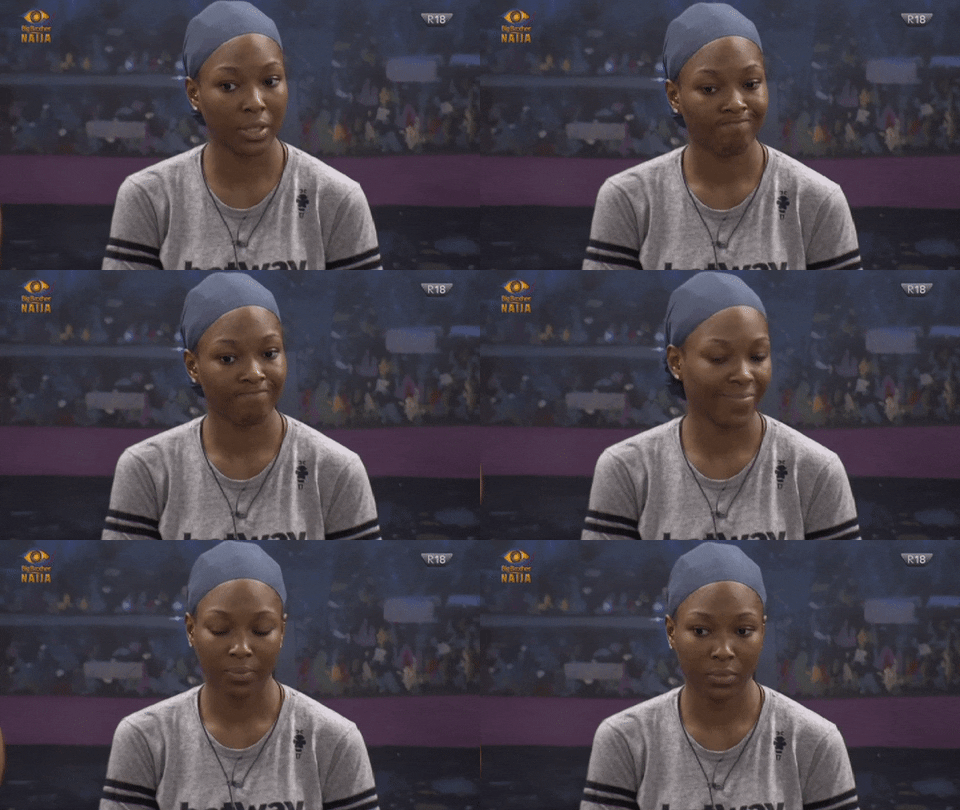
How BBNaija Rewired Nigerian Television And Everything Around It
Lagos, Pan-African2 MINREAD →
FASHIONSTRATA-AF™★ EDITOR'S PICK
Lagos Fashion Week's Green Push Is Either Africa's Best Bet or Its Greenest Greenwash
Pan-African2 MINREAD →
CULTURESTRATA-AF™★ EDITOR'S PICK
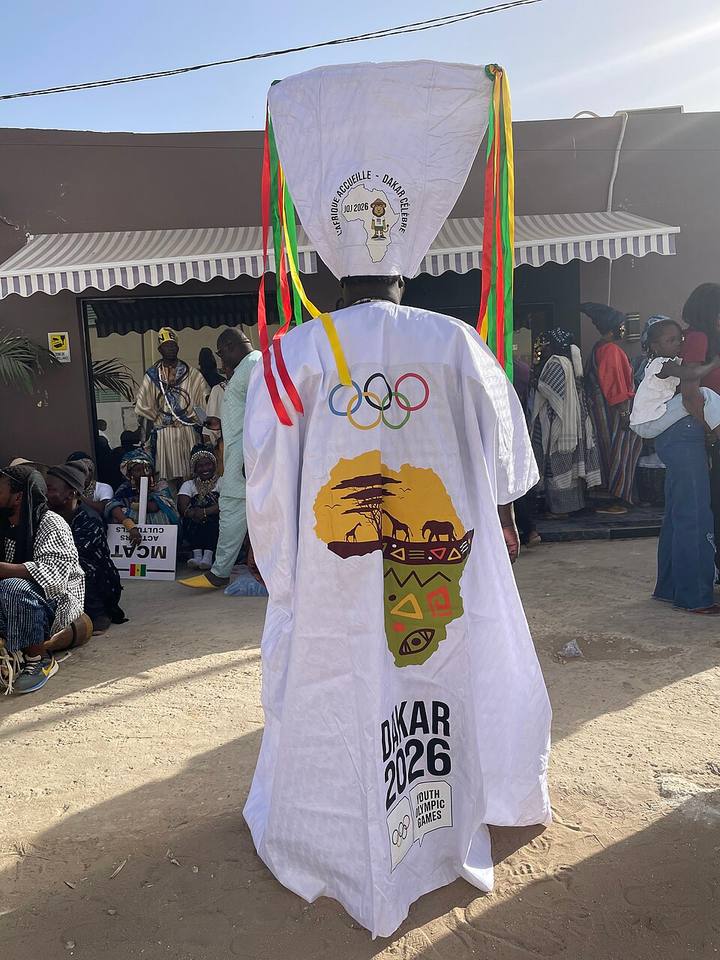
Dakar 2026 Is Africa's Olympic Moment
Senegal2 MINREAD →
SPORTSFROM THE WEB★ EDITOR'S PICK
Senegal set to make Olympic history with Dakar 2026 Youth Games
Dakar 2026 breaks a hosting monopoly that has excluded Africa from Olympic stewardship for over a century — the question is what institutional and economic legacy Senegal can extract from the moment.
Senegal1 MIN · Africanews · 25 JULREAD →
See all stories

The actual version — written by the people who live there.

10VERTICALS
6TYPES
5CITIES
1STANDARD
AboutMissionManifestoLegalOriginalsSubscribeArchiveShowsContributorsJobs
© 2026 STRATA-AF™ · STRATA PUBLISHING CO LTD · LAGOS · NAIROBI · JOBURG · ACCRA
 
 
--:--LAGOS
CultureMusicFilmTechSportsPoliticsHealthFinanceReligionFashion
politics
South African president mounts legal challenge against report that could lead to impeachment

Cyril Ramaphosa argues that the authors of the report "misconceived" their mandate.

South Africa4 MIN · 28 MAY 2026
From the web · BBC
COVER 16:9
STRATA-AF™ ANGLEEDITORIAL SYNTHESIS BY STRATA-AF™

While Ramaphosa scrambles to legally outmaneuver a damning parliamentary report, South Africa's creative industries, from amapiano producers to film collectives, continue building cultural economies that transcend the political theatre consuming Pretoria. The president's constitutional crisis reveals how disconnected the ANC's aging leadership has become from a generation of African creators who've already moved beyond waiting for state validation to claim their global stage.

The legal challenge mounted by South African President Cyril Ramaphosa against a parliamentary report that could trigger impeachment proceedings represents more than a domestic political crisis. It signals a profound moment of reckoning for constitutional democracy across the African continent. As South Africa grapples with questions of executive accountability and the rule of law, the reverberations extend far beyond the borders of the Rainbow Nation, touching the very foundations of democratic governance that many African states have struggled to establish and maintain since independence.

Ramaphosa's assertion that the report's authors "misconceived" their mandate reveals the delicate tension between executive power and legislative oversight that defines modern African democracies. This is not merely a technical legal dispute but a fundamental test of whether institutions can hold power accountable, even at the highest levels. For a continent where presidential immunity has often served as a shield against accountability, South Africa's willingness to subject its head of state to rigorous constitutional scrutiny sets a precedent that could influence democratic practices from Senegal to Kenya.

The timing of this constitutional crisis carries particular weight given South Africa's historical role as a beacon of democratic transition in Africa. The country that gave the world Nelson Mandela and demonstrated that peaceful political transformation was possible now finds itself testing whether its democratic institutions can withstand the pressures of contemporary governance challenges. The African National Congress, once the liberation movement that inspired anti-colonial struggles across the continent, must now navigate the complexities of being held accountable by the very democratic systems it helped establish.

What makes this moment especially significant for Pan-African observers is how it illuminates the ongoing struggle between democratic ideals and political realities across the continent. While some African nations have witnessed democratic backsliding and the erosion of institutional checks and balances, South Africa's crisis demonstrates both the fragility and the resilience of constitutional governance. The fact that a sitting president can be subjected to impeachment proceedings without military intervention or constitutional suspension speaks to the maturation of democratic institutions that many African states still aspire to achieve.

The international implications of Ramaphosa's legal challenge extend beyond constitutional law into the realm of continental leadership and Africa's voice on the global stage. As the continent's largest economy and a key player in organizations like the African Union and BRICS, South Africa's internal stability directly impacts its ability to champion African interests internationally. A prolonged constitutional crisis could weaken the country's capacity to provide the kind of leadership that Africa needs in navigating complex global economic and political relationships.

Ultimately, this moment serves as a reminder that democracy in Africa remains a work in progress, requiring constant vigilance and institutional strengthening. The resolution of Ramaphosa's legal challenge, whether through the courts, parliament, or political negotiation, will send powerful signals about the health of democratic governance not just in South Africa, but across a continent still defining what accountable leadership looks like in the 21st century. The stakes extend far beyond one president's political survival to encompass the very credibility of constitutional democracy as a viable path forward for African nations.

READ THE SOURCE REPORT FROM BBC

Enjoying Strata-AF™?

Sign in or sign up for a personalised feed and unlock Strata-AF™ Originals.
SIGN IN / SIGN UP
READ NEXT
--:--LAGOS
/shows/data/docs
politics
South African president mounts legal challenge against report that could lead to impeachment

Cyril Ramaphosa argues that the authors of the report "misconceived" their mandate.

South Africa4 MIN READ · 28 MAY 2026
From the web · BBC
STRATA-AF™ ANGLEEDITORIAL SYNTHESIS BY STRATA-AF™

While Ramaphosa scrambles to legally outmaneuver a damning parliamentary report, South Africa's creative industries, from amapiano producers to film collectives, continue building cultural economies that transcend the political theatre consuming Pretoria. The president's constitutional crisis reveals how disconnected the ANC's aging leadership has become from a generation of African creators who've already moved beyond waiting for state validation to claim their global stage.

The legal challenge mounted by South African President Cyril Ramaphosa against a parliamentary report that could trigger impeachment proceedings represents more than a domestic political crisis. It signals a profound moment of reckoning for constitutional democracy across the African continent. As South Africa grapples with questions of executive accountability and the rule of law, the reverberations extend far beyond the borders of the Rainbow Nation, touching the very foundations of democratic governance that many African states have struggled to establish and maintain since independence.

Ramaphosa's assertion that the report's authors "misconceived" their mandate reveals the delicate tension between executive power and legislative oversight that defines modern African democracies. This is not merely a technical legal dispute but a fundamental test of whether institutions can hold power accountable, even at the highest levels. For a continent where presidential immunity has often served as a shield against accountability, South Africa's willingness to subject its head of state to rigorous constitutional scrutiny sets a precedent that could influence democratic practices from Senegal to Kenya.

The timing of this constitutional crisis carries particular weight given South Africa's historical role as a beacon of democratic transition in Africa. The country that gave the world Nelson Mandela and demonstrated that peaceful political transformation was possible now finds itself testing whether its democratic institutions can withstand the pressures of contemporary governance challenges. The African National Congress, once the liberation movement that inspired anti-colonial struggles across the continent, must now navigate the complexities of being held accountable by the very democratic systems it helped establish.

What makes this moment especially significant for Pan-African observers is how it illuminates the ongoing struggle between democratic ideals and political realities across the continent. While some African nations have witnessed democratic backsliding and the erosion of institutional checks and balances, South Africa's crisis demonstrates both the fragility and the resilience of constitutional governance. The fact that a sitting president can be subjected to impeachment proceedings without military intervention or constitutional suspension speaks to the maturation of democratic institutions that many African states still aspire to achieve.

The international implications of Ramaphosa's legal challenge extend beyond constitutional law into the realm of continental leadership and Africa's voice on the global stage. As the continent's largest economy and a key player in organizations like the African Union and BRICS, South Africa's internal stability directly impacts its ability to champion African interests internationally. A prolonged constitutional crisis could weaken the country's capacity to provide the kind of leadership that Africa needs in navigating complex global economic and political relationships.

Ultimately, this moment serves as a reminder that democracy in Africa remains a work in progress, requiring constant vigilance and institutional strengthening. The resolution of Ramaphosa's legal challenge, whether through the courts, parliament, or political negotiation, will send powerful signals about the health of democratic governance not just in South Africa, but across a continent still defining what accountable leadership looks like in the 21st century. The stakes extend far beyond one president's political survival to encompass the very credibility of constitutional democracy as a viable path forward for African nations.

READ THE SOURCE REPORT FROM BBC

Enjoying Strata-AF™?

Sign in or sign up for a personalised feed and unlock Strata-AF™ Originals.
SIGN IN / SIGN UP
VERTICAL
politics
ORIGIN
South Africa
PUBLISHED
28 MAY 2026
NO COVER SET
READ NEXT3 PIECES SELECTED BY OUR EDITORS
CULTURE · MUSIC · FILM · TECH · SPORT · POLITICS · HEALTH · FINANCE · RELIGION · FASHION · LAGOS · NAIROBI · JOBURG · ACCRA · DATA JOURNALISM · ORIGINAL REPORTING · THE ACTUAL VERSION ·CULTURE · MUSIC · FILM · TECH · SPORT · POLITICS · HEALTH · FINANCE · RELIGION · FASHION · LAGOS · NAIROBI · JOBURG · ACCRA · DATA JOURNALISM · ORIGINAL REPORTING · THE ACTUAL VERSION ·
Premium editorial for a continent that's done waiting to be covered.

Not the export-market version. Not the diaspora version. The actual version — written by the people who live there.

Verticals
CultureMusicFilmTechSportsPolitics
HUBS
Strata-AF OriginalsDataDocsNewsletterArchiveShows
Company
AboutMissionManifestoLegal
REACH
10VERTICALS
6CONTENT TYPES
5CITIES
1STANDARD
© 2026 STRATA-AF™ · STRATA PUBLISHING CO LTD · LAGOS · JOBURG · NAIROBI · ACCRAPRIVACYTERMSCORRECTIONSMASTHEAD