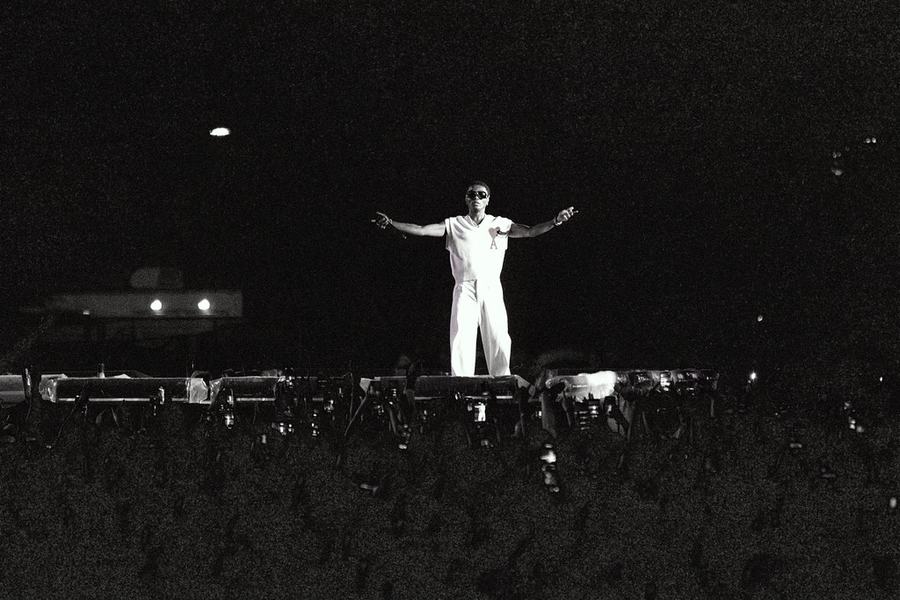
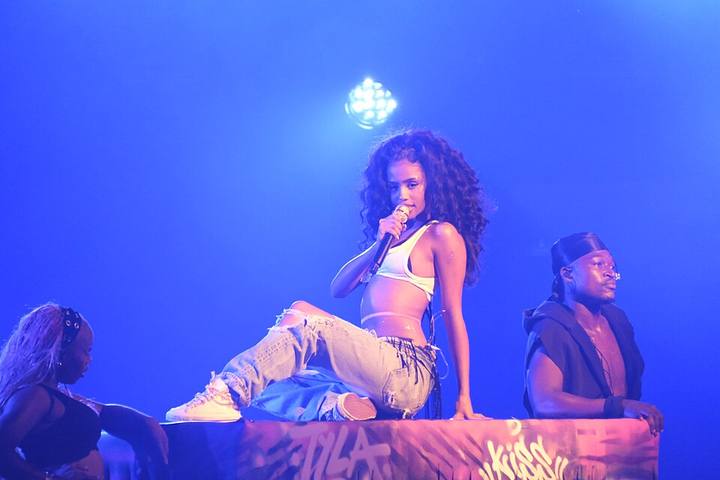
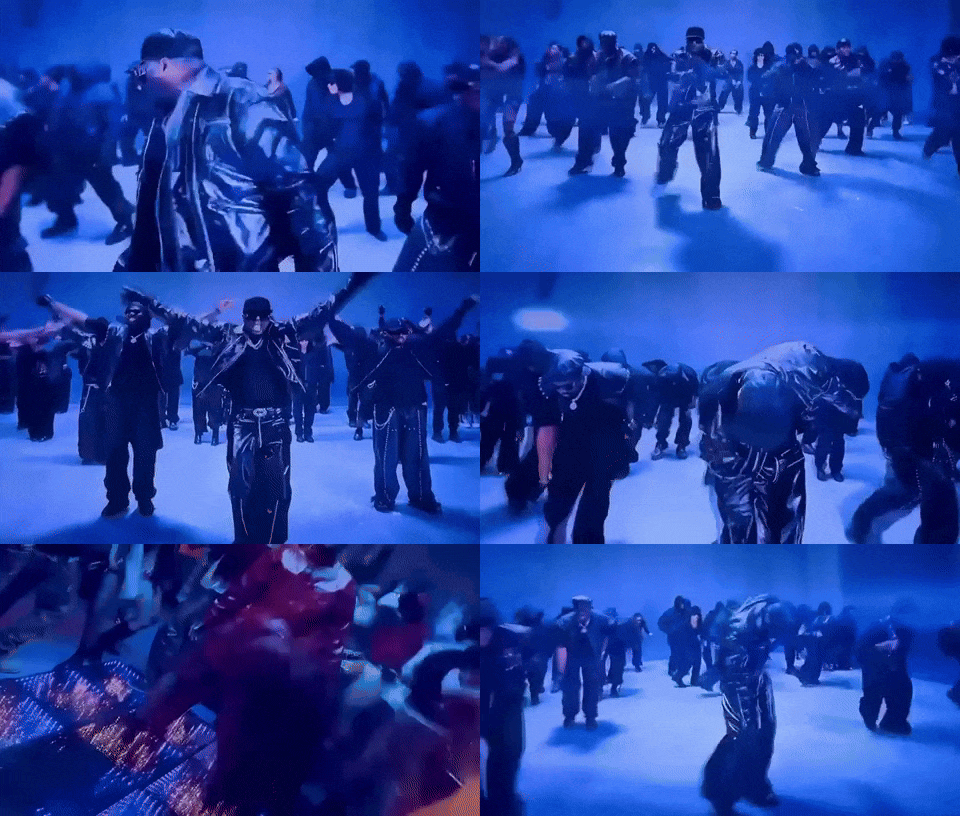
Rising insecurity in Nigeria, particularly recent kidnappings in Oyo State, has sparked debate about whether celebrities like Wizkid should use their platforms to address national issues.
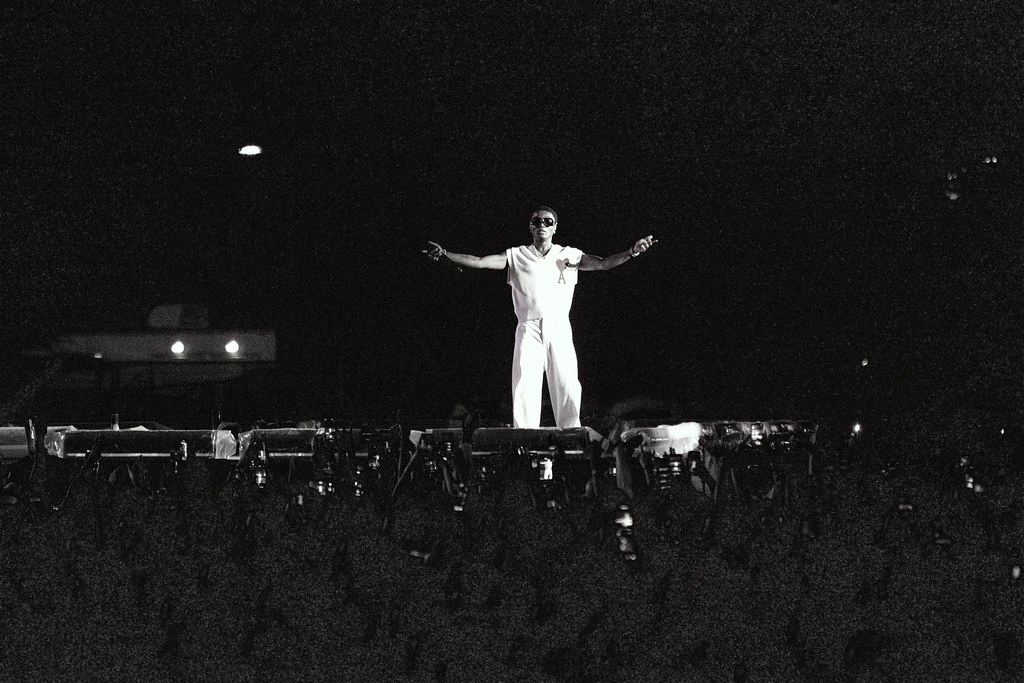
The debate over celebrity activism in Nigeria reflects a broader tension across Africa between entertainment and social responsibility. As African artists gain global influence, their silence on domestic crises risks appearing disconnected from the realities facing their home countries, potentially undermining their cultural authority and social relevance.
The question of celebrity activism in Nigeria reflects a broader continental conversation about the role of cultural influencers in political discourse. While some argue that entertainers should focus solely on their craft, the reality is that Africa's most prominent artists wield unprecedented soft power that transcends borders and reaches millions of young people across the continent.
Wizkid's global platform, built through Afrobeats' meteoric rise, represents more than entertainment. It embodies African cultural sovereignty and youth empowerment. When such figures speak on issues like Nigeria's security crisis, they amplify voices that traditional political structures often ignore. The kidnapping incidents in Oyo State are symptomatic of broader governance failures that affect not just Nigeria but the entire West African region, where insecurity increasingly threatens development gains.
The expectation for celebrities to engage politically also reveals the vacuum left by traditional leadership across Africa. Young Africans increasingly turn to cultural icons because they see authenticity and connection that formal political figures often lack. This phenomenon extends beyond Nigeria to artists like Diamond Platnumz in Tanzania or Burna Boy's activism, suggesting a continent-wide shift in how influence operates.
However, celebrity activism carries risks that must be acknowledged. Without deep policy knowledge or sustained engagement beyond social media posts, well-intentioned statements can oversimplify complex issues or inadvertently spread misinformation. The challenge lies in channeling celebrity influence constructively rather than demanding performative activism that ultimately serves neither the cause nor the celebrity's credibility.
What matters most is not whether celebrities speak up, but how they engage. Sustainable celebrity activism requires partnerships with civil society organizations, consistent advocacy rather than reactive statements, and using platforms to elevate expert voices and grassroots movements. When done thoughtfully, celebrity engagement can bridge the gap between governance and citizens while strengthening Pan-African solidarity around shared challenges like insecurity and youth empowerment.
READ THE SOURCE REPORT FROM YNAIJA →Enjoying Strata-AF™?
Sign in or sign up for a personalised feed and unlock Strata-AF™ Originals.