--:--LAGOS
CultureMusicFilmTechSportsPoliticsHealthFinanceReligionFashion
sports
Serena Williams Partners Victoria Mboko at Queen's

A wildcard doubles entry, and a pairing worth watching.

Serena Williams is officially returning to professional tennis at the HSBC Championships at Queen's Club in London.

BellaNaija
Nigeria4 MIN
From the web · BellaNaija
COVER 16:9
STRATA-AF™ ANGLEEDITORIAL SYNTHESIS BY STRATA-AF™

Williams' comeback highlights the growing prominence of African tennis talent, with her partnership with Canadian-African player Victoria Mboko symbolizing the continent's rising influence in global sports. This collaboration could inspire greater investment in tennis infrastructure across Africa and provide a platform for showcasing emerging African talent on the world stage.

The announcement of Serena Williams' return to professional tennis after nearly four years carries profound significance that extends far beyond the manicured grass courts of Queen's Club. Her decision to partner with Victoria Mboko, a rising Canadian talent, for this comeback represents more than a strategic pairing. It embodies the enduring power of African excellence on the global stage. Williams, whose dominance redefined what was possible for Black women in tennis, remains an indelible symbol of how African diaspora athletes can transcend sport to become cultural revolutionaries.

Williams' initial retirement in 2022 marked the end of an era that witnessed unprecedented representation for Black women in elite tennis. Her 23 Grand Slam singles titles stand as monuments to athletic supremacy, but perhaps more importantly, they represent systematic barriers demolished and glass ceilings shattered. Throughout her career, Williams navigated a sport historically hostile to Black excellence, enduring racist commentary, biased officiating, and constant scrutiny of her body and behavior that her white counterparts never faced. Her resilience in those moments became a masterclass in dignity under pressure, inspiring countless young African women across the continent and diaspora to pursue excellence in spaces where they were never meant to belong.

The choice of doubles for her return is particularly strategic and symbolic. By partnering with Mboko, Williams demonstrates the collaborative spirit that has always defined African approaches to achievement, the understanding that individual success is meaningless without collective elevation. This partnership suggests a mentorship dynamic that could prove invaluable for the younger player while allowing Williams to ease back into competitive tennis without the intense pressure of singles play. It also reinforces the networks of solidarity that have historically sustained African athletes in predominantly white sporting environments.

What makes this comeback particularly compelling is its timing within the broader context of African tennis experiencing a renaissance. From Nigeria's flourishing junior programs to South Africa's continued production of world-class talent, the continent is witnessing unprecedented growth in tennis infrastructure and participation. Williams' return provides a gravitational pull that could accelerate this momentum, drawing global attention to African tennis talent and potentially inspiring increased investment in grassroots development across the continent.

The HSBC Championships at Queen's Club, traditionally a men's tournament venue, hosting this women's event signals shifting dynamics in tennis that Williams herself helped catalyze. Her career coincided with growing demands for equal prize money, better marketing of women's tennis, and recognition that female athletes could drive viewership and revenue as effectively as their male counterparts. Her return to this particular venue, steeped in tennis tradition and historically exclusive, represents a full-circle moment that underscores how far the sport has traveled toward inclusivity.

Beyond the immediate excitement of seeing Williams compete again, this comeback raises intriguing questions about legacy and longevity in professional sports. At 42, she joins a growing cohort of athletes extending their careers well beyond traditional retirement age, challenging ageist assumptions about peak performance. For African women, who often face premature dismissal from various professional spheres, Williams' return becomes a powerful statement about self-determination and the right to define one's own timeline for excellence.

The global tennis community's response to this announcement, marked by widespread enthusiasm and media coverage, demonstrates Williams' enduring marketability and cultural relevance. This sustained interest creates opportunities for African tennis federations and sponsors to leverage her visibility for continental development initiatives. Whether this comeback extends beyond Queen's Club or remains a singular return, Williams continues to serve as proof that African excellence, once established, becomes an unstoppable force that reshapes entire industries and inspires generations across continents.

READ THE SOURCE REPORT FROM BELLANAIJA

Enjoying Strata-AF™?

Sign in or sign up for a personalised feed and unlock Strata-AF™ Originals.

SIGN IN / SIGN UP
READ NEXT
The BAL Champion Helping Put Rwanda on Africa's Basketball Map
SPORTSGoogle News
The BAL Champion Helping Put Rwanda on Africa's Basketball Map
Rwanda3 MINREAD →
--:--LAGOS
STRATA-AF™
ISSUE 001FEED◎ SEARCHSUBSCRIBE
/shows/data/docs
sports
Serena Williams Partners Victoria Mboko at Queen's

A wildcard doubles entry, and a pairing worth watching.

Serena Williams is officially returning to professional tennis at the HSBC Championships at Queen's Club in London.

BellaNaija
Nigeria4 MIN READ
From the web · BellaNaija
STRATA-AF™ ANGLEEDITORIAL SYNTHESIS BY STRATA-AF™

Williams' comeback highlights the growing prominence of African tennis talent, with her partnership with Canadian-African player Victoria Mboko symbolizing the continent's rising influence in global sports. This collaboration could inspire greater investment in tennis infrastructure across Africa and provide a platform for showcasing emerging African talent on the world stage.

The announcement of Serena Williams' return to professional tennis after nearly four years carries profound significance that extends far beyond the manicured grass courts of Queen's Club. Her decision to partner with Victoria Mboko, a rising Canadian talent, for this comeback represents more than a strategic pairing. It embodies the enduring power of African excellence on the global stage. Williams, whose dominance redefined what was possible for Black women in tennis, remains an indelible symbol of how African diaspora athletes can transcend sport to become cultural revolutionaries.

Williams' initial retirement in 2022 marked the end of an era that witnessed unprecedented representation for Black women in elite tennis. Her 23 Grand Slam singles titles stand as monuments to athletic supremacy, but perhaps more importantly, they represent systematic barriers demolished and glass ceilings shattered. Throughout her career, Williams navigated a sport historically hostile to Black excellence, enduring racist commentary, biased officiating, and constant scrutiny of her body and behavior that her white counterparts never faced. Her resilience in those moments became a masterclass in dignity under pressure, inspiring countless young African women across the continent and diaspora to pursue excellence in spaces where they were never meant to belong.

The choice of doubles for her return is particularly strategic and symbolic. By partnering with Mboko, Williams demonstrates the collaborative spirit that has always defined African approaches to achievement, the understanding that individual success is meaningless without collective elevation. This partnership suggests a mentorship dynamic that could prove invaluable for the younger player while allowing Williams to ease back into competitive tennis without the intense pressure of singles play. It also reinforces the networks of solidarity that have historically sustained African athletes in predominantly white sporting environments.

What makes this comeback particularly compelling is its timing within the broader context of African tennis experiencing a renaissance. From Nigeria's flourishing junior programs to South Africa's continued production of world-class talent, the continent is witnessing unprecedented growth in tennis infrastructure and participation. Williams' return provides a gravitational pull that could accelerate this momentum, drawing global attention to African tennis talent and potentially inspiring increased investment in grassroots development across the continent.

The HSBC Championships at Queen's Club, traditionally a men's tournament venue, hosting this women's event signals shifting dynamics in tennis that Williams herself helped catalyze. Her career coincided with growing demands for equal prize money, better marketing of women's tennis, and recognition that female athletes could drive viewership and revenue as effectively as their male counterparts. Her return to this particular venue, steeped in tennis tradition and historically exclusive, represents a full-circle moment that underscores how far the sport has traveled toward inclusivity.

Beyond the immediate excitement of seeing Williams compete again, this comeback raises intriguing questions about legacy and longevity in professional sports. At 42, she joins a growing cohort of athletes extending their careers well beyond traditional retirement age, challenging ageist assumptions about peak performance. For African women, who often face premature dismissal from various professional spheres, Williams' return becomes a powerful statement about self-determination and the right to define one's own timeline for excellence.

The global tennis community's response to this announcement, marked by widespread enthusiasm and media coverage, demonstrates Williams' enduring marketability and cultural relevance. This sustained interest creates opportunities for African tennis federations and sponsors to leverage her visibility for continental development initiatives. Whether this comeback extends beyond Queen's Club or remains a singular return, Williams continues to serve as proof that African excellence, once established, becomes an unstoppable force that reshapes entire industries and inspires generations across continents.

READ THE SOURCE REPORT FROM BELLANAIJA

Enjoying Strata-AF™?

Sign in or sign up for a personalised feed and unlock Strata-AF™ Originals.

SIGN IN / SIGN UP
VERTICAL
sports
ORIGIN
Nigeria
NO COVER SET
READ NEXT1 PIECE SELECTED BY OUR EDITORS
SPORTS
The BAL Champion Helping Put Rwanda on Africa's Basketball Map
Rwandan basketball player Ntore Habimana is making significant contributions to elevating Rwanda's profile in African basketball through his achievements in the Basketball Africa League (BAL).
Rwanda3 MINREAD →
CULTURE · MUSIC · FILM · TECH · SPORT · POLITICS · HEALTH · FINANCE · RELIGION · FASHION · LAGOS · NAIROBI · JOBURG · ACCRA · DATA JOURNALISM · ORIGINAL REPORTING · THE ACTUAL VERSION ·CULTURE · MUSIC · FILM · TECH · SPORT · POLITICS · HEALTH · FINANCE · RELIGION · FASHION · LAGOS · NAIROBI · JOBURG · ACCRA · DATA JOURNALISM · ORIGINAL REPORTING · THE ACTUAL VERSION ·
Premium editorial for a continent that's done waiting to be covered.

Not the export-market version. Not the diaspora version. The actual version — written by the people who live there.

Verticals
CultureMusicFilmTechSportsPolitics
HUBS
Strata-AF OriginalsDataDocsNewsletterArchiveShows
Company
AboutMissionManifestoLegal
REACH
10VERTICALS
6CONTENT TYPES
5CITIES
1STANDARD
© 2026 STRATA-AF™ · STRATA PUBLISHING CO LTD · LAGOS · JOBURG · NAIROBI · ACCRAPRIVACYTERMSCORRECTIONSMASTHEAD
 
 
--:--LAGOS
CultureMusicFilmTechSportsPoliticsHealthFinanceReligionFashion
Highlights
Strata-AF
Editor's Pick
From the web
SPORTSSTRATA-AF™STRATA-AF™ ORIGINAL
WAFCON 2026 Proved African Women's Football Is Ready. The Clubs Aren't.
2 MINREAD →
POLITICSSTRATA-AF™★ EDITOR'S PICK
The Lagos Cancellation Is Not About Tyla Really, Or Is It ?
Pan-African2 MINREAD →
MUSICSTRATA-AF™★ EDITOR'S PICK
Blood, Beats & Betrayal: How Family Killed P-Square
Nigeria2 MINREAD →
MUSICBY THE NUMBERSSTRATA-AF™ ORIGINAL
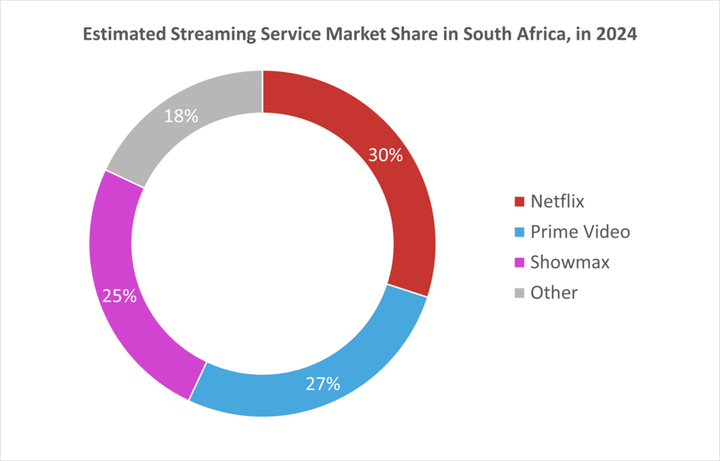
Where African Artists Earn, Lose, and Get Erased on Stream
Pan-African2 MINREAD →
HEALTHSTRATA-AF™★ EDITOR'S PICK
Uganda Held the Line on Ebola. Here's the Playbook Congo Needs Now
DR Congo2 MINREAD →
MUSICSTRATA-AF™STRATA-AF™ ORIGINAL
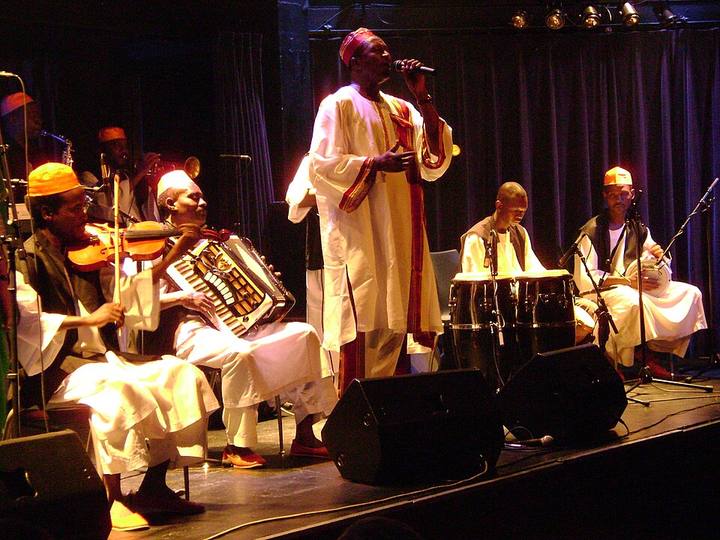
Music Is Starving in Sudan: How the RSF Silenced a Generation of Artists
Sudan2 MINREAD →
CULTURESTRATA-AF™★ EDITOR'S PICK
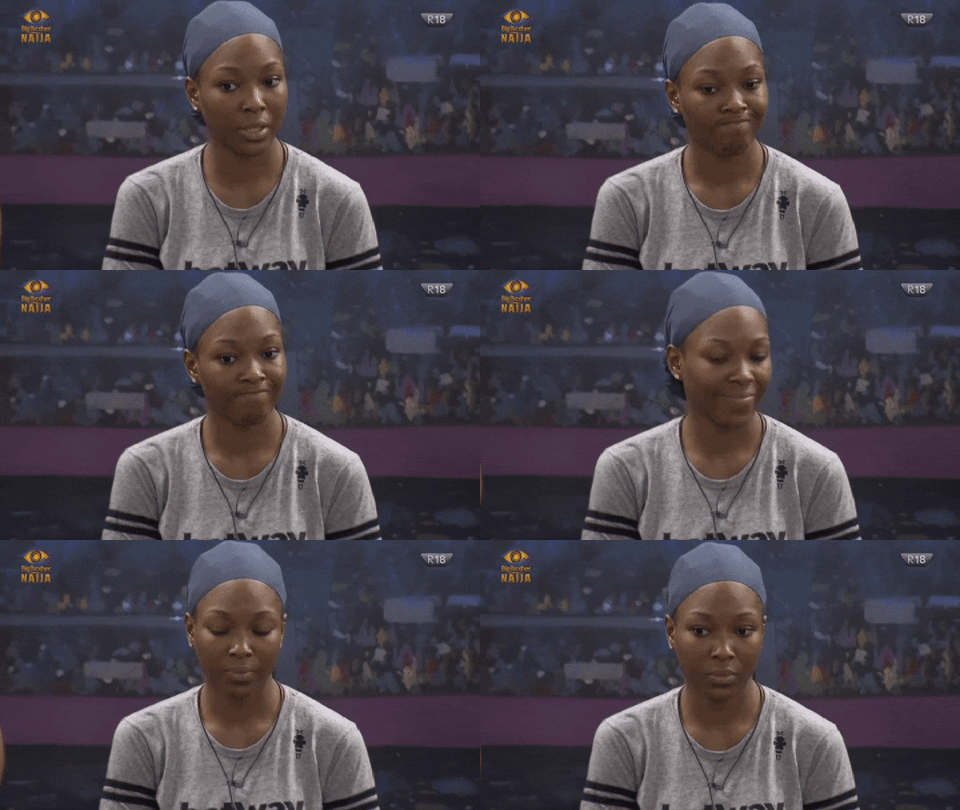
How BBNaija Rewired Nigerian Television And Everything Around It
Lagos, Pan-African2 MINREAD →
FASHIONSTRATA-AF™★ EDITOR'S PICK
Lagos Fashion Week's Green Push Is Either Africa's Best Bet or Its Greenest Greenwash
Pan-African2 MINREAD →
CULTURESTRATA-AF™★ EDITOR'S PICK
Dakar 2026 Is Africa's Olympic Moment
Senegal2 MINREAD →
SPORTSFROM THE WEB★ EDITOR'S PICK
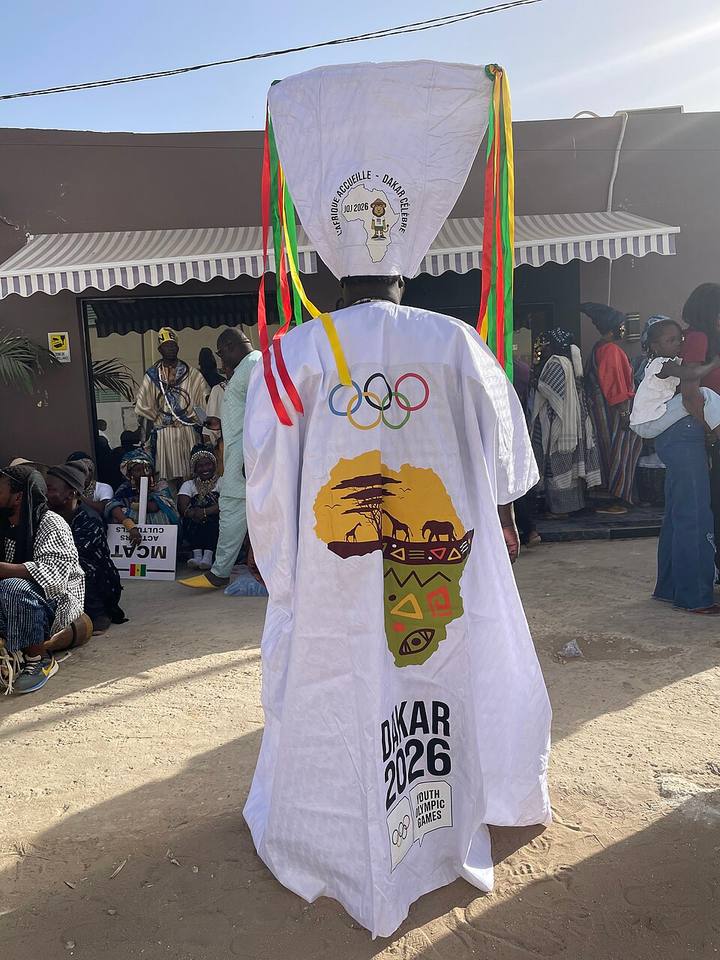
Senegal set to make Olympic history with Dakar 2026 Youth Games
Dakar 2026 breaks a hosting monopoly that has excluded Africa from Olympic stewardship for over a century — the question is what institutional and economic legacy Senegal can extract from the moment.
Senegal1 MIN · Africanews · 25 JULREAD →
See all stories

The actual version — written by the people who live there.

10VERTICALS
6TYPES
5CITIES
1STANDARD
AboutMissionManifestoLegalOriginalsSubscribeArchiveShowsContributorsJobs
© 2026 STRATA-AF™ · STRATA PUBLISHING CO LTD · LAGOS · NAIROBI · JOBURG · ACCRA
 
 
--:--LAGOS
CultureMusicFilmTechSportsPoliticsHealthFinanceReligionFashion
sports
Serena Williams Partners Victoria Mboko at Queen's

A wildcard doubles entry, and a pairing worth watching.

Serena Williams is officially returning to professional tennis at the HSBC Championships at Queen's Club in London.

BellaNaija
Nigeria4 MIN
From the web · BellaNaija
COVER 16:9
STRATA-AF™ ANGLEEDITORIAL SYNTHESIS BY STRATA-AF™

Williams' comeback highlights the growing prominence of African tennis talent, with her partnership with Canadian-African player Victoria Mboko symbolizing the continent's rising influence in global sports. This collaboration could inspire greater investment in tennis infrastructure across Africa and provide a platform for showcasing emerging African talent on the world stage.

The announcement of Serena Williams' return to professional tennis after nearly four years carries profound significance that extends far beyond the manicured grass courts of Queen's Club. Her decision to partner with Victoria Mboko, a rising Canadian talent, for this comeback represents more than a strategic pairing. It embodies the enduring power of African excellence on the global stage. Williams, whose dominance redefined what was possible for Black women in tennis, remains an indelible symbol of how African diaspora athletes can transcend sport to become cultural revolutionaries.

Williams' initial retirement in 2022 marked the end of an era that witnessed unprecedented representation for Black women in elite tennis. Her 23 Grand Slam singles titles stand as monuments to athletic supremacy, but perhaps more importantly, they represent systematic barriers demolished and glass ceilings shattered. Throughout her career, Williams navigated a sport historically hostile to Black excellence, enduring racist commentary, biased officiating, and constant scrutiny of her body and behavior that her white counterparts never faced. Her resilience in those moments became a masterclass in dignity under pressure, inspiring countless young African women across the continent and diaspora to pursue excellence in spaces where they were never meant to belong.

The choice of doubles for her return is particularly strategic and symbolic. By partnering with Mboko, Williams demonstrates the collaborative spirit that has always defined African approaches to achievement, the understanding that individual success is meaningless without collective elevation. This partnership suggests a mentorship dynamic that could prove invaluable for the younger player while allowing Williams to ease back into competitive tennis without the intense pressure of singles play. It also reinforces the networks of solidarity that have historically sustained African athletes in predominantly white sporting environments.

What makes this comeback particularly compelling is its timing within the broader context of African tennis experiencing a renaissance. From Nigeria's flourishing junior programs to South Africa's continued production of world-class talent, the continent is witnessing unprecedented growth in tennis infrastructure and participation. Williams' return provides a gravitational pull that could accelerate this momentum, drawing global attention to African tennis talent and potentially inspiring increased investment in grassroots development across the continent.

The HSBC Championships at Queen's Club, traditionally a men's tournament venue, hosting this women's event signals shifting dynamics in tennis that Williams herself helped catalyze. Her career coincided with growing demands for equal prize money, better marketing of women's tennis, and recognition that female athletes could drive viewership and revenue as effectively as their male counterparts. Her return to this particular venue, steeped in tennis tradition and historically exclusive, represents a full-circle moment that underscores how far the sport has traveled toward inclusivity.

Beyond the immediate excitement of seeing Williams compete again, this comeback raises intriguing questions about legacy and longevity in professional sports. At 42, she joins a growing cohort of athletes extending their careers well beyond traditional retirement age, challenging ageist assumptions about peak performance. For African women, who often face premature dismissal from various professional spheres, Williams' return becomes a powerful statement about self-determination and the right to define one's own timeline for excellence.

The global tennis community's response to this announcement, marked by widespread enthusiasm and media coverage, demonstrates Williams' enduring marketability and cultural relevance. This sustained interest creates opportunities for African tennis federations and sponsors to leverage her visibility for continental development initiatives. Whether this comeback extends beyond Queen's Club or remains a singular return, Williams continues to serve as proof that African excellence, once established, becomes an unstoppable force that reshapes entire industries and inspires generations across continents.

READ THE SOURCE REPORT FROM BELLANAIJA

Enjoying Strata-AF™?

Sign in or sign up for a personalised feed and unlock Strata-AF™ Originals.

SIGN IN / SIGN UP
READ NEXT
--:--LAGOS
/shows/data/docs
sports
Serena Williams Partners Victoria Mboko at Queen's

A wildcard doubles entry, and a pairing worth watching.

Serena Williams is officially returning to professional tennis at the HSBC Championships at Queen's Club in London.

BellaNaija
Nigeria4 MIN READ
From the web · BellaNaija
STRATA-AF™ ANGLEEDITORIAL SYNTHESIS BY STRATA-AF™

Williams' comeback highlights the growing prominence of African tennis talent, with her partnership with Canadian-African player Victoria Mboko symbolizing the continent's rising influence in global sports. This collaboration could inspire greater investment in tennis infrastructure across Africa and provide a platform for showcasing emerging African talent on the world stage.

The announcement of Serena Williams' return to professional tennis after nearly four years carries profound significance that extends far beyond the manicured grass courts of Queen's Club. Her decision to partner with Victoria Mboko, a rising Canadian talent, for this comeback represents more than a strategic pairing. It embodies the enduring power of African excellence on the global stage. Williams, whose dominance redefined what was possible for Black women in tennis, remains an indelible symbol of how African diaspora athletes can transcend sport to become cultural revolutionaries.

Williams' initial retirement in 2022 marked the end of an era that witnessed unprecedented representation for Black women in elite tennis. Her 23 Grand Slam singles titles stand as monuments to athletic supremacy, but perhaps more importantly, they represent systematic barriers demolished and glass ceilings shattered. Throughout her career, Williams navigated a sport historically hostile to Black excellence, enduring racist commentary, biased officiating, and constant scrutiny of her body and behavior that her white counterparts never faced. Her resilience in those moments became a masterclass in dignity under pressure, inspiring countless young African women across the continent and diaspora to pursue excellence in spaces where they were never meant to belong.

The choice of doubles for her return is particularly strategic and symbolic. By partnering with Mboko, Williams demonstrates the collaborative spirit that has always defined African approaches to achievement, the understanding that individual success is meaningless without collective elevation. This partnership suggests a mentorship dynamic that could prove invaluable for the younger player while allowing Williams to ease back into competitive tennis without the intense pressure of singles play. It also reinforces the networks of solidarity that have historically sustained African athletes in predominantly white sporting environments.

What makes this comeback particularly compelling is its timing within the broader context of African tennis experiencing a renaissance. From Nigeria's flourishing junior programs to South Africa's continued production of world-class talent, the continent is witnessing unprecedented growth in tennis infrastructure and participation. Williams' return provides a gravitational pull that could accelerate this momentum, drawing global attention to African tennis talent and potentially inspiring increased investment in grassroots development across the continent.

The HSBC Championships at Queen's Club, traditionally a men's tournament venue, hosting this women's event signals shifting dynamics in tennis that Williams herself helped catalyze. Her career coincided with growing demands for equal prize money, better marketing of women's tennis, and recognition that female athletes could drive viewership and revenue as effectively as their male counterparts. Her return to this particular venue, steeped in tennis tradition and historically exclusive, represents a full-circle moment that underscores how far the sport has traveled toward inclusivity.

Beyond the immediate excitement of seeing Williams compete again, this comeback raises intriguing questions about legacy and longevity in professional sports. At 42, she joins a growing cohort of athletes extending their careers well beyond traditional retirement age, challenging ageist assumptions about peak performance. For African women, who often face premature dismissal from various professional spheres, Williams' return becomes a powerful statement about self-determination and the right to define one's own timeline for excellence.

The global tennis community's response to this announcement, marked by widespread enthusiasm and media coverage, demonstrates Williams' enduring marketability and cultural relevance. This sustained interest creates opportunities for African tennis federations and sponsors to leverage her visibility for continental development initiatives. Whether this comeback extends beyond Queen's Club or remains a singular return, Williams continues to serve as proof that African excellence, once established, becomes an unstoppable force that reshapes entire industries and inspires generations across continents.

READ THE SOURCE REPORT FROM BELLANAIJA

Enjoying Strata-AF™?

Sign in or sign up for a personalised feed and unlock Strata-AF™ Originals.

SIGN IN / SIGN UP
VERTICAL
sports
ORIGIN
Nigeria
NO COVER SET
READ NEXT1 PIECE SELECTED BY OUR EDITORS
CULTURE · MUSIC · FILM · TECH · SPORT · POLITICS · HEALTH · FINANCE · RELIGION · FASHION · LAGOS · NAIROBI · JOBURG · ACCRA · DATA JOURNALISM · ORIGINAL REPORTING · THE ACTUAL VERSION ·CULTURE · MUSIC · FILM · TECH · SPORT · POLITICS · HEALTH · FINANCE · RELIGION · FASHION · LAGOS · NAIROBI · JOBURG · ACCRA · DATA JOURNALISM · ORIGINAL REPORTING · THE ACTUAL VERSION ·
Premium editorial for a continent that's done waiting to be covered.

Not the export-market version. Not the diaspora version. The actual version — written by the people who live there.

Verticals
CultureMusicFilmTechSportsPolitics
HUBS
Strata-AF OriginalsDataDocsNewsletterArchiveShows
Company
AboutMissionManifestoLegal
REACH
10VERTICALS
6CONTENT TYPES
5CITIES
1STANDARD
© 2026 STRATA-AF™ · STRATA PUBLISHING CO LTD · LAGOS · JOBURG · NAIROBI · ACCRAPRIVACYTERMSCORRECTIONSMASTHEAD