--:--LAGOS
CultureMusicFilmTechSportsPoliticsHealthFinanceReligionFashion
tech
Why Sudanese Refugees Are Leaving Egypt for Europe

1.3 million in Cairo, and the Mediterranean framed as the safer option.

In Cairo's Faisal district, those who fled conflict at home say they face violence and uncertainty, making a voyage across the Mediterranean their only hope.

Simon Ruisch · The Guardian
Cairo, Egypt5 MIN
From the web · The Guardian
COVER 16:9
STRATA-AF™ ANGLEEDITORIAL SYNTHESIS BY STRATA-AF™

This refugee crisis highlights the urgent need for African digital identity and financial inclusion systems that could help displaced populations access services and opportunities across borders. As tech hubs like Cairo struggle with humanitarian challenges, the continent must leverage its growing digital infrastructure to create more resilient support networks for vulnerable populations.

**The Circular Trap of African Displacement**

The plight of Sudanese refugees in Cairo exposes a devastating pattern that has plagued the African continent for decades: the endless cycle of displacement that forces our people to flee from one precarious situation to another, often landing them in equally hostile environments. The 1.3 million Sudanese refugees in Egypt's capital represent more than statistical data. They embody the failure of regional integration mechanisms and the absence of genuine Pan-African solidarity in times of crisis. While fleeing the brutality of war at home, these refugees have encountered a different form of violence in Egypt, one characterized by systemic racism, economic exploitation, and institutional neglect that renders their existence barely sustainable.

The racism faced by Sudanese refugees in Cairo reflects deeper continental challenges around identity, belonging, and the colonial legacies that continue to divide African peoples. Despite shared histories of struggle against imperialism and common cultural threads that bind the Nile Valley, the treatment of Sudanese refugees reveals how artificial borders and nationalist sentiments have fragmented African unity. This discrimination is not merely an Egyptian phenomenon but part of a broader continental pattern where African migrants face hostility even within Africa itself, a tragic irony that undermines the Pan-African vision of a continent where all Africans can find dignity and opportunity regardless of their country of origin.

The forced disappearances and arbitrary detentions described in the Cairo refugee community represent a continuation of the state violence that many Sudanese initially fled. This grim reality underscores how the current international refugee system, designed primarily by Western powers, fails to address the specific dynamics of African displacement. The Egypt-Sudan border, like many African boundaries drawn by colonial powers, has become a barrier to human movement rather than a space of cultural and economic exchange. When African governments prioritize border controls over human rights, they inadvertently serve external interests while abandoning their responsibility to protect African lives.

The dangerous Mediterranean crossing that increasingly attracts Sudanese refugees represents the ultimate indictment of both regional and international responses to African displacement. That people would choose the treacherous waters of the Mediterranean over remaining in Egypt speaks to the complete breakdown of protection systems within Africa itself. This phenomenon feeds into European narratives about African "illegal migration" while obscuring the structural violence that makes such journeys appear as the only viable option. European Union policies that externalize border controls to North African states like Egypt create a containment system that traps African refugees in countries ill-equipped or unwilling to provide meaningful protection.

The concentration of Sudanese refugees in specific Cairo neighborhoods like Faisal district creates invisible ghettos that parallel the segregation systems once imposed by colonial administrations. These spatial arrangements facilitate exploitation while limiting refugees' access to broader Egyptian society, education, and economic opportunities. The result is a permanent underclass of African displaced persons whose suffering remains largely invisible to the international community. This marginalization serves the interests of those who benefit from cheap, exploitable labor while maintaining plausible deniability about the conditions these communities endure.

What makes the Sudanese refugee crisis particularly tragic is its timing alongside Africa's supposed integration agenda through initiatives like the African Continental Free Trade Area. While African leaders speak of removing barriers to intra-African trade and movement, millions of Africans remain trapped in displacement camps or hostile urban environments across the continent. The contrast between economic integration rhetoric and the reality of refugee experiences reveals the selective nature of African unity, one that prioritizes elite interests and commercial flows while abandoning the continent's most vulnerable populations.

The international community's response to Sudanese refugees in Egypt reflects the broader devaluation of African lives in global humanitarian frameworks. Despite the scale of displacement and documented human rights violations, international attention and resources remain inadequate. This neglect is not accidental but reflects a global system that views African displacement as a containment problem rather than a humanitarian crisis requiring comprehensive solutions. Until African nations develop autonomous protection systems and genuine solidarity mechanisms, the cycle of displacement, exploitation, and dangerous onward migration will continue to define the continental refugee experience, undermining any meaningful progress toward African unity and development.

READ THE SOURCE REPORT FROM THE GUARDIAN

Enjoying Strata-AF™?

Sign in or sign up for a personalised feed and unlock Strata-AF™ Originals.

SIGN IN / SIGN UP
--:--LAGOS
STRATA-AF™
ISSUE 001FEED◎ SEARCHSUBSCRIBE
/shows/data/docs
tech
Why Sudanese Refugees Are Leaving Egypt for Europe

1.3 million in Cairo, and the Mediterranean framed as the safer option.

In Cairo's Faisal district, those who fled conflict at home say they face violence and uncertainty, making a voyage across the Mediterranean their only hope.

Simon Ruisch · The Guardian
Cairo, Egypt5 MIN READ
From the web · The Guardian
STRATA-AF™ ANGLEEDITORIAL SYNTHESIS BY STRATA-AF™

This refugee crisis highlights the urgent need for African digital identity and financial inclusion systems that could help displaced populations access services and opportunities across borders. As tech hubs like Cairo struggle with humanitarian challenges, the continent must leverage its growing digital infrastructure to create more resilient support networks for vulnerable populations.

**The Circular Trap of African Displacement**

The plight of Sudanese refugees in Cairo exposes a devastating pattern that has plagued the African continent for decades: the endless cycle of displacement that forces our people to flee from one precarious situation to another, often landing them in equally hostile environments. The 1.3 million Sudanese refugees in Egypt's capital represent more than statistical data. They embody the failure of regional integration mechanisms and the absence of genuine Pan-African solidarity in times of crisis. While fleeing the brutality of war at home, these refugees have encountered a different form of violence in Egypt, one characterized by systemic racism, economic exploitation, and institutional neglect that renders their existence barely sustainable.

The racism faced by Sudanese refugees in Cairo reflects deeper continental challenges around identity, belonging, and the colonial legacies that continue to divide African peoples. Despite shared histories of struggle against imperialism and common cultural threads that bind the Nile Valley, the treatment of Sudanese refugees reveals how artificial borders and nationalist sentiments have fragmented African unity. This discrimination is not merely an Egyptian phenomenon but part of a broader continental pattern where African migrants face hostility even within Africa itself, a tragic irony that undermines the Pan-African vision of a continent where all Africans can find dignity and opportunity regardless of their country of origin.

The forced disappearances and arbitrary detentions described in the Cairo refugee community represent a continuation of the state violence that many Sudanese initially fled. This grim reality underscores how the current international refugee system, designed primarily by Western powers, fails to address the specific dynamics of African displacement. The Egypt-Sudan border, like many African boundaries drawn by colonial powers, has become a barrier to human movement rather than a space of cultural and economic exchange. When African governments prioritize border controls over human rights, they inadvertently serve external interests while abandoning their responsibility to protect African lives.

The dangerous Mediterranean crossing that increasingly attracts Sudanese refugees represents the ultimate indictment of both regional and international responses to African displacement. That people would choose the treacherous waters of the Mediterranean over remaining in Egypt speaks to the complete breakdown of protection systems within Africa itself. This phenomenon feeds into European narratives about African "illegal migration" while obscuring the structural violence that makes such journeys appear as the only viable option. European Union policies that externalize border controls to North African states like Egypt create a containment system that traps African refugees in countries ill-equipped or unwilling to provide meaningful protection.

The concentration of Sudanese refugees in specific Cairo neighborhoods like Faisal district creates invisible ghettos that parallel the segregation systems once imposed by colonial administrations. These spatial arrangements facilitate exploitation while limiting refugees' access to broader Egyptian society, education, and economic opportunities. The result is a permanent underclass of African displaced persons whose suffering remains largely invisible to the international community. This marginalization serves the interests of those who benefit from cheap, exploitable labor while maintaining plausible deniability about the conditions these communities endure.

What makes the Sudanese refugee crisis particularly tragic is its timing alongside Africa's supposed integration agenda through initiatives like the African Continental Free Trade Area. While African leaders speak of removing barriers to intra-African trade and movement, millions of Africans remain trapped in displacement camps or hostile urban environments across the continent. The contrast between economic integration rhetoric and the reality of refugee experiences reveals the selective nature of African unity, one that prioritizes elite interests and commercial flows while abandoning the continent's most vulnerable populations.

The international community's response to Sudanese refugees in Egypt reflects the broader devaluation of African lives in global humanitarian frameworks. Despite the scale of displacement and documented human rights violations, international attention and resources remain inadequate. This neglect is not accidental but reflects a global system that views African displacement as a containment problem rather than a humanitarian crisis requiring comprehensive solutions. Until African nations develop autonomous protection systems and genuine solidarity mechanisms, the cycle of displacement, exploitation, and dangerous onward migration will continue to define the continental refugee experience, undermining any meaningful progress toward African unity and development.

READ THE SOURCE REPORT FROM THE GUARDIAN

Enjoying Strata-AF™?

Sign in or sign up for a personalised feed and unlock Strata-AF™ Originals.

SIGN IN / SIGN UP
VERTICAL
tech
ORIGIN
Cairo, Egypt
NO COVER SET
CULTURE · MUSIC · FILM · TECH · SPORT · POLITICS · HEALTH · FINANCE · RELIGION · FASHION · LAGOS · NAIROBI · JOBURG · ACCRA · DATA JOURNALISM · ORIGINAL REPORTING · THE ACTUAL VERSION ·CULTURE · MUSIC · FILM · TECH · SPORT · POLITICS · HEALTH · FINANCE · RELIGION · FASHION · LAGOS · NAIROBI · JOBURG · ACCRA · DATA JOURNALISM · ORIGINAL REPORTING · THE ACTUAL VERSION ·
Premium editorial for a continent that's done waiting to be covered.

Not the export-market version. Not the diaspora version. The actual version — written by the people who live there.

Verticals
CultureMusicFilmTechSportsPolitics
HUBS
Strata-AF OriginalsDataDocsNewsletterArchiveShows
Company
AboutMissionManifestoLegal
REACH
10VERTICALS
6CONTENT TYPES
5CITIES
1STANDARD
© 2026 STRATA-AF™ · STRATA PUBLISHING CO LTD · LAGOS · JOBURG · NAIROBI · ACCRAPRIVACYTERMSCORRECTIONSMASTHEAD
 
 
--:--LAGOS
CultureMusicFilmTechSportsPoliticsHealthFinanceReligionFashion
Highlights
Strata-AF
Editor's Pick
From the web
SPORTSSTRATA-AF™STRATA-AF™ ORIGINAL
WAFCON 2026 Proved African Women's Football Is Ready. The Clubs Aren't.
2 MINREAD →
POLITICSSTRATA-AF™★ EDITOR'S PICK
The Lagos Cancellation Is Not About Tyla Really, Or Is It ?
Pan-African2 MINREAD →
MUSICSTRATA-AF™★ EDITOR'S PICK
Blood, Beats & Betrayal: How Family Killed P-Square
Nigeria2 MINREAD →
MUSICBY THE NUMBERSSTRATA-AF™ ORIGINAL
Where African Artists Earn, Lose, and Get Erased on Stream
Pan-African2 MINREAD →
HEALTHSTRATA-AF™★ EDITOR'S PICK
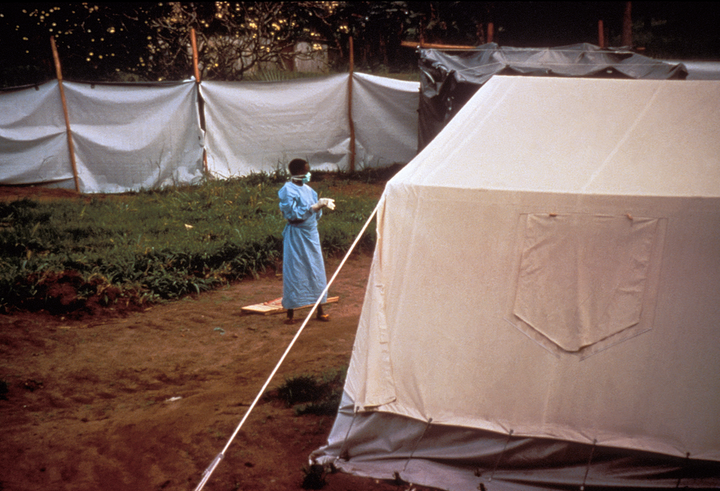
Uganda Held the Line on Ebola. Here's the Playbook Congo Needs Now
DR Congo2 MINREAD →
MUSICSTRATA-AF™STRATA-AF™ ORIGINAL
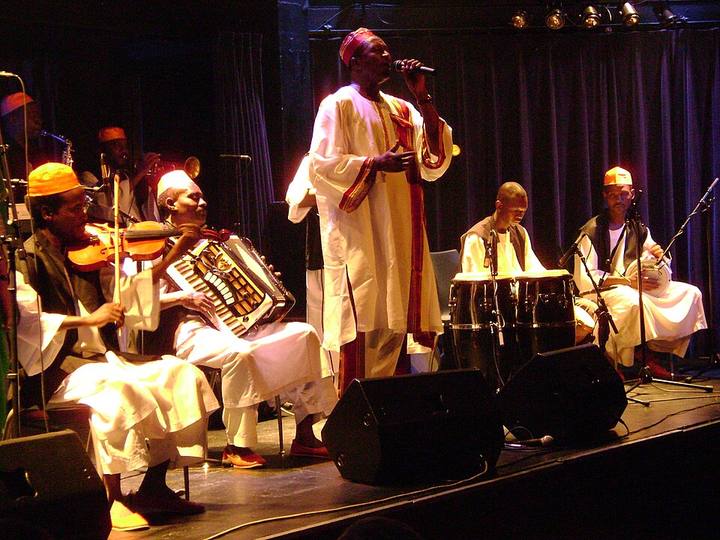
Music Is Starving in Sudan: How the RSF Silenced a Generation of Artists
Sudan2 MINREAD →
CULTURESTRATA-AF™★ EDITOR'S PICK
How BBNaija Rewired Nigerian Television And Everything Around It
Lagos, Pan-African2 MINREAD →
FASHIONSTRATA-AF™★ EDITOR'S PICK
Lagos Fashion Week's Green Push Is Either Africa's Best Bet or Its Greenest Greenwash
Pan-African2 MINREAD →
CULTURESTRATA-AF™★ EDITOR'S PICK
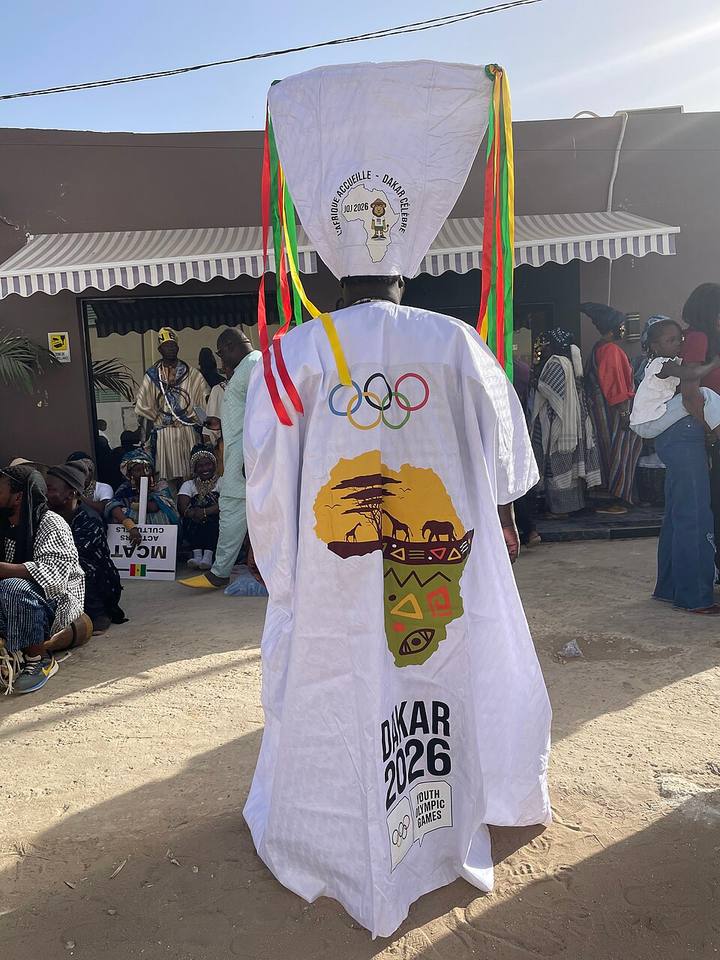
Dakar 2026 Is Africa's Olympic Moment
Senegal2 MINREAD →
SPORTSFROM THE WEB★ EDITOR'S PICK
Senegal set to make Olympic history with Dakar 2026 Youth Games
Dakar 2026 breaks a hosting monopoly that has excluded Africa from Olympic stewardship for over a century — the question is what institutional and economic legacy Senegal can extract from the moment.
Senegal1 MIN · Africanews · 25 JULREAD →
See all stories

The actual version — written by the people who live there.

10VERTICALS
6TYPES
5CITIES
1STANDARD
AboutMissionManifestoLegalOriginalsSubscribeArchiveShowsContributorsJobs
© 2026 STRATA-AF™ · STRATA PUBLISHING CO LTD · LAGOS · NAIROBI · JOBURG · ACCRA
 
 
--:--LAGOS
CultureMusicFilmTechSportsPoliticsHealthFinanceReligionFashion
tech
Why Sudanese Refugees Are Leaving Egypt for Europe

1.3 million in Cairo, and the Mediterranean framed as the safer option.

In Cairo's Faisal district, those who fled conflict at home say they face violence and uncertainty, making a voyage across the Mediterranean their only hope.

Simon Ruisch · The Guardian
Cairo, Egypt5 MIN
From the web · The Guardian
COVER 16:9
STRATA-AF™ ANGLEEDITORIAL SYNTHESIS BY STRATA-AF™

This refugee crisis highlights the urgent need for African digital identity and financial inclusion systems that could help displaced populations access services and opportunities across borders. As tech hubs like Cairo struggle with humanitarian challenges, the continent must leverage its growing digital infrastructure to create more resilient support networks for vulnerable populations.

**The Circular Trap of African Displacement**

The plight of Sudanese refugees in Cairo exposes a devastating pattern that has plagued the African continent for decades: the endless cycle of displacement that forces our people to flee from one precarious situation to another, often landing them in equally hostile environments. The 1.3 million Sudanese refugees in Egypt's capital represent more than statistical data. They embody the failure of regional integration mechanisms and the absence of genuine Pan-African solidarity in times of crisis. While fleeing the brutality of war at home, these refugees have encountered a different form of violence in Egypt, one characterized by systemic racism, economic exploitation, and institutional neglect that renders their existence barely sustainable.

The racism faced by Sudanese refugees in Cairo reflects deeper continental challenges around identity, belonging, and the colonial legacies that continue to divide African peoples. Despite shared histories of struggle against imperialism and common cultural threads that bind the Nile Valley, the treatment of Sudanese refugees reveals how artificial borders and nationalist sentiments have fragmented African unity. This discrimination is not merely an Egyptian phenomenon but part of a broader continental pattern where African migrants face hostility even within Africa itself, a tragic irony that undermines the Pan-African vision of a continent where all Africans can find dignity and opportunity regardless of their country of origin.

The forced disappearances and arbitrary detentions described in the Cairo refugee community represent a continuation of the state violence that many Sudanese initially fled. This grim reality underscores how the current international refugee system, designed primarily by Western powers, fails to address the specific dynamics of African displacement. The Egypt-Sudan border, like many African boundaries drawn by colonial powers, has become a barrier to human movement rather than a space of cultural and economic exchange. When African governments prioritize border controls over human rights, they inadvertently serve external interests while abandoning their responsibility to protect African lives.

The dangerous Mediterranean crossing that increasingly attracts Sudanese refugees represents the ultimate indictment of both regional and international responses to African displacement. That people would choose the treacherous waters of the Mediterranean over remaining in Egypt speaks to the complete breakdown of protection systems within Africa itself. This phenomenon feeds into European narratives about African "illegal migration" while obscuring the structural violence that makes such journeys appear as the only viable option. European Union policies that externalize border controls to North African states like Egypt create a containment system that traps African refugees in countries ill-equipped or unwilling to provide meaningful protection.

The concentration of Sudanese refugees in specific Cairo neighborhoods like Faisal district creates invisible ghettos that parallel the segregation systems once imposed by colonial administrations. These spatial arrangements facilitate exploitation while limiting refugees' access to broader Egyptian society, education, and economic opportunities. The result is a permanent underclass of African displaced persons whose suffering remains largely invisible to the international community. This marginalization serves the interests of those who benefit from cheap, exploitable labor while maintaining plausible deniability about the conditions these communities endure.

What makes the Sudanese refugee crisis particularly tragic is its timing alongside Africa's supposed integration agenda through initiatives like the African Continental Free Trade Area. While African leaders speak of removing barriers to intra-African trade and movement, millions of Africans remain trapped in displacement camps or hostile urban environments across the continent. The contrast between economic integration rhetoric and the reality of refugee experiences reveals the selective nature of African unity, one that prioritizes elite interests and commercial flows while abandoning the continent's most vulnerable populations.

The international community's response to Sudanese refugees in Egypt reflects the broader devaluation of African lives in global humanitarian frameworks. Despite the scale of displacement and documented human rights violations, international attention and resources remain inadequate. This neglect is not accidental but reflects a global system that views African displacement as a containment problem rather than a humanitarian crisis requiring comprehensive solutions. Until African nations develop autonomous protection systems and genuine solidarity mechanisms, the cycle of displacement, exploitation, and dangerous onward migration will continue to define the continental refugee experience, undermining any meaningful progress toward African unity and development.

READ THE SOURCE REPORT FROM THE GUARDIAN

Enjoying Strata-AF™?

Sign in or sign up for a personalised feed and unlock Strata-AF™ Originals.
SIGN IN / SIGN UP
--:--LAGOS
/shows/data/docs
tech
Why Sudanese Refugees Are Leaving Egypt for Europe

1.3 million in Cairo, and the Mediterranean framed as the safer option.

In Cairo's Faisal district, those who fled conflict at home say they face violence and uncertainty, making a voyage across the Mediterranean their only hope.

Simon Ruisch · The Guardian
Cairo, Egypt5 MIN READ
From the web · The Guardian
STRATA-AF™ ANGLEEDITORIAL SYNTHESIS BY STRATA-AF™

This refugee crisis highlights the urgent need for African digital identity and financial inclusion systems that could help displaced populations access services and opportunities across borders. As tech hubs like Cairo struggle with humanitarian challenges, the continent must leverage its growing digital infrastructure to create more resilient support networks for vulnerable populations.

**The Circular Trap of African Displacement**

The plight of Sudanese refugees in Cairo exposes a devastating pattern that has plagued the African continent for decades: the endless cycle of displacement that forces our people to flee from one precarious situation to another, often landing them in equally hostile environments. The 1.3 million Sudanese refugees in Egypt's capital represent more than statistical data. They embody the failure of regional integration mechanisms and the absence of genuine Pan-African solidarity in times of crisis. While fleeing the brutality of war at home, these refugees have encountered a different form of violence in Egypt, one characterized by systemic racism, economic exploitation, and institutional neglect that renders their existence barely sustainable.

The racism faced by Sudanese refugees in Cairo reflects deeper continental challenges around identity, belonging, and the colonial legacies that continue to divide African peoples. Despite shared histories of struggle against imperialism and common cultural threads that bind the Nile Valley, the treatment of Sudanese refugees reveals how artificial borders and nationalist sentiments have fragmented African unity. This discrimination is not merely an Egyptian phenomenon but part of a broader continental pattern where African migrants face hostility even within Africa itself, a tragic irony that undermines the Pan-African vision of a continent where all Africans can find dignity and opportunity regardless of their country of origin.

The forced disappearances and arbitrary detentions described in the Cairo refugee community represent a continuation of the state violence that many Sudanese initially fled. This grim reality underscores how the current international refugee system, designed primarily by Western powers, fails to address the specific dynamics of African displacement. The Egypt-Sudan border, like many African boundaries drawn by colonial powers, has become a barrier to human movement rather than a space of cultural and economic exchange. When African governments prioritize border controls over human rights, they inadvertently serve external interests while abandoning their responsibility to protect African lives.

The dangerous Mediterranean crossing that increasingly attracts Sudanese refugees represents the ultimate indictment of both regional and international responses to African displacement. That people would choose the treacherous waters of the Mediterranean over remaining in Egypt speaks to the complete breakdown of protection systems within Africa itself. This phenomenon feeds into European narratives about African "illegal migration" while obscuring the structural violence that makes such journeys appear as the only viable option. European Union policies that externalize border controls to North African states like Egypt create a containment system that traps African refugees in countries ill-equipped or unwilling to provide meaningful protection.

The concentration of Sudanese refugees in specific Cairo neighborhoods like Faisal district creates invisible ghettos that parallel the segregation systems once imposed by colonial administrations. These spatial arrangements facilitate exploitation while limiting refugees' access to broader Egyptian society, education, and economic opportunities. The result is a permanent underclass of African displaced persons whose suffering remains largely invisible to the international community. This marginalization serves the interests of those who benefit from cheap, exploitable labor while maintaining plausible deniability about the conditions these communities endure.

What makes the Sudanese refugee crisis particularly tragic is its timing alongside Africa's supposed integration agenda through initiatives like the African Continental Free Trade Area. While African leaders speak of removing barriers to intra-African trade and movement, millions of Africans remain trapped in displacement camps or hostile urban environments across the continent. The contrast between economic integration rhetoric and the reality of refugee experiences reveals the selective nature of African unity, one that prioritizes elite interests and commercial flows while abandoning the continent's most vulnerable populations.

The international community's response to Sudanese refugees in Egypt reflects the broader devaluation of African lives in global humanitarian frameworks. Despite the scale of displacement and documented human rights violations, international attention and resources remain inadequate. This neglect is not accidental but reflects a global system that views African displacement as a containment problem rather than a humanitarian crisis requiring comprehensive solutions. Until African nations develop autonomous protection systems and genuine solidarity mechanisms, the cycle of displacement, exploitation, and dangerous onward migration will continue to define the continental refugee experience, undermining any meaningful progress toward African unity and development.

READ THE SOURCE REPORT FROM THE GUARDIAN

Enjoying Strata-AF™?

Sign in or sign up for a personalised feed and unlock Strata-AF™ Originals.
SIGN IN / SIGN UP
VERTICAL
tech
ORIGIN
Cairo, Egypt
NO COVER SET
CULTURE · MUSIC · FILM · TECH · SPORT · POLITICS · HEALTH · FINANCE · RELIGION · FASHION · LAGOS · NAIROBI · JOBURG · ACCRA · DATA JOURNALISM · ORIGINAL REPORTING · THE ACTUAL VERSION ·CULTURE · MUSIC · FILM · TECH · SPORT · POLITICS · HEALTH · FINANCE · RELIGION · FASHION · LAGOS · NAIROBI · JOBURG · ACCRA · DATA JOURNALISM · ORIGINAL REPORTING · THE ACTUAL VERSION ·
Premium editorial for a continent that's done waiting to be covered.

Not the export-market version. Not the diaspora version. The actual version — written by the people who live there.

Verticals
CultureMusicFilmTechSportsPolitics
HUBS
Strata-AF OriginalsDataDocsNewsletterArchiveShows
Company
AboutMissionManifestoLegal
REACH
10VERTICALS
6CONTENT TYPES
5CITIES
1STANDARD
© 2026 STRATA-AF™ · STRATA PUBLISHING CO LTD · LAGOS · JOBURG · NAIROBI · ACCRAPRIVACYTERMSCORRECTIONSMASTHEAD