--:--LAGOS
CultureMusicFilmTechSportsPoliticsHealthFinanceReligionFashion
politics
People ‘panicking’ as Ghana passes sweeping law criminalising LGBTQ+ activity

Ghana's LGBTQ+ community fears losing homes, jobs and healthcare access after parliament passed a sweeping bill criminalising the promotion of LGBTQ+ activity, now awaiting presidential sign-off.

Community groups say some fear they could lose homes, jobs and access to healthcare if the new law is ratified by President John Dramani Mahama.

The Guardian · The Guardian
Ghana4 MIN
From the web · The Guardian
People ‘panicking’ as Ghana passes sweeping law criminalising LGBTQ+ activity
IMAGE · davidyuweb · UNSPLASH
STRATA-AF™ ANGLEEDITORIAL SYNTHESIS BY STRATA-AF™

Ghana's anti-LGBTQ+ legislation represents a concerning trend across parts of Africa where progressive social movements clash with traditional values and political opportunism. This law not only threatens human rights but could also impact Ghana's international relationships and economic partnerships, particularly with Western donors and investors who increasingly factor ESG considerations into their engagement strategies.

The Colonial Legacy of Homophobia Strikes Again

Ghana's recent passage of sweeping anti-LGBTQ+ legislation represents more than a domestic policy decision. It reflects the persistent shadow of colonial morality codes that continue to haunt African societies decades after independence. The irony is stark: laws that criminalize consensual adult relationships are being championed as authentically African when, in fact, they are largely derived from Victorian-era British penal codes imposed during colonial rule. This legislative move places Ghana alongside other African nations that have embraced punitive measures against sexual minorities, revealing how deeply embedded colonial legal frameworks remain in post-independence Africa.

The human cost of this legislation extends far beyond the immediate LGBTQ+ community, touching on fundamental questions about who belongs in the African family. When community groups report that people fear losing their homes, jobs, and access to healthcare, we witness the creation of a new class of internally displaced persons, citizens rendered homeless not by war or natural disaster, but by the very state meant to protect them. This echoes troubling patterns across the continent where marginalized groups find themselves excluded from the promise of post-colonial citizenship and development.

What makes Ghana's situation particularly concerning is the country's historical role as a beacon of Pan-African liberation and intellectual leadership. From Kwame Nkrumah's vision of African unity to the country's position as a destination for African diaspora seeking to reconnect with their roots, Ghana has long symbolized the best aspirations of the continent. This legislation threatens to tarnish that legacy, potentially positioning the country as a leader in regression rather than progress, at a time when African nations should be charting new paths toward inclusive governance.

The timing of this legislative push also raises questions about priorities in a continent grappling with pressing challenges of economic development, climate change, and democratic consolidation. While Ghana and other African nations face urgent needs in healthcare, education, and infrastructure, precious parliamentary time and political capital are being expended on criminalizing private consensual relationships. This misallocation of resources reflects a troubling tendency to scapegoat vulnerable minorities rather than address systemic challenges that affect all citizens.

Moreover, the international dimensions of this legislation cannot be ignored. As African nations increasingly assert their sovereignty on the global stage and demand respect for their agency in international affairs, laws like Ghana's risk undermining these efforts by providing ammunition for those who would dismiss African perspectives on human rights and governance. The continent's growing influence in global affairs, from climate negotiations to economic partnerships, depends partly on moral authority that becomes compromised when governments turn against their own citizens based on identity.

The path forward requires African leaders to distinguish between defending genuine African values and perpetuating colonial impositions dressed up as tradition. True Pan-African solidarity means creating space for all Africans to thrive, regardless of whom they love or how they express their identity. Ghana still has an opportunity to reconsider this legislation before it becomes law, potentially charting a different course that honors both its liberation heritage and its commitment to the dignity of all its citizens. The eyes of the continent, and the world, are watching to see whether Ghana will choose inclusion or exclusion as its guiding principle for the future.

READ THE SOURCE REPORT FROM THE GUARDIAN

Enjoying Strata-AF™?

Sign in or sign up for a personalised feed and unlock Strata-AF™ Originals.

SIGN IN / SIGN UP
--:--LAGOS
STRATA-AF™
ISSUE 001FEED◎ SEARCHSUBSCRIBE
/shows/data/docs
politics
People ‘panicking’ as Ghana passes sweeping law criminalising LGBTQ+ activity
IMAGE · davidyuweb · UNSPLASH
People ‘panicking’ as Ghana passes sweeping law criminalising LGBTQ+ activity

Ghana's LGBTQ+ community fears losing homes, jobs and healthcare access after parliament passed a sweeping bill criminalising the promotion of LGBTQ+ activity, now awaiting presidential sign-off.

Community groups say some fear they could lose homes, jobs and access to healthcare if the new law is ratified by President John Dramani Mahama.

The Guardian · The Guardian
Ghana4 MIN READ
From the web · The Guardian
STRATA-AF™ ANGLEEDITORIAL SYNTHESIS BY STRATA-AF™

Ghana's anti-LGBTQ+ legislation represents a concerning trend across parts of Africa where progressive social movements clash with traditional values and political opportunism. This law not only threatens human rights but could also impact Ghana's international relationships and economic partnerships, particularly with Western donors and investors who increasingly factor ESG considerations into their engagement strategies.

The Colonial Legacy of Homophobia Strikes Again

Ghana's recent passage of sweeping anti-LGBTQ+ legislation represents more than a domestic policy decision. It reflects the persistent shadow of colonial morality codes that continue to haunt African societies decades after independence. The irony is stark: laws that criminalize consensual adult relationships are being championed as authentically African when, in fact, they are largely derived from Victorian-era British penal codes imposed during colonial rule. This legislative move places Ghana alongside other African nations that have embraced punitive measures against sexual minorities, revealing how deeply embedded colonial legal frameworks remain in post-independence Africa.

The human cost of this legislation extends far beyond the immediate LGBTQ+ community, touching on fundamental questions about who belongs in the African family. When community groups report that people fear losing their homes, jobs, and access to healthcare, we witness the creation of a new class of internally displaced persons, citizens rendered homeless not by war or natural disaster, but by the very state meant to protect them. This echoes troubling patterns across the continent where marginalized groups find themselves excluded from the promise of post-colonial citizenship and development.

What makes Ghana's situation particularly concerning is the country's historical role as a beacon of Pan-African liberation and intellectual leadership. From Kwame Nkrumah's vision of African unity to the country's position as a destination for African diaspora seeking to reconnect with their roots, Ghana has long symbolized the best aspirations of the continent. This legislation threatens to tarnish that legacy, potentially positioning the country as a leader in regression rather than progress, at a time when African nations should be charting new paths toward inclusive governance.

The timing of this legislative push also raises questions about priorities in a continent grappling with pressing challenges of economic development, climate change, and democratic consolidation. While Ghana and other African nations face urgent needs in healthcare, education, and infrastructure, precious parliamentary time and political capital are being expended on criminalizing private consensual relationships. This misallocation of resources reflects a troubling tendency to scapegoat vulnerable minorities rather than address systemic challenges that affect all citizens.

Moreover, the international dimensions of this legislation cannot be ignored. As African nations increasingly assert their sovereignty on the global stage and demand respect for their agency in international affairs, laws like Ghana's risk undermining these efforts by providing ammunition for those who would dismiss African perspectives on human rights and governance. The continent's growing influence in global affairs, from climate negotiations to economic partnerships, depends partly on moral authority that becomes compromised when governments turn against their own citizens based on identity.

The path forward requires African leaders to distinguish between defending genuine African values and perpetuating colonial impositions dressed up as tradition. True Pan-African solidarity means creating space for all Africans to thrive, regardless of whom they love or how they express their identity. Ghana still has an opportunity to reconsider this legislation before it becomes law, potentially charting a different course that honors both its liberation heritage and its commitment to the dignity of all its citizens. The eyes of the continent, and the world, are watching to see whether Ghana will choose inclusion or exclusion as its guiding principle for the future.

READ THE SOURCE REPORT FROM THE GUARDIAN

Enjoying Strata-AF™?

Sign in or sign up for a personalised feed and unlock Strata-AF™ Originals.

SIGN IN / SIGN UP
VERTICAL
politics
ORIGIN
Ghana
CULTURE · MUSIC · FILM · TECH · SPORT · POLITICS · HEALTH · FINANCE · RELIGION · FASHION · LAGOS · NAIROBI · JOBURG · ACCRA · DATA JOURNALISM · ORIGINAL REPORTING · THE ACTUAL VERSION ·CULTURE · MUSIC · FILM · TECH · SPORT · POLITICS · HEALTH · FINANCE · RELIGION · FASHION · LAGOS · NAIROBI · JOBURG · ACCRA · DATA JOURNALISM · ORIGINAL REPORTING · THE ACTUAL VERSION ·
Premium editorial for a continent that's done waiting to be covered.

Not the export-market version. Not the diaspora version. The actual version — written by the people who live there.

Verticals
CultureMusicFilmTechSportsPolitics
HUBS
Strata-AF OriginalsDataDocsNewsletterArchiveShows
Company
AboutMissionManifestoLegal
REACH
10VERTICALS
6CONTENT TYPES
5CITIES
1STANDARD
© 2026 STRATA-AF™ · STRATA PUBLISHING CO LTD · LAGOS · JOBURG · NAIROBI · ACCRAPRIVACYTERMSCORRECTIONSMASTHEAD
 
 
--:--LAGOS
CultureMusicFilmTechSportsPoliticsHealthFinanceReligionFashion
Highlights
Strata-AF
Editor's Pick
From the web
SPORTSSTRATA-AF™STRATA-AF™ ORIGINAL
WAFCON 2026 Proved African Women's Football Is Ready. The Clubs Aren't.
2 MINREAD →
POLITICSSTRATA-AF™★ EDITOR'S PICK
The Lagos Cancellation Is Not About Tyla Really, Or Is It ?
Pan-African2 MINREAD →
MUSICSTRATA-AF™★ EDITOR'S PICK
Blood, Beats & Betrayal: How Family Killed P-Square
Nigeria2 MINREAD →
MUSICBY THE NUMBERSSTRATA-AF™ ORIGINAL
Where African Artists Earn, Lose, and Get Erased on Stream
Pan-African2 MINREAD →
HEALTHSTRATA-AF™★ EDITOR'S PICK
Uganda Held the Line on Ebola. Here's the Playbook Congo Needs Now
DR Congo2 MINREAD →
MUSICSTRATA-AF™STRATA-AF™ ORIGINAL
Music Is Starving in Sudan: How the RSF Silenced a Generation of Artists
Sudan2 MINREAD →
CULTURESTRATA-AF™★ EDITOR'S PICK
How BBNaija Rewired Nigerian Television And Everything Around It
Lagos, Pan-African2 MINREAD →
FASHIONSTRATA-AF™★ EDITOR'S PICK
Lagos Fashion Week's Green Push Is Either Africa's Best Bet or Its Greenest Greenwash
Pan-African2 MINREAD →
CULTURESTRATA-AF™★ EDITOR'S PICK
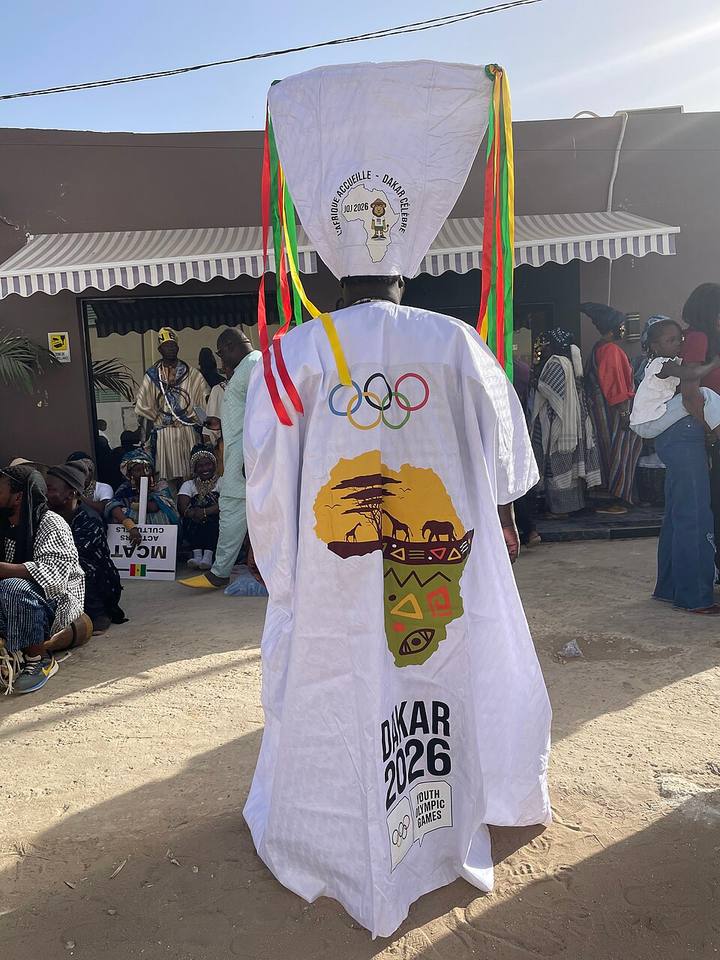
Dakar 2026 Is Africa's Olympic Moment
Senegal2 MINREAD →
SPORTSFROM THE WEB★ EDITOR'S PICK
Senegal set to make Olympic history with Dakar 2026 Youth Games
Dakar 2026 breaks a hosting monopoly that has excluded Africa from Olympic stewardship for over a century — the question is what institutional and economic legacy Senegal can extract from the moment.
Senegal1 MIN · Africanews · 25 JULREAD →
See all stories

The actual version — written by the people who live there.

10VERTICALS
6TYPES
5CITIES
1STANDARD
AboutMissionManifestoLegalOriginalsSubscribeArchiveShowsContributorsJobs
© 2026 STRATA-AF™ · STRATA PUBLISHING CO LTD · LAGOS · NAIROBI · JOBURG · ACCRA
 
 
--:--LAGOS
CultureMusicFilmTechSportsPoliticsHealthFinanceReligionFashion
politics
People ‘panicking’ as Ghana passes sweeping law criminalising LGBTQ+ activity

Ghana's LGBTQ+ community fears losing homes, jobs and healthcare access after parliament passed a sweeping bill criminalising the promotion of LGBTQ+ activity, now awaiting presidential sign-off.

Community groups say some fear they could lose homes, jobs and access to healthcare if the new law is ratified by President John Dramani Mahama.

The Guardian · The Guardian
Ghana4 MIN
From the web · The Guardian
People ‘panicking’ as Ghana passes sweeping law criminalising LGBTQ+ activity
STRATA-AF™ ANGLEEDITORIAL SYNTHESIS BY STRATA-AF™

Ghana's anti-LGBTQ+ legislation represents a concerning trend across parts of Africa where progressive social movements clash with traditional values and political opportunism. This law not only threatens human rights but could also impact Ghana's international relationships and economic partnerships, particularly with Western donors and investors who increasingly factor ESG considerations into their engagement strategies.

The Colonial Legacy of Homophobia Strikes Again

Ghana's recent passage of sweeping anti-LGBTQ+ legislation represents more than a domestic policy decision. It reflects the persistent shadow of colonial morality codes that continue to haunt African societies decades after independence. The irony is stark: laws that criminalize consensual adult relationships are being championed as authentically African when, in fact, they are largely derived from Victorian-era British penal codes imposed during colonial rule. This legislative move places Ghana alongside other African nations that have embraced punitive measures against sexual minorities, revealing how deeply embedded colonial legal frameworks remain in post-independence Africa.

The human cost of this legislation extends far beyond the immediate LGBTQ+ community, touching on fundamental questions about who belongs in the African family. When community groups report that people fear losing their homes, jobs, and access to healthcare, we witness the creation of a new class of internally displaced persons, citizens rendered homeless not by war or natural disaster, but by the very state meant to protect them. This echoes troubling patterns across the continent where marginalized groups find themselves excluded from the promise of post-colonial citizenship and development.

What makes Ghana's situation particularly concerning is the country's historical role as a beacon of Pan-African liberation and intellectual leadership. From Kwame Nkrumah's vision of African unity to the country's position as a destination for African diaspora seeking to reconnect with their roots, Ghana has long symbolized the best aspirations of the continent. This legislation threatens to tarnish that legacy, potentially positioning the country as a leader in regression rather than progress, at a time when African nations should be charting new paths toward inclusive governance.

The timing of this legislative push also raises questions about priorities in a continent grappling with pressing challenges of economic development, climate change, and democratic consolidation. While Ghana and other African nations face urgent needs in healthcare, education, and infrastructure, precious parliamentary time and political capital are being expended on criminalizing private consensual relationships. This misallocation of resources reflects a troubling tendency to scapegoat vulnerable minorities rather than address systemic challenges that affect all citizens.

Moreover, the international dimensions of this legislation cannot be ignored. As African nations increasingly assert their sovereignty on the global stage and demand respect for their agency in international affairs, laws like Ghana's risk undermining these efforts by providing ammunition for those who would dismiss African perspectives on human rights and governance. The continent's growing influence in global affairs, from climate negotiations to economic partnerships, depends partly on moral authority that becomes compromised when governments turn against their own citizens based on identity.

The path forward requires African leaders to distinguish between defending genuine African values and perpetuating colonial impositions dressed up as tradition. True Pan-African solidarity means creating space for all Africans to thrive, regardless of whom they love or how they express their identity. Ghana still has an opportunity to reconsider this legislation before it becomes law, potentially charting a different course that honors both its liberation heritage and its commitment to the dignity of all its citizens. The eyes of the continent, and the world, are watching to see whether Ghana will choose inclusion or exclusion as its guiding principle for the future.

READ THE SOURCE REPORT FROM THE GUARDIAN

Enjoying Strata-AF™?

Sign in or sign up for a personalised feed and unlock Strata-AF™ Originals.

SIGN IN / SIGN UP
--:--LAGOS
/shows/data/docs
politics
People ‘panicking’ as Ghana passes sweeping law criminalising LGBTQ+ activity
IMAGE · davidyuweb · UNSPLASH
People ‘panicking’ as Ghana passes sweeping law criminalising LGBTQ+ activity

Ghana's LGBTQ+ community fears losing homes, jobs and healthcare access after parliament passed a sweeping bill criminalising the promotion of LGBTQ+ activity, now awaiting presidential sign-off.

Community groups say some fear they could lose homes, jobs and access to healthcare if the new law is ratified by President John Dramani Mahama.

The Guardian · The Guardian
Ghana4 MIN READ
From the web · The Guardian
STRATA-AF™ ANGLEEDITORIAL SYNTHESIS BY STRATA-AF™

Ghana's anti-LGBTQ+ legislation represents a concerning trend across parts of Africa where progressive social movements clash with traditional values and political opportunism. This law not only threatens human rights but could also impact Ghana's international relationships and economic partnerships, particularly with Western donors and investors who increasingly factor ESG considerations into their engagement strategies.

The Colonial Legacy of Homophobia Strikes Again

Ghana's recent passage of sweeping anti-LGBTQ+ legislation represents more than a domestic policy decision. It reflects the persistent shadow of colonial morality codes that continue to haunt African societies decades after independence. The irony is stark: laws that criminalize consensual adult relationships are being championed as authentically African when, in fact, they are largely derived from Victorian-era British penal codes imposed during colonial rule. This legislative move places Ghana alongside other African nations that have embraced punitive measures against sexual minorities, revealing how deeply embedded colonial legal frameworks remain in post-independence Africa.

The human cost of this legislation extends far beyond the immediate LGBTQ+ community, touching on fundamental questions about who belongs in the African family. When community groups report that people fear losing their homes, jobs, and access to healthcare, we witness the creation of a new class of internally displaced persons, citizens rendered homeless not by war or natural disaster, but by the very state meant to protect them. This echoes troubling patterns across the continent where marginalized groups find themselves excluded from the promise of post-colonial citizenship and development.

What makes Ghana's situation particularly concerning is the country's historical role as a beacon of Pan-African liberation and intellectual leadership. From Kwame Nkrumah's vision of African unity to the country's position as a destination for African diaspora seeking to reconnect with their roots, Ghana has long symbolized the best aspirations of the continent. This legislation threatens to tarnish that legacy, potentially positioning the country as a leader in regression rather than progress, at a time when African nations should be charting new paths toward inclusive governance.

The timing of this legislative push also raises questions about priorities in a continent grappling with pressing challenges of economic development, climate change, and democratic consolidation. While Ghana and other African nations face urgent needs in healthcare, education, and infrastructure, precious parliamentary time and political capital are being expended on criminalizing private consensual relationships. This misallocation of resources reflects a troubling tendency to scapegoat vulnerable minorities rather than address systemic challenges that affect all citizens.

Moreover, the international dimensions of this legislation cannot be ignored. As African nations increasingly assert their sovereignty on the global stage and demand respect for their agency in international affairs, laws like Ghana's risk undermining these efforts by providing ammunition for those who would dismiss African perspectives on human rights and governance. The continent's growing influence in global affairs, from climate negotiations to economic partnerships, depends partly on moral authority that becomes compromised when governments turn against their own citizens based on identity.

The path forward requires African leaders to distinguish between defending genuine African values and perpetuating colonial impositions dressed up as tradition. True Pan-African solidarity means creating space for all Africans to thrive, regardless of whom they love or how they express their identity. Ghana still has an opportunity to reconsider this legislation before it becomes law, potentially charting a different course that honors both its liberation heritage and its commitment to the dignity of all its citizens. The eyes of the continent, and the world, are watching to see whether Ghana will choose inclusion or exclusion as its guiding principle for the future.

READ THE SOURCE REPORT FROM THE GUARDIAN

Enjoying Strata-AF™?

Sign in or sign up for a personalised feed and unlock Strata-AF™ Originals.

SIGN IN / SIGN UP
VERTICAL
politics
ORIGIN
Ghana
CULTURE · MUSIC · FILM · TECH · SPORT · POLITICS · HEALTH · FINANCE · RELIGION · FASHION · LAGOS · NAIROBI · JOBURG · ACCRA · DATA JOURNALISM · ORIGINAL REPORTING · THE ACTUAL VERSION ·CULTURE · MUSIC · FILM · TECH · SPORT · POLITICS · HEALTH · FINANCE · RELIGION · FASHION · LAGOS · NAIROBI · JOBURG · ACCRA · DATA JOURNALISM · ORIGINAL REPORTING · THE ACTUAL VERSION ·
Premium editorial for a continent that's done waiting to be covered.

Not the export-market version. Not the diaspora version. The actual version — written by the people who live there.

Verticals
CultureMusicFilmTechSportsPolitics
HUBS
Strata-AF OriginalsDataDocsNewsletterArchiveShows
Company
AboutMissionManifestoLegal
REACH
10VERTICALS
6CONTENT TYPES
5CITIES
1STANDARD
© 2026 STRATA-AF™ · STRATA PUBLISHING CO LTD · LAGOS · JOBURG · NAIROBI · ACCRAPRIVACYTERMSCORRECTIONSMASTHEAD