--:--LAGOS
CultureMusicFilmTechSportsPoliticsHealthFinanceReligionFashion
politics
Oil Price Surge Threatens Africa's Economic Recovery as Middle East Tensions Escalate

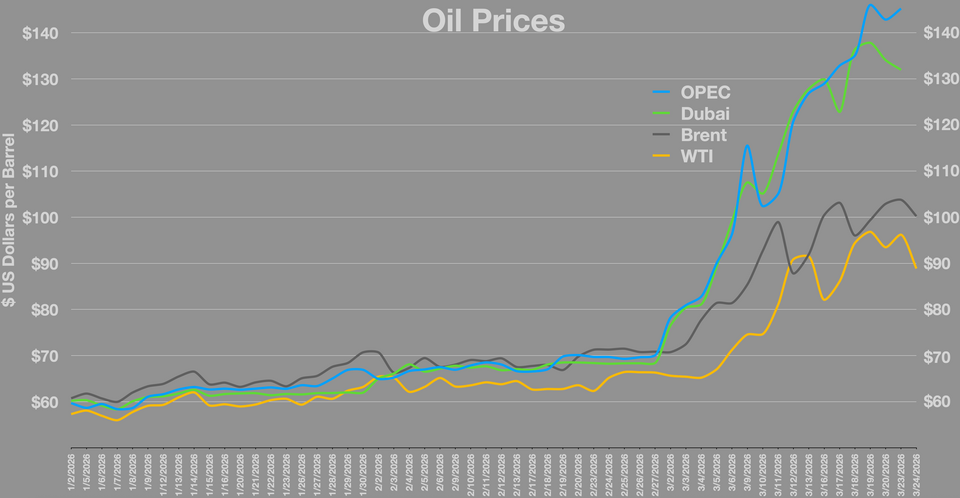
Oil prices jumped over 3% following Iran's missile strikes on Israel, raising concerns about energy costs and economic stability across African nations. The surge comes despite OPEC+ production increases, highlighting Africa's vulnerability to Middle Eastern geopolitics.
Pan-African2 MIN
From the web · Africanews
Oil Price Surge Threatens Africa's Economic Recovery as Middle East Tensions Escalate
IMAGE · Wikideas1 · CC0 · Wikimedia Commons
STRATA-AF™ ANGLEEDITORIAL SYNTHESIS BY STRATA-AF™

Rising oil prices expose Africa's dangerous dependence on external energy markets and Middle Eastern geopolitics, undermining the continent's economic autonomy just as it seeks greater self-determination. This crisis underscores the urgent need for African nations to accelerate renewable energy transitions and diversify their energy portfolios to shield themselves from volatile global oil markets.

The 3% surge in crude oil prices following Iran's missile attacks on Israel sends ripple effects across Africa, where many nations remain heavily dependent on oil imports for their energy needs. Countries like Kenya, Ghana, and Senegal, which have been struggling with fuel subsidies and rising energy costs, now face renewed pressure on their already strained public finances. The timing is particularly challenging as many African economies are still recovering from the dual shocks of the COVID-19 pandemic and the Ukraine war's impact on global commodity prices.

For oil-producing African nations, the price surge presents a double-edged sword. While countries like Nigeria, Angola, and Algeria may see short-term revenue boosts from higher oil prices, the broader economic implications of sustained Middle Eastern instability could dampen global growth and reduce long-term demand. Nigeria's recent struggles with oil production due to pipeline vandalism and aging infrastructure mean the country may not fully capitalize on price increases, while Angola continues to grapple with production declines that have persisted for several years.

The escalation exposes Africa's persistent energy security vulnerabilities and the urgent need for diversification strategies. South Africa's ongoing electricity crisis, combined with higher oil import costs, could further strain the continent's largest economy and delay its post-pandemic recovery. Meanwhile, East African nations that have been investing in renewable energy projects may find their transition efforts complicated by immediate energy needs and budget constraints caused by higher fossil fuel costs.

OPEC+'s decision to increase production quotas in July appears insufficient to calm markets spooked by geopolitical risks, underscoring how Middle Eastern conflicts continue to hold global energy markets hostage. African OPEC members like Nigeria and Angola must navigate between supporting global price stability and maximizing their own revenue opportunities during this period of uncertainty.

The broader implications extend beyond energy costs to food security and inflation across the continent. Higher transportation costs typically translate into increased food prices, threatening food security in regions already grappling with climate-induced agricultural challenges. Central banks across Africa may face difficult decisions about monetary policy as they balance inflation concerns against the need to support economic growth, particularly as many currencies remain weak against the dollar in which oil is priced.

READ THE SOURCE REPORT FROM AFRICANEWS

Enjoying Strata-AF™?

Sign in or sign up for a personalised feed and unlock Strata-AF™ Originals.

SIGN IN / SIGN UP
READ NEXT
Africa's Digital Sovereignty Moment: Why the Continent Must Chart Its Own Tech Future
TECHSTRATA-AF™ ORIGINAL
Africa's Digital Sovereignty Moment: Why the Continent Must Chart Its Own Tech Future
5 MINREAD →
--:--LAGOS
STRATA-AF™
ISSUE 001FEED◎ SEARCHSUBSCRIBE
/shows/data/docs
politics
Oil Price Surge Threatens Africa's Economic Recovery as Middle East Tensions Escalate
IMAGE · Wikideas1 · CC0 · Wikimedia Commons
Oil Price Surge Threatens Africa's Economic Recovery as Middle East Tensions Escalate

Oil prices jumped over 3% following Iran's missile strikes on Israel, raising concerns about energy costs and economic stability across African nations. The surge comes despite OPEC+ production increases, highlighting Africa's vulnerability to Middle Eastern geopolitics.

Pan-African2 MIN READ
From the web · Africanews
STRATA-AF™ ANGLEEDITORIAL SYNTHESIS BY STRATA-AF™

Rising oil prices expose Africa's dangerous dependence on external energy markets and Middle Eastern geopolitics, undermining the continent's economic autonomy just as it seeks greater self-determination. This crisis underscores the urgent need for African nations to accelerate renewable energy transitions and diversify their energy portfolios to shield themselves from volatile global oil markets.

The 3% surge in crude oil prices following Iran's missile attacks on Israel sends ripple effects across Africa, where many nations remain heavily dependent on oil imports for their energy needs. Countries like Kenya, Ghana, and Senegal, which have been struggling with fuel subsidies and rising energy costs, now face renewed pressure on their already strained public finances. The timing is particularly challenging as many African economies are still recovering from the dual shocks of the COVID-19 pandemic and the Ukraine war's impact on global commodity prices.

For oil-producing African nations, the price surge presents a double-edged sword. While countries like Nigeria, Angola, and Algeria may see short-term revenue boosts from higher oil prices, the broader economic implications of sustained Middle Eastern instability could dampen global growth and reduce long-term demand. Nigeria's recent struggles with oil production due to pipeline vandalism and aging infrastructure mean the country may not fully capitalize on price increases, while Angola continues to grapple with production declines that have persisted for several years.

The escalation exposes Africa's persistent energy security vulnerabilities and the urgent need for diversification strategies. South Africa's ongoing electricity crisis, combined with higher oil import costs, could further strain the continent's largest economy and delay its post-pandemic recovery. Meanwhile, East African nations that have been investing in renewable energy projects may find their transition efforts complicated by immediate energy needs and budget constraints caused by higher fossil fuel costs.

OPEC+'s decision to increase production quotas in July appears insufficient to calm markets spooked by geopolitical risks, underscoring how Middle Eastern conflicts continue to hold global energy markets hostage. African OPEC members like Nigeria and Angola must navigate between supporting global price stability and maximizing their own revenue opportunities during this period of uncertainty.

The broader implications extend beyond energy costs to food security and inflation across the continent. Higher transportation costs typically translate into increased food prices, threatening food security in regions already grappling with climate-induced agricultural challenges. Central banks across Africa may face difficult decisions about monetary policy as they balance inflation concerns against the need to support economic growth, particularly as many currencies remain weak against the dollar in which oil is priced.

READ THE SOURCE REPORT FROM AFRICANEWS

Enjoying Strata-AF™?

Sign in or sign up for a personalised feed and unlock Strata-AF™ Originals.

SIGN IN / SIGN UP
VERTICAL
politics
ORIGIN
Pan-African
READ NEXT1 PIECE SELECTED BY OUR EDITORS
TECH
Africa's Digital Sovereignty Moment: Why the Continent Must Chart Its Own Tech Future
From Rwanda's migration deal fallout to Nigeria's healthtech boom, the governments getting this right are treating technology decisions as geopolitical ones, not procurement ones. Breaking from Western frameworks isn't ideological. It's structural.
5 MINREAD →
CULTURE · MUSIC · FILM · TECH · SPORT · POLITICS · HEALTH · FINANCE · RELIGION · FASHION · LAGOS · NAIROBI · JOBURG · ACCRA · DATA JOURNALISM · ORIGINAL REPORTING · THE ACTUAL VERSION ·CULTURE · MUSIC · FILM · TECH · SPORT · POLITICS · HEALTH · FINANCE · RELIGION · FASHION · LAGOS · NAIROBI · JOBURG · ACCRA · DATA JOURNALISM · ORIGINAL REPORTING · THE ACTUAL VERSION ·
Premium editorial for a continent that's done waiting to be covered.

Not the export-market version. Not the diaspora version. The actual version — written by the people who live there.

Verticals
CultureMusicFilmTechSportsPolitics
HUBS
Strata-AF OriginalsDataDocsNewsletterArchiveShows
Company
AboutMissionManifestoLegal
REACH
10VERTICALS
6CONTENT TYPES
5CITIES
1STANDARD
© 2026 STRATA-AF™ · STRATA PUBLISHING CO LTD · LAGOS · JOBURG · NAIROBI · ACCRAPRIVACYTERMSCORRECTIONSMASTHEAD
 
 
--:--LAGOS
CultureMusicFilmTechSportsPoliticsHealthFinanceReligionFashion
Highlights
Strata-AF
Editor's Pick
From the web
SPORTSSTRATA-AF™STRATA-AF™ ORIGINAL
WAFCON 2026 Proved African Women's Football Is Ready. The Clubs Aren't.
2 MINREAD →
POLITICSSTRATA-AF™★ EDITOR'S PICK
The Lagos Cancellation Is Not About Tyla Really, Or Is It ?
Pan-African2 MINREAD →
MUSICSTRATA-AF™★ EDITOR'S PICK
Blood, Beats & Betrayal: How Family Killed P-Square
Nigeria2 MINREAD →
MUSICBY THE NUMBERSSTRATA-AF™ ORIGINAL
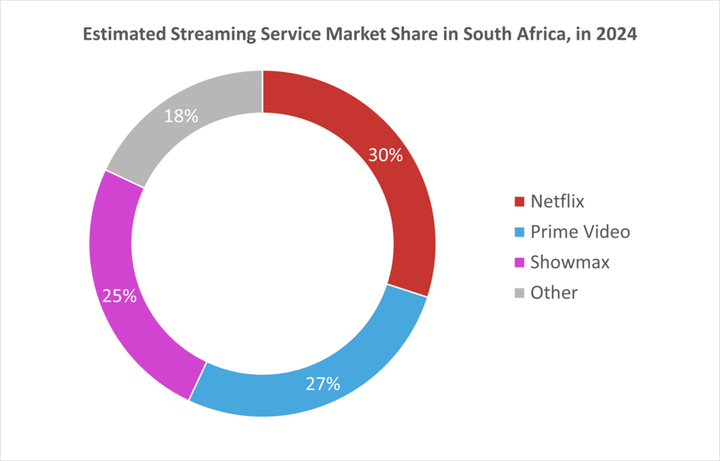
Where African Artists Earn, Lose, and Get Erased on Stream
Pan-African2 MINREAD →
HEALTHSTRATA-AF™★ EDITOR'S PICK
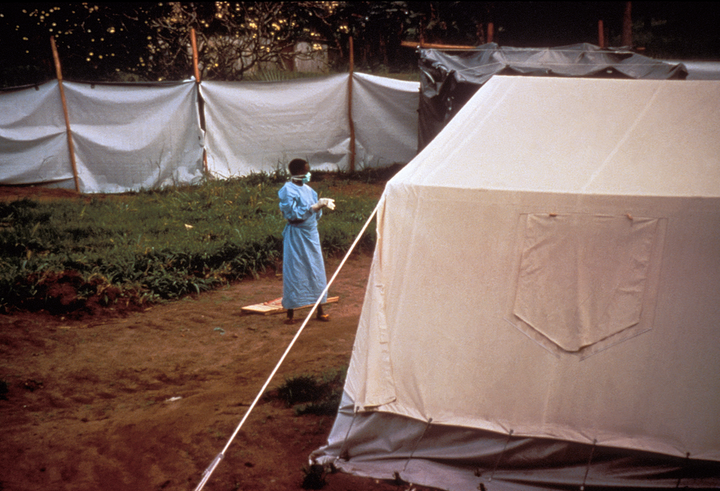
Uganda Held the Line on Ebola. Here's the Playbook Congo Needs Now
DR Congo2 MINREAD →
MUSICSTRATA-AF™STRATA-AF™ ORIGINAL
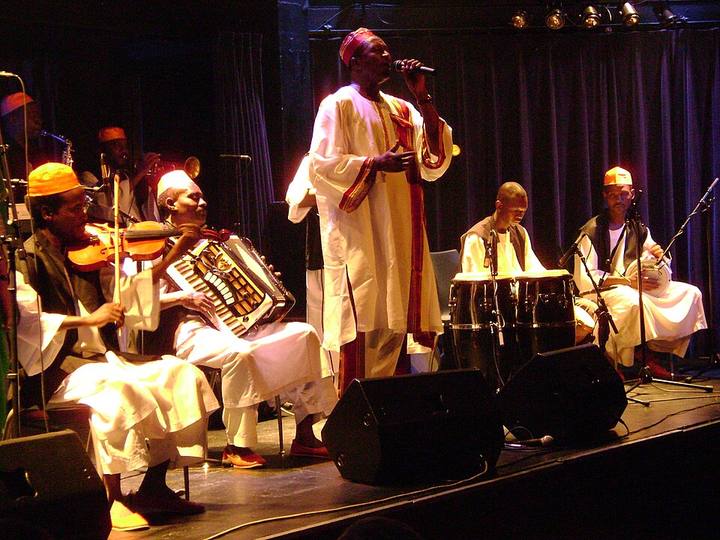
Music Is Starving in Sudan: How the RSF Silenced a Generation of Artists
Sudan2 MINREAD →
CULTURESTRATA-AF™★ EDITOR'S PICK
How BBNaija Rewired Nigerian Television And Everything Around It
Lagos, Pan-African2 MINREAD →
FASHIONSTRATA-AF™★ EDITOR'S PICK
Lagos Fashion Week's Green Push Is Either Africa's Best Bet or Its Greenest Greenwash
Pan-African2 MINREAD →
CULTURESTRATA-AF™★ EDITOR'S PICK
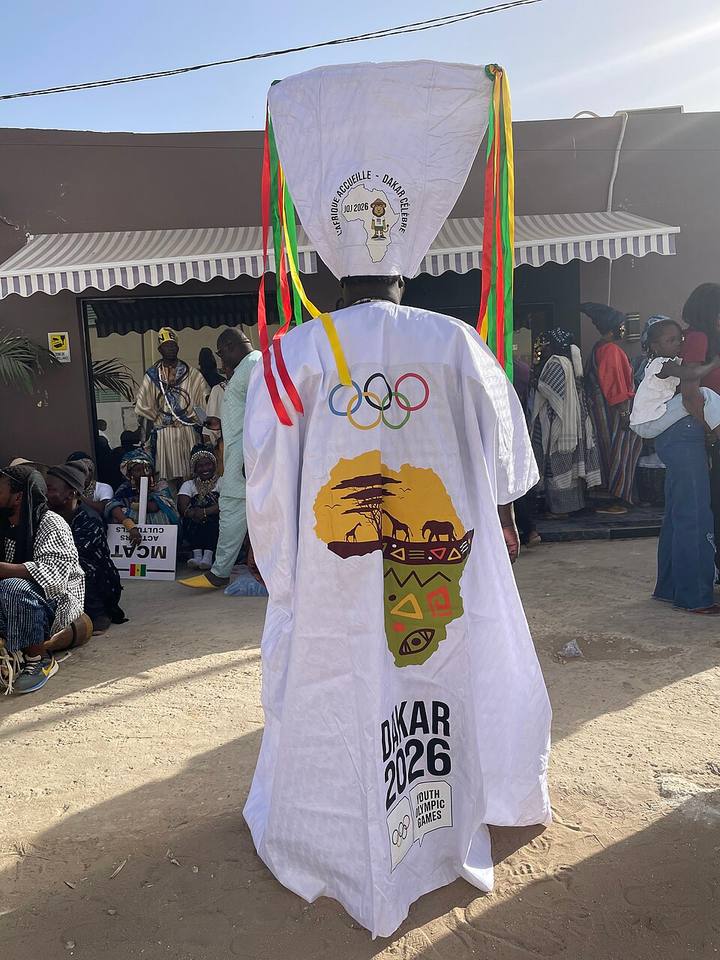
Dakar 2026 Is Africa's Olympic Moment
Senegal2 MINREAD →
SPORTSFROM THE WEB★ EDITOR'S PICK
Senegal set to make Olympic history with Dakar 2026 Youth Games
Dakar 2026 breaks a hosting monopoly that has excluded Africa from Olympic stewardship for over a century — the question is what institutional and economic legacy Senegal can extract from the moment.
Senegal1 MIN · Africanews · 25 JULREAD →
See all stories

The actual version — written by the people who live there.

10VERTICALS
6TYPES
5CITIES
1STANDARD
AboutMissionManifestoLegalOriginalsSubscribeArchiveShowsContributorsJobs
© 2026 STRATA-AF™ · STRATA PUBLISHING CO LTD · LAGOS · NAIROBI · JOBURG · ACCRA
 
 
--:--LAGOS
CultureMusicFilmTechSportsPoliticsHealthFinanceReligionFashion
politics
Oil Price Surge Threatens Africa's Economic Recovery as Middle East Tensions Escalate

Oil prices jumped over 3% following Iran's missile strikes on Israel, raising concerns about energy costs and economic stability across African nations. The surge comes despite OPEC+ production increases, highlighting Africa's vulnerability to Middle Eastern geopolitics.

Pan-African2 MIN
From the web · Africanews
Oil Price Surge Threatens Africa's Economic Recovery as Middle East Tensions Escalate
STRATA-AF™ ANGLEEDITORIAL SYNTHESIS BY STRATA-AF™

Rising oil prices expose Africa's dangerous dependence on external energy markets and Middle Eastern geopolitics, undermining the continent's economic autonomy just as it seeks greater self-determination. This crisis underscores the urgent need for African nations to accelerate renewable energy transitions and diversify their energy portfolios to shield themselves from volatile global oil markets.

The 3% surge in crude oil prices following Iran's missile attacks on Israel sends ripple effects across Africa, where many nations remain heavily dependent on oil imports for their energy needs. Countries like Kenya, Ghana, and Senegal, which have been struggling with fuel subsidies and rising energy costs, now face renewed pressure on their already strained public finances. The timing is particularly challenging as many African economies are still recovering from the dual shocks of the COVID-19 pandemic and the Ukraine war's impact on global commodity prices.

For oil-producing African nations, the price surge presents a double-edged sword. While countries like Nigeria, Angola, and Algeria may see short-term revenue boosts from higher oil prices, the broader economic implications of sustained Middle Eastern instability could dampen global growth and reduce long-term demand. Nigeria's recent struggles with oil production due to pipeline vandalism and aging infrastructure mean the country may not fully capitalize on price increases, while Angola continues to grapple with production declines that have persisted for several years.

The escalation exposes Africa's persistent energy security vulnerabilities and the urgent need for diversification strategies. South Africa's ongoing electricity crisis, combined with higher oil import costs, could further strain the continent's largest economy and delay its post-pandemic recovery. Meanwhile, East African nations that have been investing in renewable energy projects may find their transition efforts complicated by immediate energy needs and budget constraints caused by higher fossil fuel costs.

OPEC+'s decision to increase production quotas in July appears insufficient to calm markets spooked by geopolitical risks, underscoring how Middle Eastern conflicts continue to hold global energy markets hostage. African OPEC members like Nigeria and Angola must navigate between supporting global price stability and maximizing their own revenue opportunities during this period of uncertainty.

The broader implications extend beyond energy costs to food security and inflation across the continent. Higher transportation costs typically translate into increased food prices, threatening food security in regions already grappling with climate-induced agricultural challenges. Central banks across Africa may face difficult decisions about monetary policy as they balance inflation concerns against the need to support economic growth, particularly as many currencies remain weak against the dollar in which oil is priced.

READ THE SOURCE REPORT FROM AFRICANEWS

Enjoying Strata-AF™?

Sign in or sign up for a personalised feed and unlock Strata-AF™ Originals.

SIGN IN / SIGN UP
READ NEXT
--:--LAGOS
/shows/data/docs
politics
Oil Price Surge Threatens Africa's Economic Recovery as Middle East Tensions Escalate
IMAGE · Wikideas1 · CC0 · Wikimedia Commons
Oil Price Surge Threatens Africa's Economic Recovery as Middle East Tensions Escalate

Oil prices jumped over 3% following Iran's missile strikes on Israel, raising concerns about energy costs and economic stability across African nations. The surge comes despite OPEC+ production increases, highlighting Africa's vulnerability to Middle Eastern geopolitics.

Pan-African2 MIN READ
From the web · Africanews
STRATA-AF™ ANGLEEDITORIAL SYNTHESIS BY STRATA-AF™

Rising oil prices expose Africa's dangerous dependence on external energy markets and Middle Eastern geopolitics, undermining the continent's economic autonomy just as it seeks greater self-determination. This crisis underscores the urgent need for African nations to accelerate renewable energy transitions and diversify their energy portfolios to shield themselves from volatile global oil markets.

The 3% surge in crude oil prices following Iran's missile attacks on Israel sends ripple effects across Africa, where many nations remain heavily dependent on oil imports for their energy needs. Countries like Kenya, Ghana, and Senegal, which have been struggling with fuel subsidies and rising energy costs, now face renewed pressure on their already strained public finances. The timing is particularly challenging as many African economies are still recovering from the dual shocks of the COVID-19 pandemic and the Ukraine war's impact on global commodity prices.

For oil-producing African nations, the price surge presents a double-edged sword. While countries like Nigeria, Angola, and Algeria may see short-term revenue boosts from higher oil prices, the broader economic implications of sustained Middle Eastern instability could dampen global growth and reduce long-term demand. Nigeria's recent struggles with oil production due to pipeline vandalism and aging infrastructure mean the country may not fully capitalize on price increases, while Angola continues to grapple with production declines that have persisted for several years.

The escalation exposes Africa's persistent energy security vulnerabilities and the urgent need for diversification strategies. South Africa's ongoing electricity crisis, combined with higher oil import costs, could further strain the continent's largest economy and delay its post-pandemic recovery. Meanwhile, East African nations that have been investing in renewable energy projects may find their transition efforts complicated by immediate energy needs and budget constraints caused by higher fossil fuel costs.

OPEC+'s decision to increase production quotas in July appears insufficient to calm markets spooked by geopolitical risks, underscoring how Middle Eastern conflicts continue to hold global energy markets hostage. African OPEC members like Nigeria and Angola must navigate between supporting global price stability and maximizing their own revenue opportunities during this period of uncertainty.

The broader implications extend beyond energy costs to food security and inflation across the continent. Higher transportation costs typically translate into increased food prices, threatening food security in regions already grappling with climate-induced agricultural challenges. Central banks across Africa may face difficult decisions about monetary policy as they balance inflation concerns against the need to support economic growth, particularly as many currencies remain weak against the dollar in which oil is priced.

READ THE SOURCE REPORT FROM AFRICANEWS

Enjoying Strata-AF™?

Sign in or sign up for a personalised feed and unlock Strata-AF™ Originals.

SIGN IN / SIGN UP
VERTICAL
politics
ORIGIN
Pan-African
READ NEXT1 PIECE SELECTED BY OUR EDITORS
CULTURE · MUSIC · FILM · TECH · SPORT · POLITICS · HEALTH · FINANCE · RELIGION · FASHION · LAGOS · NAIROBI · JOBURG · ACCRA · DATA JOURNALISM · ORIGINAL REPORTING · THE ACTUAL VERSION ·CULTURE · MUSIC · FILM · TECH · SPORT · POLITICS · HEALTH · FINANCE · RELIGION · FASHION · LAGOS · NAIROBI · JOBURG · ACCRA · DATA JOURNALISM · ORIGINAL REPORTING · THE ACTUAL VERSION ·
Premium editorial for a continent that's done waiting to be covered.

Not the export-market version. Not the diaspora version. The actual version — written by the people who live there.

Verticals
CultureMusicFilmTechSportsPolitics
HUBS
Strata-AF OriginalsDataDocsNewsletterArchiveShows
Company
AboutMissionManifestoLegal
REACH
10VERTICALS
6CONTENT TYPES
5CITIES
1STANDARD
© 2026 STRATA-AF™ · STRATA PUBLISHING CO LTD · LAGOS · JOBURG · NAIROBI · ACCRAPRIVACYTERMSCORRECTIONSMASTHEAD