The Nigerian military has freed 360 people who were abducted by Boko Haram militants in southern Borno state. This rescue operation marks another significant military intervention against the terrorist group that has plagued northeastern Nigeria for over a decade.
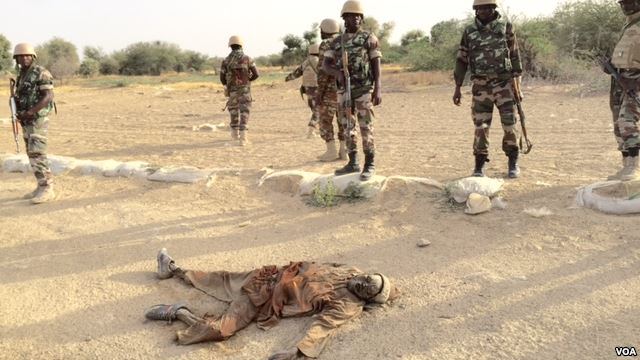
This rescue operation highlights the ongoing struggle between Nigerian security forces and Boko Haram, whose decade-long insurgency has fundamentally altered life in northeastern Nigeria. The liberation of 360 captives represents both a tactical victory and a reminder of how terrorism continues to fracture communities and displace populations across the Lake Chad basin region.
The liberation of 360 captives from Boko Haram represents both a tactical victory for Nigerian security forces and a stark reminder of the ongoing humanitarian crisis in the Lake Chad Basin. This rescue operation in southern Borno state demonstrates the military's continued efforts to counter the insurgency that has displaced millions and devastated communities across northeastern Nigeria since 2009.
The scale of this rescue,360 individuals, underscores the industrial nature of Boko Haram's abduction campaigns, which have systematically targeted civilians, particularly women and children, as part of their broader strategy to destabilize the region. These mass kidnappings serve multiple purposes for the terrorist organization: generating ransom revenue, recruiting forced combatants, and creating psychological terror that weakens community resistance to their expansion.
From a regional security perspective, this operation reflects the evolving capabilities of Nigerian forces, likely supported by intelligence sharing within the Multinational Joint Task Force that includes troops from Niger, Chad, and Cameroon. The success of such large-scale rescue missions requires sophisticated coordination and suggests improved counter-insurgency tactics developed through years of engagement with international security partners.
However, the need for such rescue operations highlights the persistent vulnerabilities of rural communities in the Sahel region, where state presence remains limited and economic opportunities scarce. The cycle of abduction and rescue points to deeper structural issues that extend beyond military solutions, including inadequate rural development, climate-induced resource competition, and limited access to education and healthcare.
The humanitarian implications of this rescue operation will require sustained attention, as freed captives often face complex reintegration challenges including trauma recovery, family reunification, and economic rehabilitation. Previous rescue operations have revealed the extensive psychological and physical harm inflicted on captives, particularly women and children subjected to forced labor, sexual violence, and ideological indoctrination.
For the broader West African security landscape, this operation demonstrates both progress and persistence in the fight against extremist groups that have exploited porous borders and ungoverned spaces across the Sahel. The success of such missions will ultimately depend on complementary investments in development, governance, and regional cooperation that address the root causes enabling groups like Boko Haram to recruit and operate across national boundaries.
READ THE SOURCE REPORT FROM AFRICANEWS →Enjoying Strata-AF™?
Sign in or sign up for a personalised feed and unlock Strata-AF™ Originals.