--:--LAGOS
CultureMusicFilmTechSportsPoliticsHealthFinanceReligionFashion
music
Listen to a new FADER Mix by Serokolo 7

Your primer on Mapanta, the energetic and 180 BPM sound coming out of South Africa.

South Africa3 MIN
From the web · The Fader
COVER 16:9
STRATA-AF™ ANGLEEDITORIAL SYNTHESIS BY STRATA-AF™

Mapanta represents South Africa's continued innovation in electronic music, building on the country's rich tradition of genre creation from kwaito to amapiano. At 180 BPM, this high-energy sound reflects a new generation of producers pushing African electronic music into unexplored sonic territories, potentially influencing global dance music trends.

**The Pulse of a Continent: Mapanta and the Evolution of African Electronic Music**

The emergence of Mapanta from South Africa's electronic music underground represents more than just another genre classification. It signals a profound shift in how African artists are reimagining the sonic landscape of the continent. At 180 BPM, this frenetic and energetic sound carries within it the accumulated rhythmic DNA of decades of South African musical innovation, from the militant precision of gqom to the celebratory chaos of amapiano. Serokolo 7's FADER Mix serves as both introduction and manifesto, demonstrating how contemporary African producers are no longer content to be passive recipients of global musical trends but are instead becoming the architects of entirely new sonic territories.

What makes Mapanta particularly significant within the broader Pan-African cultural conversation is its timing and trajectory. Emerging as amapiano reaches global saturation and begins its inevitable commercial dilution, Mapanta appears to offer something more urgent and uncompromising. The genre's relentless tempo and abrasive textures suggest a rejection of the smoothed-over, playlist-friendly versions of African electronic music that have dominated international markets. Instead, it embraces the kind of confrontational energy that has historically marked moments of genuine cultural insurgency across the continent, from the protest songs of Fela Kuti to the militant electronics of Shangaan electro.

The broader implications of movements like Mapanta extend far beyond music consumption patterns. They represent a fundamental assertion of creative autonomy that resonates across the African diaspora. When South African producers create sounds that refuse easy categorization or commercial palatability, they are participating in the same spirit of resistance that has driven African artistic expression from Cairo to Cape Town. This is particularly crucial as the global music industry continues its extraction-based relationship with African creativity, often reducing complex musical traditions to marketable "world music" commodities.

Serokolo 7's positioning as a curator and creator within this space also highlights the increasingly sophisticated infrastructure supporting African electronic music. The fact that this music can find its way to platforms like The FADER while maintaining its essential character speaks to a new generation of African cultural intermediaries who understand both local contexts and global networks. These figures serve as crucial bridges, ensuring that innovation happening in Johannesburg townships or Lagos clubs can reach international audiences without losing its essential DNA.

The 180 BPM foundation of Mapanta also speaks to something deeper about the current moment in African urban experience. This is the tempo of cities under pressure, of young populations navigating economic uncertainty with creative resilience. The relentless pace mirrors the intensity of contemporary African urban life, the hustle, the innovation, the refusal to slow down despite systemic obstacles. In this sense, Mapanta becomes not just entertainment but documentation, capturing the rhythmic signature of a generation that refuses to be marginalized.

What Serokolo 7's mix ultimately demonstrates is that African electronic music has moved beyond the phase of proving its legitimacy to international gatekeepers. Instead, it has entered a period of confident experimentation, where artists feel free to pursue sonic territories that might challenge rather than comfort global audiences. This represents a maturation of both artistic vision and cultural infrastructure that bodes well for the continent's creative future. The question is no longer whether African electronic music can compete globally, but whether global electronic music can keep pace with African innovation.

READ THE SOURCE REPORT FROM THE FADER

Enjoying Strata-AF™?

Sign in or sign up for a personalised feed and unlock Strata-AF™ Originals.

SIGN IN / SIGN UP
READ NEXT
A Burkinabè Researcher Reads Lobi Music as Mathematics
MUSICLe Faso
A Burkinabè Researcher Reads Lobi Music as Mathematics
Ouagadougou, Burkina Faso3 MINREAD →
--:--LAGOS
STRATA-AF™
ISSUE 001FEED◎ SEARCHSUBSCRIBE
/shows/data/docs
music
Listen to a new FADER Mix by Serokolo 7

Your primer on Mapanta, the energetic and 180 BPM sound coming out of South Africa.

South Africa3 MIN READ
From the web · The Fader
STRATA-AF™ ANGLEEDITORIAL SYNTHESIS BY STRATA-AF™

Mapanta represents South Africa's continued innovation in electronic music, building on the country's rich tradition of genre creation from kwaito to amapiano. At 180 BPM, this high-energy sound reflects a new generation of producers pushing African electronic music into unexplored sonic territories, potentially influencing global dance music trends.

**The Pulse of a Continent: Mapanta and the Evolution of African Electronic Music**

The emergence of Mapanta from South Africa's electronic music underground represents more than just another genre classification. It signals a profound shift in how African artists are reimagining the sonic landscape of the continent. At 180 BPM, this frenetic and energetic sound carries within it the accumulated rhythmic DNA of decades of South African musical innovation, from the militant precision of gqom to the celebratory chaos of amapiano. Serokolo 7's FADER Mix serves as both introduction and manifesto, demonstrating how contemporary African producers are no longer content to be passive recipients of global musical trends but are instead becoming the architects of entirely new sonic territories.

What makes Mapanta particularly significant within the broader Pan-African cultural conversation is its timing and trajectory. Emerging as amapiano reaches global saturation and begins its inevitable commercial dilution, Mapanta appears to offer something more urgent and uncompromising. The genre's relentless tempo and abrasive textures suggest a rejection of the smoothed-over, playlist-friendly versions of African electronic music that have dominated international markets. Instead, it embraces the kind of confrontational energy that has historically marked moments of genuine cultural insurgency across the continent, from the protest songs of Fela Kuti to the militant electronics of Shangaan electro.

The broader implications of movements like Mapanta extend far beyond music consumption patterns. They represent a fundamental assertion of creative autonomy that resonates across the African diaspora. When South African producers create sounds that refuse easy categorization or commercial palatability, they are participating in the same spirit of resistance that has driven African artistic expression from Cairo to Cape Town. This is particularly crucial as the global music industry continues its extraction-based relationship with African creativity, often reducing complex musical traditions to marketable "world music" commodities.

Serokolo 7's positioning as a curator and creator within this space also highlights the increasingly sophisticated infrastructure supporting African electronic music. The fact that this music can find its way to platforms like The FADER while maintaining its essential character speaks to a new generation of African cultural intermediaries who understand both local contexts and global networks. These figures serve as crucial bridges, ensuring that innovation happening in Johannesburg townships or Lagos clubs can reach international audiences without losing its essential DNA.

The 180 BPM foundation of Mapanta also speaks to something deeper about the current moment in African urban experience. This is the tempo of cities under pressure, of young populations navigating economic uncertainty with creative resilience. The relentless pace mirrors the intensity of contemporary African urban life, the hustle, the innovation, the refusal to slow down despite systemic obstacles. In this sense, Mapanta becomes not just entertainment but documentation, capturing the rhythmic signature of a generation that refuses to be marginalized.

What Serokolo 7's mix ultimately demonstrates is that African electronic music has moved beyond the phase of proving its legitimacy to international gatekeepers. Instead, it has entered a period of confident experimentation, where artists feel free to pursue sonic territories that might challenge rather than comfort global audiences. This represents a maturation of both artistic vision and cultural infrastructure that bodes well for the continent's creative future. The question is no longer whether African electronic music can compete globally, but whether global electronic music can keep pace with African innovation.

READ THE SOURCE REPORT FROM THE FADER

Enjoying Strata-AF™?

Sign in or sign up for a personalised feed and unlock Strata-AF™ Originals.

SIGN IN / SIGN UP
VERTICAL
music
ORIGIN
South Africa
NO COVER SET
READ NEXT1 PIECE SELECTED BY OUR EDITORS
MUSIC
A Burkinabè Researcher Reads Lobi Music as Mathematics
Djôrô analysed through formal structure, in a museum that took it seriously.
Ouagadougou, Burkina Faso3 MINREAD →
CULTURE · MUSIC · FILM · TECH · SPORT · POLITICS · HEALTH · FINANCE · RELIGION · FASHION · LAGOS · NAIROBI · JOBURG · ACCRA · DATA JOURNALISM · ORIGINAL REPORTING · THE ACTUAL VERSION ·CULTURE · MUSIC · FILM · TECH · SPORT · POLITICS · HEALTH · FINANCE · RELIGION · FASHION · LAGOS · NAIROBI · JOBURG · ACCRA · DATA JOURNALISM · ORIGINAL REPORTING · THE ACTUAL VERSION ·
Premium editorial for a continent that's done waiting to be covered.

Not the export-market version. Not the diaspora version. The actual version — written by the people who live there.

Verticals
CultureMusicFilmTechSportsPolitics
HUBS
Strata-AF OriginalsDataDocsNewsletterArchiveShows
Company
AboutMissionManifestoLegal
REACH
10VERTICALS
6CONTENT TYPES
5CITIES
1STANDARD
© 2026 STRATA-AF™ · STRATA PUBLISHING CO LTD · LAGOS · JOBURG · NAIROBI · ACCRAPRIVACYTERMSCORRECTIONSMASTHEAD
 
 
--:--LAGOS
CultureMusicFilmTechSportsPoliticsHealthFinanceReligionFashion
Highlights
Strata-AF
Editor's Pick
From the web
SPORTSSTRATA-AF™STRATA-AF™ ORIGINAL
WAFCON 2026 Proved African Women's Football Is Ready. The Clubs Aren't.
2 MINREAD →
POLITICSSTRATA-AF™★ EDITOR'S PICK
The Lagos Cancellation Is Not About Tyla Really, Or Is It ?
Pan-African2 MINREAD →
MUSICSTRATA-AF™★ EDITOR'S PICK
Blood, Beats & Betrayal: How Family Killed P-Square
Nigeria2 MINREAD →
MUSICBY THE NUMBERSSTRATA-AF™ ORIGINAL
Where African Artists Earn, Lose, and Get Erased on Stream
Pan-African2 MINREAD →
HEALTHSTRATA-AF™★ EDITOR'S PICK
Uganda Held the Line on Ebola. Here's the Playbook Congo Needs Now
DR Congo2 MINREAD →
MUSICSTRATA-AF™STRATA-AF™ ORIGINAL
Music Is Starving in Sudan: How the RSF Silenced a Generation of Artists
Sudan2 MINREAD →
CULTURESTRATA-AF™★ EDITOR'S PICK
How BBNaija Rewired Nigerian Television And Everything Around It
Lagos, Pan-African2 MINREAD →
FASHIONSTRATA-AF™★ EDITOR'S PICK
Lagos Fashion Week's Green Push Is Either Africa's Best Bet or Its Greenest Greenwash
Pan-African2 MINREAD →
CULTURESTRATA-AF™★ EDITOR'S PICK
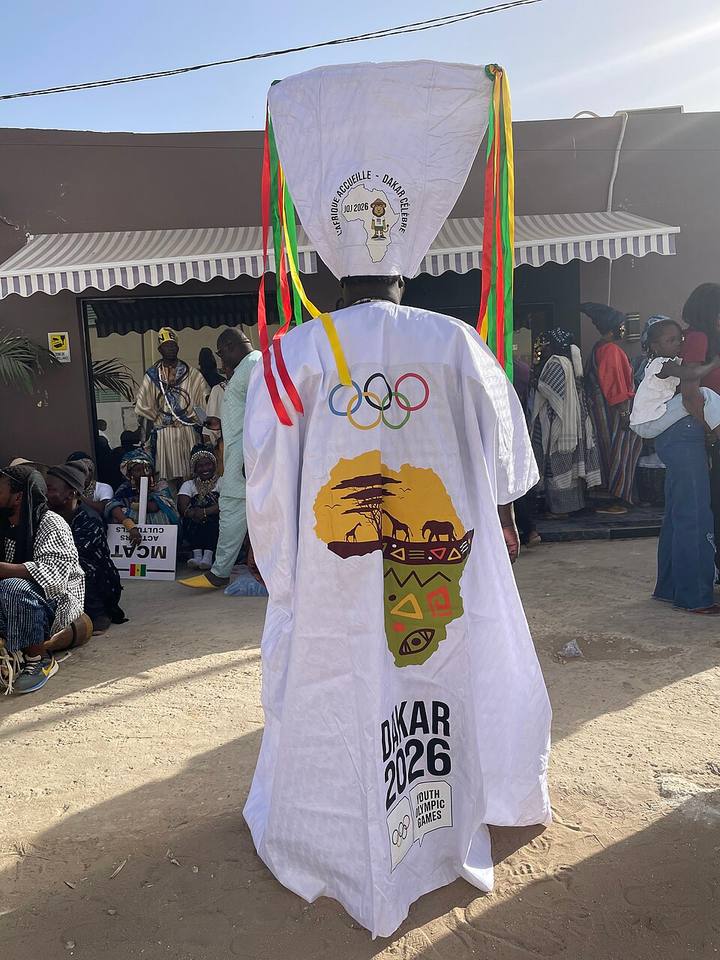
Dakar 2026 Is Africa's Olympic Moment
Senegal2 MINREAD →
SPORTSFROM THE WEB★ EDITOR'S PICK
Senegal set to make Olympic history with Dakar 2026 Youth Games
Dakar 2026 breaks a hosting monopoly that has excluded Africa from Olympic stewardship for over a century — the question is what institutional and economic legacy Senegal can extract from the moment.
Senegal1 MIN · Africanews · 25 JULREAD →
See all stories

The actual version — written by the people who live there.

10VERTICALS
6TYPES
5CITIES
1STANDARD
AboutMissionManifestoLegalOriginalsSubscribeArchiveShowsContributorsJobs
© 2026 STRATA-AF™ · STRATA PUBLISHING CO LTD · LAGOS · NAIROBI · JOBURG · ACCRA
 
 
--:--LAGOS
CultureMusicFilmTechSportsPoliticsHealthFinanceReligionFashion
music
Listen to a new FADER Mix by Serokolo 7

Your primer on Mapanta, the energetic and 180 BPM sound coming out of South Africa.

South Africa3 MIN
From the web · The Fader
COVER 16:9
STRATA-AF™ ANGLEEDITORIAL SYNTHESIS BY STRATA-AF™

Mapanta represents South Africa's continued innovation in electronic music, building on the country's rich tradition of genre creation from kwaito to amapiano. At 180 BPM, this high-energy sound reflects a new generation of producers pushing African electronic music into unexplored sonic territories, potentially influencing global dance music trends.

**The Pulse of a Continent: Mapanta and the Evolution of African Electronic Music**

The emergence of Mapanta from South Africa's electronic music underground represents more than just another genre classification. It signals a profound shift in how African artists are reimagining the sonic landscape of the continent. At 180 BPM, this frenetic and energetic sound carries within it the accumulated rhythmic DNA of decades of South African musical innovation, from the militant precision of gqom to the celebratory chaos of amapiano. Serokolo 7's FADER Mix serves as both introduction and manifesto, demonstrating how contemporary African producers are no longer content to be passive recipients of global musical trends but are instead becoming the architects of entirely new sonic territories.

What makes Mapanta particularly significant within the broader Pan-African cultural conversation is its timing and trajectory. Emerging as amapiano reaches global saturation and begins its inevitable commercial dilution, Mapanta appears to offer something more urgent and uncompromising. The genre's relentless tempo and abrasive textures suggest a rejection of the smoothed-over, playlist-friendly versions of African electronic music that have dominated international markets. Instead, it embraces the kind of confrontational energy that has historically marked moments of genuine cultural insurgency across the continent, from the protest songs of Fela Kuti to the militant electronics of Shangaan electro.

The broader implications of movements like Mapanta extend far beyond music consumption patterns. They represent a fundamental assertion of creative autonomy that resonates across the African diaspora. When South African producers create sounds that refuse easy categorization or commercial palatability, they are participating in the same spirit of resistance that has driven African artistic expression from Cairo to Cape Town. This is particularly crucial as the global music industry continues its extraction-based relationship with African creativity, often reducing complex musical traditions to marketable "world music" commodities.

Serokolo 7's positioning as a curator and creator within this space also highlights the increasingly sophisticated infrastructure supporting African electronic music. The fact that this music can find its way to platforms like The FADER while maintaining its essential character speaks to a new generation of African cultural intermediaries who understand both local contexts and global networks. These figures serve as crucial bridges, ensuring that innovation happening in Johannesburg townships or Lagos clubs can reach international audiences without losing its essential DNA.

The 180 BPM foundation of Mapanta also speaks to something deeper about the current moment in African urban experience. This is the tempo of cities under pressure, of young populations navigating economic uncertainty with creative resilience. The relentless pace mirrors the intensity of contemporary African urban life, the hustle, the innovation, the refusal to slow down despite systemic obstacles. In this sense, Mapanta becomes not just entertainment but documentation, capturing the rhythmic signature of a generation that refuses to be marginalized.

What Serokolo 7's mix ultimately demonstrates is that African electronic music has moved beyond the phase of proving its legitimacy to international gatekeepers. Instead, it has entered a period of confident experimentation, where artists feel free to pursue sonic territories that might challenge rather than comfort global audiences. This represents a maturation of both artistic vision and cultural infrastructure that bodes well for the continent's creative future. The question is no longer whether African electronic music can compete globally, but whether global electronic music can keep pace with African innovation.

READ THE SOURCE REPORT FROM THE FADER

Enjoying Strata-AF™?

Sign in or sign up for a personalised feed and unlock Strata-AF™ Originals.

SIGN IN / SIGN UP
READ NEXT
--:--LAGOS
/shows/data/docs
music
Listen to a new FADER Mix by Serokolo 7

Your primer on Mapanta, the energetic and 180 BPM sound coming out of South Africa.

South Africa3 MIN READ
From the web · The Fader
STRATA-AF™ ANGLEEDITORIAL SYNTHESIS BY STRATA-AF™

Mapanta represents South Africa's continued innovation in electronic music, building on the country's rich tradition of genre creation from kwaito to amapiano. At 180 BPM, this high-energy sound reflects a new generation of producers pushing African electronic music into unexplored sonic territories, potentially influencing global dance music trends.

**The Pulse of a Continent: Mapanta and the Evolution of African Electronic Music**

The emergence of Mapanta from South Africa's electronic music underground represents more than just another genre classification. It signals a profound shift in how African artists are reimagining the sonic landscape of the continent. At 180 BPM, this frenetic and energetic sound carries within it the accumulated rhythmic DNA of decades of South African musical innovation, from the militant precision of gqom to the celebratory chaos of amapiano. Serokolo 7's FADER Mix serves as both introduction and manifesto, demonstrating how contemporary African producers are no longer content to be passive recipients of global musical trends but are instead becoming the architects of entirely new sonic territories.

What makes Mapanta particularly significant within the broader Pan-African cultural conversation is its timing and trajectory. Emerging as amapiano reaches global saturation and begins its inevitable commercial dilution, Mapanta appears to offer something more urgent and uncompromising. The genre's relentless tempo and abrasive textures suggest a rejection of the smoothed-over, playlist-friendly versions of African electronic music that have dominated international markets. Instead, it embraces the kind of confrontational energy that has historically marked moments of genuine cultural insurgency across the continent, from the protest songs of Fela Kuti to the militant electronics of Shangaan electro.

The broader implications of movements like Mapanta extend far beyond music consumption patterns. They represent a fundamental assertion of creative autonomy that resonates across the African diaspora. When South African producers create sounds that refuse easy categorization or commercial palatability, they are participating in the same spirit of resistance that has driven African artistic expression from Cairo to Cape Town. This is particularly crucial as the global music industry continues its extraction-based relationship with African creativity, often reducing complex musical traditions to marketable "world music" commodities.

Serokolo 7's positioning as a curator and creator within this space also highlights the increasingly sophisticated infrastructure supporting African electronic music. The fact that this music can find its way to platforms like The FADER while maintaining its essential character speaks to a new generation of African cultural intermediaries who understand both local contexts and global networks. These figures serve as crucial bridges, ensuring that innovation happening in Johannesburg townships or Lagos clubs can reach international audiences without losing its essential DNA.

The 180 BPM foundation of Mapanta also speaks to something deeper about the current moment in African urban experience. This is the tempo of cities under pressure, of young populations navigating economic uncertainty with creative resilience. The relentless pace mirrors the intensity of contemporary African urban life, the hustle, the innovation, the refusal to slow down despite systemic obstacles. In this sense, Mapanta becomes not just entertainment but documentation, capturing the rhythmic signature of a generation that refuses to be marginalized.

What Serokolo 7's mix ultimately demonstrates is that African electronic music has moved beyond the phase of proving its legitimacy to international gatekeepers. Instead, it has entered a period of confident experimentation, where artists feel free to pursue sonic territories that might challenge rather than comfort global audiences. This represents a maturation of both artistic vision and cultural infrastructure that bodes well for the continent's creative future. The question is no longer whether African electronic music can compete globally, but whether global electronic music can keep pace with African innovation.

READ THE SOURCE REPORT FROM THE FADER

Enjoying Strata-AF™?

Sign in or sign up for a personalised feed and unlock Strata-AF™ Originals.

SIGN IN / SIGN UP
VERTICAL
music
ORIGIN
South Africa
NO COVER SET
READ NEXT1 PIECE SELECTED BY OUR EDITORS
CULTURE · MUSIC · FILM · TECH · SPORT · POLITICS · HEALTH · FINANCE · RELIGION · FASHION · LAGOS · NAIROBI · JOBURG · ACCRA · DATA JOURNALISM · ORIGINAL REPORTING · THE ACTUAL VERSION ·CULTURE · MUSIC · FILM · TECH · SPORT · POLITICS · HEALTH · FINANCE · RELIGION · FASHION · LAGOS · NAIROBI · JOBURG · ACCRA · DATA JOURNALISM · ORIGINAL REPORTING · THE ACTUAL VERSION ·
Premium editorial for a continent that's done waiting to be covered.

Not the export-market version. Not the diaspora version. The actual version — written by the people who live there.

Verticals
CultureMusicFilmTechSportsPolitics
HUBS
Strata-AF OriginalsDataDocsNewsletterArchiveShows
Company
AboutMissionManifestoLegal
REACH
10VERTICALS
6CONTENT TYPES
5CITIES
1STANDARD
© 2026 STRATA-AF™ · STRATA PUBLISHING CO LTD · LAGOS · JOBURG · NAIROBI · ACCRAPRIVACYTERMSCORRECTIONSMASTHEAD