--:--LAGOS
CultureMusicFilmTechSportsPoliticsHealthFinanceReligionFashion
tech
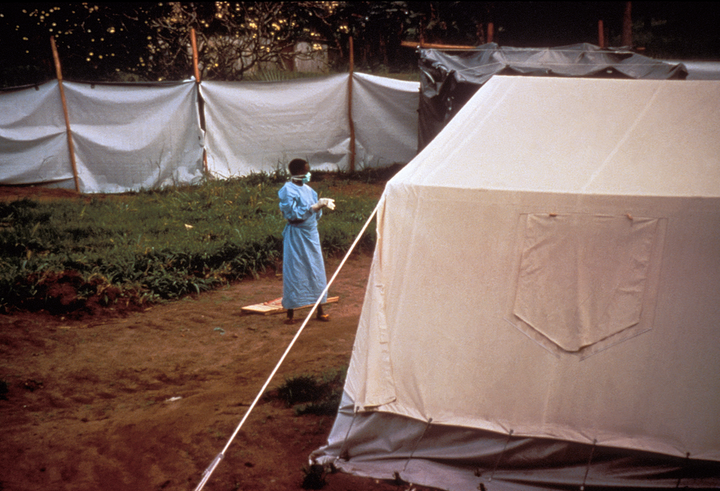
Kenya court halts opening of US Ebola quarantine facility in the country

A 50-bed isolation unit in Kenya for US citizens was due to open on Friday, a US official said.

Kenya3 MIN · 29 MAY 2026
From the web · BBC
COVER 16:9
STRATA-AF™ ANGLEEDITORIAL SYNTHESIS BY STRATA-AF™

Kenya's High Court blocked America's attempt to establish an Ebola quarantine facility on Kenyan soil, ruling that the process bypassed proper legal and regulatory channels. There's a genuine epidemiological case for locating containment facilities near likely exposure points, but that doesn't excuse skipping the sovereign approval process, and Washington's urgency here says more about protecting its own citizens abroad than about partnering with Kenya's health system. The ruling matters less as a rebuke of quarantine logic than as an assertion that African nations set the terms for what happens on their territory.

The Kenyan High Court's decision to halt the opening of a United States Ebola quarantine facility reveals the persistent tensions surrounding Western medical interventions on African soil. While the immediate health implications of this 50-bed isolation unit may seem straightforward, the deeper questions it raises about sovereignty, consent, and the historical patterns of external medical experimentation in Africa cannot be ignored. This facility, designed specifically for US citizens, embodies a troubling dynamic where African nations become staging grounds for Western medical infrastructure that primarily serves foreign interests rather than addressing local health priorities.

The timing and nature of this quarantine facility establishment highlights a fundamental asymmetry in global health governance. While Kenya grapples with its own healthcare challenges, from maternal mortality to infectious disease prevention, resources and attention are being directed toward a facility that would primarily benefit American nationals. This reflects a broader pattern across the continent where international health interventions often prioritize the security concerns of wealthy nations over the immediate needs of African populations. The court's intervention represents a crucial assertion of judicial sovereignty, demanding that such facilities meet proper legal and regulatory standards rather than being fast-tracked through diplomatic channels.

From a Pan-African perspective, this incident underscores the need for greater regional coordination on health security matters. The African Union and regional economic communities must develop robust frameworks for evaluating and approving international medical facilities that operate within member states. Kenya's experience should serve as a catalyst for continental discussions about establishing clear protocols for foreign-operated health infrastructure, ensuring that such facilities contribute meaningfully to local capacity building rather than creating parallel systems that bypass national institutions.

The historical context of medical experimentation and intervention in Africa adds layers of complexity to this controversy. From colonial-era medical practices to more recent pharmaceutical trials conducted with questionable consent protocols, the continent has legitimate reasons to scrutinize foreign medical operations. The Kenyan court's decision reflects a growing awareness among African institutions about the importance of maintaining oversight over health-related activities, particularly those initiated by external actors with their own strategic interests.

Moving forward, this case presents an opportunity for Kenya and other African nations to establish more sophisticated frameworks for international health cooperation, ones that ensure mutual benefit, transparent governance, and respect for national sovereignty. Rather than simply rejecting foreign health initiatives, African countries can leverage their strategic importance in global health security to negotiate partnerships that genuinely strengthen local healthcare systems while addressing international concerns. The path forward requires African nations to engage as equal partners in global health governance, not merely as hosts for facilities designed primarily to serve external interests.

READ THE SOURCE REPORT FROM BBC

Enjoying Strata-AF™?

Sign in or sign up for a personalised feed and unlock Strata-AF™ Originals.

SIGN IN / SIGN UP
READ NEXT
PHOTO
TECHAllAfrica
A Kenyan Court Buys Cytonn Investors Sixty Days
Nairobi, Kenya1 MINREAD →
PHOTO
TECHAllAfrica
Kenya: Law Society Opposes U.S. Proposal to Set Up Ebola Treatment Centre in Kenya
Nairobi, Kenya1 MINREAD →
--:--LAGOS
STRATA-AF™
ISSUE 001FEED◎ SEARCHSUBSCRIBE
/shows/data/docs
tech
Kenya court halts opening of US Ebola quarantine facility in the country

A 50-bed isolation unit in Kenya for US citizens was due to open on Friday, a US official said.

Kenya3 MIN READ · 29 MAY 2026
From the web · BBC
STRATA-AF™ ANGLEEDITORIAL SYNTHESIS BY STRATA-AF™

Kenya's High Court blocked America's attempt to establish an Ebola quarantine facility on Kenyan soil, ruling that the process bypassed proper legal and regulatory channels. There's a genuine epidemiological case for locating containment facilities near likely exposure points, but that doesn't excuse skipping the sovereign approval process, and Washington's urgency here says more about protecting its own citizens abroad than about partnering with Kenya's health system. The ruling matters less as a rebuke of quarantine logic than as an assertion that African nations set the terms for what happens on their territory.

The Kenyan High Court's decision to halt the opening of a United States Ebola quarantine facility reveals the persistent tensions surrounding Western medical interventions on African soil. While the immediate health implications of this 50-bed isolation unit may seem straightforward, the deeper questions it raises about sovereignty, consent, and the historical patterns of external medical experimentation in Africa cannot be ignored. This facility, designed specifically for US citizens, embodies a troubling dynamic where African nations become staging grounds for Western medical infrastructure that primarily serves foreign interests rather than addressing local health priorities.

The timing and nature of this quarantine facility establishment highlights a fundamental asymmetry in global health governance. While Kenya grapples with its own healthcare challenges, from maternal mortality to infectious disease prevention, resources and attention are being directed toward a facility that would primarily benefit American nationals. This reflects a broader pattern across the continent where international health interventions often prioritize the security concerns of wealthy nations over the immediate needs of African populations. The court's intervention represents a crucial assertion of judicial sovereignty, demanding that such facilities meet proper legal and regulatory standards rather than being fast-tracked through diplomatic channels.

From a Pan-African perspective, this incident underscores the need for greater regional coordination on health security matters. The African Union and regional economic communities must develop robust frameworks for evaluating and approving international medical facilities that operate within member states. Kenya's experience should serve as a catalyst for continental discussions about establishing clear protocols for foreign-operated health infrastructure, ensuring that such facilities contribute meaningfully to local capacity building rather than creating parallel systems that bypass national institutions.

The historical context of medical experimentation and intervention in Africa adds layers of complexity to this controversy. From colonial-era medical practices to more recent pharmaceutical trials conducted with questionable consent protocols, the continent has legitimate reasons to scrutinize foreign medical operations. The Kenyan court's decision reflects a growing awareness among African institutions about the importance of maintaining oversight over health-related activities, particularly those initiated by external actors with their own strategic interests.

Moving forward, this case presents an opportunity for Kenya and other African nations to establish more sophisticated frameworks for international health cooperation, ones that ensure mutual benefit, transparent governance, and respect for national sovereignty. Rather than simply rejecting foreign health initiatives, African countries can leverage their strategic importance in global health security to negotiate partnerships that genuinely strengthen local healthcare systems while addressing international concerns. The path forward requires African nations to engage as equal partners in global health governance, not merely as hosts for facilities designed primarily to serve external interests.

READ THE SOURCE REPORT FROM BBC

Enjoying Strata-AF™?

Sign in or sign up for a personalised feed and unlock Strata-AF™ Originals.

SIGN IN / SIGN UP
VERTICAL
tech
ORIGIN
Kenya
PUBLISHED
29 MAY 2026
NO COVER SET
READ NEXT2 PIECES SELECTED BY OUR EDITORS
TECH
PHOTO
A Kenyan Court Buys Cytonn Investors Sixty Days
A stay, not a resolution. The reckoning still arrives.
Nairobi, Kenya1 MINREAD →
TECH
PHOTO
Kenya: Law Society Opposes U.S. Proposal to Set Up Ebola Treatment Centre in Kenya
Kenya's Law Society is pushing back on a US proposal to build an Ebola treatment centre in the country, arguing such facilities belong closer to actual outbreak zones.
Nairobi, Kenya1 MINREAD →
CULTURE · MUSIC · FILM · TECH · SPORT · POLITICS · HEALTH · FINANCE · RELIGION · FASHION · LAGOS · NAIROBI · JOBURG · ACCRA · DATA JOURNALISM · ORIGINAL REPORTING · THE ACTUAL VERSION ·CULTURE · MUSIC · FILM · TECH · SPORT · POLITICS · HEALTH · FINANCE · RELIGION · FASHION · LAGOS · NAIROBI · JOBURG · ACCRA · DATA JOURNALISM · ORIGINAL REPORTING · THE ACTUAL VERSION ·
Premium editorial for a continent that's done waiting to be covered.

Not the export-market version. Not the diaspora version. The actual version — written by the people who live there.

Verticals
CultureMusicFilmTechSportsPolitics
HUBS
Strata-AF OriginalsDataDocsNewsletterArchiveShows
Company
AboutMissionManifestoLegal
REACH
10VERTICALS
6CONTENT TYPES
5CITIES
1STANDARD
© 2026 STRATA-AF™ · STRATA PUBLISHING CO LTD · LAGOS · JOBURG · NAIROBI · ACCRAPRIVACYTERMSCORRECTIONSMASTHEAD
 
 
--:--LAGOS
CultureMusicFilmTechSportsPoliticsHealthFinanceReligionFashion
Highlights
Strata-AF
Editor's Pick
From the web
SPORTSSTRATA-AF™STRATA-AF™ ORIGINAL
WAFCON 2026 Proved African Women's Football Is Ready. The Clubs Aren't.
2 MINREAD →
POLITICSSTRATA-AF™★ EDITOR'S PICK
The Lagos Cancellation Is Not About Tyla Really, Or Is It ?
Pan-African2 MINREAD →
MUSICSTRATA-AF™★ EDITOR'S PICK
Blood, Beats & Betrayal: How Family Killed P-Square
Nigeria2 MINREAD →
MUSICBY THE NUMBERSSTRATA-AF™ ORIGINAL
Where African Artists Earn, Lose, and Get Erased on Stream
Pan-African2 MINREAD →
HEALTHSTRATA-AF™★ EDITOR'S PICK
Uganda Held the Line on Ebola. Here's the Playbook Congo Needs Now
DR Congo2 MINREAD →
MUSICSTRATA-AF™STRATA-AF™ ORIGINAL
Music Is Starving in Sudan: How the RSF Silenced a Generation of Artists
Sudan2 MINREAD →
CULTURESTRATA-AF™★ EDITOR'S PICK
How BBNaija Rewired Nigerian Television And Everything Around It
Lagos, Pan-African2 MINREAD →
FASHIONSTRATA-AF™★ EDITOR'S PICK
Lagos Fashion Week's Green Push Is Either Africa's Best Bet or Its Greenest Greenwash
Pan-African2 MINREAD →
CULTURESTRATA-AF™★ EDITOR'S PICK
Dakar 2026 Is Africa's Olympic Moment
Senegal2 MINREAD →
SPORTSFROM THE WEB★ EDITOR'S PICK
Senegal set to make Olympic history with Dakar 2026 Youth Games
Dakar 2026 breaks a hosting monopoly that has excluded Africa from Olympic stewardship for over a century — the question is what institutional and economic legacy Senegal can extract from the moment.
Senegal1 MIN · Africanews · 25 JULREAD →
See all stories

The actual version — written by the people who live there.

10VERTICALS
6TYPES
5CITIES
1STANDARD
AboutMissionManifestoLegalOriginalsSubscribeArchiveShowsContributorsJobs
© 2026 STRATA-AF™ · STRATA PUBLISHING CO LTD · LAGOS · NAIROBI · JOBURG · ACCRA
 
 
--:--LAGOS
CultureMusicFilmTechSportsPoliticsHealthFinanceReligionFashion
tech
Kenya court halts opening of US Ebola quarantine facility in the country

A 50-bed isolation unit in Kenya for US citizens was due to open on Friday, a US official said.

Kenya3 MIN · 29 MAY 2026
From the web · BBC
COVER 16:9
STRATA-AF™ ANGLEEDITORIAL SYNTHESIS BY STRATA-AF™

Kenya's High Court blocked America's attempt to establish an Ebola quarantine facility on Kenyan soil, ruling that the process bypassed proper legal and regulatory channels. There's a genuine epidemiological case for locating containment facilities near likely exposure points, but that doesn't excuse skipping the sovereign approval process, and Washington's urgency here says more about protecting its own citizens abroad than about partnering with Kenya's health system. The ruling matters less as a rebuke of quarantine logic than as an assertion that African nations set the terms for what happens on their territory.

The Kenyan High Court's decision to halt the opening of a United States Ebola quarantine facility reveals the persistent tensions surrounding Western medical interventions on African soil. While the immediate health implications of this 50-bed isolation unit may seem straightforward, the deeper questions it raises about sovereignty, consent, and the historical patterns of external medical experimentation in Africa cannot be ignored. This facility, designed specifically for US citizens, embodies a troubling dynamic where African nations become staging grounds for Western medical infrastructure that primarily serves foreign interests rather than addressing local health priorities.

The timing and nature of this quarantine facility establishment highlights a fundamental asymmetry in global health governance. While Kenya grapples with its own healthcare challenges, from maternal mortality to infectious disease prevention, resources and attention are being directed toward a facility that would primarily benefit American nationals. This reflects a broader pattern across the continent where international health interventions often prioritize the security concerns of wealthy nations over the immediate needs of African populations. The court's intervention represents a crucial assertion of judicial sovereignty, demanding that such facilities meet proper legal and regulatory standards rather than being fast-tracked through diplomatic channels.

From a Pan-African perspective, this incident underscores the need for greater regional coordination on health security matters. The African Union and regional economic communities must develop robust frameworks for evaluating and approving international medical facilities that operate within member states. Kenya's experience should serve as a catalyst for continental discussions about establishing clear protocols for foreign-operated health infrastructure, ensuring that such facilities contribute meaningfully to local capacity building rather than creating parallel systems that bypass national institutions.

The historical context of medical experimentation and intervention in Africa adds layers of complexity to this controversy. From colonial-era medical practices to more recent pharmaceutical trials conducted with questionable consent protocols, the continent has legitimate reasons to scrutinize foreign medical operations. The Kenyan court's decision reflects a growing awareness among African institutions about the importance of maintaining oversight over health-related activities, particularly those initiated by external actors with their own strategic interests.

Moving forward, this case presents an opportunity for Kenya and other African nations to establish more sophisticated frameworks for international health cooperation, ones that ensure mutual benefit, transparent governance, and respect for national sovereignty. Rather than simply rejecting foreign health initiatives, African countries can leverage their strategic importance in global health security to negotiate partnerships that genuinely strengthen local healthcare systems while addressing international concerns. The path forward requires African nations to engage as equal partners in global health governance, not merely as hosts for facilities designed primarily to serve external interests.

READ THE SOURCE REPORT FROM BBC

Enjoying Strata-AF™?

Sign in or sign up for a personalised feed and unlock Strata-AF™ Originals.

SIGN IN / SIGN UP
READ NEXT
--:--LAGOS
/shows/data/docs
tech
Kenya court halts opening of US Ebola quarantine facility in the country

A 50-bed isolation unit in Kenya for US citizens was due to open on Friday, a US official said.

Kenya3 MIN READ · 29 MAY 2026
From the web · BBC
STRATA-AF™ ANGLEEDITORIAL SYNTHESIS BY STRATA-AF™

Kenya's High Court blocked America's attempt to establish an Ebola quarantine facility on Kenyan soil, ruling that the process bypassed proper legal and regulatory channels. There's a genuine epidemiological case for locating containment facilities near likely exposure points, but that doesn't excuse skipping the sovereign approval process, and Washington's urgency here says more about protecting its own citizens abroad than about partnering with Kenya's health system. The ruling matters less as a rebuke of quarantine logic than as an assertion that African nations set the terms for what happens on their territory.

The Kenyan High Court's decision to halt the opening of a United States Ebola quarantine facility reveals the persistent tensions surrounding Western medical interventions on African soil. While the immediate health implications of this 50-bed isolation unit may seem straightforward, the deeper questions it raises about sovereignty, consent, and the historical patterns of external medical experimentation in Africa cannot be ignored. This facility, designed specifically for US citizens, embodies a troubling dynamic where African nations become staging grounds for Western medical infrastructure that primarily serves foreign interests rather than addressing local health priorities.

The timing and nature of this quarantine facility establishment highlights a fundamental asymmetry in global health governance. While Kenya grapples with its own healthcare challenges, from maternal mortality to infectious disease prevention, resources and attention are being directed toward a facility that would primarily benefit American nationals. This reflects a broader pattern across the continent where international health interventions often prioritize the security concerns of wealthy nations over the immediate needs of African populations. The court's intervention represents a crucial assertion of judicial sovereignty, demanding that such facilities meet proper legal and regulatory standards rather than being fast-tracked through diplomatic channels.

From a Pan-African perspective, this incident underscores the need for greater regional coordination on health security matters. The African Union and regional economic communities must develop robust frameworks for evaluating and approving international medical facilities that operate within member states. Kenya's experience should serve as a catalyst for continental discussions about establishing clear protocols for foreign-operated health infrastructure, ensuring that such facilities contribute meaningfully to local capacity building rather than creating parallel systems that bypass national institutions.

The historical context of medical experimentation and intervention in Africa adds layers of complexity to this controversy. From colonial-era medical practices to more recent pharmaceutical trials conducted with questionable consent protocols, the continent has legitimate reasons to scrutinize foreign medical operations. The Kenyan court's decision reflects a growing awareness among African institutions about the importance of maintaining oversight over health-related activities, particularly those initiated by external actors with their own strategic interests.

Moving forward, this case presents an opportunity for Kenya and other African nations to establish more sophisticated frameworks for international health cooperation, ones that ensure mutual benefit, transparent governance, and respect for national sovereignty. Rather than simply rejecting foreign health initiatives, African countries can leverage their strategic importance in global health security to negotiate partnerships that genuinely strengthen local healthcare systems while addressing international concerns. The path forward requires African nations to engage as equal partners in global health governance, not merely as hosts for facilities designed primarily to serve external interests.

READ THE SOURCE REPORT FROM BBC

Enjoying Strata-AF™?

Sign in or sign up for a personalised feed and unlock Strata-AF™ Originals.
SIGN IN / SIGN UP
VERTICAL
tech
ORIGIN
Kenya
PUBLISHED
29 MAY 2026
NO COVER SET
READ NEXT2 PIECES SELECTED BY OUR EDITORS
CULTURE · MUSIC · FILM · TECH · SPORT · POLITICS · HEALTH · FINANCE · RELIGION · FASHION · LAGOS · NAIROBI · JOBURG · ACCRA · DATA JOURNALISM · ORIGINAL REPORTING · THE ACTUAL VERSION ·CULTURE · MUSIC · FILM · TECH · SPORT · POLITICS · HEALTH · FINANCE · RELIGION · FASHION · LAGOS · NAIROBI · JOBURG · ACCRA · DATA JOURNALISM · ORIGINAL REPORTING · THE ACTUAL VERSION ·
Premium editorial for a continent that's done waiting to be covered.

Not the export-market version. Not the diaspora version. The actual version — written by the people who live there.

Verticals
CultureMusicFilmTechSportsPolitics
HUBS
Strata-AF OriginalsDataDocsNewsletterArchiveShows
Company
AboutMissionManifestoLegal
REACH
10VERTICALS
6CONTENT TYPES
5CITIES
1STANDARD
© 2026 STRATA-AF™ · STRATA PUBLISHING CO LTD · LAGOS · JOBURG · NAIROBI · ACCRAPRIVACYTERMSCORRECTIONSMASTHEAD