--:--LAGOS
CultureMusicFilmTechSportsPoliticsHealthFinanceReligionFashion
culture
I will never forget the teacher who negotiated to be gang-raped instead of her daughter. These war crimes against women must be addressed | Hala Alkarib

A Sudanese women's rights advocate on the systematic sexual violence documented since 2023, and why specialised support and justice for survivors must be central to the country's recovery.

Since April 2023, Sudan's women and girls have been subjected to systematic rape and sexual torture. Specialised support and justice for them is key to the country's recovery and future.

The Guardian · The Guardian
4 MIN
From the web · The Guardian
I will never forget the teacher who negotiated to be gang-raped instead of her daughter. These war crimes against women must be addressed | Hala Alkarib
IMAGE · Wadi Lissa by Unsplash · UNSPLASH
STRATA-AF™ ANGLEEDITORIAL SYNTHESIS BY STRATA-AF™

The systematic sexual violence in Sudan represents a broader crisis of women's rights across conflict zones in Africa, where rape is weaponized as a tool of war and control. This highlights the urgent need for African institutions and the AU to develop stronger mechanisms for protecting women and ensuring accountability for gender-based crimes that continue to destabilize communities and undermine recovery efforts.

The Systematic Erasure of Sudan's Women: A Continental Crisis

The harrowing testimonies emerging from Sudan's brutal conflict illuminate a grotesque truth that reverberates across the African continent: the weaponization of women's bodies has become a cornerstone of contemporary warfare. When a teacher negotiates to endure gang rape to spare her daughter the same fate, we witness not merely an individual act of maternal sacrifice, but the complete breakdown of the social fabric that binds communities together. This is not an isolated tragedy confined to Sudan's borders. It represents a pattern of gendered violence that has scarred nations from the Democratic Republic of Congo to Somalia, revealing how sexual violence operates as both a tactic of war and a tool of systematic dehumanization.

The silence surrounding these atrocities speaks to a deeper continental malaise: the persistent marginalization of women's experiences in our collective understanding of conflict and recovery. Sudan's women and girls, subjected to what can only be described as systematic sexual torture since April 2023, find themselves trapped in a web of impunity that extends far beyond the immediate perpetrators. The international community's tepid response mirrors the same indifference that has allowed similar crimes to flourish across Africa for decades, from the mass rapes during Rwanda's genocide to the ongoing sexual violence in eastern Congo. This pattern reveals how African women's suffering is consistently deprioritized in global conversations about peace, security, and justice.

What makes Sudan's crisis particularly devastating is how it exposes the failure of existing continental mechanisms to protect women in conflict. The African Union's protocols on women's rights, lauded as progressive frameworks, ring hollow when faced with the brutal realities on the ground. The systematic nature of sexual violence in Sudan, where rape is deployed as a military strategy to terrorize and displace entire communities, demands that we confront uncomfortable truths about how our continent's institutions respond to gendered violence. The gap between rhetoric and reality has never been more starkly illustrated than in the testimonies of survivors who describe not just physical violation, but the complete destruction of their social standing and economic prospects.

The implications extend far beyond Sudan's immediate crisis, touching every corner of the continent where fragile states struggle with armed conflict. When sexual violence becomes normalized as a weapon of war, it creates ripple effects that poison entire societies for generations. Children born of rape, communities fractured by trauma, and economies devastated by the systematic targeting of women. These are the legacies that define post-conflict recovery across Africa. Sudan's experience serves as a stark reminder that without addressing the root causes of gendered violence and ensuring meaningful accountability, the continent will continue to cycle through conflicts that leave women and girls bearing the heaviest burden.

The path forward requires nothing short of a revolutionary approach to how African institutions conceptualize justice and recovery. Specialized support systems for survivors cannot be afterthoughts in peace processes. They must be foundational elements of any sustainable resolution. This means investing in psychosocial support, ensuring economic empowerment for survivors, and creating judicial mechanisms that prioritize sexual and gender-based violence cases. More fundamentally, it requires African leaders to acknowledge that crimes against women are not unfortunate byproducts of conflict, but strategic attacks on the social fabric that hold our societies together.

The teacher who sacrificed herself for her daughter embodies both the profound vulnerability and remarkable resilience of African women in crisis. Her story should haunt every leader, every peace negotiator, and every citizen who claims to care about Africa's future. Until we recognize that the systematic violation of women's bodies represents an assault on our collective humanity, and until we build institutions capable of preventing and prosecuting such crimes, we will continue to fail the most vulnerable among us. Sudan's women deserve better, and so does the continent that has watched their suffering unfold in devastating silence.

READ THE SOURCE REPORT FROM THE GUARDIAN

Enjoying Strata-AF™?

Sign in or sign up for a personalised feed and unlock Strata-AF™ Originals.

SIGN IN / SIGN UP
READ NEXT
Nine Killed in Fresh Drone Strike On South Darfur, 'Sniper Deployment' Amid Rising Intertribal Kassala Tensions
CULTUREAllAfrica
Nine Killed in Fresh Drone Strike On South Darfur, 'Sniper Deployment' Amid Rising Intertribal Kassala Tensions
Sudan3 MINREAD →
--:--LAGOS
STRATA-AF™
ISSUE 001FEED◎ SEARCHSUBSCRIBE
/shows/data/docs
culture
I will never forget the teacher who negotiated to be gang-raped instead of her daughter. These war crimes against women must be addressed | Hala Alkarib
IMAGE · Wadi Lissa by Unsplash · UNSPLASH
I will never forget the teacher who negotiated to be gang-raped instead of her daughter. These war crimes against women must be addressed | Hala Alkarib

A Sudanese women's rights advocate on the systematic sexual violence documented since 2023, and why specialised support and justice for survivors must be central to the country's recovery.

Since April 2023, Sudan's women and girls have been subjected to systematic rape and sexual torture. Specialised support and justice for them is key to the country's recovery and future.

The Guardian · The Guardian
4 MIN READ
From the web · The Guardian
STRATA-AF™ ANGLEEDITORIAL SYNTHESIS BY STRATA-AF™

The systematic sexual violence in Sudan represents a broader crisis of women's rights across conflict zones in Africa, where rape is weaponized as a tool of war and control. This highlights the urgent need for African institutions and the AU to develop stronger mechanisms for protecting women and ensuring accountability for gender-based crimes that continue to destabilize communities and undermine recovery efforts.

The Systematic Erasure of Sudan's Women: A Continental Crisis

The harrowing testimonies emerging from Sudan's brutal conflict illuminate a grotesque truth that reverberates across the African continent: the weaponization of women's bodies has become a cornerstone of contemporary warfare. When a teacher negotiates to endure gang rape to spare her daughter the same fate, we witness not merely an individual act of maternal sacrifice, but the complete breakdown of the social fabric that binds communities together. This is not an isolated tragedy confined to Sudan's borders. It represents a pattern of gendered violence that has scarred nations from the Democratic Republic of Congo to Somalia, revealing how sexual violence operates as both a tactic of war and a tool of systematic dehumanization.

The silence surrounding these atrocities speaks to a deeper continental malaise: the persistent marginalization of women's experiences in our collective understanding of conflict and recovery. Sudan's women and girls, subjected to what can only be described as systematic sexual torture since April 2023, find themselves trapped in a web of impunity that extends far beyond the immediate perpetrators. The international community's tepid response mirrors the same indifference that has allowed similar crimes to flourish across Africa for decades, from the mass rapes during Rwanda's genocide to the ongoing sexual violence in eastern Congo. This pattern reveals how African women's suffering is consistently deprioritized in global conversations about peace, security, and justice.

What makes Sudan's crisis particularly devastating is how it exposes the failure of existing continental mechanisms to protect women in conflict. The African Union's protocols on women's rights, lauded as progressive frameworks, ring hollow when faced with the brutal realities on the ground. The systematic nature of sexual violence in Sudan, where rape is deployed as a military strategy to terrorize and displace entire communities, demands that we confront uncomfortable truths about how our continent's institutions respond to gendered violence. The gap between rhetoric and reality has never been more starkly illustrated than in the testimonies of survivors who describe not just physical violation, but the complete destruction of their social standing and economic prospects.

The implications extend far beyond Sudan's immediate crisis, touching every corner of the continent where fragile states struggle with armed conflict. When sexual violence becomes normalized as a weapon of war, it creates ripple effects that poison entire societies for generations. Children born of rape, communities fractured by trauma, and economies devastated by the systematic targeting of women. These are the legacies that define post-conflict recovery across Africa. Sudan's experience serves as a stark reminder that without addressing the root causes of gendered violence and ensuring meaningful accountability, the continent will continue to cycle through conflicts that leave women and girls bearing the heaviest burden.

The path forward requires nothing short of a revolutionary approach to how African institutions conceptualize justice and recovery. Specialized support systems for survivors cannot be afterthoughts in peace processes. They must be foundational elements of any sustainable resolution. This means investing in psychosocial support, ensuring economic empowerment for survivors, and creating judicial mechanisms that prioritize sexual and gender-based violence cases. More fundamentally, it requires African leaders to acknowledge that crimes against women are not unfortunate byproducts of conflict, but strategic attacks on the social fabric that hold our societies together.

The teacher who sacrificed herself for her daughter embodies both the profound vulnerability and remarkable resilience of African women in crisis. Her story should haunt every leader, every peace negotiator, and every citizen who claims to care about Africa's future. Until we recognize that the systematic violation of women's bodies represents an assault on our collective humanity, and until we build institutions capable of preventing and prosecuting such crimes, we will continue to fail the most vulnerable among us. Sudan's women deserve better, and so does the continent that has watched their suffering unfold in devastating silence.

READ THE SOURCE REPORT FROM THE GUARDIAN

Enjoying Strata-AF™?

Sign in or sign up for a personalised feed and unlock Strata-AF™ Originals.

SIGN IN / SIGN UP
VERTICAL
culture
READ NEXT1 PIECE SELECTED BY OUR EDITORS
CULTURE
Nine Killed in Fresh Drone Strike On South Darfur, 'Sniper Deployment' Amid Rising Intertribal Kassala Tensions
At least nine civilians were killed in a drone attack on Kubum town in South Darfur, marking the second deadly strike in four days as tribal tensions escalate across the region.
Sudan3 MINREAD →
CULTURE · MUSIC · FILM · TECH · SPORT · POLITICS · HEALTH · FINANCE · RELIGION · FASHION · LAGOS · NAIROBI · JOBURG · ACCRA · DATA JOURNALISM · ORIGINAL REPORTING · THE ACTUAL VERSION ·CULTURE · MUSIC · FILM · TECH · SPORT · POLITICS · HEALTH · FINANCE · RELIGION · FASHION · LAGOS · NAIROBI · JOBURG · ACCRA · DATA JOURNALISM · ORIGINAL REPORTING · THE ACTUAL VERSION ·
Premium editorial for a continent that's done waiting to be covered.

Not the export-market version. Not the diaspora version. The actual version — written by the people who live there.

Verticals
CultureMusicFilmTechSportsPolitics
HUBS
Strata-AF OriginalsDataDocsNewsletterArchiveShows
Company
AboutMissionManifestoLegal
REACH
10VERTICALS
6CONTENT TYPES
5CITIES
1STANDARD
© 2026 STRATA-AF™ · STRATA PUBLISHING CO LTD · LAGOS · JOBURG · NAIROBI · ACCRAPRIVACYTERMSCORRECTIONSMASTHEAD
 
 
--:--LAGOS
CultureMusicFilmTechSportsPoliticsHealthFinanceReligionFashion
Highlights
Strata-AF
Editor's Pick
From the web
SPORTSSTRATA-AF™STRATA-AF™ ORIGINAL
WAFCON 2026 Proved African Women's Football Is Ready. The Clubs Aren't.
2 MINREAD →
POLITICSSTRATA-AF™★ EDITOR'S PICK
The Lagos Cancellation Is Not About Tyla Really, Or Is It ?
Pan-African2 MINREAD →
MUSICSTRATA-AF™★ EDITOR'S PICK
Blood, Beats & Betrayal: How Family Killed P-Square
Nigeria2 MINREAD →
MUSICBY THE NUMBERSSTRATA-AF™ ORIGINAL
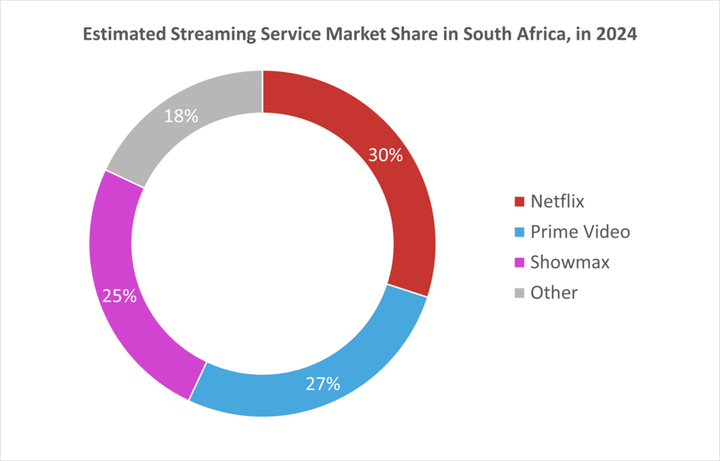
Where African Artists Earn, Lose, and Get Erased on Stream
Pan-African2 MINREAD →
HEALTHSTRATA-AF™★ EDITOR'S PICK
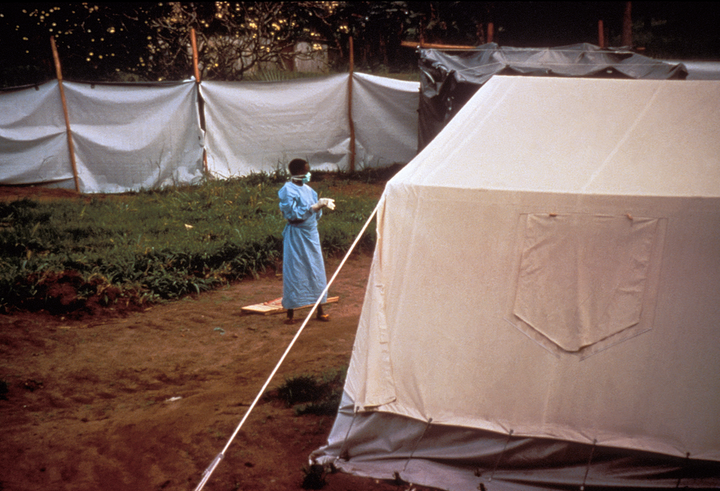
Uganda Held the Line on Ebola. Here's the Playbook Congo Needs Now
DR Congo2 MINREAD →
MUSICSTRATA-AF™STRATA-AF™ ORIGINAL
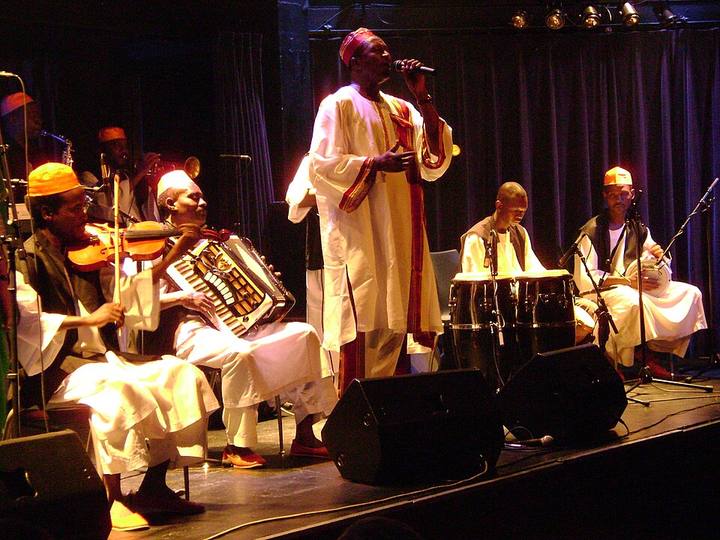
Music Is Starving in Sudan: How the RSF Silenced a Generation of Artists
Sudan2 MINREAD →
CULTURESTRATA-AF™★ EDITOR'S PICK
How BBNaija Rewired Nigerian Television And Everything Around It
Lagos, Pan-African2 MINREAD →
FASHIONSTRATA-AF™★ EDITOR'S PICK
Lagos Fashion Week's Green Push Is Either Africa's Best Bet or Its Greenest Greenwash
Pan-African2 MINREAD →
CULTURESTRATA-AF™★ EDITOR'S PICK
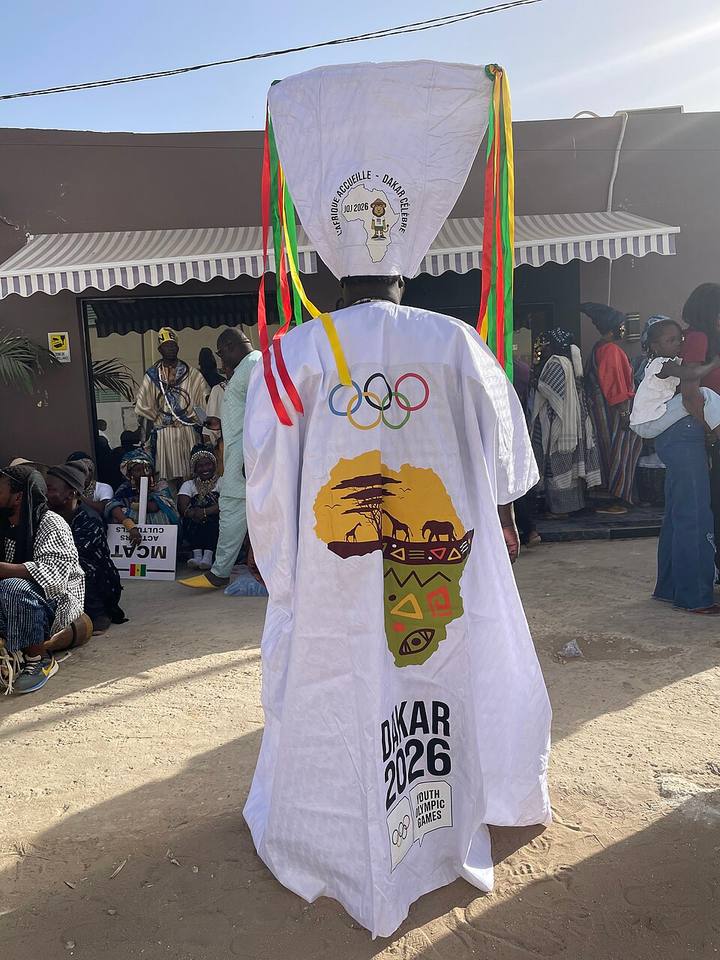
Dakar 2026 Is Africa's Olympic Moment
Senegal2 MINREAD →
SPORTSFROM THE WEB★ EDITOR'S PICK
Senegal set to make Olympic history with Dakar 2026 Youth Games
Dakar 2026 breaks a hosting monopoly that has excluded Africa from Olympic stewardship for over a century — the question is what institutional and economic legacy Senegal can extract from the moment.
Senegal1 MIN · Africanews · 25 JULREAD →
See all stories

The actual version — written by the people who live there.

10VERTICALS
6TYPES
5CITIES
1STANDARD
AboutMissionManifestoLegalOriginalsSubscribeArchiveShowsContributorsJobs
© 2026 STRATA-AF™ · STRATA PUBLISHING CO LTD · LAGOS · NAIROBI · JOBURG · ACCRA
 
 
--:--LAGOS
CultureMusicFilmTechSportsPoliticsHealthFinanceReligionFashion
culture
I will never forget the teacher who negotiated to be gang-raped instead of her daughter. These war crimes against women must be addressed | Hala Alkarib

A Sudanese women's rights advocate on the systematic sexual violence documented since 2023, and why specialised support and justice for survivors must be central to the country's recovery.

Since April 2023, Sudan's women and girls have been subjected to systematic rape and sexual torture. Specialised support and justice for them is key to the country's recovery and future.

The Guardian · The Guardian
4 MIN
From the web · The Guardian
I will never forget the teacher who negotiated to be gang-raped instead of her daughter. These war crimes against women must be addressed | Hala Alkarib
STRATA-AF™ ANGLEEDITORIAL SYNTHESIS BY STRATA-AF™

The systematic sexual violence in Sudan represents a broader crisis of women's rights across conflict zones in Africa, where rape is weaponized as a tool of war and control. This highlights the urgent need for African institutions and the AU to develop stronger mechanisms for protecting women and ensuring accountability for gender-based crimes that continue to destabilize communities and undermine recovery efforts.

The Systematic Erasure of Sudan's Women: A Continental Crisis

The harrowing testimonies emerging from Sudan's brutal conflict illuminate a grotesque truth that reverberates across the African continent: the weaponization of women's bodies has become a cornerstone of contemporary warfare. When a teacher negotiates to endure gang rape to spare her daughter the same fate, we witness not merely an individual act of maternal sacrifice, but the complete breakdown of the social fabric that binds communities together. This is not an isolated tragedy confined to Sudan's borders. It represents a pattern of gendered violence that has scarred nations from the Democratic Republic of Congo to Somalia, revealing how sexual violence operates as both a tactic of war and a tool of systematic dehumanization.

The silence surrounding these atrocities speaks to a deeper continental malaise: the persistent marginalization of women's experiences in our collective understanding of conflict and recovery. Sudan's women and girls, subjected to what can only be described as systematic sexual torture since April 2023, find themselves trapped in a web of impunity that extends far beyond the immediate perpetrators. The international community's tepid response mirrors the same indifference that has allowed similar crimes to flourish across Africa for decades, from the mass rapes during Rwanda's genocide to the ongoing sexual violence in eastern Congo. This pattern reveals how African women's suffering is consistently deprioritized in global conversations about peace, security, and justice.

What makes Sudan's crisis particularly devastating is how it exposes the failure of existing continental mechanisms to protect women in conflict. The African Union's protocols on women's rights, lauded as progressive frameworks, ring hollow when faced with the brutal realities on the ground. The systematic nature of sexual violence in Sudan, where rape is deployed as a military strategy to terrorize and displace entire communities, demands that we confront uncomfortable truths about how our continent's institutions respond to gendered violence. The gap between rhetoric and reality has never been more starkly illustrated than in the testimonies of survivors who describe not just physical violation, but the complete destruction of their social standing and economic prospects.

The implications extend far beyond Sudan's immediate crisis, touching every corner of the continent where fragile states struggle with armed conflict. When sexual violence becomes normalized as a weapon of war, it creates ripple effects that poison entire societies for generations. Children born of rape, communities fractured by trauma, and economies devastated by the systematic targeting of women. These are the legacies that define post-conflict recovery across Africa. Sudan's experience serves as a stark reminder that without addressing the root causes of gendered violence and ensuring meaningful accountability, the continent will continue to cycle through conflicts that leave women and girls bearing the heaviest burden.

The path forward requires nothing short of a revolutionary approach to how African institutions conceptualize justice and recovery. Specialized support systems for survivors cannot be afterthoughts in peace processes. They must be foundational elements of any sustainable resolution. This means investing in psychosocial support, ensuring economic empowerment for survivors, and creating judicial mechanisms that prioritize sexual and gender-based violence cases. More fundamentally, it requires African leaders to acknowledge that crimes against women are not unfortunate byproducts of conflict, but strategic attacks on the social fabric that hold our societies together.

The teacher who sacrificed herself for her daughter embodies both the profound vulnerability and remarkable resilience of African women in crisis. Her story should haunt every leader, every peace negotiator, and every citizen who claims to care about Africa's future. Until we recognize that the systematic violation of women's bodies represents an assault on our collective humanity, and until we build institutions capable of preventing and prosecuting such crimes, we will continue to fail the most vulnerable among us. Sudan's women deserve better, and so does the continent that has watched their suffering unfold in devastating silence.

READ THE SOURCE REPORT FROM THE GUARDIAN

Enjoying Strata-AF™?

Sign in or sign up for a personalised feed and unlock Strata-AF™ Originals.

SIGN IN / SIGN UP
READ NEXT
--:--LAGOS
/shows/data/docs
culture
I will never forget the teacher who negotiated to be gang-raped instead of her daughter. These war crimes against women must be addressed | Hala Alkarib
IMAGE · Wadi Lissa by Unsplash · UNSPLASH
I will never forget the teacher who negotiated to be gang-raped instead of her daughter. These war crimes against women must be addressed | Hala Alkarib

A Sudanese women's rights advocate on the systematic sexual violence documented since 2023, and why specialised support and justice for survivors must be central to the country's recovery.

Since April 2023, Sudan's women and girls have been subjected to systematic rape and sexual torture. Specialised support and justice for them is key to the country's recovery and future.

The Guardian · The Guardian
4 MIN READ
From the web · The Guardian
STRATA-AF™ ANGLEEDITORIAL SYNTHESIS BY STRATA-AF™

The systematic sexual violence in Sudan represents a broader crisis of women's rights across conflict zones in Africa, where rape is weaponized as a tool of war and control. This highlights the urgent need for African institutions and the AU to develop stronger mechanisms for protecting women and ensuring accountability for gender-based crimes that continue to destabilize communities and undermine recovery efforts.

The Systematic Erasure of Sudan's Women: A Continental Crisis

The harrowing testimonies emerging from Sudan's brutal conflict illuminate a grotesque truth that reverberates across the African continent: the weaponization of women's bodies has become a cornerstone of contemporary warfare. When a teacher negotiates to endure gang rape to spare her daughter the same fate, we witness not merely an individual act of maternal sacrifice, but the complete breakdown of the social fabric that binds communities together. This is not an isolated tragedy confined to Sudan's borders. It represents a pattern of gendered violence that has scarred nations from the Democratic Republic of Congo to Somalia, revealing how sexual violence operates as both a tactic of war and a tool of systematic dehumanization.

The silence surrounding these atrocities speaks to a deeper continental malaise: the persistent marginalization of women's experiences in our collective understanding of conflict and recovery. Sudan's women and girls, subjected to what can only be described as systematic sexual torture since April 2023, find themselves trapped in a web of impunity that extends far beyond the immediate perpetrators. The international community's tepid response mirrors the same indifference that has allowed similar crimes to flourish across Africa for decades, from the mass rapes during Rwanda's genocide to the ongoing sexual violence in eastern Congo. This pattern reveals how African women's suffering is consistently deprioritized in global conversations about peace, security, and justice.

What makes Sudan's crisis particularly devastating is how it exposes the failure of existing continental mechanisms to protect women in conflict. The African Union's protocols on women's rights, lauded as progressive frameworks, ring hollow when faced with the brutal realities on the ground. The systematic nature of sexual violence in Sudan, where rape is deployed as a military strategy to terrorize and displace entire communities, demands that we confront uncomfortable truths about how our continent's institutions respond to gendered violence. The gap between rhetoric and reality has never been more starkly illustrated than in the testimonies of survivors who describe not just physical violation, but the complete destruction of their social standing and economic prospects.

The implications extend far beyond Sudan's immediate crisis, touching every corner of the continent where fragile states struggle with armed conflict. When sexual violence becomes normalized as a weapon of war, it creates ripple effects that poison entire societies for generations. Children born of rape, communities fractured by trauma, and economies devastated by the systematic targeting of women. These are the legacies that define post-conflict recovery across Africa. Sudan's experience serves as a stark reminder that without addressing the root causes of gendered violence and ensuring meaningful accountability, the continent will continue to cycle through conflicts that leave women and girls bearing the heaviest burden.

The path forward requires nothing short of a revolutionary approach to how African institutions conceptualize justice and recovery. Specialized support systems for survivors cannot be afterthoughts in peace processes. They must be foundational elements of any sustainable resolution. This means investing in psychosocial support, ensuring economic empowerment for survivors, and creating judicial mechanisms that prioritize sexual and gender-based violence cases. More fundamentally, it requires African leaders to acknowledge that crimes against women are not unfortunate byproducts of conflict, but strategic attacks on the social fabric that hold our societies together.

The teacher who sacrificed herself for her daughter embodies both the profound vulnerability and remarkable resilience of African women in crisis. Her story should haunt every leader, every peace negotiator, and every citizen who claims to care about Africa's future. Until we recognize that the systematic violation of women's bodies represents an assault on our collective humanity, and until we build institutions capable of preventing and prosecuting such crimes, we will continue to fail the most vulnerable among us. Sudan's women deserve better, and so does the continent that has watched their suffering unfold in devastating silence.

READ THE SOURCE REPORT FROM THE GUARDIAN

Enjoying Strata-AF™?

Sign in or sign up for a personalised feed and unlock Strata-AF™ Originals.

SIGN IN / SIGN UP
VERTICAL
culture
READ NEXT1 PIECE SELECTED BY OUR EDITORS
CULTURE · MUSIC · FILM · TECH · SPORT · POLITICS · HEALTH · FINANCE · RELIGION · FASHION · LAGOS · NAIROBI · JOBURG · ACCRA · DATA JOURNALISM · ORIGINAL REPORTING · THE ACTUAL VERSION ·CULTURE · MUSIC · FILM · TECH · SPORT · POLITICS · HEALTH · FINANCE · RELIGION · FASHION · LAGOS · NAIROBI · JOBURG · ACCRA · DATA JOURNALISM · ORIGINAL REPORTING · THE ACTUAL VERSION ·
Premium editorial for a continent that's done waiting to be covered.

Not the export-market version. Not the diaspora version. The actual version — written by the people who live there.

Verticals
CultureMusicFilmTechSportsPolitics
HUBS
Strata-AF OriginalsDataDocsNewsletterArchiveShows
Company
AboutMissionManifestoLegal
REACH
10VERTICALS
6CONTENT TYPES
5CITIES
1STANDARD
© 2026 STRATA-AF™ · STRATA PUBLISHING CO LTD · LAGOS · JOBURG · NAIROBI · ACCRAPRIVACYTERMSCORRECTIONSMASTHEAD