From Nigeria's recycled presidential hopefuls to Burkina Faso's silenced students, the continent's leaders are doubling down on old playbooks while their citizens demand new solutions.
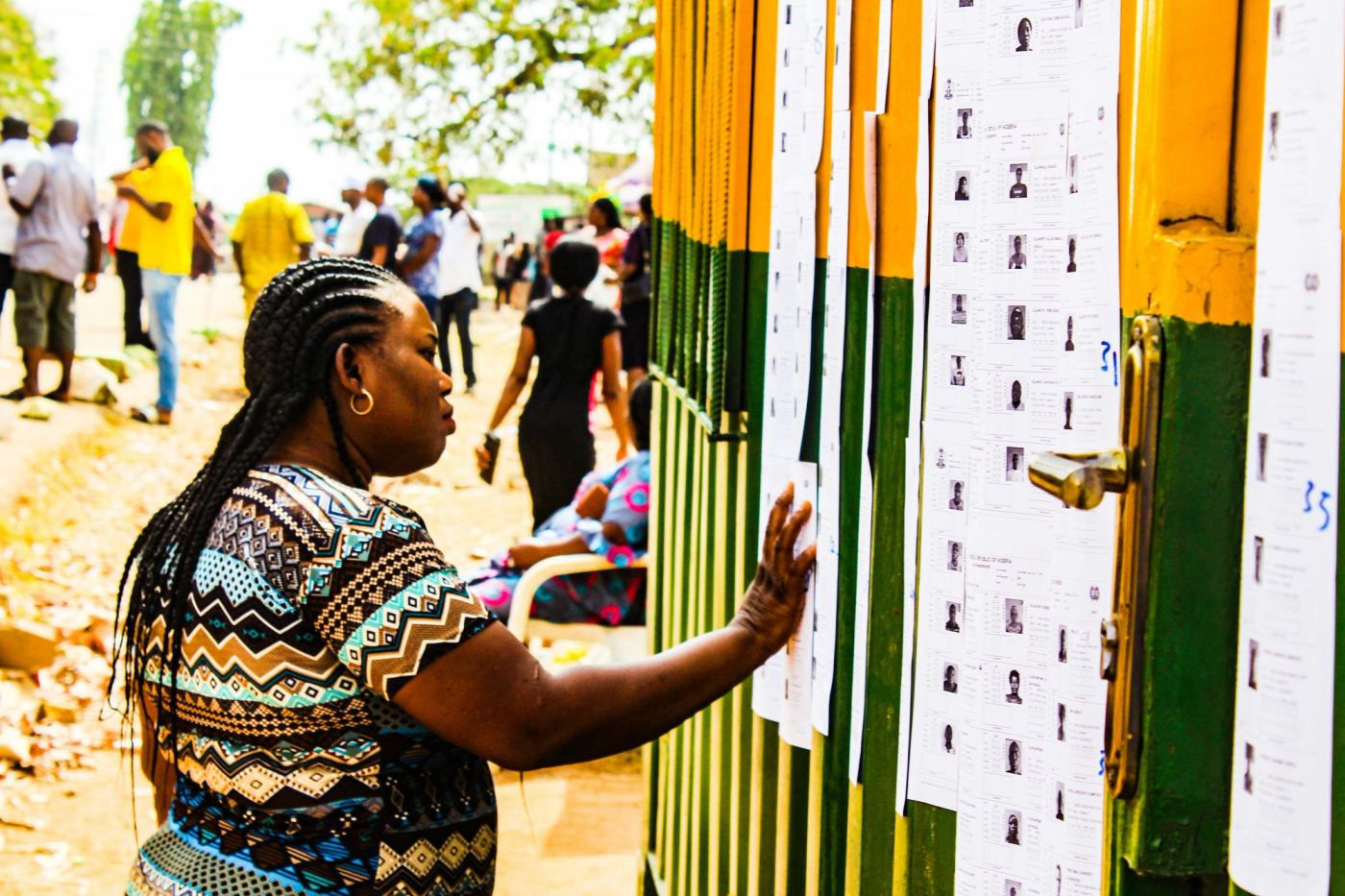
Something is rotting in the heart of African democracy, and it smells like old power refusing to die. From the presidential palaces of Abuja to the military barracks of Ouagadougou, the continent's political class is engaged in an elaborate performance of democratic legitimacy while systematically undermining the institutions that make democracy possible. The diagnosis is clear: Africa's leaders have confused longevity with legitimacy, and the cost is being paid by a generation that deserves better.
The Gerontocracy Problem
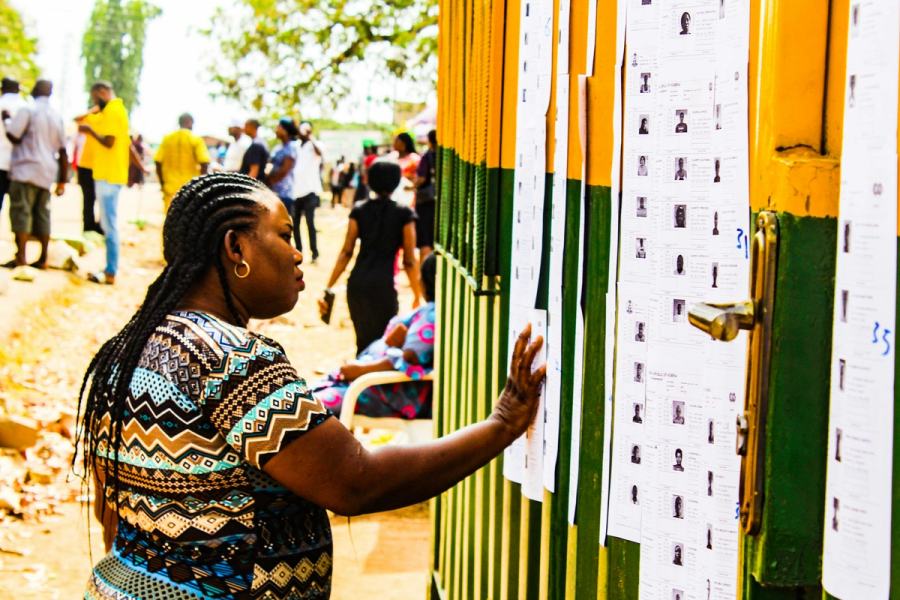
In Nigeria, the numbers tell a damning story. At 78, Atiku Abubakar has just secured his sixth presidential nomination, this time through the ADC party after failing to win with the PDP in previous cycles [S4][S5]. His persistence might suit a marathon runner; in a democracy, it signals institutional capture — a generation refusing to step aside. When lawmakers float Goodluck Jonathan, another former president, returning for 2027 [S6], it reveals a political elite trapped in a recursive loop, the same faces rotating through different party platforms, offering voters the illusion of choice without its substance.
This isn't unique to Nigeria. The pattern reflects a continental crisis where liberation-era leadership has ossified into permanent rule by proxy. While countries like Rwanda and Ghana cultivate new political talent, Nigeria's opposition continues recycling figures from the 1999 return to civilian rule [S5]. The mathematics are stark: Abubakar is older than most African nations themselves, yet he's positioning himself as the change agent for a country where 70% of the population is under 30.
When Democracy Becomes Performance
The erosion of democratic substance in favor of democratic theatre is perhaps most visible in Cameroon, where opposition walkouts from parliamentary sessions have become choreographed protests rather than meaningful dissent [S10]. When Aimé Boji Sangara frames these walkouts as principled stands against referendum legislation, he's describing a political system where opposition exists primarily to legitimize predetermined outcomes.
Even in Kenya, where President Ruto's pledge to exit peacefully if denied a second term sounds progressive, the subtext shows how low the bar has fallen [S2]. That this makes headlines shows how normalized democratic backsliding has become.
The Military's New Clothes
Keep reading this Original
Sign in or sign up to finish this story, get your personalised feed, and unlock every Strata-AF™ Original.
SIGN IN / SIGN UP