--:--LAGOS
CultureMusicFilmTechSportsPoliticsHealthFinanceReligionFashion
culture
Gen Z's Horror Film Obsession Reflects Real-World Anxieties Across Africa

Young Africans are turning to horror films as a coping mechanism for economic uncertainty, political instability, and social challenges. This trend reveals deeper generational trauma and the need for cathartic entertainment.

Cairo, Egypt2 MIN
From the web · Egypt Independent
Gen Z's Horror Film Obsession Reflects Real-World Anxieties Across Africa
IMAGE · Gen-Z for Change
STRATA-AF™ ANGLEEDITORIAL SYNTHESIS BY STRATA-AF™

Gen Z's embrace of horror films signals a generation processing collective trauma through entertainment, suggesting traditional coping mechanisms may be failing to address modern African anxieties. This trend represents both a mental health crisis and a cultural opportunity for African filmmakers to create authentic horror content that speaks to local experiences of uncertainty and fear.

The rising popularity of horror films among Generation Z across Africa reflects more than mere entertainment preferences. It signals a generation grappling with unprecedented challenges that have shaped their worldview. From Egypt's economic struggles to Nigeria's security concerns, young Africans are finding solace in fictional fears that pale in comparison to their daily realities.

Across the continent, Gen Z faces unique pressures that distinguish them from previous generations. In North Africa, youth unemployment rates exceeding 30% in countries like Tunisia and Algeria create an atmosphere of perpetual uncertainty. Meanwhile, climate change threatens agricultural livelihoods from Morocco to Sudan, while political instability continues to disrupt educational and economic opportunities.

The horror genre provides a controlled environment where young people can confront fear on their own terms. Unlike the unpredictable nature of real-world threats, from terrorism in the Sahel to xenophobic attacks in South Africa, horror films offer resolution and catharsis. This psychological release becomes particularly valuable for a generation that has witnessed Arab Spring uprisings, economic downturns, and the COVID-19 pandemic during their formative years.

African filmmakers are beginning to recognize this trend, with horror productions emerging from Nollywood and other regional film industries. These locally-produced films often incorporate traditional folklore and contemporary social issues, creating narratives that resonate more deeply with young African audiences than Western horror imports. This cultural adaptation represents both artistic evolution and economic opportunity within Africa's growing creative economy.

The phenomenon also highlights the psychological resilience of African youth who use horror consumption as a form of emotional processing. Rather than escapism, these films become tools for understanding and contextualizing real-world anxieties. For a generation that has normalized crisis, fictional monsters provide a strange comfort. They can be defeated, unlike systemic poverty, corruption, or climate change.

As African countries grapple with rapid urbanization and technological change, Gen Z's relationship with horror cinema reveals broader societal tensions. Their embrace of fear as entertainment suggests a generation that refuses to be paralyzed by uncertainty, instead choosing to engage with their anxieties through cultural consumption that validates their experiences while offering temporary relief from relentless real-world pressures.

READ THE SOURCE REPORT FROM EGYPT INDEPENDENT

Enjoying Strata-AF™?

Sign in or sign up for a personalised feed and unlock Strata-AF™ Originals.
SIGN IN / SIGN UP
READ NEXT
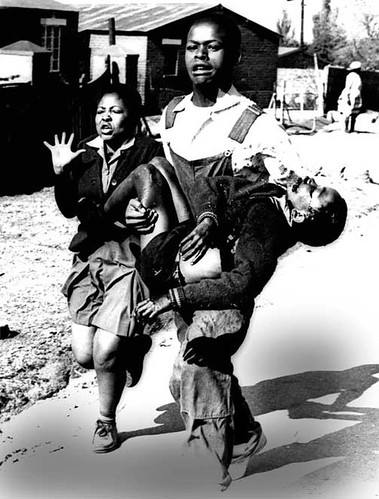
Extreme Fear Among Immigrants as Anti-Migrant Backlash Sweeps South Africa
CULTUREThe Guardian
Extreme Fear Among Immigrants as Anti-Migrant Backlash Sweeps South Africa
South Africa3 MINREAD →
--:--LAGOS
STRATA-AF™
ISSUE 001FEED◎ SEARCHSUBSCRIBE
/shows/data/docs
culture
Gen Z's Horror Film Obsession Reflects Real-World Anxieties Across Africa
IMAGE · Gen-Z for Change
Gen Z's Horror Film Obsession Reflects Real-World Anxieties Across Africa

Young Africans are turning to horror films as a coping mechanism for economic uncertainty, political instability, and social challenges. This trend reveals deeper generational trauma and the need for cathartic entertainment.

Cairo, Egypt2 MIN READ
From the web · Egypt Independent
STRATA-AF™ ANGLEEDITORIAL SYNTHESIS BY STRATA-AF™

Gen Z's embrace of horror films signals a generation processing collective trauma through entertainment, suggesting traditional coping mechanisms may be failing to address modern African anxieties. This trend represents both a mental health crisis and a cultural opportunity for African filmmakers to create authentic horror content that speaks to local experiences of uncertainty and fear.

The rising popularity of horror films among Generation Z across Africa reflects more than mere entertainment preferences. It signals a generation grappling with unprecedented challenges that have shaped their worldview. From Egypt's economic struggles to Nigeria's security concerns, young Africans are finding solace in fictional fears that pale in comparison to their daily realities.

Across the continent, Gen Z faces unique pressures that distinguish them from previous generations. In North Africa, youth unemployment rates exceeding 30% in countries like Tunisia and Algeria create an atmosphere of perpetual uncertainty. Meanwhile, climate change threatens agricultural livelihoods from Morocco to Sudan, while political instability continues to disrupt educational and economic opportunities.

The horror genre provides a controlled environment where young people can confront fear on their own terms. Unlike the unpredictable nature of real-world threats, from terrorism in the Sahel to xenophobic attacks in South Africa, horror films offer resolution and catharsis. This psychological release becomes particularly valuable for a generation that has witnessed Arab Spring uprisings, economic downturns, and the COVID-19 pandemic during their formative years.

African filmmakers are beginning to recognize this trend, with horror productions emerging from Nollywood and other regional film industries. These locally-produced films often incorporate traditional folklore and contemporary social issues, creating narratives that resonate more deeply with young African audiences than Western horror imports. This cultural adaptation represents both artistic evolution and economic opportunity within Africa's growing creative economy.

The phenomenon also highlights the psychological resilience of African youth who use horror consumption as a form of emotional processing. Rather than escapism, these films become tools for understanding and contextualizing real-world anxieties. For a generation that has normalized crisis, fictional monsters provide a strange comfort. They can be defeated, unlike systemic poverty, corruption, or climate change.

As African countries grapple with rapid urbanization and technological change, Gen Z's relationship with horror cinema reveals broader societal tensions. Their embrace of fear as entertainment suggests a generation that refuses to be paralyzed by uncertainty, instead choosing to engage with their anxieties through cultural consumption that validates their experiences while offering temporary relief from relentless real-world pressures.

READ THE SOURCE REPORT FROM EGYPT INDEPENDENT

Enjoying Strata-AF™?

Sign in or sign up for a personalised feed and unlock Strata-AF™ Originals.

SIGN IN / SIGN UP
VERTICAL
culture
ORIGIN
Cairo, Egypt
READ NEXT1 PIECE SELECTED BY OUR EDITORS
CULTURE
Extreme Fear Among Immigrants as Anti-Migrant Backlash Sweeps South Africa
African migrants in South Africa report living in terror as anti-immigration rallies reignite xenophobic sentiment across the country. Even those with legal status say documentation offers little protection from mounting hostility.
South Africa3 MINREAD →
CULTURE · MUSIC · FILM · TECH · SPORT · POLITICS · HEALTH · FINANCE · RELIGION · FASHION · LAGOS · NAIROBI · JOBURG · ACCRA · DATA JOURNALISM · ORIGINAL REPORTING · THE ACTUAL VERSION ·CULTURE · MUSIC · FILM · TECH · SPORT · POLITICS · HEALTH · FINANCE · RELIGION · FASHION · LAGOS · NAIROBI · JOBURG · ACCRA · DATA JOURNALISM · ORIGINAL REPORTING · THE ACTUAL VERSION ·
Premium editorial for a continent that's done waiting to be covered.

Not the export-market version. Not the diaspora version. The actual version — written by the people who live there.

Verticals
CultureMusicFilmTechSportsPolitics
HUBS
Strata-AF OriginalsDataDocsNewsletterArchiveShows
Company
AboutMissionManifestoLegal
REACH
10VERTICALS
6CONTENT TYPES
5CITIES
1STANDARD
© 2026 STRATA-AF™ · STRATA PUBLISHING CO LTD · LAGOS · JOBURG · NAIROBI · ACCRAPRIVACYTERMSCORRECTIONSMASTHEAD
 
 
--:--LAGOS
CultureMusicFilmTechSportsPoliticsHealthFinanceReligionFashion
Highlights
Strata-AF
Editor's Pick
From the web
SPORTSSTRATA-AF™STRATA-AF™ ORIGINAL
WAFCON 2026 Proved African Women's Football Is Ready. The Clubs Aren't.
2 MINREAD →
POLITICSSTRATA-AF™★ EDITOR'S PICK
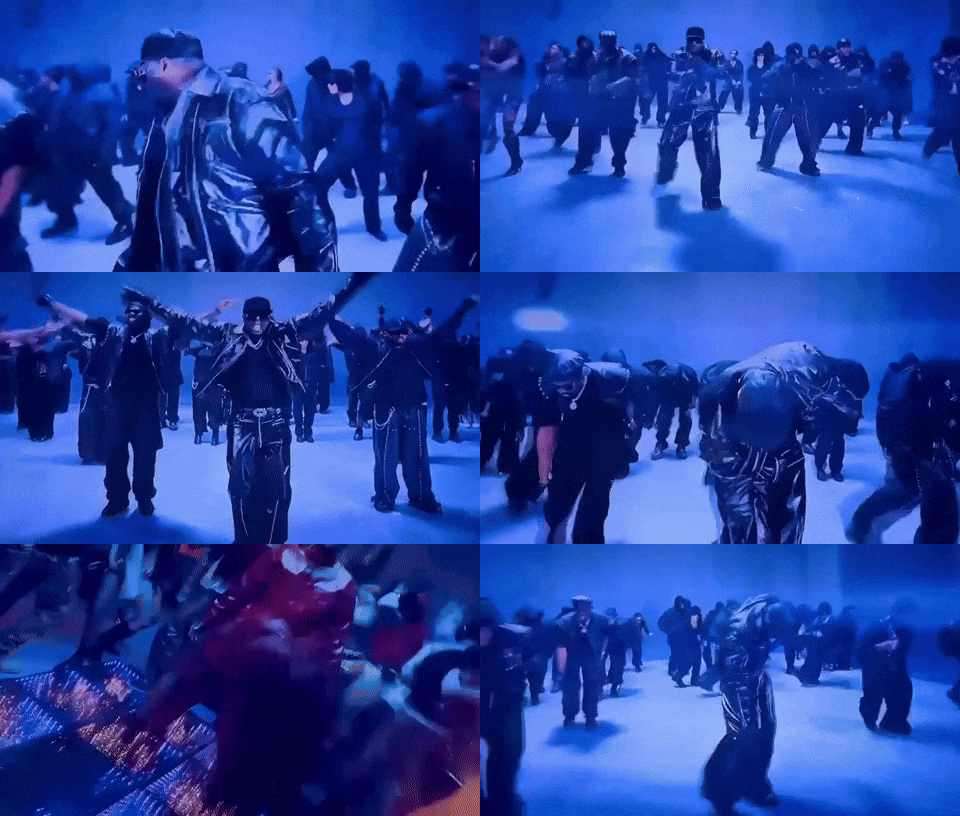
The Lagos Cancellation Is Not About Tyla Really, Or Is It ?
Pan-African2 MINREAD →
MUSICSTRATA-AF™★ EDITOR'S PICK
Blood, Beats & Betrayal: How Family Killed P-Square
Nigeria2 MINREAD →
MUSICBY THE NUMBERSSTRATA-AF™ ORIGINAL
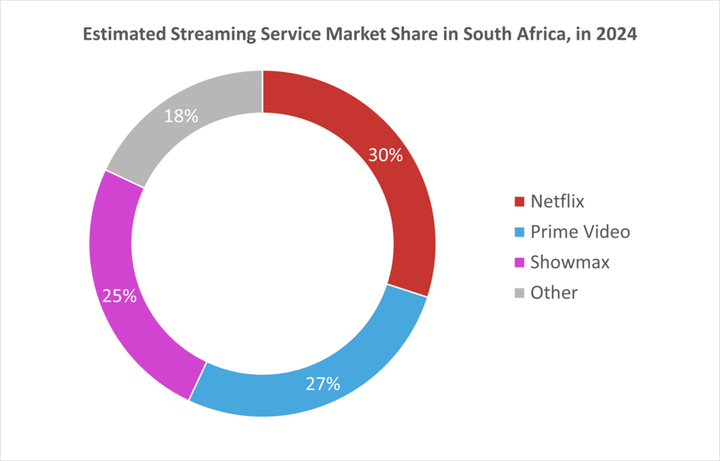
Where African Artists Earn, Lose, and Get Erased on Stream
Pan-African2 MINREAD →
HEALTHSTRATA-AF™★ EDITOR'S PICK
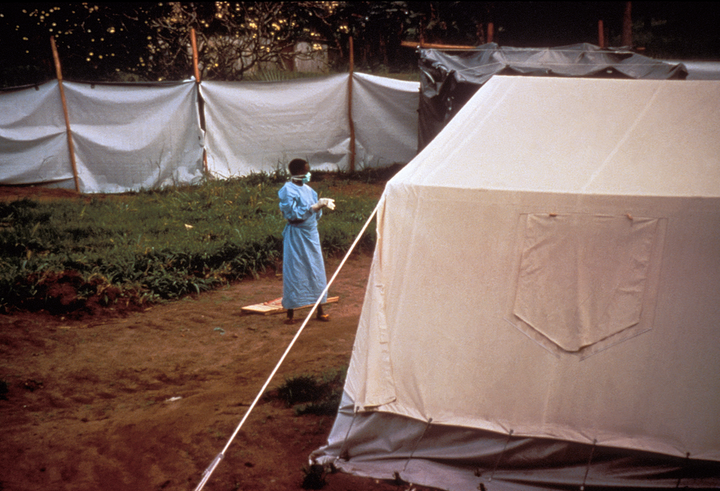
Uganda Held the Line on Ebola. Here's the Playbook Congo Needs Now
DR Congo2 MINREAD →
MUSICSTRATA-AF™STRATA-AF™ ORIGINAL
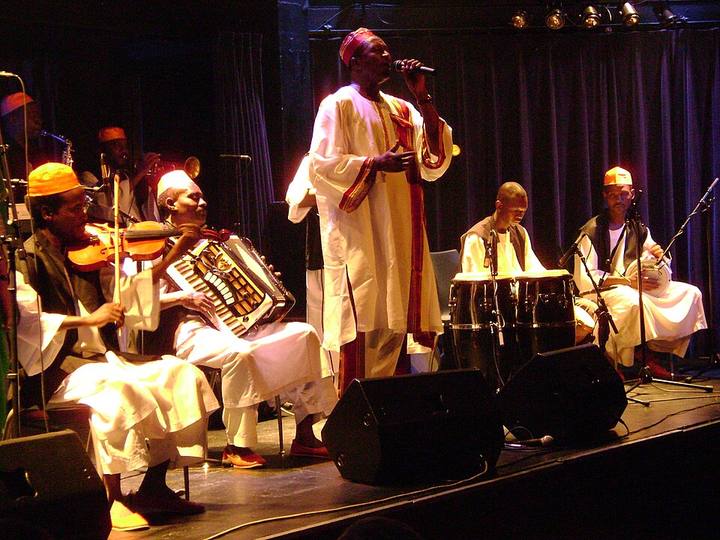
Music Is Starving in Sudan: How the RSF Silenced a Generation of Artists
Sudan2 MINREAD →
CULTURESTRATA-AF™★ EDITOR'S PICK
How BBNaija Rewired Nigerian Television And Everything Around It
Lagos, Pan-African2 MINREAD →
FASHIONSTRATA-AF™★ EDITOR'S PICK
Lagos Fashion Week's Green Push Is Either Africa's Best Bet or Its Greenest Greenwash
Pan-African2 MINREAD →
CULTURESTRATA-AF™★ EDITOR'S PICK
Dakar 2026 Is Africa's Olympic Moment
Senegal2 MINREAD →
SPORTSFROM THE WEB★ EDITOR'S PICK
Senegal set to make Olympic history with Dakar 2026 Youth Games
Dakar 2026 breaks a hosting monopoly that has excluded Africa from Olympic stewardship for over a century — the question is what institutional and economic legacy Senegal can extract from the moment.
Senegal1 MIN · Africanews · 25 JULREAD →
See all stories

The actual version — written by the people who live there.

10VERTICALS
6TYPES
5CITIES
1STANDARD
AboutMissionManifestoLegalOriginalsSubscribeArchiveShowsContributorsJobs
© 2026 STRATA-AF™ · STRATA PUBLISHING CO LTD · LAGOS · NAIROBI · JOBURG · ACCRA
 
 
--:--LAGOS
CultureMusicFilmTechSportsPoliticsHealthFinanceReligionFashion
culture
Gen Z's Horror Film Obsession Reflects Real-World Anxieties Across Africa

Young Africans are turning to horror films as a coping mechanism for economic uncertainty, political instability, and social challenges. This trend reveals deeper generational trauma and the need for cathartic entertainment.

Cairo, Egypt2 MIN
From the web · Egypt Independent
Gen Z's Horror Film Obsession Reflects Real-World Anxieties Across Africa
STRATA-AF™ ANGLEEDITORIAL SYNTHESIS BY STRATA-AF™

Gen Z's embrace of horror films signals a generation processing collective trauma through entertainment, suggesting traditional coping mechanisms may be failing to address modern African anxieties. This trend represents both a mental health crisis and a cultural opportunity for African filmmakers to create authentic horror content that speaks to local experiences of uncertainty and fear.

The rising popularity of horror films among Generation Z across Africa reflects more than mere entertainment preferences. It signals a generation grappling with unprecedented challenges that have shaped their worldview. From Egypt's economic struggles to Nigeria's security concerns, young Africans are finding solace in fictional fears that pale in comparison to their daily realities.

Across the continent, Gen Z faces unique pressures that distinguish them from previous generations. In North Africa, youth unemployment rates exceeding 30% in countries like Tunisia and Algeria create an atmosphere of perpetual uncertainty. Meanwhile, climate change threatens agricultural livelihoods from Morocco to Sudan, while political instability continues to disrupt educational and economic opportunities.

The horror genre provides a controlled environment where young people can confront fear on their own terms. Unlike the unpredictable nature of real-world threats, from terrorism in the Sahel to xenophobic attacks in South Africa, horror films offer resolution and catharsis. This psychological release becomes particularly valuable for a generation that has witnessed Arab Spring uprisings, economic downturns, and the COVID-19 pandemic during their formative years.

African filmmakers are beginning to recognize this trend, with horror productions emerging from Nollywood and other regional film industries. These locally-produced films often incorporate traditional folklore and contemporary social issues, creating narratives that resonate more deeply with young African audiences than Western horror imports. This cultural adaptation represents both artistic evolution and economic opportunity within Africa's growing creative economy.

The phenomenon also highlights the psychological resilience of African youth who use horror consumption as a form of emotional processing. Rather than escapism, these films become tools for understanding and contextualizing real-world anxieties. For a generation that has normalized crisis, fictional monsters provide a strange comfort. They can be defeated, unlike systemic poverty, corruption, or climate change.

As African countries grapple with rapid urbanization and technological change, Gen Z's relationship with horror cinema reveals broader societal tensions. Their embrace of fear as entertainment suggests a generation that refuses to be paralyzed by uncertainty, instead choosing to engage with their anxieties through cultural consumption that validates their experiences while offering temporary relief from relentless real-world pressures.

READ THE SOURCE REPORT FROM EGYPT INDEPENDENT

Enjoying Strata-AF™?

Sign in or sign up for a personalised feed and unlock Strata-AF™ Originals.

SIGN IN / SIGN UP
READ NEXT
--:--LAGOS
/shows/data/docs
culture
Gen Z's Horror Film Obsession Reflects Real-World Anxieties Across Africa
IMAGE · Gen-Z for Change
Gen Z's Horror Film Obsession Reflects Real-World Anxieties Across Africa

Young Africans are turning to horror films as a coping mechanism for economic uncertainty, political instability, and social challenges. This trend reveals deeper generational trauma and the need for cathartic entertainment.

Cairo, Egypt2 MIN READ
From the web · Egypt Independent
STRATA-AF™ ANGLEEDITORIAL SYNTHESIS BY STRATA-AF™

Gen Z's embrace of horror films signals a generation processing collective trauma through entertainment, suggesting traditional coping mechanisms may be failing to address modern African anxieties. This trend represents both a mental health crisis and a cultural opportunity for African filmmakers to create authentic horror content that speaks to local experiences of uncertainty and fear.

The rising popularity of horror films among Generation Z across Africa reflects more than mere entertainment preferences. It signals a generation grappling with unprecedented challenges that have shaped their worldview. From Egypt's economic struggles to Nigeria's security concerns, young Africans are finding solace in fictional fears that pale in comparison to their daily realities.

Across the continent, Gen Z faces unique pressures that distinguish them from previous generations. In North Africa, youth unemployment rates exceeding 30% in countries like Tunisia and Algeria create an atmosphere of perpetual uncertainty. Meanwhile, climate change threatens agricultural livelihoods from Morocco to Sudan, while political instability continues to disrupt educational and economic opportunities.

The horror genre provides a controlled environment where young people can confront fear on their own terms. Unlike the unpredictable nature of real-world threats, from terrorism in the Sahel to xenophobic attacks in South Africa, horror films offer resolution and catharsis. This psychological release becomes particularly valuable for a generation that has witnessed Arab Spring uprisings, economic downturns, and the COVID-19 pandemic during their formative years.

African filmmakers are beginning to recognize this trend, with horror productions emerging from Nollywood and other regional film industries. These locally-produced films often incorporate traditional folklore and contemporary social issues, creating narratives that resonate more deeply with young African audiences than Western horror imports. This cultural adaptation represents both artistic evolution and economic opportunity within Africa's growing creative economy.

The phenomenon also highlights the psychological resilience of African youth who use horror consumption as a form of emotional processing. Rather than escapism, these films become tools for understanding and contextualizing real-world anxieties. For a generation that has normalized crisis, fictional monsters provide a strange comfort. They can be defeated, unlike systemic poverty, corruption, or climate change.

As African countries grapple with rapid urbanization and technological change, Gen Z's relationship with horror cinema reveals broader societal tensions. Their embrace of fear as entertainment suggests a generation that refuses to be paralyzed by uncertainty, instead choosing to engage with their anxieties through cultural consumption that validates their experiences while offering temporary relief from relentless real-world pressures.

READ THE SOURCE REPORT FROM EGYPT INDEPENDENT

Enjoying Strata-AF™?

Sign in or sign up for a personalised feed and unlock Strata-AF™ Originals.

SIGN IN / SIGN UP
VERTICAL
culture
ORIGIN
Cairo, Egypt
READ NEXT1 PIECE SELECTED BY OUR EDITORS
CULTURE · MUSIC · FILM · TECH · SPORT · POLITICS · HEALTH · FINANCE · RELIGION · FASHION · LAGOS · NAIROBI · JOBURG · ACCRA · DATA JOURNALISM · ORIGINAL REPORTING · THE ACTUAL VERSION ·CULTURE · MUSIC · FILM · TECH · SPORT · POLITICS · HEALTH · FINANCE · RELIGION · FASHION · LAGOS · NAIROBI · JOBURG · ACCRA · DATA JOURNALISM · ORIGINAL REPORTING · THE ACTUAL VERSION ·
Premium editorial for a continent that's done waiting to be covered.

Not the export-market version. Not the diaspora version. The actual version — written by the people who live there.

Verticals
CultureMusicFilmTechSportsPolitics
HUBS
Strata-AF OriginalsDataDocsNewsletterArchiveShows
Company
AboutMissionManifestoLegal
REACH
10VERTICALS
6CONTENT TYPES
5CITIES
1STANDARD
© 2026 STRATA-AF™ · STRATA PUBLISHING CO LTD · LAGOS · JOBURG · NAIROBI · ACCRAPRIVACYTERMSCORRECTIONSMASTHEAD