--:--LAGOS
CultureMusicFilmTechSportsPoliticsHealthFinanceReligionFashion
tech
First Ghanaians evacuated from South Africa over immigration protests land in Accra

It follows recent protests that have led to fears there could be a resurgence in xenophobic violence.

Accra, South Africa3 MIN · 28 MAY 2026
From the web · BBC
COVER 16:9
STRATA-AF™ ANGLEEDITORIAL SYNTHESIS BY STRATA-AF™

While South Africa's Operation Dudula masquerades as immigration reform, it's actually exposing the continent's failure to operationalize the African Continental Free Trade Area beyond paperwork, Ghanaians fleeing Johannesburg for Accra reveals how pan-African unity remains a boardroom fantasy when kitchen table economics get tough. The tragic irony: Ghana and South Africa, two of Africa's most connected economies, can't even protect each other's citizens from the very tribalism that keeps the continent fragmented and foreign investors circling like vultures.

The recent evacuation of Ghanaian nationals from South Africa represents a troubling regression in the Pan-African dream of continental unity and free movement of peoples. When citizens of one African nation must flee another due to xenophobic violence, it exposes the deep contradictions between our rhetorical commitments to African solidarity and the harsh realities of lived experience across the continent. The sight of Ghanaians landing in Accra as refugees from a fellow African nation should serve as a sobering reminder that the legacy of colonial divide-and-rule tactics continues to poison relationships between African peoples decades after independence.

South Africa's recurring xenophobic episodes reveal how economic desperation and political failures are being weaponized against fellow Africans rather than directed toward systemic solutions. The targeting of foreign nationals, particularly those from other African countries, as scapegoats for unemployment, crime, and social inequality represents a fundamental misdiagnosis of South Africa's challenges. This pattern of violence not only betrays the solidarity that African liberation movements once shared but also undermines the very continental integration projects, from the African Continental Free Trade Area to the African Union's Agenda 2063, that promise shared prosperity across borders.

The irony is particularly acute given Ghana's historical role in welcoming South African exiles during the apartheid era. When the apartheid regime was hunting down freedom fighters and intellectual dissidents, Ghana opened its doors without question, understanding that the liberation of any African nation was interconnected with the liberation of all. Today's xenophobic violence represents a tragic inversion of this solidarity, suggesting that some South Africans have forgotten the debt of gratitude owed to the broader African community that sustained their liberation struggle through decades of international support and sanctuary.

Beyond the immediate humanitarian concerns, these evacuations signal a deeper crisis in how African nations conceptualize citizenship and belonging in the 21st century. The persistence of colonial borders as rigid barriers to African movement contradicts both our shared heritage and our economic interests. When skilled Ghanaians contributing to South Africa's economy are forced to flee, both nations lose. Ghana loses the remittances and experience that emigrants typically send home, while South Africa loses human capital and reinforces its reputation as an unwelcoming destination for African talent and investment.

The response from African leadership must transcend mere condemnation and evacuation logistics. This crisis demands a continental conversation about how we construct national identity in ways that honor both local citizenship and Pan-African solidarity. It requires honest examination of how economic inequality within nations gets redirected into hostility toward African migrants rather than demands for better governance and more equitable development policies.

Moving forward, the African Union and regional bodies like the Economic Community of West African States and the Southern African Development Community must develop robust mechanisms for preventing and responding to xenophobic violence before it reaches the point of mass evacuations. This includes early warning systems, rapid response protocols, and most importantly, sustained dialogue programs that build genuine understanding between African communities. The evacuation flights from Johannesburg to Accra should be seen not as a solution, but as evidence of our collective failure to realize the promise of an Africa where all Africans can thrive regardless of which colonial borders happened to circumscribe their birthplace.

The ultimate test of African unity lies not in our ability to manage crisis evacuations, but in our capacity to create societies where such evacuations become unnecessary. Until African nations can guarantee the safety and dignity of all Africans within their borders, the dream of continental integration remains hollow rhetoric, and the ghosts of colonialism continue to divide us against ourselves.

READ THE SOURCE REPORT FROM BBC

Enjoying Strata-AF™?

Sign in or sign up for a personalised feed and unlock Strata-AF™ Originals.

SIGN IN / SIGN UP
READ NEXT
PHOTO
TECHAllAfrica
South Africa: First Ghanaians Set to Be Repatriated From South Africa Over Anti-Immigrant Protests
South Africa1 MINREAD →
PHOTO
TECHTechCabal
Pick n Pay breach puts South Africa’s retail cybersecurity under scrutiny
Nigeria4 MINREAD →
--:--LAGOS
STRATA-AF™
ISSUE 001FEED◎ SEARCHSUBSCRIBE
/shows/data/docs
tech
First Ghanaians evacuated from South Africa over immigration protests land in Accra

It follows recent protests that have led to fears there could be a resurgence in xenophobic violence.

Accra, South Africa3 MIN READ · 28 MAY 2026
From the web · BBC
STRATA-AF™ ANGLEEDITORIAL SYNTHESIS BY STRATA-AF™

While South Africa's Operation Dudula masquerades as immigration reform, it's actually exposing the continent's failure to operationalize the African Continental Free Trade Area beyond paperwork, Ghanaians fleeing Johannesburg for Accra reveals how pan-African unity remains a boardroom fantasy when kitchen table economics get tough. The tragic irony: Ghana and South Africa, two of Africa's most connected economies, can't even protect each other's citizens from the very tribalism that keeps the continent fragmented and foreign investors circling like vultures.

The recent evacuation of Ghanaian nationals from South Africa represents a troubling regression in the Pan-African dream of continental unity and free movement of peoples. When citizens of one African nation must flee another due to xenophobic violence, it exposes the deep contradictions between our rhetorical commitments to African solidarity and the harsh realities of lived experience across the continent. The sight of Ghanaians landing in Accra as refugees from a fellow African nation should serve as a sobering reminder that the legacy of colonial divide-and-rule tactics continues to poison relationships between African peoples decades after independence.

South Africa's recurring xenophobic episodes reveal how economic desperation and political failures are being weaponized against fellow Africans rather than directed toward systemic solutions. The targeting of foreign nationals, particularly those from other African countries, as scapegoats for unemployment, crime, and social inequality represents a fundamental misdiagnosis of South Africa's challenges. This pattern of violence not only betrays the solidarity that African liberation movements once shared but also undermines the very continental integration projects, from the African Continental Free Trade Area to the African Union's Agenda 2063, that promise shared prosperity across borders.

The irony is particularly acute given Ghana's historical role in welcoming South African exiles during the apartheid era. When the apartheid regime was hunting down freedom fighters and intellectual dissidents, Ghana opened its doors without question, understanding that the liberation of any African nation was interconnected with the liberation of all. Today's xenophobic violence represents a tragic inversion of this solidarity, suggesting that some South Africans have forgotten the debt of gratitude owed to the broader African community that sustained their liberation struggle through decades of international support and sanctuary.

Beyond the immediate humanitarian concerns, these evacuations signal a deeper crisis in how African nations conceptualize citizenship and belonging in the 21st century. The persistence of colonial borders as rigid barriers to African movement contradicts both our shared heritage and our economic interests. When skilled Ghanaians contributing to South Africa's economy are forced to flee, both nations lose. Ghana loses the remittances and experience that emigrants typically send home, while South Africa loses human capital and reinforces its reputation as an unwelcoming destination for African talent and investment.

The response from African leadership must transcend mere condemnation and evacuation logistics. This crisis demands a continental conversation about how we construct national identity in ways that honor both local citizenship and Pan-African solidarity. It requires honest examination of how economic inequality within nations gets redirected into hostility toward African migrants rather than demands for better governance and more equitable development policies.

Moving forward, the African Union and regional bodies like the Economic Community of West African States and the Southern African Development Community must develop robust mechanisms for preventing and responding to xenophobic violence before it reaches the point of mass evacuations. This includes early warning systems, rapid response protocols, and most importantly, sustained dialogue programs that build genuine understanding between African communities. The evacuation flights from Johannesburg to Accra should be seen not as a solution, but as evidence of our collective failure to realize the promise of an Africa where all Africans can thrive regardless of which colonial borders happened to circumscribe their birthplace.

The ultimate test of African unity lies not in our ability to manage crisis evacuations, but in our capacity to create societies where such evacuations become unnecessary. Until African nations can guarantee the safety and dignity of all Africans within their borders, the dream of continental integration remains hollow rhetoric, and the ghosts of colonialism continue to divide us against ourselves.

READ THE SOURCE REPORT FROM BBC

Enjoying Strata-AF™?

Sign in or sign up for a personalised feed and unlock Strata-AF™ Originals.

SIGN IN / SIGN UP
VERTICAL
tech
ORIGIN
Accra, South Africa
PUBLISHED
28 MAY 2026
NO COVER SET
READ NEXT2 PIECES SELECTED BY OUR EDITORS
TECH
PHOTO
South Africa: First Ghanaians Set to Be Repatriated From South Africa Over Anti-Immigrant Protests
Ghana's repatriation of 800 citizens from South Africa is the clearest sign yet that the anti-migrant backlash is reshaping travel and settlement decisions across the region.
South Africa1 MINREAD →
TECH
PHOTO
Pick n Pay breach puts South Africa’s retail cybersecurity under scrutiny
While Pick n Pay acknowledged the breach, it disputed claims that complete card information was exposed.
Nigeria4 MINREAD →
CULTURE · MUSIC · FILM · TECH · SPORT · POLITICS · HEALTH · FINANCE · RELIGION · FASHION · LAGOS · NAIROBI · JOBURG · ACCRA · DATA JOURNALISM · ORIGINAL REPORTING · THE ACTUAL VERSION ·CULTURE · MUSIC · FILM · TECH · SPORT · POLITICS · HEALTH · FINANCE · RELIGION · FASHION · LAGOS · NAIROBI · JOBURG · ACCRA · DATA JOURNALISM · ORIGINAL REPORTING · THE ACTUAL VERSION ·
Premium editorial for a continent that's done waiting to be covered.

Not the export-market version. Not the diaspora version. The actual version — written by the people who live there.

Verticals
CultureMusicFilmTechSportsPolitics
HUBS
Strata-AF OriginalsDataDocsNewsletterArchiveShows
Company
AboutMissionManifestoLegal
REACH
10VERTICALS
6CONTENT TYPES
5CITIES
1STANDARD
© 2026 STRATA-AF™ · STRATA PUBLISHING CO LTD · LAGOS · JOBURG · NAIROBI · ACCRAPRIVACYTERMSCORRECTIONSMASTHEAD
 
 
--:--LAGOS
CultureMusicFilmTechSportsPoliticsHealthFinanceReligionFashion
Highlights
Strata-AF
Editor's Pick
From the web
SPORTSSTRATA-AF™STRATA-AF™ ORIGINAL
WAFCON 2026 Proved African Women's Football Is Ready. The Clubs Aren't.
2 MINREAD →
POLITICSSTRATA-AF™★ EDITOR'S PICK
The Lagos Cancellation Is Not About Tyla Really, Or Is It ?
Pan-African2 MINREAD →
MUSICSTRATA-AF™★ EDITOR'S PICK
Blood, Beats & Betrayal: How Family Killed P-Square
Nigeria2 MINREAD →
MUSICBY THE NUMBERSSTRATA-AF™ ORIGINAL
Where African Artists Earn, Lose, and Get Erased on Stream
Pan-African2 MINREAD →
HEALTHSTRATA-AF™★ EDITOR'S PICK
Uganda Held the Line on Ebola. Here's the Playbook Congo Needs Now
DR Congo2 MINREAD →
MUSICSTRATA-AF™STRATA-AF™ ORIGINAL
Music Is Starving in Sudan: How the RSF Silenced a Generation of Artists
Sudan2 MINREAD →
CULTURESTRATA-AF™★ EDITOR'S PICK
How BBNaija Rewired Nigerian Television And Everything Around It
Lagos, Pan-African2 MINREAD →
FASHIONSTRATA-AF™★ EDITOR'S PICK
Lagos Fashion Week's Green Push Is Either Africa's Best Bet or Its Greenest Greenwash
Pan-African2 MINREAD →
CULTURESTRATA-AF™★ EDITOR'S PICK
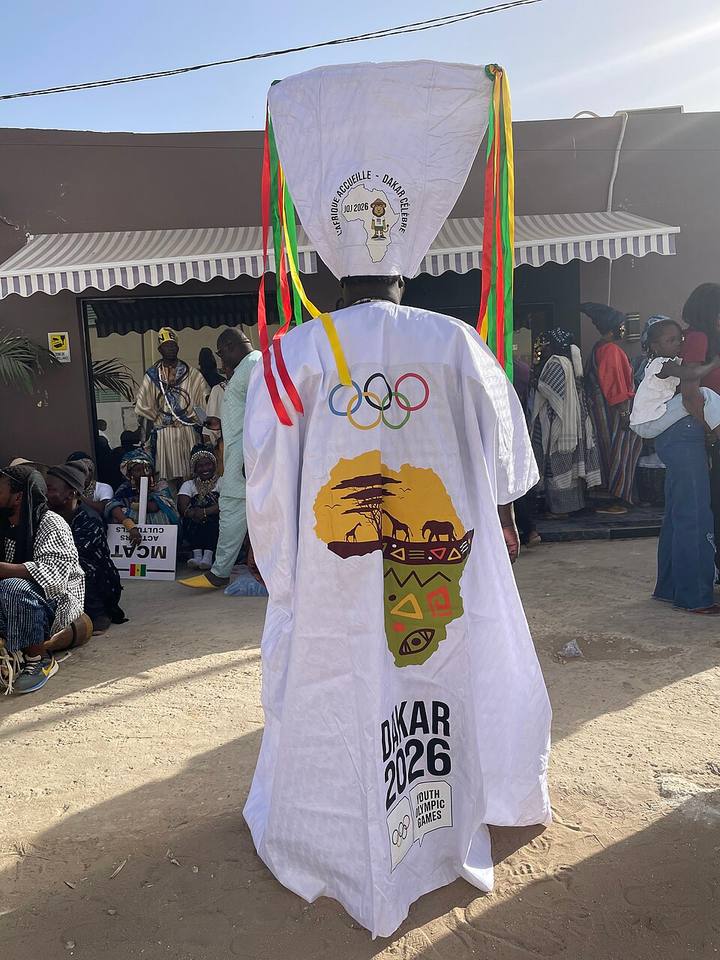
Dakar 2026 Is Africa's Olympic Moment
Senegal2 MINREAD →
SPORTSFROM THE WEB★ EDITOR'S PICK
Senegal set to make Olympic history with Dakar 2026 Youth Games
Dakar 2026 breaks a hosting monopoly that has excluded Africa from Olympic stewardship for over a century — the question is what institutional and economic legacy Senegal can extract from the moment.
Senegal1 MIN · Africanews · 25 JULREAD →
See all stories

The actual version — written by the people who live there.

10VERTICALS
6TYPES
5CITIES
1STANDARD
AboutMissionManifestoLegalOriginalsSubscribeArchiveShowsContributorsJobs
© 2026 STRATA-AF™ · STRATA PUBLISHING CO LTD · LAGOS · NAIROBI · JOBURG · ACCRA
 
 
--:--LAGOS
CultureMusicFilmTechSportsPoliticsHealthFinanceReligionFashion
tech
First Ghanaians evacuated from South Africa over immigration protests land in Accra

It follows recent protests that have led to fears there could be a resurgence in xenophobic violence.

Accra, South Africa3 MIN · 28 MAY 2026
From the web · BBC
COVER 16:9
STRATA-AF™ ANGLEEDITORIAL SYNTHESIS BY STRATA-AF™

While South Africa's Operation Dudula masquerades as immigration reform, it's actually exposing the continent's failure to operationalize the African Continental Free Trade Area beyond paperwork, Ghanaians fleeing Johannesburg for Accra reveals how pan-African unity remains a boardroom fantasy when kitchen table economics get tough. The tragic irony: Ghana and South Africa, two of Africa's most connected economies, can't even protect each other's citizens from the very tribalism that keeps the continent fragmented and foreign investors circling like vultures.

The recent evacuation of Ghanaian nationals from South Africa represents a troubling regression in the Pan-African dream of continental unity and free movement of peoples. When citizens of one African nation must flee another due to xenophobic violence, it exposes the deep contradictions between our rhetorical commitments to African solidarity and the harsh realities of lived experience across the continent. The sight of Ghanaians landing in Accra as refugees from a fellow African nation should serve as a sobering reminder that the legacy of colonial divide-and-rule tactics continues to poison relationships between African peoples decades after independence.

South Africa's recurring xenophobic episodes reveal how economic desperation and political failures are being weaponized against fellow Africans rather than directed toward systemic solutions. The targeting of foreign nationals, particularly those from other African countries, as scapegoats for unemployment, crime, and social inequality represents a fundamental misdiagnosis of South Africa's challenges. This pattern of violence not only betrays the solidarity that African liberation movements once shared but also undermines the very continental integration projects, from the African Continental Free Trade Area to the African Union's Agenda 2063, that promise shared prosperity across borders.

The irony is particularly acute given Ghana's historical role in welcoming South African exiles during the apartheid era. When the apartheid regime was hunting down freedom fighters and intellectual dissidents, Ghana opened its doors without question, understanding that the liberation of any African nation was interconnected with the liberation of all. Today's xenophobic violence represents a tragic inversion of this solidarity, suggesting that some South Africans have forgotten the debt of gratitude owed to the broader African community that sustained their liberation struggle through decades of international support and sanctuary.

Beyond the immediate humanitarian concerns, these evacuations signal a deeper crisis in how African nations conceptualize citizenship and belonging in the 21st century. The persistence of colonial borders as rigid barriers to African movement contradicts both our shared heritage and our economic interests. When skilled Ghanaians contributing to South Africa's economy are forced to flee, both nations lose. Ghana loses the remittances and experience that emigrants typically send home, while South Africa loses human capital and reinforces its reputation as an unwelcoming destination for African talent and investment.

The response from African leadership must transcend mere condemnation and evacuation logistics. This crisis demands a continental conversation about how we construct national identity in ways that honor both local citizenship and Pan-African solidarity. It requires honest examination of how economic inequality within nations gets redirected into hostility toward African migrants rather than demands for better governance and more equitable development policies.

Moving forward, the African Union and regional bodies like the Economic Community of West African States and the Southern African Development Community must develop robust mechanisms for preventing and responding to xenophobic violence before it reaches the point of mass evacuations. This includes early warning systems, rapid response protocols, and most importantly, sustained dialogue programs that build genuine understanding between African communities. The evacuation flights from Johannesburg to Accra should be seen not as a solution, but as evidence of our collective failure to realize the promise of an Africa where all Africans can thrive regardless of which colonial borders happened to circumscribe their birthplace.

The ultimate test of African unity lies not in our ability to manage crisis evacuations, but in our capacity to create societies where such evacuations become unnecessary. Until African nations can guarantee the safety and dignity of all Africans within their borders, the dream of continental integration remains hollow rhetoric, and the ghosts of colonialism continue to divide us against ourselves.

READ THE SOURCE REPORT FROM BBC

Enjoying Strata-AF™?

Sign in or sign up for a personalised feed and unlock Strata-AF™ Originals.

SIGN IN / SIGN UP
READ NEXT
--:--LAGOS
/shows/data/docs
tech
First Ghanaians evacuated from South Africa over immigration protests land in Accra

It follows recent protests that have led to fears there could be a resurgence in xenophobic violence.

Accra, South Africa3 MIN READ · 28 MAY 2026
From the web · BBC
STRATA-AF™ ANGLEEDITORIAL SYNTHESIS BY STRATA-AF™

While South Africa's Operation Dudula masquerades as immigration reform, it's actually exposing the continent's failure to operationalize the African Continental Free Trade Area beyond paperwork, Ghanaians fleeing Johannesburg for Accra reveals how pan-African unity remains a boardroom fantasy when kitchen table economics get tough. The tragic irony: Ghana and South Africa, two of Africa's most connected economies, can't even protect each other's citizens from the very tribalism that keeps the continent fragmented and foreign investors circling like vultures.

The recent evacuation of Ghanaian nationals from South Africa represents a troubling regression in the Pan-African dream of continental unity and free movement of peoples. When citizens of one African nation must flee another due to xenophobic violence, it exposes the deep contradictions between our rhetorical commitments to African solidarity and the harsh realities of lived experience across the continent. The sight of Ghanaians landing in Accra as refugees from a fellow African nation should serve as a sobering reminder that the legacy of colonial divide-and-rule tactics continues to poison relationships between African peoples decades after independence.

South Africa's recurring xenophobic episodes reveal how economic desperation and political failures are being weaponized against fellow Africans rather than directed toward systemic solutions. The targeting of foreign nationals, particularly those from other African countries, as scapegoats for unemployment, crime, and social inequality represents a fundamental misdiagnosis of South Africa's challenges. This pattern of violence not only betrays the solidarity that African liberation movements once shared but also undermines the very continental integration projects, from the African Continental Free Trade Area to the African Union's Agenda 2063, that promise shared prosperity across borders.

The irony is particularly acute given Ghana's historical role in welcoming South African exiles during the apartheid era. When the apartheid regime was hunting down freedom fighters and intellectual dissidents, Ghana opened its doors without question, understanding that the liberation of any African nation was interconnected with the liberation of all. Today's xenophobic violence represents a tragic inversion of this solidarity, suggesting that some South Africans have forgotten the debt of gratitude owed to the broader African community that sustained their liberation struggle through decades of international support and sanctuary.

Beyond the immediate humanitarian concerns, these evacuations signal a deeper crisis in how African nations conceptualize citizenship and belonging in the 21st century. The persistence of colonial borders as rigid barriers to African movement contradicts both our shared heritage and our economic interests. When skilled Ghanaians contributing to South Africa's economy are forced to flee, both nations lose. Ghana loses the remittances and experience that emigrants typically send home, while South Africa loses human capital and reinforces its reputation as an unwelcoming destination for African talent and investment.

The response from African leadership must transcend mere condemnation and evacuation logistics. This crisis demands a continental conversation about how we construct national identity in ways that honor both local citizenship and Pan-African solidarity. It requires honest examination of how economic inequality within nations gets redirected into hostility toward African migrants rather than demands for better governance and more equitable development policies.

Moving forward, the African Union and regional bodies like the Economic Community of West African States and the Southern African Development Community must develop robust mechanisms for preventing and responding to xenophobic violence before it reaches the point of mass evacuations. This includes early warning systems, rapid response protocols, and most importantly, sustained dialogue programs that build genuine understanding between African communities. The evacuation flights from Johannesburg to Accra should be seen not as a solution, but as evidence of our collective failure to realize the promise of an Africa where all Africans can thrive regardless of which colonial borders happened to circumscribe their birthplace.

The ultimate test of African unity lies not in our ability to manage crisis evacuations, but in our capacity to create societies where such evacuations become unnecessary. Until African nations can guarantee the safety and dignity of all Africans within their borders, the dream of continental integration remains hollow rhetoric, and the ghosts of colonialism continue to divide us against ourselves.

READ THE SOURCE REPORT FROM BBC

Enjoying Strata-AF™?

Sign in or sign up for a personalised feed and unlock Strata-AF™ Originals.
SIGN IN / SIGN UP
VERTICAL
tech
ORIGIN
Accra, South Africa
PUBLISHED
28 MAY 2026
NO COVER SET
READ NEXT2 PIECES SELECTED BY OUR EDITORS
CULTURE · MUSIC · FILM · TECH · SPORT · POLITICS · HEALTH · FINANCE · RELIGION · FASHION · LAGOS · NAIROBI · JOBURG · ACCRA · DATA JOURNALISM · ORIGINAL REPORTING · THE ACTUAL VERSION ·CULTURE · MUSIC · FILM · TECH · SPORT · POLITICS · HEALTH · FINANCE · RELIGION · FASHION · LAGOS · NAIROBI · JOBURG · ACCRA · DATA JOURNALISM · ORIGINAL REPORTING · THE ACTUAL VERSION ·
Premium editorial for a continent that's done waiting to be covered.

Not the export-market version. Not the diaspora version. The actual version — written by the people who live there.

Verticals
CultureMusicFilmTechSportsPolitics
HUBS
Strata-AF OriginalsDataDocsNewsletterArchiveShows
Company
AboutMissionManifestoLegal
REACH
10VERTICALS
6CONTENT TYPES
5CITIES
1STANDARD
© 2026 STRATA-AF™ · STRATA PUBLISHING CO LTD · LAGOS · JOBURG · NAIROBI · ACCRAPRIVACYTERMSCORRECTIONSMASTHEAD