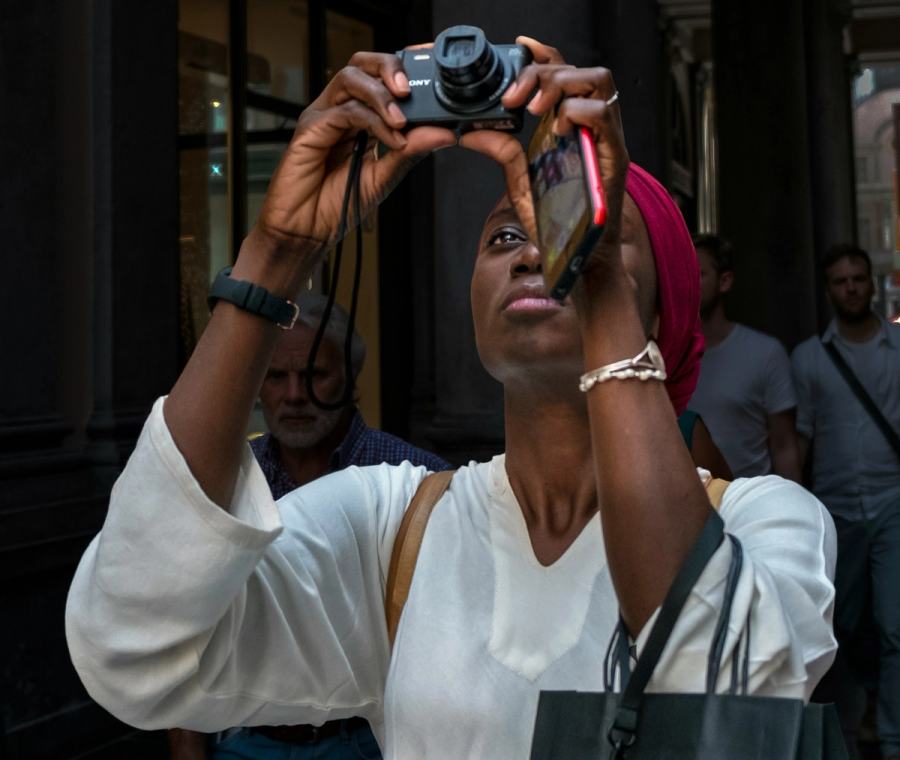
From prank videos and street interviews to viral skits, content creators are turning everyday people into content. But what rights do those individuals have when they are filmed without consent?

As Africa's digital economy booms and content creation becomes a major income source, the clash between creators' freedom and citizens' privacy rights highlights gaps in continental digital rights frameworks. This tension reflects broader questions about how African societies will balance technological innovation with individual protections in an increasingly connected world.
When the Camera Turns to Us: Content Creation's Privacy Paradox Across Africa
The explosion of digital content creation across Africa has democratized storytelling in unprecedented ways, transforming ordinary citizens into viral sensations and everyday spaces into impromptu film sets. From Lagos street corners to Johannesburg shopping centers, content creators armed with smartphones are capturing authentic African narratives that resonate globally. Yet this creative renaissance raises profound questions about consent, dignity, and the commodification of public life that demand urgent continental dialogue.
The tension between creative freedom and individual privacy reflects broader challenges African societies face as they navigate digital transformation. While Western legal frameworks around privacy rights have evolved alongside their media industries, many African countries find themselves grappling with laws written before the smartphone era. This legal lag creates a particularly complex landscape where traditional concepts of public versus private space intersect with new economic realities of content monetization. When a street vendor in Accra becomes the unwitting star of a comedy skit that generates thousands of dollars in ad revenue, fundamental questions emerge about economic justice and informed consent.
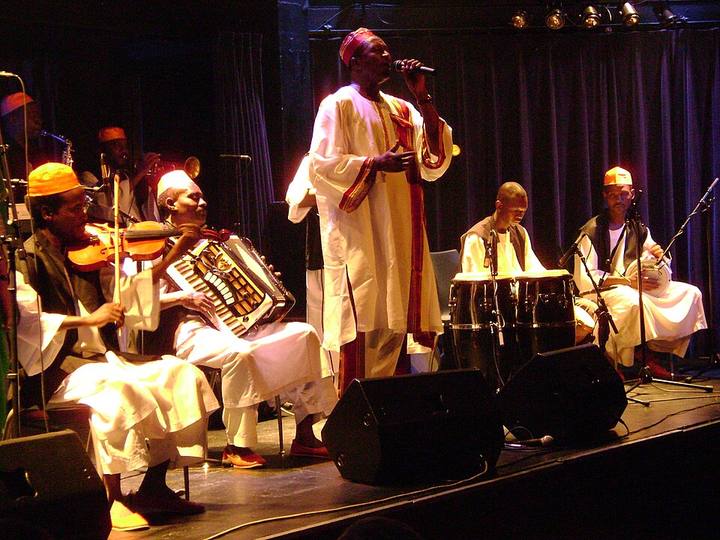
The cultural dimensions of this issue run deeper than legal technicalities. African societies have long-standing traditions around storytelling, community participation, and collective ownership of narratives. The griots of West Africa, the praise singers of Southern Africa, and oral historians across the continent have always understood that stories belong to communities, not just individuals. Modern content creation often disrupts these cultural protocols, extracting personal moments and community interactions for individual gain without the reciprocal relationships that traditionally governed such exchanges.
Perhaps most concerning is how this dynamic can perpetuate existing power imbalances within African societies. When content creators, often from more privileged backgrounds with better access to technology and platforms, film individuals from marginalized communities, the resulting content can reinforce stereotypes or exploit economic desperation for entertainment value. The viral nature of social media means that a moment of vulnerability or poverty can become permanently associated with an individual, potentially affecting their dignity, employment prospects, or social standing long after the content creator has moved on to their next project.
The path forward requires uniquely African solutions that honor both creative innovation and human dignity. This means developing consent frameworks that account for varying levels of digital literacy, establishing revenue-sharing models that ensure subjects benefit from viral content featuring them, and creating community-led guidelines that respect local cultural norms around privacy and representation. African governments, civil society organizations, and platform companies must collaborate to establish standards that protect individual rights while preserving the authentic storytelling that makes African content so compelling.
Rather than simply importing Western privacy models, Africa has the opportunity to lead global conversations about ethical content creation in the digital age. By centering Ubuntu philosophy, the understanding that "I am because we are", in these discussions, the continent can develop frameworks that recognize individual dignity while celebrating the collective spirit that makes African storytelling so powerful. The goal should not be to stifle creativity but to ensure that the benefits and responsibilities of digital storytelling are shared equitably across our communities, creating a more just and sustainable creative economy for all Africans.
READ THE SOURCE REPORT FROM TECHPOINT AFRICA →Enjoying Strata-AF™?
Sign in or sign up for a personalised feed and unlock Strata-AF™ Originals.