--:--LAGOS
CultureMusicFilmTechSportsPoliticsHealthFinanceReligionFashion
politics
Beshasha Is Papered With Abiy Ahmed Posters

Hometown loyalty doing work that national polling cannot.

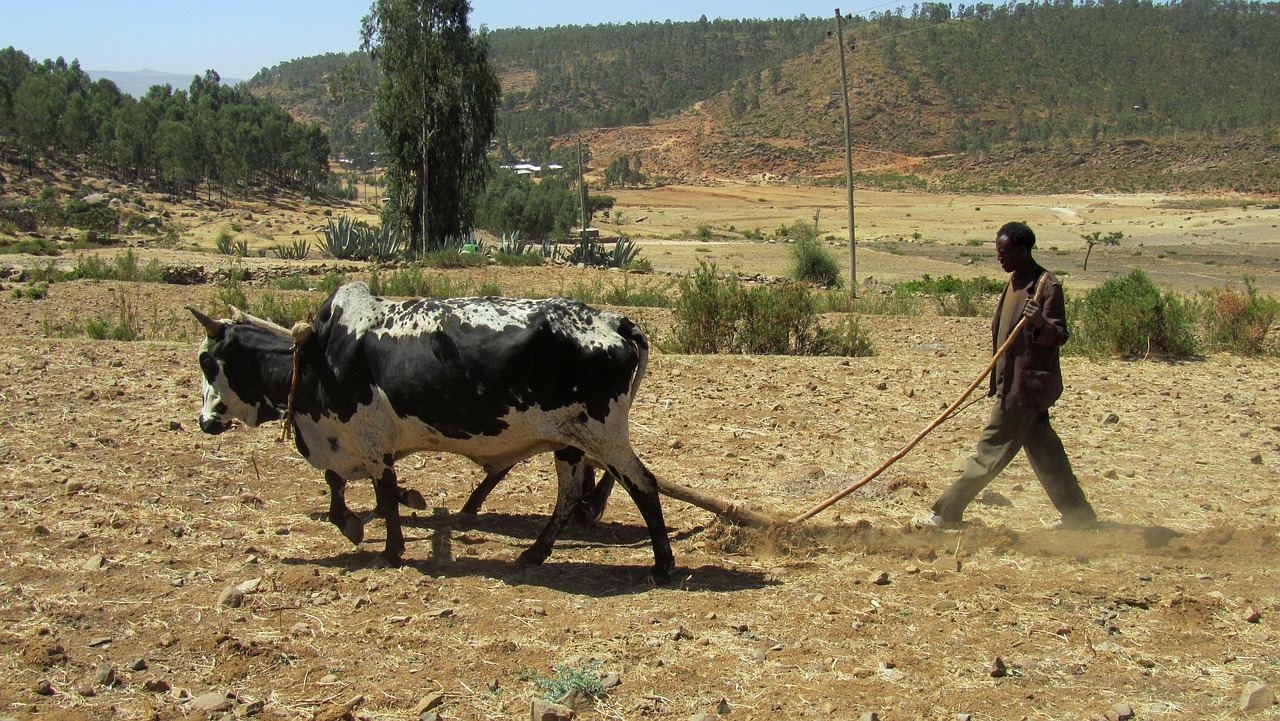
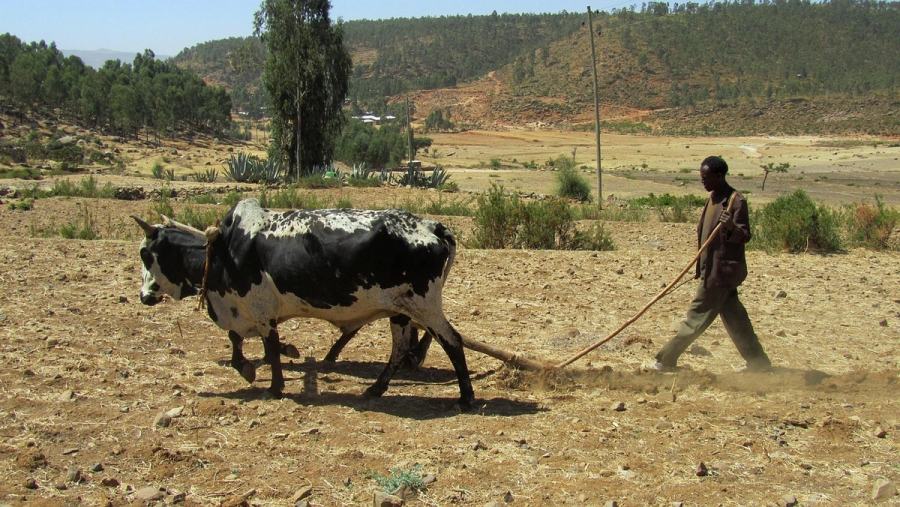
Campaign posters for Abiy Ahmed line the streets of the rural town of Beshasha where he is expected to cast his vote on Monday.
Africanews
Ethiopia3 MIN
From the web · Africanews
Beshasha Is Papered With Abiy Ahmed Posters
IMAGE · PeterW1950 · PIXABAY
STRATA-AF™ ANGLEEDITORIAL SYNTHESIS BY STRATA-AF™

Abiy Ahmed's hometown support reflects the enduring power of local loyalties in African politics, even as his national popularity faces challenges from ethnic tensions and the Tigray conflict. This grassroots backing in rural areas remains crucial for legitimacy in Ethiopia's complex federal system, where regional and ethnic dynamics often outweigh party politics.

The scenes from Beshasha offer a compelling window into the complex dynamics of democratic legitimacy in contemporary Africa, where the relationship between local support and national governance continues to evolve. Prime Minister Abiy Ahmed's strong showing in his hometown reflects a broader pattern across the continent where political leaders often maintain deep roots in their communities of origin, even as they navigate the challenges of governing diverse, multi-ethnic nations. This phenomenon speaks to the enduring importance of place and kinship in African political culture, where traditional forms of solidarity intersect with modern democratic processes in ways that both strengthen and complicate representative governance.

The enthusiastic support visible in Beshasha's streets also highlights the persistent gap between rural and urban political consciousness across Africa. While urban centers often serve as crucibles of political opposition and civil society activism, rural communities frequently maintain stronger ties to incumbent leadership, particularly when those leaders have delivered tangible improvements to local infrastructure and services. This dynamic has profound implications for electoral outcomes across the continent, where rural populations still constitute significant voting blocs despite rapid urbanization trends.

From a Pan-African perspective, Ethiopia's electoral process carries weight far beyond its borders, given the country's role as a continental diplomatic hub and its status as one of Africa's most populous nations. The African Union's headquarters in Addis Ababa means that Ethiopian political stability has direct implications for continental governance initiatives, peace processes, and economic integration efforts. The strong local support for Abiy Ahmed, therefore, represents not just a domestic political phenomenon but a factor in broader African unity and development trajectories.

However, the hometown enthusiasm captured in these campaign scenes also raises important questions about the nature of democratic choice in societies where ethnic and regional identities remain powerful political forces. While such support demonstrates genuine popular backing, it also reflects the challenges facing African democracies in building truly national political movements that transcend local loyalties. The task for leaders like Abiy Ahmed remains translating this local legitimacy into inclusive governance that addresses the aspirations of all citizens, regardless of their regional or ethnic background.

The electoral moment in Ethiopia serves as a reminder that African democracy is still very much a work in progress, shaped by unique historical experiences and cultural contexts that resist easy categorization through Western democratic models. The strong support in Beshasha represents both the promise and the complexity of this ongoing democratic experiment, where traditional forms of political legitimacy continue to interact with modern electoral processes in ways that could ultimately strengthen the continent's democratic foundations.

READ THE SOURCE REPORT FROM AFRICANEWS

Enjoying Strata-AF™?

Sign in or sign up for a personalised feed and unlock Strata-AF™ Originals.
SIGN IN / SIGN UP
--:--LAGOS
STRATA-AF™
ISSUE 001FEED◎ SEARCHSUBSCRIBE
/shows/data/docs
politics
Beshasha Is Papered With Abiy Ahmed Posters
IMAGE · PeterW1950 · PIXABAY
Beshasha Is Papered With Abiy Ahmed Posters

Hometown loyalty doing work that national polling cannot.

Campaign posters for Abiy Ahmed line the streets of the rural town of Beshasha where he is expected to cast his vote on Monday.

Africanews
Ethiopia3 MIN READ
From the web · Africanews
STRATA-AF™ ANGLEEDITORIAL SYNTHESIS BY STRATA-AF™

Abiy Ahmed's hometown support reflects the enduring power of local loyalties in African politics, even as his national popularity faces challenges from ethnic tensions and the Tigray conflict. This grassroots backing in rural areas remains crucial for legitimacy in Ethiopia's complex federal system, where regional and ethnic dynamics often outweigh party politics.

The scenes from Beshasha offer a compelling window into the complex dynamics of democratic legitimacy in contemporary Africa, where the relationship between local support and national governance continues to evolve. Prime Minister Abiy Ahmed's strong showing in his hometown reflects a broader pattern across the continent where political leaders often maintain deep roots in their communities of origin, even as they navigate the challenges of governing diverse, multi-ethnic nations. This phenomenon speaks to the enduring importance of place and kinship in African political culture, where traditional forms of solidarity intersect with modern democratic processes in ways that both strengthen and complicate representative governance.

The enthusiastic support visible in Beshasha's streets also highlights the persistent gap between rural and urban political consciousness across Africa. While urban centers often serve as crucibles of political opposition and civil society activism, rural communities frequently maintain stronger ties to incumbent leadership, particularly when those leaders have delivered tangible improvements to local infrastructure and services. This dynamic has profound implications for electoral outcomes across the continent, where rural populations still constitute significant voting blocs despite rapid urbanization trends.

From a Pan-African perspective, Ethiopia's electoral process carries weight far beyond its borders, given the country's role as a continental diplomatic hub and its status as one of Africa's most populous nations. The African Union's headquarters in Addis Ababa means that Ethiopian political stability has direct implications for continental governance initiatives, peace processes, and economic integration efforts. The strong local support for Abiy Ahmed, therefore, represents not just a domestic political phenomenon but a factor in broader African unity and development trajectories.

However, the hometown enthusiasm captured in these campaign scenes also raises important questions about the nature of democratic choice in societies where ethnic and regional identities remain powerful political forces. While such support demonstrates genuine popular backing, it also reflects the challenges facing African democracies in building truly national political movements that transcend local loyalties. The task for leaders like Abiy Ahmed remains translating this local legitimacy into inclusive governance that addresses the aspirations of all citizens, regardless of their regional or ethnic background.

The electoral moment in Ethiopia serves as a reminder that African democracy is still very much a work in progress, shaped by unique historical experiences and cultural contexts that resist easy categorization through Western democratic models. The strong support in Beshasha represents both the promise and the complexity of this ongoing democratic experiment, where traditional forms of political legitimacy continue to interact with modern electoral processes in ways that could ultimately strengthen the continent's democratic foundations.

READ THE SOURCE REPORT FROM AFRICANEWS

Enjoying Strata-AF™?

Sign in or sign up for a personalised feed and unlock Strata-AF™ Originals.

SIGN IN / SIGN UP
VERTICAL
politics
ORIGIN
Ethiopia
CULTURE · MUSIC · FILM · TECH · SPORT · POLITICS · HEALTH · FINANCE · RELIGION · FASHION · LAGOS · NAIROBI · JOBURG · ACCRA · DATA JOURNALISM · ORIGINAL REPORTING · THE ACTUAL VERSION ·CULTURE · MUSIC · FILM · TECH · SPORT · POLITICS · HEALTH · FINANCE · RELIGION · FASHION · LAGOS · NAIROBI · JOBURG · ACCRA · DATA JOURNALISM · ORIGINAL REPORTING · THE ACTUAL VERSION ·
Premium editorial for a continent that's done waiting to be covered.

Not the export-market version. Not the diaspora version. The actual version — written by the people who live there.

Verticals
CultureMusicFilmTechSportsPolitics
HUBS
Strata-AF OriginalsDataDocsNewsletterArchiveShows
Company
AboutMissionManifestoLegal
REACH
10VERTICALS
6CONTENT TYPES
5CITIES
1STANDARD
© 2026 STRATA-AF™ · STRATA PUBLISHING CO LTD · LAGOS · JOBURG · NAIROBI · ACCRAPRIVACYTERMSCORRECTIONSMASTHEAD
 
 
--:--LAGOS
CultureMusicFilmTechSportsPoliticsHealthFinanceReligionFashion
Highlights
Strata-AF
Editor's Pick
From the web
SPORTSSTRATA-AF™STRATA-AF™ ORIGINAL
WAFCON 2026 Proved African Women's Football Is Ready. The Clubs Aren't.
2 MINREAD →
POLITICSSTRATA-AF™★ EDITOR'S PICK
The Lagos Cancellation Is Not About Tyla Really, Or Is It ?
Pan-African2 MINREAD →
MUSICSTRATA-AF™★ EDITOR'S PICK
Blood, Beats & Betrayal: How Family Killed P-Square
Nigeria2 MINREAD →
MUSICBY THE NUMBERSSTRATA-AF™ ORIGINAL
Where African Artists Earn, Lose, and Get Erased on Stream
Pan-African2 MINREAD →
HEALTHSTRATA-AF™★ EDITOR'S PICK
Uganda Held the Line on Ebola. Here's the Playbook Congo Needs Now
DR Congo2 MINREAD →
MUSICSTRATA-AF™STRATA-AF™ ORIGINAL
Music Is Starving in Sudan: How the RSF Silenced a Generation of Artists
Sudan2 MINREAD →
CULTURESTRATA-AF™★ EDITOR'S PICK
How BBNaija Rewired Nigerian Television And Everything Around It
Lagos, Pan-African2 MINREAD →
FASHIONSTRATA-AF™★ EDITOR'S PICK
Lagos Fashion Week's Green Push Is Either Africa's Best Bet or Its Greenest Greenwash
Pan-African2 MINREAD →
CULTURESTRATA-AF™★ EDITOR'S PICK
Dakar 2026 Is Africa's Olympic Moment
Senegal2 MINREAD →
SPORTSFROM THE WEB★ EDITOR'S PICK
Senegal set to make Olympic history with Dakar 2026 Youth Games
Dakar 2026 breaks a hosting monopoly that has excluded Africa from Olympic stewardship for over a century — the question is what institutional and economic legacy Senegal can extract from the moment.
Senegal1 MIN · Africanews · 25 JULREAD →
See all stories

The actual version — written by the people who live there.

10VERTICALS
6TYPES
5CITIES
1STANDARD
AboutMissionManifestoLegalOriginalsSubscribeArchiveShowsContributorsJobs
© 2026 STRATA-AF™ · STRATA PUBLISHING CO LTD · LAGOS · NAIROBI · JOBURG · ACCRA
 
 
--:--LAGOS
CultureMusicFilmTechSportsPoliticsHealthFinanceReligionFashion
politics
Beshasha Is Papered With Abiy Ahmed Posters

Hometown loyalty doing work that national polling cannot.

Campaign posters for Abiy Ahmed line the streets of the rural town of Beshasha where he is expected to cast his vote on Monday.

Africanews
Ethiopia3 MIN
From the web · Africanews
Beshasha Is Papered With Abiy Ahmed Posters
STRATA-AF™ ANGLEEDITORIAL SYNTHESIS BY STRATA-AF™

Abiy Ahmed's hometown support reflects the enduring power of local loyalties in African politics, even as his national popularity faces challenges from ethnic tensions and the Tigray conflict. This grassroots backing in rural areas remains crucial for legitimacy in Ethiopia's complex federal system, where regional and ethnic dynamics often outweigh party politics.

The scenes from Beshasha offer a compelling window into the complex dynamics of democratic legitimacy in contemporary Africa, where the relationship between local support and national governance continues to evolve. Prime Minister Abiy Ahmed's strong showing in his hometown reflects a broader pattern across the continent where political leaders often maintain deep roots in their communities of origin, even as they navigate the challenges of governing diverse, multi-ethnic nations. This phenomenon speaks to the enduring importance of place and kinship in African political culture, where traditional forms of solidarity intersect with modern democratic processes in ways that both strengthen and complicate representative governance.

The enthusiastic support visible in Beshasha's streets also highlights the persistent gap between rural and urban political consciousness across Africa. While urban centers often serve as crucibles of political opposition and civil society activism, rural communities frequently maintain stronger ties to incumbent leadership, particularly when those leaders have delivered tangible improvements to local infrastructure and services. This dynamic has profound implications for electoral outcomes across the continent, where rural populations still constitute significant voting blocs despite rapid urbanization trends.

From a Pan-African perspective, Ethiopia's electoral process carries weight far beyond its borders, given the country's role as a continental diplomatic hub and its status as one of Africa's most populous nations. The African Union's headquarters in Addis Ababa means that Ethiopian political stability has direct implications for continental governance initiatives, peace processes, and economic integration efforts. The strong local support for Abiy Ahmed, therefore, represents not just a domestic political phenomenon but a factor in broader African unity and development trajectories.

However, the hometown enthusiasm captured in these campaign scenes also raises important questions about the nature of democratic choice in societies where ethnic and regional identities remain powerful political forces. While such support demonstrates genuine popular backing, it also reflects the challenges facing African democracies in building truly national political movements that transcend local loyalties. The task for leaders like Abiy Ahmed remains translating this local legitimacy into inclusive governance that addresses the aspirations of all citizens, regardless of their regional or ethnic background.

The electoral moment in Ethiopia serves as a reminder that African democracy is still very much a work in progress, shaped by unique historical experiences and cultural contexts that resist easy categorization through Western democratic models. The strong support in Beshasha represents both the promise and the complexity of this ongoing democratic experiment, where traditional forms of political legitimacy continue to interact with modern electoral processes in ways that could ultimately strengthen the continent's democratic foundations.

READ THE SOURCE REPORT FROM AFRICANEWS

Enjoying Strata-AF™?

Sign in or sign up for a personalised feed and unlock Strata-AF™ Originals.

SIGN IN / SIGN UP
--:--LAGOS
/shows/data/docs
politics
Beshasha Is Papered With Abiy Ahmed Posters
IMAGE · PeterW1950 · PIXABAY
Beshasha Is Papered With Abiy Ahmed Posters

Hometown loyalty doing work that national polling cannot.

Campaign posters for Abiy Ahmed line the streets of the rural town of Beshasha where he is expected to cast his vote on Monday.

Africanews
Ethiopia3 MIN READ
From the web · Africanews
STRATA-AF™ ANGLEEDITORIAL SYNTHESIS BY STRATA-AF™

Abiy Ahmed's hometown support reflects the enduring power of local loyalties in African politics, even as his national popularity faces challenges from ethnic tensions and the Tigray conflict. This grassroots backing in rural areas remains crucial for legitimacy in Ethiopia's complex federal system, where regional and ethnic dynamics often outweigh party politics.

The scenes from Beshasha offer a compelling window into the complex dynamics of democratic legitimacy in contemporary Africa, where the relationship between local support and national governance continues to evolve. Prime Minister Abiy Ahmed's strong showing in his hometown reflects a broader pattern across the continent where political leaders often maintain deep roots in their communities of origin, even as they navigate the challenges of governing diverse, multi-ethnic nations. This phenomenon speaks to the enduring importance of place and kinship in African political culture, where traditional forms of solidarity intersect with modern democratic processes in ways that both strengthen and complicate representative governance.

The enthusiastic support visible in Beshasha's streets also highlights the persistent gap between rural and urban political consciousness across Africa. While urban centers often serve as crucibles of political opposition and civil society activism, rural communities frequently maintain stronger ties to incumbent leadership, particularly when those leaders have delivered tangible improvements to local infrastructure and services. This dynamic has profound implications for electoral outcomes across the continent, where rural populations still constitute significant voting blocs despite rapid urbanization trends.

From a Pan-African perspective, Ethiopia's electoral process carries weight far beyond its borders, given the country's role as a continental diplomatic hub and its status as one of Africa's most populous nations. The African Union's headquarters in Addis Ababa means that Ethiopian political stability has direct implications for continental governance initiatives, peace processes, and economic integration efforts. The strong local support for Abiy Ahmed, therefore, represents not just a domestic political phenomenon but a factor in broader African unity and development trajectories.

However, the hometown enthusiasm captured in these campaign scenes also raises important questions about the nature of democratic choice in societies where ethnic and regional identities remain powerful political forces. While such support demonstrates genuine popular backing, it also reflects the challenges facing African democracies in building truly national political movements that transcend local loyalties. The task for leaders like Abiy Ahmed remains translating this local legitimacy into inclusive governance that addresses the aspirations of all citizens, regardless of their regional or ethnic background.

The electoral moment in Ethiopia serves as a reminder that African democracy is still very much a work in progress, shaped by unique historical experiences and cultural contexts that resist easy categorization through Western democratic models. The strong support in Beshasha represents both the promise and the complexity of this ongoing democratic experiment, where traditional forms of political legitimacy continue to interact with modern electoral processes in ways that could ultimately strengthen the continent's democratic foundations.

READ THE SOURCE REPORT FROM AFRICANEWS

Enjoying Strata-AF™?

Sign in or sign up for a personalised feed and unlock Strata-AF™ Originals.

SIGN IN / SIGN UP
VERTICAL
politics
ORIGIN
Ethiopia
CULTURE · MUSIC · FILM · TECH · SPORT · POLITICS · HEALTH · FINANCE · RELIGION · FASHION · LAGOS · NAIROBI · JOBURG · ACCRA · DATA JOURNALISM · ORIGINAL REPORTING · THE ACTUAL VERSION ·CULTURE · MUSIC · FILM · TECH · SPORT · POLITICS · HEALTH · FINANCE · RELIGION · FASHION · LAGOS · NAIROBI · JOBURG · ACCRA · DATA JOURNALISM · ORIGINAL REPORTING · THE ACTUAL VERSION ·
Premium editorial for a continent that's done waiting to be covered.

Not the export-market version. Not the diaspora version. The actual version — written by the people who live there.

Verticals
CultureMusicFilmTechSportsPolitics
HUBS
Strata-AF OriginalsDataDocsNewsletterArchiveShows
Company
AboutMissionManifestoLegal
REACH
10VERTICALS
6CONTENT TYPES
5CITIES
1STANDARD
© 2026 STRATA-AF™ · STRATA PUBLISHING CO LTD · LAGOS · JOBURG · NAIROBI · ACCRAPRIVACYTERMSCORRECTIONSMASTHEAD