--:--LAGOS
CultureMusicFilmTechSportsPoliticsHealthFinanceReligionFashion
health
DR Congo seek World Cup ticket refunds after Ebola outbreak

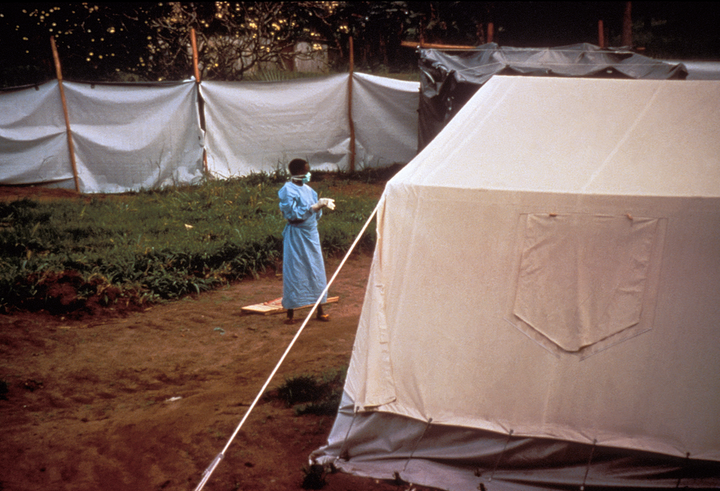
DR Congo fans hoping to watch their side's return to the World Cup face a major hurdle as the US imposes travel restrictions following the latest Ebola outbreak.

DR Congo3 MIN · 27 MAY 2026
From the web · BBC
COVER 16:9
STRATA-AF™ ANGLEEDITORIAL SYNTHESIS BY STRATA-AF™

The US travel ban on DR Congo nationals reveals how African health crises become weapons of exclusion, denying Congolese fans the chance to witness their team's historic World Cup return after missing five tournaments. While American stadiums welcome supporters from nations with far worse public health records, Congo's football faithful are punished for an outbreak that hasn't even been declared an international emergency. This isn't about health protocol. It's about which passports the world decides matter when dreams collide with discriminatory borders.

The latest Ebola outbreak in the Democratic Republic of Congo has once again exposed the cruel intersection of global health emergencies and African representation on the world stage. As Congolese football supporters find themselves barred from witnessing their national team's historic World Cup return due to US travel restrictions, we witness a familiar pattern of continental isolation that transcends mere health policy. This moment crystallizes how Africa's persistent health challenges become instruments of exclusion, denying Africans the fundamental right to celebrate their achievements alongside the global community.

The irony is particularly sharp given football's role as one of Africa's most potent forms of soft power and cultural diplomacy. The DR Congo's qualification for the World Cup represents not just sporting excellence but a moment of national pride for a country that has endured decades of conflict and instability. Yet the very supporters who sustained their team through qualifying campaigns across African stadiums now face the bitter reality of watching from afar, their celebration muted by epidemiological fears that, while legitimate, effectively criminalize an entire population based on geography rather than individual health status.

This incident illuminates the broader structural inequalities that govern global mobility and African agency. While wealthy nations can swiftly deploy resources to contain health threats within their borders, African countries like the DR Congo often struggle with inadequate healthcare infrastructure, making outbreaks both more likely and more difficult to contain. The subsequent travel restrictions then compound these vulnerabilities, creating a cycle where Africa's health challenges become justification for its continued marginalization from global events and opportunities.

The World Cup, marketed as a celebration of global unity through sport, becomes instead a stark reminder of the conditional nature of African inclusion in international affairs. When African teams qualify for major tournaments, their success is often celebrated as a triumph of the human spirit over adversity. Yet when adversity takes the form of public health emergencies, that same spirit is deemed a risk to be contained rather than a force to be celebrated. The message is clear: Africa is welcome on the global stage only when it poses no perceived threat to established powers.

What makes this situation particularly troubling is how it normalizes the exclusion of African voices from spaces where their presence should be guaranteed. Football transcends national boundaries precisely because it offers a rare platform where merit, not geopolitics, determines participation. When health emergencies are used to selectively exclude African populations from these spaces, it undermines the very universality that makes such events meaningful. The DR Congo's fans are not just losing access to a football match; they are being denied their right to participate in a global celebration of their own team's achievements.

Moving forward, this incident should prompt serious reflection about how international health protocols can be implemented without perpetuating discriminatory exclusion. Africa's health challenges are real and require sustained global attention and resources, but the solution cannot be the systematic isolation of African populations from international events. Instead, it demands investment in continental healthcare infrastructure, equitable access to medical resources, and protocols that protect public health without criminalizing African mobility. Only then can Africa's sporting triumphs be celebrated as truly global moments of joy rather than bittersweet reminders of the continent's conditional acceptance on the world stage.

READ THE SOURCE REPORT FROM BBC

Enjoying Strata-AF™?

Sign in or sign up for a personalised feed and unlock Strata-AF™ Originals.
SIGN IN / SIGN UP
READ NEXT
PHOTO
HEALTHAllAfrica
FIFA Clears the Leopards, and the Double Standard Shows
Kampala, Uganda1 MINREAD →
PHOTO
HEALTHBBC
DR Congo cancels World Cup training camp over Ebola outbreak
DR Congo1 MINREAD →
--:--LAGOS
STRATA-AF™
ISSUE 001FEED◎ SEARCHSUBSCRIBE
/shows/data/docs
health
DR Congo seek World Cup ticket refunds after Ebola outbreak

DR Congo fans hoping to watch their side's return to the World Cup face a major hurdle as the US imposes travel restrictions following the latest Ebola outbreak.

DR Congo3 MIN READ · 27 MAY 2026
From the web · BBC
STRATA-AF™ ANGLEEDITORIAL SYNTHESIS BY STRATA-AF™

The US travel ban on DR Congo nationals reveals how African health crises become weapons of exclusion, denying Congolese fans the chance to witness their team's historic World Cup return after missing five tournaments. While American stadiums welcome supporters from nations with far worse public health records, Congo's football faithful are punished for an outbreak that hasn't even been declared an international emergency. This isn't about health protocol. It's about which passports the world decides matter when dreams collide with discriminatory borders.

The latest Ebola outbreak in the Democratic Republic of Congo has once again exposed the cruel intersection of global health emergencies and African representation on the world stage. As Congolese football supporters find themselves barred from witnessing their national team's historic World Cup return due to US travel restrictions, we witness a familiar pattern of continental isolation that transcends mere health policy. This moment crystallizes how Africa's persistent health challenges become instruments of exclusion, denying Africans the fundamental right to celebrate their achievements alongside the global community.

The irony is particularly sharp given football's role as one of Africa's most potent forms of soft power and cultural diplomacy. The DR Congo's qualification for the World Cup represents not just sporting excellence but a moment of national pride for a country that has endured decades of conflict and instability. Yet the very supporters who sustained their team through qualifying campaigns across African stadiums now face the bitter reality of watching from afar, their celebration muted by epidemiological fears that, while legitimate, effectively criminalize an entire population based on geography rather than individual health status.

This incident illuminates the broader structural inequalities that govern global mobility and African agency. While wealthy nations can swiftly deploy resources to contain health threats within their borders, African countries like the DR Congo often struggle with inadequate healthcare infrastructure, making outbreaks both more likely and more difficult to contain. The subsequent travel restrictions then compound these vulnerabilities, creating a cycle where Africa's health challenges become justification for its continued marginalization from global events and opportunities.

The World Cup, marketed as a celebration of global unity through sport, becomes instead a stark reminder of the conditional nature of African inclusion in international affairs. When African teams qualify for major tournaments, their success is often celebrated as a triumph of the human spirit over adversity. Yet when adversity takes the form of public health emergencies, that same spirit is deemed a risk to be contained rather than a force to be celebrated. The message is clear: Africa is welcome on the global stage only when it poses no perceived threat to established powers.

What makes this situation particularly troubling is how it normalizes the exclusion of African voices from spaces where their presence should be guaranteed. Football transcends national boundaries precisely because it offers a rare platform where merit, not geopolitics, determines participation. When health emergencies are used to selectively exclude African populations from these spaces, it undermines the very universality that makes such events meaningful. The DR Congo's fans are not just losing access to a football match; they are being denied their right to participate in a global celebration of their own team's achievements.

Moving forward, this incident should prompt serious reflection about how international health protocols can be implemented without perpetuating discriminatory exclusion. Africa's health challenges are real and require sustained global attention and resources, but the solution cannot be the systematic isolation of African populations from international events. Instead, it demands investment in continental healthcare infrastructure, equitable access to medical resources, and protocols that protect public health without criminalizing African mobility. Only then can Africa's sporting triumphs be celebrated as truly global moments of joy rather than bittersweet reminders of the continent's conditional acceptance on the world stage.

READ THE SOURCE REPORT FROM BBC

Enjoying Strata-AF™?

Sign in or sign up for a personalised feed and unlock Strata-AF™ Originals.

SIGN IN / SIGN UP
VERTICAL
health
ORIGIN
DR Congo
PUBLISHED
27 MAY 2026
NO COVER SET
READ NEXT2 PIECES SELECTED BY OUR EDITORS
HEALTH
PHOTO
FIFA Clears the Leopards, and the Double Standard Shows
The protocols worked. Panic about African outbreaks rarely waits for protocols.
Kampala, Uganda1 MINREAD →
HEALTH
PHOTO
DR Congo cancels World Cup training camp over Ebola outbreak
The outbreak, caused by a rare Ebola species, is thought to have caused 139 deaths so far.
DR Congo1 MINREAD →
CULTURE · MUSIC · FILM · TECH · SPORT · POLITICS · HEALTH · FINANCE · RELIGION · FASHION · LAGOS · NAIROBI · JOBURG · ACCRA · DATA JOURNALISM · ORIGINAL REPORTING · THE ACTUAL VERSION ·CULTURE · MUSIC · FILM · TECH · SPORT · POLITICS · HEALTH · FINANCE · RELIGION · FASHION · LAGOS · NAIROBI · JOBURG · ACCRA · DATA JOURNALISM · ORIGINAL REPORTING · THE ACTUAL VERSION ·
Premium editorial for a continent that's done waiting to be covered.

Not the export-market version. Not the diaspora version. The actual version — written by the people who live there.

Verticals
CultureMusicFilmTechSportsPolitics
HUBS
Strata-AF OriginalsDataDocsNewsletterArchiveShows
Company
AboutMissionManifestoLegal
REACH
10VERTICALS
6CONTENT TYPES
5CITIES
1STANDARD
© 2026 STRATA-AF™ · STRATA PUBLISHING CO LTD · LAGOS · JOBURG · NAIROBI · ACCRAPRIVACYTERMSCORRECTIONSMASTHEAD
 
 
--:--LAGOS
CultureMusicFilmTechSportsPoliticsHealthFinanceReligionFashion
Highlights
Strata-AF
Editor's Pick
From the web
SPORTSSTRATA-AF™STRATA-AF™ ORIGINAL
WAFCON 2026 Proved African Women's Football Is Ready. The Clubs Aren't.
2 MINREAD →
POLITICSSTRATA-AF™★ EDITOR'S PICK
The Lagos Cancellation Is Not About Tyla Really, Or Is It ?
Pan-African2 MINREAD →
MUSICSTRATA-AF™★ EDITOR'S PICK
Blood, Beats & Betrayal: How Family Killed P-Square
Nigeria2 MINREAD →
MUSICBY THE NUMBERSSTRATA-AF™ ORIGINAL
Where African Artists Earn, Lose, and Get Erased on Stream
Pan-African2 MINREAD →
HEALTHSTRATA-AF™★ EDITOR'S PICK
Uganda Held the Line on Ebola. Here's the Playbook Congo Needs Now
DR Congo2 MINREAD →
MUSICSTRATA-AF™STRATA-AF™ ORIGINAL
Music Is Starving in Sudan: How the RSF Silenced a Generation of Artists
Sudan2 MINREAD →
CULTURESTRATA-AF™★ EDITOR'S PICK
How BBNaija Rewired Nigerian Television And Everything Around It
Lagos, Pan-African2 MINREAD →
FASHIONSTRATA-AF™★ EDITOR'S PICK
Lagos Fashion Week's Green Push Is Either Africa's Best Bet or Its Greenest Greenwash
Pan-African2 MINREAD →
CULTURESTRATA-AF™★ EDITOR'S PICK
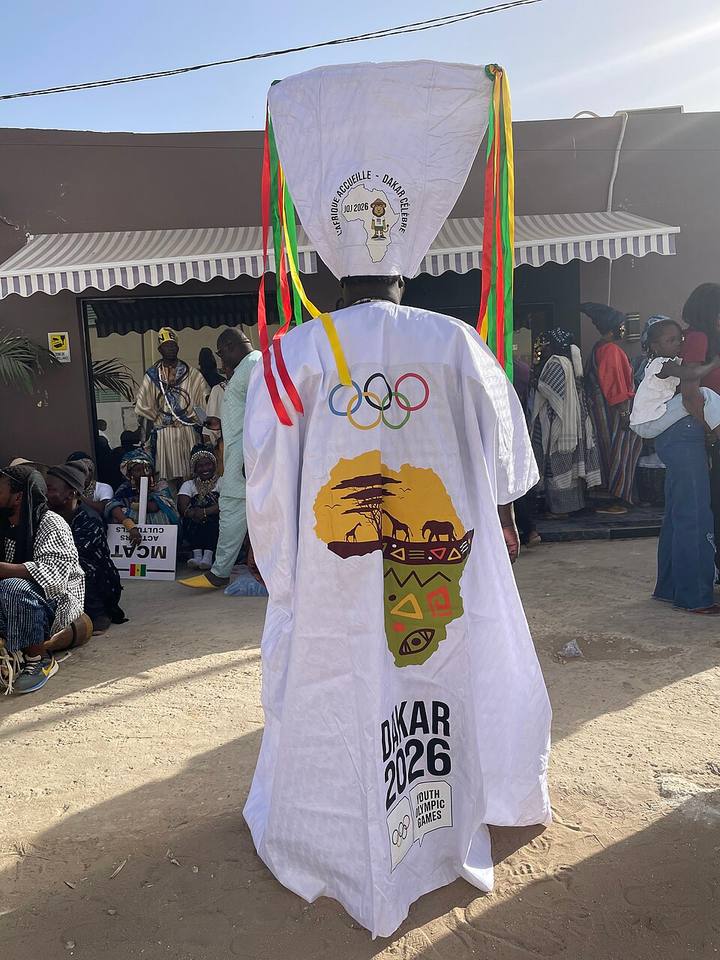
Dakar 2026 Is Africa's Olympic Moment
Senegal2 MINREAD →
SPORTSFROM THE WEB★ EDITOR'S PICK
Senegal set to make Olympic history with Dakar 2026 Youth Games
Dakar 2026 breaks a hosting monopoly that has excluded Africa from Olympic stewardship for over a century — the question is what institutional and economic legacy Senegal can extract from the moment.
Senegal1 MIN · Africanews · 25 JULREAD →
See all stories

The actual version — written by the people who live there.

10VERTICALS
6TYPES
5CITIES
1STANDARD
AboutMissionManifestoLegalOriginalsSubscribeArchiveShowsContributorsJobs
© 2026 STRATA-AF™ · STRATA PUBLISHING CO LTD · LAGOS · NAIROBI · JOBURG · ACCRA
 
 
--:--LAGOS
CultureMusicFilmTechSportsPoliticsHealthFinanceReligionFashion
health
DR Congo seek World Cup ticket refunds after Ebola outbreak

DR Congo fans hoping to watch their side's return to the World Cup face a major hurdle as the US imposes travel restrictions following the latest Ebola outbreak.

DR Congo3 MIN · 27 MAY 2026
From the web · BBC
COVER 16:9
STRATA-AF™ ANGLEEDITORIAL SYNTHESIS BY STRATA-AF™

The US travel ban on DR Congo nationals reveals how African health crises become weapons of exclusion, denying Congolese fans the chance to witness their team's historic World Cup return after missing five tournaments. While American stadiums welcome supporters from nations with far worse public health records, Congo's football faithful are punished for an outbreak that hasn't even been declared an international emergency. This isn't about health protocol. It's about which passports the world decides matter when dreams collide with discriminatory borders.

The latest Ebola outbreak in the Democratic Republic of Congo has once again exposed the cruel intersection of global health emergencies and African representation on the world stage. As Congolese football supporters find themselves barred from witnessing their national team's historic World Cup return due to US travel restrictions, we witness a familiar pattern of continental isolation that transcends mere health policy. This moment crystallizes how Africa's persistent health challenges become instruments of exclusion, denying Africans the fundamental right to celebrate their achievements alongside the global community.

The irony is particularly sharp given football's role as one of Africa's most potent forms of soft power and cultural diplomacy. The DR Congo's qualification for the World Cup represents not just sporting excellence but a moment of national pride for a country that has endured decades of conflict and instability. Yet the very supporters who sustained their team through qualifying campaigns across African stadiums now face the bitter reality of watching from afar, their celebration muted by epidemiological fears that, while legitimate, effectively criminalize an entire population based on geography rather than individual health status.

This incident illuminates the broader structural inequalities that govern global mobility and African agency. While wealthy nations can swiftly deploy resources to contain health threats within their borders, African countries like the DR Congo often struggle with inadequate healthcare infrastructure, making outbreaks both more likely and more difficult to contain. The subsequent travel restrictions then compound these vulnerabilities, creating a cycle where Africa's health challenges become justification for its continued marginalization from global events and opportunities.

The World Cup, marketed as a celebration of global unity through sport, becomes instead a stark reminder of the conditional nature of African inclusion in international affairs. When African teams qualify for major tournaments, their success is often celebrated as a triumph of the human spirit over adversity. Yet when adversity takes the form of public health emergencies, that same spirit is deemed a risk to be contained rather than a force to be celebrated. The message is clear: Africa is welcome on the global stage only when it poses no perceived threat to established powers.

What makes this situation particularly troubling is how it normalizes the exclusion of African voices from spaces where their presence should be guaranteed. Football transcends national boundaries precisely because it offers a rare platform where merit, not geopolitics, determines participation. When health emergencies are used to selectively exclude African populations from these spaces, it undermines the very universality that makes such events meaningful. The DR Congo's fans are not just losing access to a football match; they are being denied their right to participate in a global celebration of their own team's achievements.

Moving forward, this incident should prompt serious reflection about how international health protocols can be implemented without perpetuating discriminatory exclusion. Africa's health challenges are real and require sustained global attention and resources, but the solution cannot be the systematic isolation of African populations from international events. Instead, it demands investment in continental healthcare infrastructure, equitable access to medical resources, and protocols that protect public health without criminalizing African mobility. Only then can Africa's sporting triumphs be celebrated as truly global moments of joy rather than bittersweet reminders of the continent's conditional acceptance on the world stage.

READ THE SOURCE REPORT FROM BBC

Enjoying Strata-AF™?

Sign in or sign up for a personalised feed and unlock Strata-AF™ Originals.

SIGN IN / SIGN UP
READ NEXT
--:--LAGOS
/shows/data/docs
health
DR Congo seek World Cup ticket refunds after Ebola outbreak

DR Congo fans hoping to watch their side's return to the World Cup face a major hurdle as the US imposes travel restrictions following the latest Ebola outbreak.

DR Congo3 MIN READ · 27 MAY 2026
From the web · BBC
STRATA-AF™ ANGLEEDITORIAL SYNTHESIS BY STRATA-AF™

The US travel ban on DR Congo nationals reveals how African health crises become weapons of exclusion, denying Congolese fans the chance to witness their team's historic World Cup return after missing five tournaments. While American stadiums welcome supporters from nations with far worse public health records, Congo's football faithful are punished for an outbreak that hasn't even been declared an international emergency. This isn't about health protocol. It's about which passports the world decides matter when dreams collide with discriminatory borders.

The latest Ebola outbreak in the Democratic Republic of Congo has once again exposed the cruel intersection of global health emergencies and African representation on the world stage. As Congolese football supporters find themselves barred from witnessing their national team's historic World Cup return due to US travel restrictions, we witness a familiar pattern of continental isolation that transcends mere health policy. This moment crystallizes how Africa's persistent health challenges become instruments of exclusion, denying Africans the fundamental right to celebrate their achievements alongside the global community.

The irony is particularly sharp given football's role as one of Africa's most potent forms of soft power and cultural diplomacy. The DR Congo's qualification for the World Cup represents not just sporting excellence but a moment of national pride for a country that has endured decades of conflict and instability. Yet the very supporters who sustained their team through qualifying campaigns across African stadiums now face the bitter reality of watching from afar, their celebration muted by epidemiological fears that, while legitimate, effectively criminalize an entire population based on geography rather than individual health status.

This incident illuminates the broader structural inequalities that govern global mobility and African agency. While wealthy nations can swiftly deploy resources to contain health threats within their borders, African countries like the DR Congo often struggle with inadequate healthcare infrastructure, making outbreaks both more likely and more difficult to contain. The subsequent travel restrictions then compound these vulnerabilities, creating a cycle where Africa's health challenges become justification for its continued marginalization from global events and opportunities.

The World Cup, marketed as a celebration of global unity through sport, becomes instead a stark reminder of the conditional nature of African inclusion in international affairs. When African teams qualify for major tournaments, their success is often celebrated as a triumph of the human spirit over adversity. Yet when adversity takes the form of public health emergencies, that same spirit is deemed a risk to be contained rather than a force to be celebrated. The message is clear: Africa is welcome on the global stage only when it poses no perceived threat to established powers.

What makes this situation particularly troubling is how it normalizes the exclusion of African voices from spaces where their presence should be guaranteed. Football transcends national boundaries precisely because it offers a rare platform where merit, not geopolitics, determines participation. When health emergencies are used to selectively exclude African populations from these spaces, it undermines the very universality that makes such events meaningful. The DR Congo's fans are not just losing access to a football match; they are being denied their right to participate in a global celebration of their own team's achievements.

Moving forward, this incident should prompt serious reflection about how international health protocols can be implemented without perpetuating discriminatory exclusion. Africa's health challenges are real and require sustained global attention and resources, but the solution cannot be the systematic isolation of African populations from international events. Instead, it demands investment in continental healthcare infrastructure, equitable access to medical resources, and protocols that protect public health without criminalizing African mobility. Only then can Africa's sporting triumphs be celebrated as truly global moments of joy rather than bittersweet reminders of the continent's conditional acceptance on the world stage.

READ THE SOURCE REPORT FROM BBC

Enjoying Strata-AF™?

Sign in or sign up for a personalised feed and unlock Strata-AF™ Originals.
SIGN IN / SIGN UP
VERTICAL
health
ORIGIN
DR Congo
PUBLISHED
27 MAY 2026
NO COVER SET
READ NEXT2 PIECES SELECTED BY OUR EDITORS
CULTURE · MUSIC · FILM · TECH · SPORT · POLITICS · HEALTH · FINANCE · RELIGION · FASHION · LAGOS · NAIROBI · JOBURG · ACCRA · DATA JOURNALISM · ORIGINAL REPORTING · THE ACTUAL VERSION ·CULTURE · MUSIC · FILM · TECH · SPORT · POLITICS · HEALTH · FINANCE · RELIGION · FASHION · LAGOS · NAIROBI · JOBURG · ACCRA · DATA JOURNALISM · ORIGINAL REPORTING · THE ACTUAL VERSION ·
Premium editorial for a continent that's done waiting to be covered.

Not the export-market version. Not the diaspora version. The actual version — written by the people who live there.

Verticals
CultureMusicFilmTechSportsPolitics
HUBS
Strata-AF OriginalsDataDocsNewsletterArchiveShows
Company
AboutMissionManifestoLegal
REACH
10VERTICALS
6CONTENT TYPES
5CITIES
1STANDARD
© 2026 STRATA-AF™ · STRATA PUBLISHING CO LTD · LAGOS · JOBURG · NAIROBI · ACCRAPRIVACYTERMSCORRECTIONSMASTHEAD