--:--LAGOS
CultureMusicFilmTechSportsPoliticsHealthFinanceReligionFashion
politics
DR Congo Court Sentences 54 to Death for Murder of UN Experts

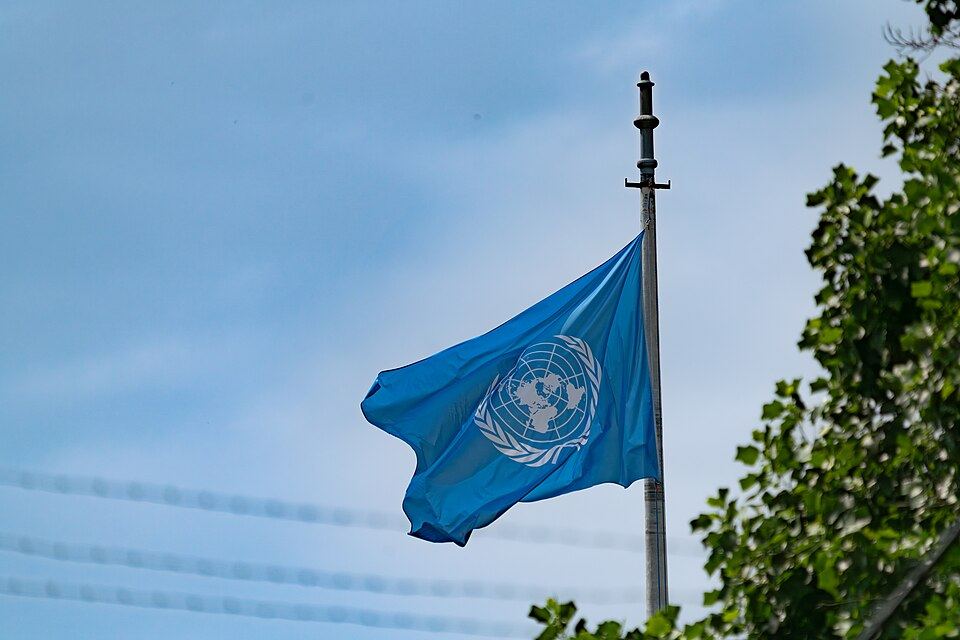
The Democratic Republic of Congo's High Military Court has delivered its final verdict nearly nine years after the killing of two United Nations experts. Fifty-four individuals have been sentenced to death in connection with the murders.
DR Congo2 MIN
From the web · Africanews
DR Congo Court Sentences 54 to Death for Murder of UN Experts
IMAGE · Tony Webster · CC BY 2.0 · Wikimedia Commons
STRATA-AF™ ANGLEEDITORIAL SYNTHESIS BY STRATA-AF™

This verdict highlights the ongoing challenges facing international peacekeeping efforts across Central Africa, where UN personnel continue to operate in high-risk environments. The lengthy legal process underscores the complexities of seeking justice in conflict zones while demonstrating the DRC's commitment to accountability for crimes against international workers.

The Democratic Republic of Congo's High Military Court has concluded one of the most significant international justice cases in recent African history, sentencing 54 individuals to death for the 2017 murders of UN experts Michael Sharp and Zaida Catalán. This verdict, delivered nearly nine years after the killings, represents a critical moment for accountability in a region where impunity for violence against international personnel has long been the norm.

The case highlights the dangerous conditions facing UN personnel and investigators working across Central Africa, particularly in conflict zones where state authority remains fragmented. Sharp, an American sanctions monitor, and Catalán, a Swedish human rights lawyer, were investigating mass graves and recruitment of child soldiers in the volatile Kasai region when they were abducted and killed. Their deaths exposed the risks inherent in international peacekeeping and human rights work in areas controlled by armed groups.

While the death sentences signal Congo's commitment to addressing the murders, questions remain about the broader systemic issues that enabled these killings. The Kasai conflict, which erupted following the death of traditional leader Kamwina Nsapu, displaced over 1.4 million people and was marked by widespread human rights violations. The UN experts' investigation threatened to expose the scale of atrocities committed by various actors, including state forces and militia groups.

The verdict arrives at a time when the DRC faces multiple security challenges, from M23 insurgency in the east to ongoing instability in various provinces. The international community's response to this case will likely influence future UN operations in the region and could set precedents for protecting international personnel in conflict zones across Africa.

Beyond immediate justice concerns, this case underscores the need for stronger regional mechanisms to protect human rights investigators and peacekeepers. As Africa continues to host numerous UN missions and international observers, ensuring their safety remains paramount for maintaining international engagement in conflict resolution and human rights monitoring across the continent.

READ THE SOURCE REPORT FROM AFRICANEWS

Enjoying Strata-AF™?

Sign in or sign up for a personalised feed and unlock Strata-AF™ Originals.
SIGN IN / SIGN UP
--:--LAGOS
STRATA-AF™
ISSUE 001FEED◎ SEARCHSUBSCRIBE
/shows/data/docs
politics
DR Congo Court Sentences 54 to Death for Murder of UN Experts
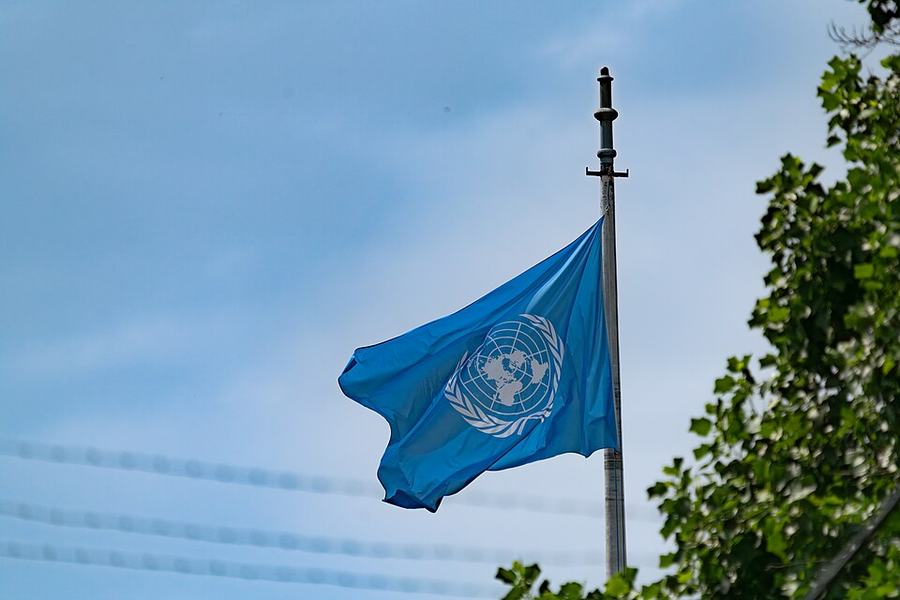
IMAGE · Tony Webster · CC BY 2.0 · Wikimedia Commons
DR Congo Court Sentences 54 to Death for Murder of UN Experts

The Democratic Republic of Congo's High Military Court has delivered its final verdict nearly nine years after the killing of two United Nations experts. Fifty-four individuals have been sentenced to death in connection with the murders.

DR Congo2 MIN READ
From the web · Africanews
STRATA-AF™ ANGLEEDITORIAL SYNTHESIS BY STRATA-AF™

This verdict highlights the ongoing challenges facing international peacekeeping efforts across Central Africa, where UN personnel continue to operate in high-risk environments. The lengthy legal process underscores the complexities of seeking justice in conflict zones while demonstrating the DRC's commitment to accountability for crimes against international workers.

The Democratic Republic of Congo's High Military Court has concluded one of the most significant international justice cases in recent African history, sentencing 54 individuals to death for the 2017 murders of UN experts Michael Sharp and Zaida Catalán. This verdict, delivered nearly nine years after the killings, represents a critical moment for accountability in a region where impunity for violence against international personnel has long been the norm.

The case highlights the dangerous conditions facing UN personnel and investigators working across Central Africa, particularly in conflict zones where state authority remains fragmented. Sharp, an American sanctions monitor, and Catalán, a Swedish human rights lawyer, were investigating mass graves and recruitment of child soldiers in the volatile Kasai region when they were abducted and killed. Their deaths exposed the risks inherent in international peacekeeping and human rights work in areas controlled by armed groups.

While the death sentences signal Congo's commitment to addressing the murders, questions remain about the broader systemic issues that enabled these killings. The Kasai conflict, which erupted following the death of traditional leader Kamwina Nsapu, displaced over 1.4 million people and was marked by widespread human rights violations. The UN experts' investigation threatened to expose the scale of atrocities committed by various actors, including state forces and militia groups.

The verdict arrives at a time when the DRC faces multiple security challenges, from M23 insurgency in the east to ongoing instability in various provinces. The international community's response to this case will likely influence future UN operations in the region and could set precedents for protecting international personnel in conflict zones across Africa.

Beyond immediate justice concerns, this case underscores the need for stronger regional mechanisms to protect human rights investigators and peacekeepers. As Africa continues to host numerous UN missions and international observers, ensuring their safety remains paramount for maintaining international engagement in conflict resolution and human rights monitoring across the continent.

READ THE SOURCE REPORT FROM AFRICANEWS

Enjoying Strata-AF™?

Sign in or sign up for a personalised feed and unlock Strata-AF™ Originals.

SIGN IN / SIGN UP
VERTICAL
politics
ORIGIN
DR Congo
CULTURE · MUSIC · FILM · TECH · SPORT · POLITICS · HEALTH · FINANCE · RELIGION · FASHION · LAGOS · NAIROBI · JOBURG · ACCRA · DATA JOURNALISM · ORIGINAL REPORTING · THE ACTUAL VERSION ·CULTURE · MUSIC · FILM · TECH · SPORT · POLITICS · HEALTH · FINANCE · RELIGION · FASHION · LAGOS · NAIROBI · JOBURG · ACCRA · DATA JOURNALISM · ORIGINAL REPORTING · THE ACTUAL VERSION ·
Premium editorial for a continent that's done waiting to be covered.

Not the export-market version. Not the diaspora version. The actual version — written by the people who live there.

Verticals
CultureMusicFilmTechSportsPolitics
HUBS
Strata-AF OriginalsDataDocsNewsletterArchiveShows
Company
AboutMissionManifestoLegal
REACH
10VERTICALS
6CONTENT TYPES
5CITIES
1STANDARD
© 2026 STRATA-AF™ · STRATA PUBLISHING CO LTD · LAGOS · JOBURG · NAIROBI · ACCRAPRIVACYTERMSCORRECTIONSMASTHEAD
 
 
--:--LAGOS
CultureMusicFilmTechSportsPoliticsHealthFinanceReligionFashion
Highlights
Strata-AF
Editor's Pick
From the web
SPORTSSTRATA-AF™STRATA-AF™ ORIGINAL
WAFCON 2026 Proved African Women's Football Is Ready. The Clubs Aren't.
2 MINREAD →
POLITICSSTRATA-AF™★ EDITOR'S PICK
The Lagos Cancellation Is Not About Tyla Really, Or Is It ?
Pan-African2 MINREAD →
MUSICSTRATA-AF™★ EDITOR'S PICK
Blood, Beats & Betrayal: How Family Killed P-Square
Nigeria2 MINREAD →
MUSICBY THE NUMBERSSTRATA-AF™ ORIGINAL
Where African Artists Earn, Lose, and Get Erased on Stream
Pan-African2 MINREAD →
HEALTHSTRATA-AF™★ EDITOR'S PICK
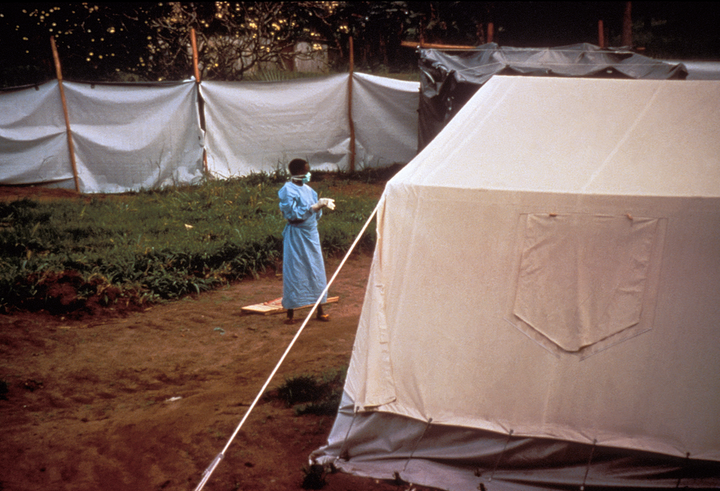
Uganda Held the Line on Ebola. Here's the Playbook Congo Needs Now
DR Congo2 MINREAD →
MUSICSTRATA-AF™STRATA-AF™ ORIGINAL
Music Is Starving in Sudan: How the RSF Silenced a Generation of Artists
Sudan2 MINREAD →
CULTURESTRATA-AF™★ EDITOR'S PICK
How BBNaija Rewired Nigerian Television And Everything Around It
Lagos, Pan-African2 MINREAD →
FASHIONSTRATA-AF™★ EDITOR'S PICK
Lagos Fashion Week's Green Push Is Either Africa's Best Bet or Its Greenest Greenwash
Pan-African2 MINREAD →
CULTURESTRATA-AF™★ EDITOR'S PICK
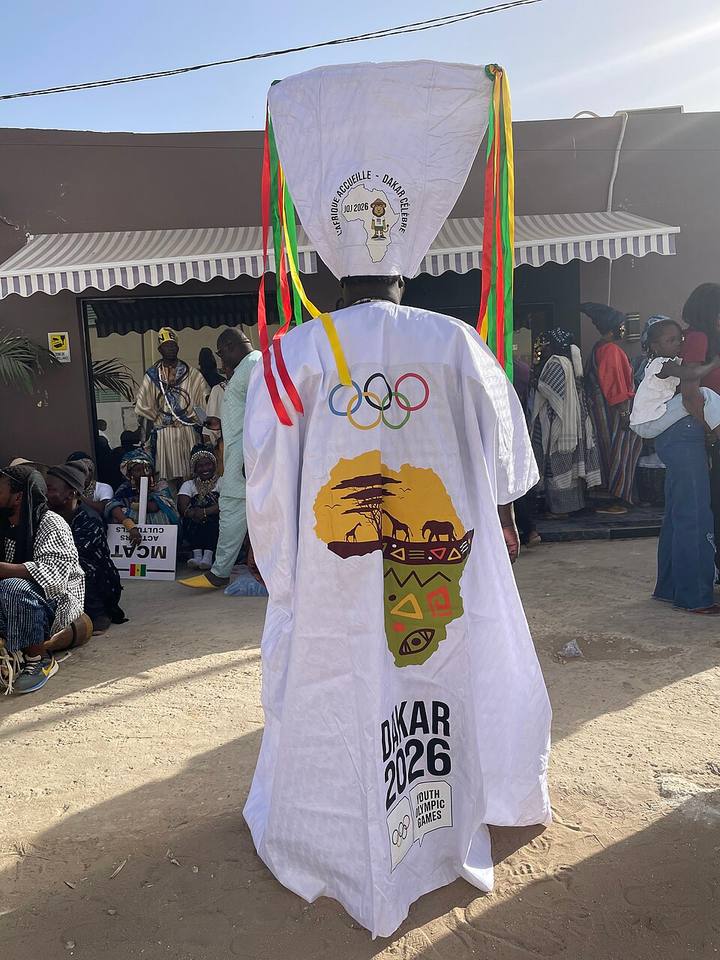
Dakar 2026 Is Africa's Olympic Moment
Senegal2 MINREAD →
SPORTSFROM THE WEB★ EDITOR'S PICK
Senegal set to make Olympic history with Dakar 2026 Youth Games
Dakar 2026 breaks a hosting monopoly that has excluded Africa from Olympic stewardship for over a century — the question is what institutional and economic legacy Senegal can extract from the moment.
Senegal1 MIN · Africanews · 25 JULREAD →
See all stories

The actual version — written by the people who live there.

10VERTICALS
6TYPES
5CITIES
1STANDARD
AboutMissionManifestoLegalOriginalsSubscribeArchiveShowsContributorsJobs
© 2026 STRATA-AF™ · STRATA PUBLISHING CO LTD · LAGOS · NAIROBI · JOBURG · ACCRA
 
 
--:--LAGOS
CultureMusicFilmTechSportsPoliticsHealthFinanceReligionFashion
politics
DR Congo Court Sentences 54 to Death for Murder of UN Experts

The Democratic Republic of Congo's High Military Court has delivered its final verdict nearly nine years after the killing of two United Nations experts. Fifty-four individuals have been sentenced to death in connection with the murders.

DR Congo2 MIN
From the web · Africanews
DR Congo Court Sentences 54 to Death for Murder of UN Experts
STRATA-AF™ ANGLEEDITORIAL SYNTHESIS BY STRATA-AF™

This verdict highlights the ongoing challenges facing international peacekeeping efforts across Central Africa, where UN personnel continue to operate in high-risk environments. The lengthy legal process underscores the complexities of seeking justice in conflict zones while demonstrating the DRC's commitment to accountability for crimes against international workers.

The Democratic Republic of Congo's High Military Court has concluded one of the most significant international justice cases in recent African history, sentencing 54 individuals to death for the 2017 murders of UN experts Michael Sharp and Zaida Catalán. This verdict, delivered nearly nine years after the killings, represents a critical moment for accountability in a region where impunity for violence against international personnel has long been the norm.

The case highlights the dangerous conditions facing UN personnel and investigators working across Central Africa, particularly in conflict zones where state authority remains fragmented. Sharp, an American sanctions monitor, and Catalán, a Swedish human rights lawyer, were investigating mass graves and recruitment of child soldiers in the volatile Kasai region when they were abducted and killed. Their deaths exposed the risks inherent in international peacekeeping and human rights work in areas controlled by armed groups.

While the death sentences signal Congo's commitment to addressing the murders, questions remain about the broader systemic issues that enabled these killings. The Kasai conflict, which erupted following the death of traditional leader Kamwina Nsapu, displaced over 1.4 million people and was marked by widespread human rights violations. The UN experts' investigation threatened to expose the scale of atrocities committed by various actors, including state forces and militia groups.

The verdict arrives at a time when the DRC faces multiple security challenges, from M23 insurgency in the east to ongoing instability in various provinces. The international community's response to this case will likely influence future UN operations in the region and could set precedents for protecting international personnel in conflict zones across Africa.

Beyond immediate justice concerns, this case underscores the need for stronger regional mechanisms to protect human rights investigators and peacekeepers. As Africa continues to host numerous UN missions and international observers, ensuring their safety remains paramount for maintaining international engagement in conflict resolution and human rights monitoring across the continent.

READ THE SOURCE REPORT FROM AFRICANEWS

Enjoying Strata-AF™?

Sign in or sign up for a personalised feed and unlock Strata-AF™ Originals.

SIGN IN / SIGN UP
--:--LAGOS
/shows/data/docs
politics
DR Congo Court Sentences 54 to Death for Murder of UN Experts
IMAGE · Tony Webster · CC BY 2.0 · Wikimedia Commons
DR Congo Court Sentences 54 to Death for Murder of UN Experts

The Democratic Republic of Congo's High Military Court has delivered its final verdict nearly nine years after the killing of two United Nations experts. Fifty-four individuals have been sentenced to death in connection with the murders.

DR Congo2 MIN READ
From the web · Africanews
STRATA-AF™ ANGLEEDITORIAL SYNTHESIS BY STRATA-AF™

This verdict highlights the ongoing challenges facing international peacekeeping efforts across Central Africa, where UN personnel continue to operate in high-risk environments. The lengthy legal process underscores the complexities of seeking justice in conflict zones while demonstrating the DRC's commitment to accountability for crimes against international workers.

The Democratic Republic of Congo's High Military Court has concluded one of the most significant international justice cases in recent African history, sentencing 54 individuals to death for the 2017 murders of UN experts Michael Sharp and Zaida Catalán. This verdict, delivered nearly nine years after the killings, represents a critical moment for accountability in a region where impunity for violence against international personnel has long been the norm.

The case highlights the dangerous conditions facing UN personnel and investigators working across Central Africa, particularly in conflict zones where state authority remains fragmented. Sharp, an American sanctions monitor, and Catalán, a Swedish human rights lawyer, were investigating mass graves and recruitment of child soldiers in the volatile Kasai region when they were abducted and killed. Their deaths exposed the risks inherent in international peacekeeping and human rights work in areas controlled by armed groups.

While the death sentences signal Congo's commitment to addressing the murders, questions remain about the broader systemic issues that enabled these killings. The Kasai conflict, which erupted following the death of traditional leader Kamwina Nsapu, displaced over 1.4 million people and was marked by widespread human rights violations. The UN experts' investigation threatened to expose the scale of atrocities committed by various actors, including state forces and militia groups.

The verdict arrives at a time when the DRC faces multiple security challenges, from M23 insurgency in the east to ongoing instability in various provinces. The international community's response to this case will likely influence future UN operations in the region and could set precedents for protecting international personnel in conflict zones across Africa.

Beyond immediate justice concerns, this case underscores the need for stronger regional mechanisms to protect human rights investigators and peacekeepers. As Africa continues to host numerous UN missions and international observers, ensuring their safety remains paramount for maintaining international engagement in conflict resolution and human rights monitoring across the continent.

READ THE SOURCE REPORT FROM AFRICANEWS

Enjoying Strata-AF™?

Sign in or sign up for a personalised feed and unlock Strata-AF™ Originals.
SIGN IN / SIGN UP
VERTICAL
politics
ORIGIN
DR Congo
CULTURE · MUSIC · FILM · TECH · SPORT · POLITICS · HEALTH · FINANCE · RELIGION · FASHION · LAGOS · NAIROBI · JOBURG · ACCRA · DATA JOURNALISM · ORIGINAL REPORTING · THE ACTUAL VERSION ·CULTURE · MUSIC · FILM · TECH · SPORT · POLITICS · HEALTH · FINANCE · RELIGION · FASHION · LAGOS · NAIROBI · JOBURG · ACCRA · DATA JOURNALISM · ORIGINAL REPORTING · THE ACTUAL VERSION ·
Premium editorial for a continent that's done waiting to be covered.

Not the export-market version. Not the diaspora version. The actual version — written by the people who live there.

Verticals
CultureMusicFilmTechSportsPolitics
HUBS
Strata-AF OriginalsDataDocsNewsletterArchiveShows
Company
AboutMissionManifestoLegal
REACH
10VERTICALS
6CONTENT TYPES
5CITIES
1STANDARD
© 2026 STRATA-AF™ · STRATA PUBLISHING CO LTD · LAGOS · JOBURG · NAIROBI · ACCRAPRIVACYTERMSCORRECTIONSMASTHEAD