--:--LAGOS
CultureMusicFilmTechSportsPoliticsHealthFinanceReligionFashion
culture
Davido Says the Silence Has Gone On Too Long

The biggest platform in the country naming its own quiet. Whether it holds is the test.

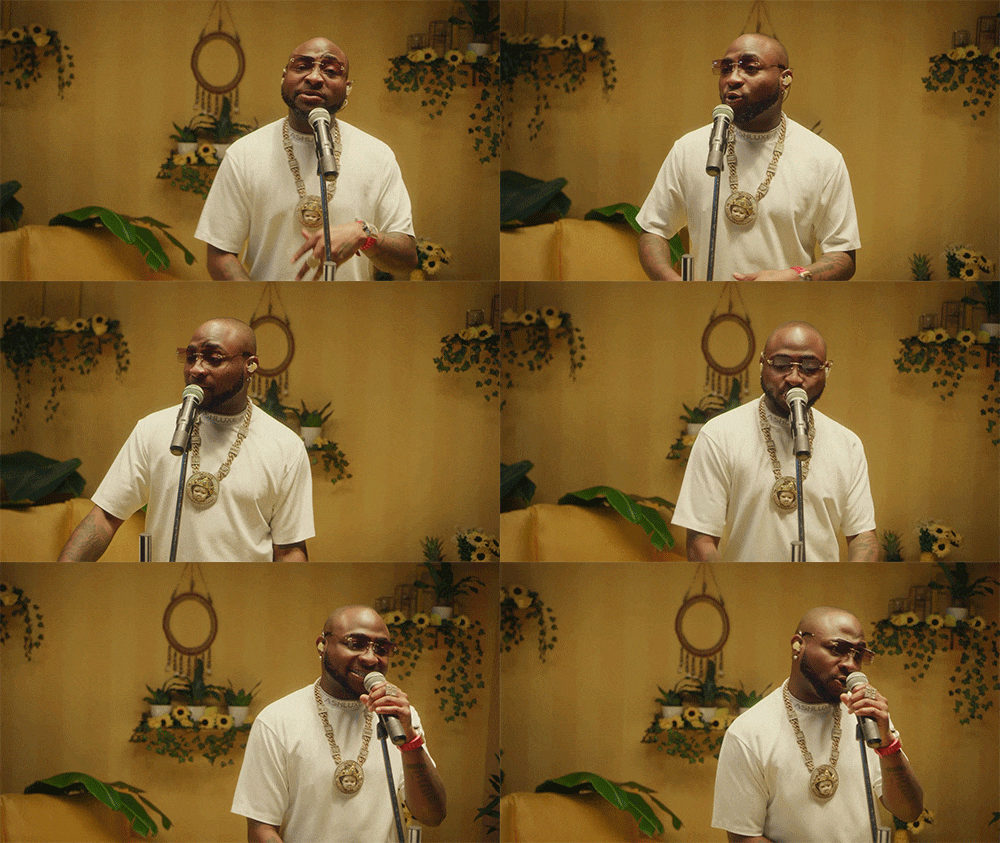
Davido spent Saturday telling Nigerian entertainers, himself included, that they have stayed too quiet on insecurity.
YNaija
Nigeria3 MIN
From the web · YNaija
Davido Says the Silence Has Gone On Too Long
IMAGE · Giphy
STRATA-AF™ ANGLEEDITORIAL SYNTHESIS BY STRATA-AF™

While Davido's sudden pivot from apolitical "city boy" to social justice advocate feels late, it reflects a broader awakening among Nigeria's entertainment elite who've finally realized their global platforms come with continental responsibilities. The question isn't whether his activism is authentic, but whether Africa's biggest stars will sustain this energy beyond trending moments, because the continent's crises demand more than weekend Twitter solidarity from those who've profited most from its cultural exports.

The Performative Politics of Afrobeats' Elite

Davido's recent call for Nigerian entertainers to break their silence on the country's escalating insecurity crisis reveals the fundamental tension between celebrity activism and authentic grassroots engagement across contemporary Africa. When the Afrobeats superstar declared "we dey fuck up, including me" while simultaneously distancing himself from the "city boy" label, he inadvertently highlighted the complex relationship between Africa's cultural elite and the masses they claim to represent. This moment of self-reflection, though welcome, raises deeper questions about the role of entertainers in political discourse and whether their interventions carry genuine transformative power or merely serve as public relations exercises.

The timing of Davido's statement, emerging from what appears to be a wave of reactions to another tragic abduction, speaks to a troubling pattern of reactive rather than proactive engagement from Africa's entertainment industry. Across the continent, from Nigeria's kidnapping crisis to South Africa's gender-based violence epidemic, celebrity voices often emerge only when public pressure becomes unbearable or when silence itself becomes a form of complicity. This episodic activism suggests that many of Africa's cultural ambassadors remain fundamentally disconnected from the daily realities their music and art purport to reflect, raising questions about the authenticity of their Pan-African consciousness.

Davido's attempt to distinguish himself from the "city boy" archetype, presumably those disconnected urban elites, rings hollow when examined against the broader context of Afrobeats' global success story. The genre's international triumph has created a new class of African cultural entrepreneurs who, while celebrating their continental identity on global stages, often maintain physical and psychological distance from the struggles that define life for most Africans. This contradiction illuminates a critical challenge facing Pan-African cultural movements: how to maintain authenticity while navigating the demands of global markets that often prefer sanitized versions of African experiences.

The question of whether Davido's distinction holds extends beyond individual celebrity personas to encompass the broader responsibility of Africa's cultural elite toward continental development and social justice. True Pan-African leadership requires sustained engagement with local realities, not merely symbolic gestures during moments of crisis. The continent's entertainment industry, which has achieved unprecedented global influence, possesses unique power to shape narratives about African experiences, but this power comes with obligations that extend far beyond chart positions and streaming numbers.

Perhaps most significantly, this moment reveals the urgent need for African cultural institutions to develop more sophisticated frameworks for celebrity political engagement. Rather than oscillating between silence and reactive statements, the continent's entertainment industry could benefit from structured approaches to advocacy that prioritize consistent community engagement over performative politics. The resources, platforms, and influence wielded by artists like Davido represent untapped potential for sustained social transformation, but only if deployed with strategic intention rather than episodic emotion.

Ultimately, Davido's moment of accountability offers a valuable opportunity for broader reflection within African entertainment circles about the relationship between cultural success and social responsibility. The distinction between "city boys" and authentic voices cannot be measured by origin stories or self-identification alone, but rather by the consistency and depth of one's commitment to addressing the challenges that define contemporary African life. For the Afrobeats generation to fulfill its Pan-African potential, it must move beyond reactive activism toward sustained engagement with the complex realities that shape life across the continent.

READ THE SOURCE REPORT FROM YNAIJA

Enjoying Strata-AF™?

Sign in or sign up for a personalised feed and unlock Strata-AF™ Originals.

SIGN IN / SIGN UP
READ NEXT
Community outreach key to stopping Ebola outbreak, says Red Cross, as Uganda confirms 2 new cases
HEALTHAfricanews
Community outreach key to stopping Ebola outbreak, says Red Cross, as Uganda confirms 2 new cases
Uganda1 MINREAD →
Washington Says It Is Still Ready to Resume Fighting
POLITICSEgypt Independent
Washington Says It Is Still Ready to Resume Fighting
3 MINREAD →
--:--LAGOS
STRATA-AF™
ISSUE 001FEED◎ SEARCHSUBSCRIBE
/shows/data/docs
culture
Davido Says the Silence Has Gone On Too Long
IMAGE · Giphy
Davido Says the Silence Has Gone On Too Long

The biggest platform in the country naming its own quiet. Whether it holds is the test.

Davido spent Saturday telling Nigerian entertainers, himself included, that they have stayed too quiet on insecurity.

YNaija
Nigeria3 MIN READ
From the web · YNaija
STRATA-AF™ ANGLEEDITORIAL SYNTHESIS BY STRATA-AF™

While Davido's sudden pivot from apolitical "city boy" to social justice advocate feels late, it reflects a broader awakening among Nigeria's entertainment elite who've finally realized their global platforms come with continental responsibilities. The question isn't whether his activism is authentic, but whether Africa's biggest stars will sustain this energy beyond trending moments, because the continent's crises demand more than weekend Twitter solidarity from those who've profited most from its cultural exports.

The Performative Politics of Afrobeats' Elite

Davido's recent call for Nigerian entertainers to break their silence on the country's escalating insecurity crisis reveals the fundamental tension between celebrity activism and authentic grassroots engagement across contemporary Africa. When the Afrobeats superstar declared "we dey fuck up, including me" while simultaneously distancing himself from the "city boy" label, he inadvertently highlighted the complex relationship between Africa's cultural elite and the masses they claim to represent. This moment of self-reflection, though welcome, raises deeper questions about the role of entertainers in political discourse and whether their interventions carry genuine transformative power or merely serve as public relations exercises.

The timing of Davido's statement, emerging from what appears to be a wave of reactions to another tragic abduction, speaks to a troubling pattern of reactive rather than proactive engagement from Africa's entertainment industry. Across the continent, from Nigeria's kidnapping crisis to South Africa's gender-based violence epidemic, celebrity voices often emerge only when public pressure becomes unbearable or when silence itself becomes a form of complicity. This episodic activism suggests that many of Africa's cultural ambassadors remain fundamentally disconnected from the daily realities their music and art purport to reflect, raising questions about the authenticity of their Pan-African consciousness.

Davido's attempt to distinguish himself from the "city boy" archetype, presumably those disconnected urban elites, rings hollow when examined against the broader context of Afrobeats' global success story. The genre's international triumph has created a new class of African cultural entrepreneurs who, while celebrating their continental identity on global stages, often maintain physical and psychological distance from the struggles that define life for most Africans. This contradiction illuminates a critical challenge facing Pan-African cultural movements: how to maintain authenticity while navigating the demands of global markets that often prefer sanitized versions of African experiences.

The question of whether Davido's distinction holds extends beyond individual celebrity personas to encompass the broader responsibility of Africa's cultural elite toward continental development and social justice. True Pan-African leadership requires sustained engagement with local realities, not merely symbolic gestures during moments of crisis. The continent's entertainment industry, which has achieved unprecedented global influence, possesses unique power to shape narratives about African experiences, but this power comes with obligations that extend far beyond chart positions and streaming numbers.

Perhaps most significantly, this moment reveals the urgent need for African cultural institutions to develop more sophisticated frameworks for celebrity political engagement. Rather than oscillating between silence and reactive statements, the continent's entertainment industry could benefit from structured approaches to advocacy that prioritize consistent community engagement over performative politics. The resources, platforms, and influence wielded by artists like Davido represent untapped potential for sustained social transformation, but only if deployed with strategic intention rather than episodic emotion.

Ultimately, Davido's moment of accountability offers a valuable opportunity for broader reflection within African entertainment circles about the relationship between cultural success and social responsibility. The distinction between "city boys" and authentic voices cannot be measured by origin stories or self-identification alone, but rather by the consistency and depth of one's commitment to addressing the challenges that define contemporary African life. For the Afrobeats generation to fulfill its Pan-African potential, it must move beyond reactive activism toward sustained engagement with the complex realities that shape life across the continent.

READ THE SOURCE REPORT FROM YNAIJA

Enjoying Strata-AF™?

Sign in or sign up for a personalised feed and unlock Strata-AF™ Originals.

SIGN IN / SIGN UP
VERTICAL
culture
ORIGIN
Nigeria
READ NEXT2 PIECES SELECTED BY OUR EDITORS
HEALTH
Community outreach key to stopping Ebola outbreak, says Red Cross, as Uganda confirms 2 new cases
Community outreach is key to stopping the Ebola outbreak, say Red Cross workers in the DRC's Ituri province, as across the border in Uganda, two new cases have been identified.
Uganda1 MINREAD →
POLITICS
Washington Says It Is Still Ready to Resume Fighting
No deal announced, and African economies already pricing the uncertainty.
3 MINREAD →
CULTURE · MUSIC · FILM · TECH · SPORT · POLITICS · HEALTH · FINANCE · RELIGION · FASHION · LAGOS · NAIROBI · JOBURG · ACCRA · DATA JOURNALISM · ORIGINAL REPORTING · THE ACTUAL VERSION ·CULTURE · MUSIC · FILM · TECH · SPORT · POLITICS · HEALTH · FINANCE · RELIGION · FASHION · LAGOS · NAIROBI · JOBURG · ACCRA · DATA JOURNALISM · ORIGINAL REPORTING · THE ACTUAL VERSION ·
Premium editorial for a continent that's done waiting to be covered.

Not the export-market version. Not the diaspora version. The actual version — written by the people who live there.

Verticals
CultureMusicFilmTechSportsPolitics
HUBS
Strata-AF OriginalsDataDocsNewsletterArchiveShows
Company
AboutMissionManifestoLegal
REACH
10VERTICALS
6CONTENT TYPES
5CITIES
1STANDARD
© 2026 STRATA-AF™ · STRATA PUBLISHING CO LTD · LAGOS · JOBURG · NAIROBI · ACCRAPRIVACYTERMSCORRECTIONSMASTHEAD
 
 
--:--LAGOS
CultureMusicFilmTechSportsPoliticsHealthFinanceReligionFashion
Highlights
Strata-AF
Editor's Pick
From the web
SPORTSSTRATA-AF™STRATA-AF™ ORIGINAL
WAFCON 2026 Proved African Women's Football Is Ready. The Clubs Aren't.
2 MINREAD →
POLITICSSTRATA-AF™★ EDITOR'S PICK
The Lagos Cancellation Is Not About Tyla Really, Or Is It ?
Pan-African2 MINREAD →
MUSICSTRATA-AF™★ EDITOR'S PICK
Blood, Beats & Betrayal: How Family Killed P-Square
Nigeria2 MINREAD →
MUSICBY THE NUMBERSSTRATA-AF™ ORIGINAL
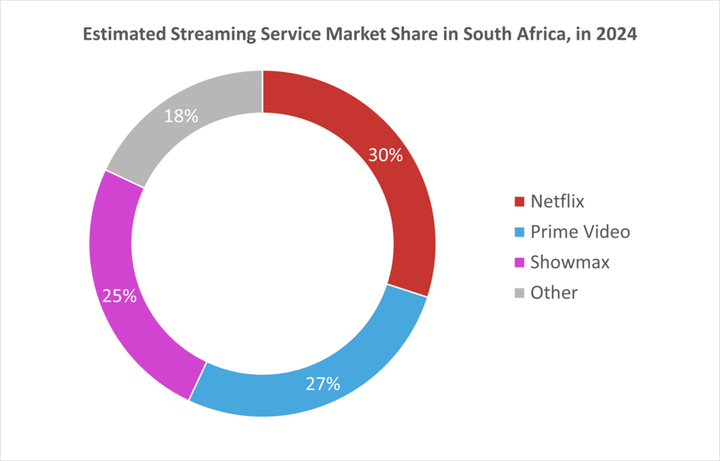
Where African Artists Earn, Lose, and Get Erased on Stream
Pan-African2 MINREAD →
HEALTHSTRATA-AF™★ EDITOR'S PICK
Uganda Held the Line on Ebola. Here's the Playbook Congo Needs Now
DR Congo2 MINREAD →
MUSICSTRATA-AF™STRATA-AF™ ORIGINAL
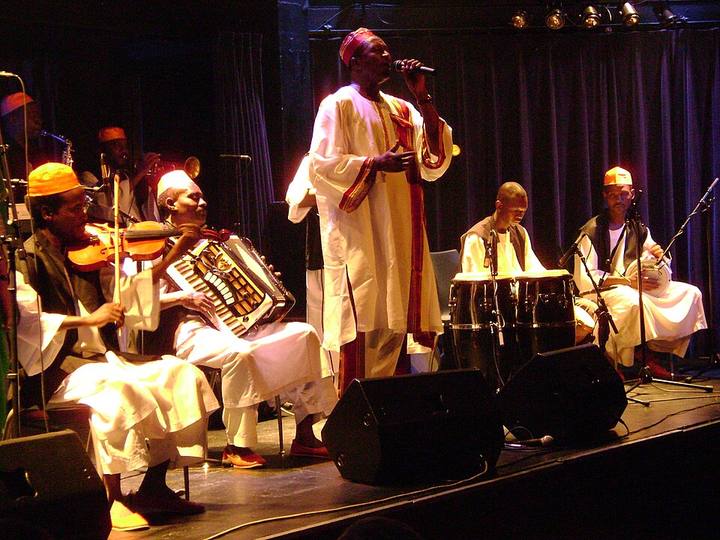
Music Is Starving in Sudan: How the RSF Silenced a Generation of Artists
Sudan2 MINREAD →
CULTURESTRATA-AF™★ EDITOR'S PICK
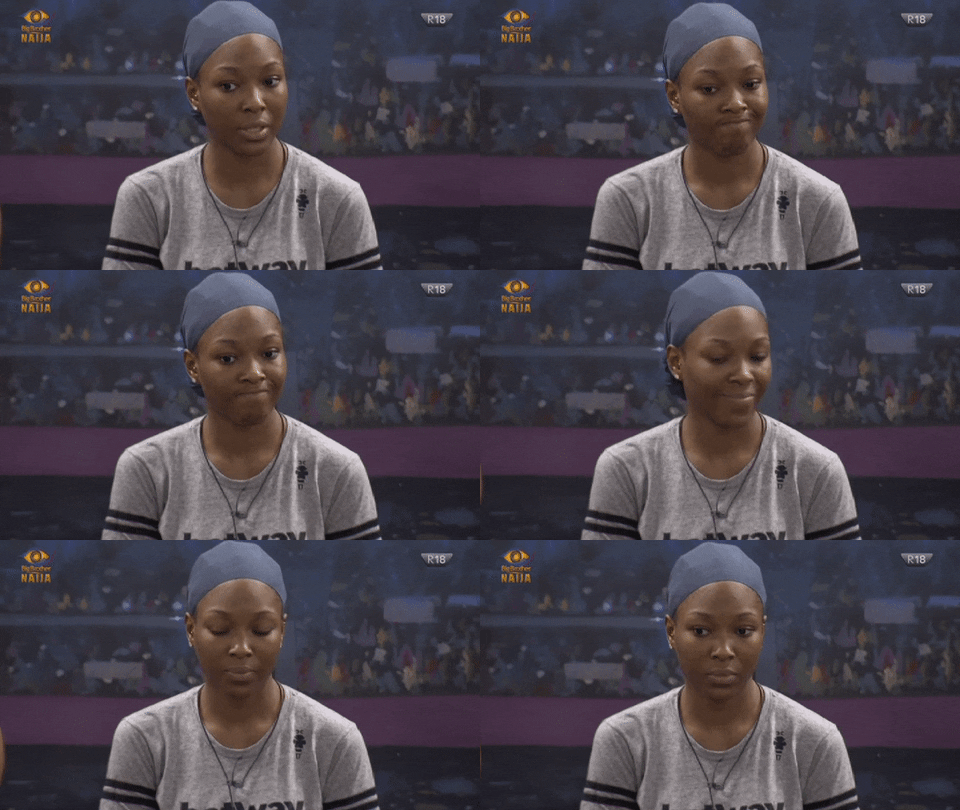
How BBNaija Rewired Nigerian Television And Everything Around It
Lagos, Pan-African2 MINREAD →
FASHIONSTRATA-AF™★ EDITOR'S PICK
Lagos Fashion Week's Green Push Is Either Africa's Best Bet or Its Greenest Greenwash
Pan-African2 MINREAD →
CULTURESTRATA-AF™★ EDITOR'S PICK
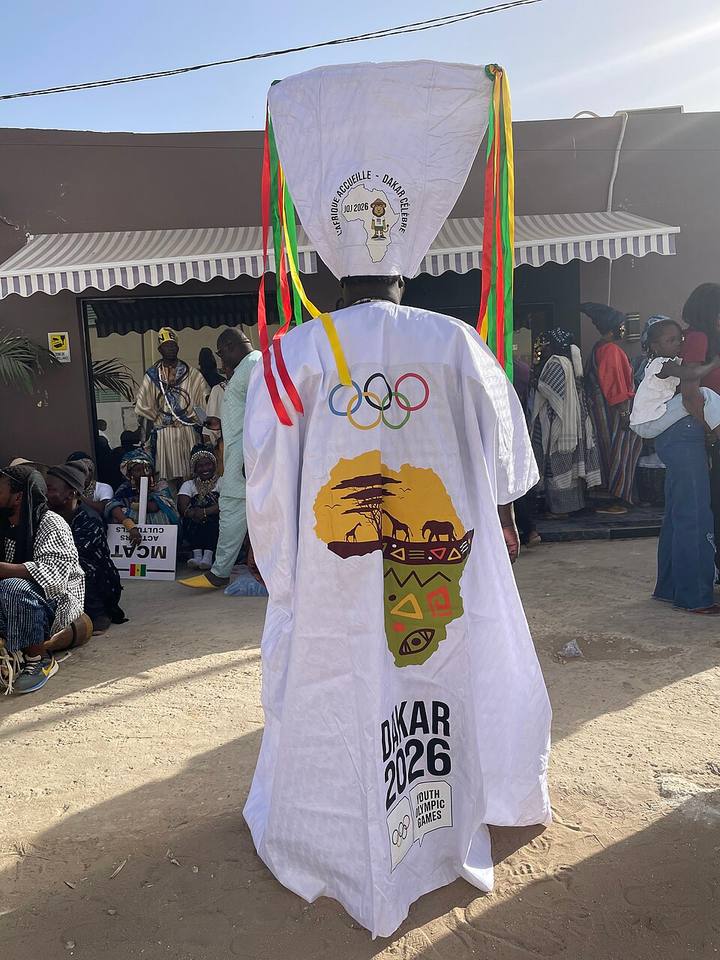
Dakar 2026 Is Africa's Olympic Moment
Senegal2 MINREAD →
SPORTSFROM THE WEB★ EDITOR'S PICK
Senegal set to make Olympic history with Dakar 2026 Youth Games
Dakar 2026 breaks a hosting monopoly that has excluded Africa from Olympic stewardship for over a century — the question is what institutional and economic legacy Senegal can extract from the moment.
Senegal1 MIN · Africanews · 25 JULREAD →
See all stories

The actual version — written by the people who live there.

10VERTICALS
6TYPES
5CITIES
1STANDARD
AboutMissionManifestoLegalOriginalsSubscribeArchiveShowsContributorsJobs
© 2026 STRATA-AF™ · STRATA PUBLISHING CO LTD · LAGOS · NAIROBI · JOBURG · ACCRA
 
 
--:--LAGOS
CultureMusicFilmTechSportsPoliticsHealthFinanceReligionFashion
culture
Davido Says the Silence Has Gone On Too Long

The biggest platform in the country naming its own quiet. Whether it holds is the test.

Davido spent Saturday telling Nigerian entertainers, himself included, that they have stayed too quiet on insecurity.

YNaija
Nigeria3 MIN
From the web · YNaija
Davido Says the Silence Has Gone On Too Long
IMAGE · Giphy
STRATA-AF™ ANGLEEDITORIAL SYNTHESIS BY STRATA-AF™

While Davido's sudden pivot from apolitical "city boy" to social justice advocate feels late, it reflects a broader awakening among Nigeria's entertainment elite who've finally realized their global platforms come with continental responsibilities. The question isn't whether his activism is authentic, but whether Africa's biggest stars will sustain this energy beyond trending moments, because the continent's crises demand more than weekend Twitter solidarity from those who've profited most from its cultural exports.

The Performative Politics of Afrobeats' Elite

Davido's recent call for Nigerian entertainers to break their silence on the country's escalating insecurity crisis reveals the fundamental tension between celebrity activism and authentic grassroots engagement across contemporary Africa. When the Afrobeats superstar declared "we dey fuck up, including me" while simultaneously distancing himself from the "city boy" label, he inadvertently highlighted the complex relationship between Africa's cultural elite and the masses they claim to represent. This moment of self-reflection, though welcome, raises deeper questions about the role of entertainers in political discourse and whether their interventions carry genuine transformative power or merely serve as public relations exercises.

The timing of Davido's statement, emerging from what appears to be a wave of reactions to another tragic abduction, speaks to a troubling pattern of reactive rather than proactive engagement from Africa's entertainment industry. Across the continent, from Nigeria's kidnapping crisis to South Africa's gender-based violence epidemic, celebrity voices often emerge only when public pressure becomes unbearable or when silence itself becomes a form of complicity. This episodic activism suggests that many of Africa's cultural ambassadors remain fundamentally disconnected from the daily realities their music and art purport to reflect, raising questions about the authenticity of their Pan-African consciousness.

Davido's attempt to distinguish himself from the "city boy" archetype, presumably those disconnected urban elites, rings hollow when examined against the broader context of Afrobeats' global success story. The genre's international triumph has created a new class of African cultural entrepreneurs who, while celebrating their continental identity on global stages, often maintain physical and psychological distance from the struggles that define life for most Africans. This contradiction illuminates a critical challenge facing Pan-African cultural movements: how to maintain authenticity while navigating the demands of global markets that often prefer sanitized versions of African experiences.

The question of whether Davido's distinction holds extends beyond individual celebrity personas to encompass the broader responsibility of Africa's cultural elite toward continental development and social justice. True Pan-African leadership requires sustained engagement with local realities, not merely symbolic gestures during moments of crisis. The continent's entertainment industry, which has achieved unprecedented global influence, possesses unique power to shape narratives about African experiences, but this power comes with obligations that extend far beyond chart positions and streaming numbers.

Perhaps most significantly, this moment reveals the urgent need for African cultural institutions to develop more sophisticated frameworks for celebrity political engagement. Rather than oscillating between silence and reactive statements, the continent's entertainment industry could benefit from structured approaches to advocacy that prioritize consistent community engagement over performative politics. The resources, platforms, and influence wielded by artists like Davido represent untapped potential for sustained social transformation, but only if deployed with strategic intention rather than episodic emotion.

Ultimately, Davido's moment of accountability offers a valuable opportunity for broader reflection within African entertainment circles about the relationship between cultural success and social responsibility. The distinction between "city boys" and authentic voices cannot be measured by origin stories or self-identification alone, but rather by the consistency and depth of one's commitment to addressing the challenges that define contemporary African life. For the Afrobeats generation to fulfill its Pan-African potential, it must move beyond reactive activism toward sustained engagement with the complex realities that shape life across the continent.

READ THE SOURCE REPORT FROM YNAIJA

Enjoying Strata-AF™?

Sign in or sign up for a personalised feed and unlock Strata-AF™ Originals.

SIGN IN / SIGN UP
READ NEXT
--:--LAGOS
/shows/data/docs
culture
Davido Says the Silence Has Gone On Too Long
IMAGE · Giphy
Davido Says the Silence Has Gone On Too Long

The biggest platform in the country naming its own quiet. Whether it holds is the test.

Davido spent Saturday telling Nigerian entertainers, himself included, that they have stayed too quiet on insecurity.

YNaija
Nigeria3 MIN READ
From the web · YNaija
STRATA-AF™ ANGLEEDITORIAL SYNTHESIS BY STRATA-AF™

While Davido's sudden pivot from apolitical "city boy" to social justice advocate feels late, it reflects a broader awakening among Nigeria's entertainment elite who've finally realized their global platforms come with continental responsibilities. The question isn't whether his activism is authentic, but whether Africa's biggest stars will sustain this energy beyond trending moments, because the continent's crises demand more than weekend Twitter solidarity from those who've profited most from its cultural exports.

The Performative Politics of Afrobeats' Elite

Davido's recent call for Nigerian entertainers to break their silence on the country's escalating insecurity crisis reveals the fundamental tension between celebrity activism and authentic grassroots engagement across contemporary Africa. When the Afrobeats superstar declared "we dey fuck up, including me" while simultaneously distancing himself from the "city boy" label, he inadvertently highlighted the complex relationship between Africa's cultural elite and the masses they claim to represent. This moment of self-reflection, though welcome, raises deeper questions about the role of entertainers in political discourse and whether their interventions carry genuine transformative power or merely serve as public relations exercises.

The timing of Davido's statement, emerging from what appears to be a wave of reactions to another tragic abduction, speaks to a troubling pattern of reactive rather than proactive engagement from Africa's entertainment industry. Across the continent, from Nigeria's kidnapping crisis to South Africa's gender-based violence epidemic, celebrity voices often emerge only when public pressure becomes unbearable or when silence itself becomes a form of complicity. This episodic activism suggests that many of Africa's cultural ambassadors remain fundamentally disconnected from the daily realities their music and art purport to reflect, raising questions about the authenticity of their Pan-African consciousness.

Davido's attempt to distinguish himself from the "city boy" archetype, presumably those disconnected urban elites, rings hollow when examined against the broader context of Afrobeats' global success story. The genre's international triumph has created a new class of African cultural entrepreneurs who, while celebrating their continental identity on global stages, often maintain physical and psychological distance from the struggles that define life for most Africans. This contradiction illuminates a critical challenge facing Pan-African cultural movements: how to maintain authenticity while navigating the demands of global markets that often prefer sanitized versions of African experiences.

The question of whether Davido's distinction holds extends beyond individual celebrity personas to encompass the broader responsibility of Africa's cultural elite toward continental development and social justice. True Pan-African leadership requires sustained engagement with local realities, not merely symbolic gestures during moments of crisis. The continent's entertainment industry, which has achieved unprecedented global influence, possesses unique power to shape narratives about African experiences, but this power comes with obligations that extend far beyond chart positions and streaming numbers.

Perhaps most significantly, this moment reveals the urgent need for African cultural institutions to develop more sophisticated frameworks for celebrity political engagement. Rather than oscillating between silence and reactive statements, the continent's entertainment industry could benefit from structured approaches to advocacy that prioritize consistent community engagement over performative politics. The resources, platforms, and influence wielded by artists like Davido represent untapped potential for sustained social transformation, but only if deployed with strategic intention rather than episodic emotion.

Ultimately, Davido's moment of accountability offers a valuable opportunity for broader reflection within African entertainment circles about the relationship between cultural success and social responsibility. The distinction between "city boys" and authentic voices cannot be measured by origin stories or self-identification alone, but rather by the consistency and depth of one's commitment to addressing the challenges that define contemporary African life. For the Afrobeats generation to fulfill its Pan-African potential, it must move beyond reactive activism toward sustained engagement with the complex realities that shape life across the continent.

READ THE SOURCE REPORT FROM YNAIJA

Enjoying Strata-AF™?

Sign in or sign up for a personalised feed and unlock Strata-AF™ Originals.
SIGN IN / SIGN UP
VERTICAL
culture
ORIGIN
Nigeria
READ NEXT2 PIECES SELECTED BY OUR EDITORS
CULTURE · MUSIC · FILM · TECH · SPORT · POLITICS · HEALTH · FINANCE · RELIGION · FASHION · LAGOS · NAIROBI · JOBURG · ACCRA · DATA JOURNALISM · ORIGINAL REPORTING · THE ACTUAL VERSION ·CULTURE · MUSIC · FILM · TECH · SPORT · POLITICS · HEALTH · FINANCE · RELIGION · FASHION · LAGOS · NAIROBI · JOBURG · ACCRA · DATA JOURNALISM · ORIGINAL REPORTING · THE ACTUAL VERSION ·
Premium editorial for a continent that's done waiting to be covered.

Not the export-market version. Not the diaspora version. The actual version — written by the people who live there.

Verticals
CultureMusicFilmTechSportsPolitics
HUBS
Strata-AF OriginalsDataDocsNewsletterArchiveShows
Company
AboutMissionManifestoLegal
REACH
10VERTICALS
6CONTENT TYPES
5CITIES
1STANDARD
© 2026 STRATA-AF™ · STRATA PUBLISHING CO LTD · LAGOS · JOBURG · NAIROBI · ACCRAPRIVACYTERMSCORRECTIONSMASTHEAD