--:--LAGOS
CultureMusicFilmTechSportsPoliticsHealthFinanceReligionFashion
tech
What ₦200,000 Actually Buys in Lagos Right Now

The budget tier is where African purchasing power dictates product design, rather than inheriting it.

This is a guide to the cheapest phones in Nigeria and their prices, covering everything under ₦200,000 that is worth your money.

TechCabal
Nigeria3 MIN · 28 MAY 2026
From the web · TechCabal
What ₦200,000 Actually Buys in Lagos Right Now
IMAGE · Wikimedia Commons
STRATA-AF™ ANGLEEDITORIAL SYNTHESIS BY STRATA-AF™

Nigeria's sub-₦200,000 smartphone market isn't just about affordability. It's a masterclass in how African consumers are forcing global brands to innovate for real purchasing power, not Western fantasy budgets. While Silicon Valley obsesses over ₦2 million flagship features, brands like Infinix and Tecno are quietly building the future of mobile computing for the majority world, proving that the most important tech innovations happen when you design for Lagos traffic, not Palo Alto commutes.

**Bridging the Digital Divide: Nigeria's Budget Phone Market as a Continental Blueprint**

Nigeria's thriving budget smartphone market, with devices priced under ₦200,000, represents more than just consumer choice. It embodies Africa's pragmatic approach to digital inclusion. While global tech discourse often fixates on flagship devices costing upwards of $1,000, Nigerian consumers are quietly demonstrating that meaningful connectivity doesn't require premium pricing. This market segment, spanning from basic entry-level devices to surprisingly capable mid-range options, reflects a continent-wide reality where economic accessibility determines technological adoption far more than brand prestige or cutting-edge specifications.

The stratification of Nigeria's budget phone market into distinct price bands reveals a sophisticated understanding of diverse consumer needs across Africa's most populous nation. From the under-₦120,000 category serving as secondary devices or first smartphones for new users, to the ₦170,000-₦200,000 range offering premium budget experiences, this segmentation mirrors the economic realities of a continent where mobile phones often serve as primary computing devices. Unlike markets in North America or Europe where smartphones complement existing digital infrastructure, African consumers rely on these devices as gateways to banking, education, healthcare, and economic opportunity.

What makes Nigeria's budget phone ecosystem particularly significant for Pan-African development is its demonstration that technological sophistication need not be synonymous with high costs. The "sweet spot" identified between ₦120,000 and ₦150,000 suggests that manufacturers have found ways to deliver essential smartphone functionality, internet access, mobile banking capabilities, social media connectivity, and basic productivity tools, at price points accessible to Nigeria's expanding middle class. This pricing strategy could serve as a template for other African markets, where similar economic constraints demand innovative approaches to technology distribution.

The emphasis on value engineering evident in Nigeria's budget phone market reflects broader African innovations in making technology accessible and relevant. Just as mobile money solutions like M-Pesa revolutionized financial inclusion by working within existing economic frameworks rather than attempting to transplant foreign models, Nigeria's budget smartphone ecosystem demonstrates how global technology can be adapted to local purchasing power without sacrificing essential functionality. This approach offers lessons for the entire continent about creating sustainable technology markets that serve real consumer needs rather than aspirational ones.

Perhaps most importantly, Nigeria's robust budget phone market signals the emergence of an African consumer base that refuses to be marginalized by global technology trends. Rather than waiting for hand-me-down devices or accepting inferior alternatives, Nigerian consumers are driving demand for phones that offer genuine value within their economic constraints. This consumer sophistication, multiplied across Africa's 54 countries and 1.4 billion people, represents a market force that global manufacturers can no longer afford to ignore, and one that positions Africa not as a recipient of technology, but as a driver of innovation in accessible digital solutions.

READ THE SOURCE REPORT FROM TECHCABAL

Enjoying Strata-AF™?

Sign in or sign up for a personalised feed and unlock Strata-AF™ Originals.
SIGN IN / SIGN UP
READ NEXT
PHOTO
TECHTechCabal
Nigeria added 65 healthtech startups after COVID-19, says report 
Nigeria1 MINREAD →
PHOTO
TECHTechCabal
Pick n Pay breach puts South Africa’s retail cybersecurity under scrutiny
Nigeria4 MINREAD →
PHOTO
TECHTechCabal
Zipline to build 12 new hubs as Nigeria becomes its biggest African market
Nigeria3 MINREAD →
--:--LAGOS
STRATA-AF™
ISSUE 001FEED◎ SEARCHSUBSCRIBE
/shows/data/docs
tech
What ₦200,000 Actually Buys in Lagos Right Now
IMAGE · Wikimedia Commons
What ₦200,000 Actually Buys in Lagos Right Now

The budget tier is where African purchasing power dictates product design, rather than inheriting it.

This is a guide to the cheapest phones in Nigeria and their prices, covering everything under ₦200,000 that is worth your money.

TechCabal
Nigeria3 MIN READ · 28 MAY 2026
From the web · TechCabal
STRATA-AF™ ANGLEEDITORIAL SYNTHESIS BY STRATA-AF™

Nigeria's sub-₦200,000 smartphone market isn't just about affordability. It's a masterclass in how African consumers are forcing global brands to innovate for real purchasing power, not Western fantasy budgets. While Silicon Valley obsesses over ₦2 million flagship features, brands like Infinix and Tecno are quietly building the future of mobile computing for the majority world, proving that the most important tech innovations happen when you design for Lagos traffic, not Palo Alto commutes.

**Bridging the Digital Divide: Nigeria's Budget Phone Market as a Continental Blueprint**

Nigeria's thriving budget smartphone market, with devices priced under ₦200,000, represents more than just consumer choice. It embodies Africa's pragmatic approach to digital inclusion. While global tech discourse often fixates on flagship devices costing upwards of $1,000, Nigerian consumers are quietly demonstrating that meaningful connectivity doesn't require premium pricing. This market segment, spanning from basic entry-level devices to surprisingly capable mid-range options, reflects a continent-wide reality where economic accessibility determines technological adoption far more than brand prestige or cutting-edge specifications.

The stratification of Nigeria's budget phone market into distinct price bands reveals a sophisticated understanding of diverse consumer needs across Africa's most populous nation. From the under-₦120,000 category serving as secondary devices or first smartphones for new users, to the ₦170,000-₦200,000 range offering premium budget experiences, this segmentation mirrors the economic realities of a continent where mobile phones often serve as primary computing devices. Unlike markets in North America or Europe where smartphones complement existing digital infrastructure, African consumers rely on these devices as gateways to banking, education, healthcare, and economic opportunity.

What makes Nigeria's budget phone ecosystem particularly significant for Pan-African development is its demonstration that technological sophistication need not be synonymous with high costs. The "sweet spot" identified between ₦120,000 and ₦150,000 suggests that manufacturers have found ways to deliver essential smartphone functionality, internet access, mobile banking capabilities, social media connectivity, and basic productivity tools, at price points accessible to Nigeria's expanding middle class. This pricing strategy could serve as a template for other African markets, where similar economic constraints demand innovative approaches to technology distribution.

The emphasis on value engineering evident in Nigeria's budget phone market reflects broader African innovations in making technology accessible and relevant. Just as mobile money solutions like M-Pesa revolutionized financial inclusion by working within existing economic frameworks rather than attempting to transplant foreign models, Nigeria's budget smartphone ecosystem demonstrates how global technology can be adapted to local purchasing power without sacrificing essential functionality. This approach offers lessons for the entire continent about creating sustainable technology markets that serve real consumer needs rather than aspirational ones.

Perhaps most importantly, Nigeria's robust budget phone market signals the emergence of an African consumer base that refuses to be marginalized by global technology trends. Rather than waiting for hand-me-down devices or accepting inferior alternatives, Nigerian consumers are driving demand for phones that offer genuine value within their economic constraints. This consumer sophistication, multiplied across Africa's 54 countries and 1.4 billion people, represents a market force that global manufacturers can no longer afford to ignore, and one that positions Africa not as a recipient of technology, but as a driver of innovation in accessible digital solutions.

READ THE SOURCE REPORT FROM TECHCABAL

Enjoying Strata-AF™?

Sign in or sign up for a personalised feed and unlock Strata-AF™ Originals.

SIGN IN / SIGN UP
VERTICAL
tech
ORIGIN
Nigeria
PUBLISHED
28 MAY 2026
READ NEXT3 PIECES SELECTED BY OUR EDITORS
TECH
PHOTO
Nigeria added 65 healthtech startups after COVID-19, says report 
65 healthtech startups were launched in Nigeria between 2020 and 2025, more than half of the 103 startups launched in the 15 years before the pandemic.
Nigeria1 MINREAD →
TECH
PHOTO
Pick n Pay breach puts South Africa’s retail cybersecurity under scrutiny
While Pick n Pay acknowledged the breach, it disputed claims that complete card information was exposed.
Nigeria4 MINREAD →
TECH
PHOTO
Zipline to build 12 new hubs as Nigeria becomes its biggest African market
When Zipline first entered Nigeria in 2022, the company’s operations looked like another ambitious health-tech pilot: drones delivering vaccines and medical supplies across a handful of underserved states.
Nigeria3 MINREAD →
CULTURE · MUSIC · FILM · TECH · SPORT · POLITICS · HEALTH · FINANCE · RELIGION · FASHION · LAGOS · NAIROBI · JOBURG · ACCRA · DATA JOURNALISM · ORIGINAL REPORTING · THE ACTUAL VERSION ·CULTURE · MUSIC · FILM · TECH · SPORT · POLITICS · HEALTH · FINANCE · RELIGION · FASHION · LAGOS · NAIROBI · JOBURG · ACCRA · DATA JOURNALISM · ORIGINAL REPORTING · THE ACTUAL VERSION ·
Premium editorial for a continent that's done waiting to be covered.

Not the export-market version. Not the diaspora version. The actual version — written by the people who live there.

Verticals
CultureMusicFilmTechSportsPolitics
HUBS
Strata-AF OriginalsDataDocsNewsletterArchiveShows
Company
AboutMissionManifestoLegal
REACH
10VERTICALS
6CONTENT TYPES
5CITIES
1STANDARD
© 2026 STRATA-AF™ · STRATA PUBLISHING CO LTD · LAGOS · JOBURG · NAIROBI · ACCRAPRIVACYTERMSCORRECTIONSMASTHEAD
 
 
--:--LAGOS
CultureMusicFilmTechSportsPoliticsHealthFinanceReligionFashion
Highlights
Strata-AF
Editor's Pick
From the web
SPORTSSTRATA-AF™STRATA-AF™ ORIGINAL
WAFCON 2026 Proved African Women's Football Is Ready. The Clubs Aren't.
2 MINREAD →
POLITICSSTRATA-AF™★ EDITOR'S PICK
The Lagos Cancellation Is Not About Tyla Really, Or Is It ?
Pan-African2 MINREAD →
MUSICSTRATA-AF™★ EDITOR'S PICK
Blood, Beats & Betrayal: How Family Killed P-Square
Nigeria2 MINREAD →
MUSICBY THE NUMBERSSTRATA-AF™ ORIGINAL
Where African Artists Earn, Lose, and Get Erased on Stream
Pan-African2 MINREAD →
HEALTHSTRATA-AF™★ EDITOR'S PICK
Uganda Held the Line on Ebola. Here's the Playbook Congo Needs Now
DR Congo2 MINREAD →
MUSICSTRATA-AF™STRATA-AF™ ORIGINAL
Music Is Starving in Sudan: How the RSF Silenced a Generation of Artists
Sudan2 MINREAD →
CULTURESTRATA-AF™★ EDITOR'S PICK
How BBNaija Rewired Nigerian Television And Everything Around It
Lagos, Pan-African2 MINREAD →
FASHIONSTRATA-AF™★ EDITOR'S PICK
Lagos Fashion Week's Green Push Is Either Africa's Best Bet or Its Greenest Greenwash
Pan-African2 MINREAD →
CULTURESTRATA-AF™★ EDITOR'S PICK
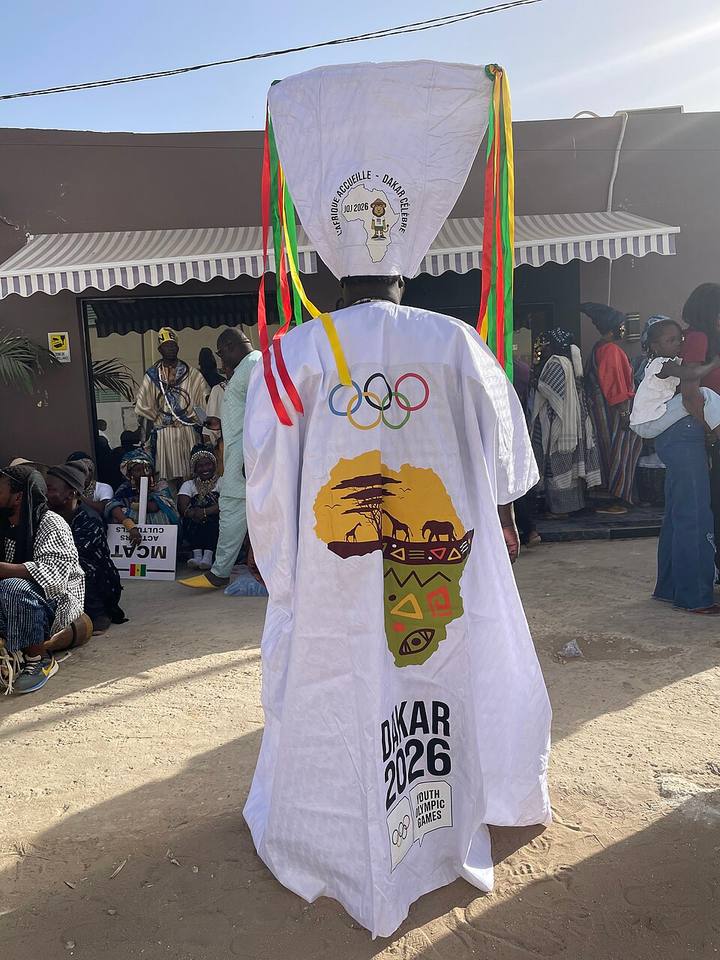
Dakar 2026 Is Africa's Olympic Moment
Senegal2 MINREAD →
SPORTSFROM THE WEB★ EDITOR'S PICK
Senegal set to make Olympic history with Dakar 2026 Youth Games
Dakar 2026 breaks a hosting monopoly that has excluded Africa from Olympic stewardship for over a century — the question is what institutional and economic legacy Senegal can extract from the moment.
Senegal1 MIN · Africanews · 25 JULREAD →
See all stories

The actual version — written by the people who live there.

10VERTICALS
6TYPES
5CITIES
1STANDARD
AboutMissionManifestoLegalOriginalsSubscribeArchiveShowsContributorsJobs
© 2026 STRATA-AF™ · STRATA PUBLISHING CO LTD · LAGOS · NAIROBI · JOBURG · ACCRA
 
 
--:--LAGOS
CultureMusicFilmTechSportsPoliticsHealthFinanceReligionFashion
tech
What ₦200,000 Actually Buys in Lagos Right Now

The budget tier is where African purchasing power dictates product design, rather than inheriting it.

This is a guide to the cheapest phones in Nigeria and their prices, covering everything under ₦200,000 that is worth your money.

TechCabal
Nigeria3 MIN · 28 MAY 2026
From the web · TechCabal
What ₦200,000 Actually Buys in Lagos Right Now
STRATA-AF™ ANGLEEDITORIAL SYNTHESIS BY STRATA-AF™

Nigeria's sub-₦200,000 smartphone market isn't just about affordability. It's a masterclass in how African consumers are forcing global brands to innovate for real purchasing power, not Western fantasy budgets. While Silicon Valley obsesses over ₦2 million flagship features, brands like Infinix and Tecno are quietly building the future of mobile computing for the majority world, proving that the most important tech innovations happen when you design for Lagos traffic, not Palo Alto commutes.

**Bridging the Digital Divide: Nigeria's Budget Phone Market as a Continental Blueprint**

Nigeria's thriving budget smartphone market, with devices priced under ₦200,000, represents more than just consumer choice. It embodies Africa's pragmatic approach to digital inclusion. While global tech discourse often fixates on flagship devices costing upwards of $1,000, Nigerian consumers are quietly demonstrating that meaningful connectivity doesn't require premium pricing. This market segment, spanning from basic entry-level devices to surprisingly capable mid-range options, reflects a continent-wide reality where economic accessibility determines technological adoption far more than brand prestige or cutting-edge specifications.

The stratification of Nigeria's budget phone market into distinct price bands reveals a sophisticated understanding of diverse consumer needs across Africa's most populous nation. From the under-₦120,000 category serving as secondary devices or first smartphones for new users, to the ₦170,000-₦200,000 range offering premium budget experiences, this segmentation mirrors the economic realities of a continent where mobile phones often serve as primary computing devices. Unlike markets in North America or Europe where smartphones complement existing digital infrastructure, African consumers rely on these devices as gateways to banking, education, healthcare, and economic opportunity.

What makes Nigeria's budget phone ecosystem particularly significant for Pan-African development is its demonstration that technological sophistication need not be synonymous with high costs. The "sweet spot" identified between ₦120,000 and ₦150,000 suggests that manufacturers have found ways to deliver essential smartphone functionality, internet access, mobile banking capabilities, social media connectivity, and basic productivity tools, at price points accessible to Nigeria's expanding middle class. This pricing strategy could serve as a template for other African markets, where similar economic constraints demand innovative approaches to technology distribution.

The emphasis on value engineering evident in Nigeria's budget phone market reflects broader African innovations in making technology accessible and relevant. Just as mobile money solutions like M-Pesa revolutionized financial inclusion by working within existing economic frameworks rather than attempting to transplant foreign models, Nigeria's budget smartphone ecosystem demonstrates how global technology can be adapted to local purchasing power without sacrificing essential functionality. This approach offers lessons for the entire continent about creating sustainable technology markets that serve real consumer needs rather than aspirational ones.

Perhaps most importantly, Nigeria's robust budget phone market signals the emergence of an African consumer base that refuses to be marginalized by global technology trends. Rather than waiting for hand-me-down devices or accepting inferior alternatives, Nigerian consumers are driving demand for phones that offer genuine value within their economic constraints. This consumer sophistication, multiplied across Africa's 54 countries and 1.4 billion people, represents a market force that global manufacturers can no longer afford to ignore, and one that positions Africa not as a recipient of technology, but as a driver of innovation in accessible digital solutions.

READ THE SOURCE REPORT FROM TECHCABAL

Enjoying Strata-AF™?

Sign in or sign up for a personalised feed and unlock Strata-AF™ Originals.

SIGN IN / SIGN UP
READ NEXT
--:--LAGOS
/shows/data/docs
tech
What ₦200,000 Actually Buys in Lagos Right Now
IMAGE · Wikimedia Commons
What ₦200,000 Actually Buys in Lagos Right Now

The budget tier is where African purchasing power dictates product design, rather than inheriting it.

This is a guide to the cheapest phones in Nigeria and their prices, covering everything under ₦200,000 that is worth your money.

TechCabal
Nigeria3 MIN READ · 28 MAY 2026
From the web · TechCabal
STRATA-AF™ ANGLEEDITORIAL SYNTHESIS BY STRATA-AF™

Nigeria's sub-₦200,000 smartphone market isn't just about affordability. It's a masterclass in how African consumers are forcing global brands to innovate for real purchasing power, not Western fantasy budgets. While Silicon Valley obsesses over ₦2 million flagship features, brands like Infinix and Tecno are quietly building the future of mobile computing for the majority world, proving that the most important tech innovations happen when you design for Lagos traffic, not Palo Alto commutes.

**Bridging the Digital Divide: Nigeria's Budget Phone Market as a Continental Blueprint**

Nigeria's thriving budget smartphone market, with devices priced under ₦200,000, represents more than just consumer choice. It embodies Africa's pragmatic approach to digital inclusion. While global tech discourse often fixates on flagship devices costing upwards of $1,000, Nigerian consumers are quietly demonstrating that meaningful connectivity doesn't require premium pricing. This market segment, spanning from basic entry-level devices to surprisingly capable mid-range options, reflects a continent-wide reality where economic accessibility determines technological adoption far more than brand prestige or cutting-edge specifications.

The stratification of Nigeria's budget phone market into distinct price bands reveals a sophisticated understanding of diverse consumer needs across Africa's most populous nation. From the under-₦120,000 category serving as secondary devices or first smartphones for new users, to the ₦170,000-₦200,000 range offering premium budget experiences, this segmentation mirrors the economic realities of a continent where mobile phones often serve as primary computing devices. Unlike markets in North America or Europe where smartphones complement existing digital infrastructure, African consumers rely on these devices as gateways to banking, education, healthcare, and economic opportunity.

What makes Nigeria's budget phone ecosystem particularly significant for Pan-African development is its demonstration that technological sophistication need not be synonymous with high costs. The "sweet spot" identified between ₦120,000 and ₦150,000 suggests that manufacturers have found ways to deliver essential smartphone functionality, internet access, mobile banking capabilities, social media connectivity, and basic productivity tools, at price points accessible to Nigeria's expanding middle class. This pricing strategy could serve as a template for other African markets, where similar economic constraints demand innovative approaches to technology distribution.

The emphasis on value engineering evident in Nigeria's budget phone market reflects broader African innovations in making technology accessible and relevant. Just as mobile money solutions like M-Pesa revolutionized financial inclusion by working within existing economic frameworks rather than attempting to transplant foreign models, Nigeria's budget smartphone ecosystem demonstrates how global technology can be adapted to local purchasing power without sacrificing essential functionality. This approach offers lessons for the entire continent about creating sustainable technology markets that serve real consumer needs rather than aspirational ones.

Perhaps most importantly, Nigeria's robust budget phone market signals the emergence of an African consumer base that refuses to be marginalized by global technology trends. Rather than waiting for hand-me-down devices or accepting inferior alternatives, Nigerian consumers are driving demand for phones that offer genuine value within their economic constraints. This consumer sophistication, multiplied across Africa's 54 countries and 1.4 billion people, represents a market force that global manufacturers can no longer afford to ignore, and one that positions Africa not as a recipient of technology, but as a driver of innovation in accessible digital solutions.

READ THE SOURCE REPORT FROM TECHCABAL

Enjoying Strata-AF™?

Sign in or sign up for a personalised feed and unlock Strata-AF™ Originals.

SIGN IN / SIGN UP
VERTICAL
tech
ORIGIN
Nigeria
PUBLISHED
28 MAY 2026
READ NEXT3 PIECES SELECTED BY OUR EDITORS
CULTURE · MUSIC · FILM · TECH · SPORT · POLITICS · HEALTH · FINANCE · RELIGION · FASHION · LAGOS · NAIROBI · JOBURG · ACCRA · DATA JOURNALISM · ORIGINAL REPORTING · THE ACTUAL VERSION ·CULTURE · MUSIC · FILM · TECH · SPORT · POLITICS · HEALTH · FINANCE · RELIGION · FASHION · LAGOS · NAIROBI · JOBURG · ACCRA · DATA JOURNALISM · ORIGINAL REPORTING · THE ACTUAL VERSION ·
Premium editorial for a continent that's done waiting to be covered.

Not the export-market version. Not the diaspora version. The actual version — written by the people who live there.

Verticals
CultureMusicFilmTechSportsPolitics
HUBS
Strata-AF OriginalsDataDocsNewsletterArchiveShows
Company
AboutMissionManifestoLegal
REACH
10VERTICALS
6CONTENT TYPES
5CITIES
1STANDARD
© 2026 STRATA-AF™ · STRATA PUBLISHING CO LTD · LAGOS · JOBURG · NAIROBI · ACCRAPRIVACYTERMSCORRECTIONSMASTHEAD