--:--LAGOS
CultureMusicFilmTechSportsPoliticsHealthFinanceReligionFashion
tech
Can we really keep kids safe online?

Future of Privacy Forum CEO Jules Polonetsky says protecting minors online requires more than just restrictions and parental controls.

3 MIN · 27 MAY 2026
From the web · Rest of World
COVER 16:9
STRATA-AF™ ANGLEEDITORIAL SYNTHESIS BY STRATA-AF™

Africa's 600 million young people are coming online faster than anywhere else, yet Western-designed "child safety" frameworks completely ignore how digital access functions as educational and economic lifeline across the continent. While Silicon Valley debates parental controls, African families are using smartphones to access everything from mobile banking to distance learning, restrictions that work in Connecticut won't work in Kinshasa. The real conversation should be about building contextual digital literacy that empowers African youth rather than importing paternalistic solutions designed for different realities.

The escalating global debate over children's online safety has reached a critical juncture, with governments from Australia to the United States implementing sweeping social media restrictions for minors. Yet as Future of Privacy Forum CEO Jules Polonetsky argues, these blunt regulatory instruments may miss the mark entirely. For Africa, this conversation carries profound implications that extend far beyond digital policy. It touches the very core of how the continent's youngest generation will engage with the global digital economy and shape their own technological futures.

African policymakers would be wise to resist the temptation to simply copy Western regulatory frameworks without considering the continent's unique digital landscape. In many African nations, social media platforms serve as critical infrastructure for education, economic opportunity, and social connection in ways that differ markedly from their usage in developed economies. Young Africans often use these platforms to access educational content unavailable through traditional channels, participate in cross-border entrepreneurship, and maintain connections across vast geographical distances. A blanket age-based restriction could inadvertently create new forms of digital inequality, cutting off precisely those young people who might benefit most from digital inclusion.

The conversation around online safety also reveals deeper questions about digital sovereignty and cultural values. When global tech platforms implement safety measures designed primarily for Western contexts, they often fail to account for African social structures, family dynamics, and cultural norms around youth autonomy and responsibility. African societies have long traditions of community-based child protection and mentorship that could inform more nuanced approaches to online safety, approaches that emphasize collective responsibility rather than individual restriction.

Moreover, the focus on restricting access overlooks the more fundamental challenge of digital literacy and critical thinking skills. African educational systems have an opportunity to lead in developing comprehensive digital citizenship curricula that prepare young people not just to consume digital content safely, but to become creators, innovators, and leaders in the global digital space. This proactive approach aligns with the continent's broader aspirations for technological leapfrogging and indigenous innovation.

The enforcement challenges highlighted by Polonetsky are particularly acute in African contexts, where regulatory infrastructure may be less developed and where the informal economy, including informal digital practices, plays a larger role. Rather than pursuing unenforceable restrictions, African governments might instead focus on building robust digital rights frameworks that protect children while fostering innovation and inclusion. This could include supporting local tech development that incorporates African values around community protection and youth development from the ground up.

Ultimately, the question of keeping children safe online cannot be separated from broader questions of digital justice and equitable development. As African nations navigate these challenges, they have the opportunity to chart a different course, one that prioritizes empowerment over restriction, community wisdom over top-down regulation, and indigenous innovation over imported solutions. The continent's young people, who represent both its greatest asset and its digital future, deserve nothing less than policies that recognize their agency while genuinely protecting their wellbeing in an increasingly connected world.

READ THE SOURCE REPORT FROM REST OF WORLD

Enjoying Strata-AF™?

Sign in or sign up for a personalised feed and unlock Strata-AF™ Originals.

SIGN IN / SIGN UP
READ NEXT
Court rules UK does not have to pay Rwanda over failed asylum plan
TECHAfricanews
Court rules UK does not have to pay Rwanda over failed asylum plan
Rwanda3 MINREAD →
--:--LAGOS
STRATA-AF™
ISSUE 001FEED◎ SEARCHSUBSCRIBE
/shows/data/docs
tech
Can we really keep kids safe online?

Future of Privacy Forum CEO Jules Polonetsky says protecting minors online requires more than just restrictions and parental controls.

3 MIN READ · 27 MAY 2026
From the web · Rest of World
STRATA-AF™ ANGLEEDITORIAL SYNTHESIS BY STRATA-AF™

Africa's 600 million young people are coming online faster than anywhere else, yet Western-designed "child safety" frameworks completely ignore how digital access functions as educational and economic lifeline across the continent. While Silicon Valley debates parental controls, African families are using smartphones to access everything from mobile banking to distance learning, restrictions that work in Connecticut won't work in Kinshasa. The real conversation should be about building contextual digital literacy that empowers African youth rather than importing paternalistic solutions designed for different realities.

The escalating global debate over children's online safety has reached a critical juncture, with governments from Australia to the United States implementing sweeping social media restrictions for minors. Yet as Future of Privacy Forum CEO Jules Polonetsky argues, these blunt regulatory instruments may miss the mark entirely. For Africa, this conversation carries profound implications that extend far beyond digital policy. It touches the very core of how the continent's youngest generation will engage with the global digital economy and shape their own technological futures.

African policymakers would be wise to resist the temptation to simply copy Western regulatory frameworks without considering the continent's unique digital landscape. In many African nations, social media platforms serve as critical infrastructure for education, economic opportunity, and social connection in ways that differ markedly from their usage in developed economies. Young Africans often use these platforms to access educational content unavailable through traditional channels, participate in cross-border entrepreneurship, and maintain connections across vast geographical distances. A blanket age-based restriction could inadvertently create new forms of digital inequality, cutting off precisely those young people who might benefit most from digital inclusion.

The conversation around online safety also reveals deeper questions about digital sovereignty and cultural values. When global tech platforms implement safety measures designed primarily for Western contexts, they often fail to account for African social structures, family dynamics, and cultural norms around youth autonomy and responsibility. African societies have long traditions of community-based child protection and mentorship that could inform more nuanced approaches to online safety, approaches that emphasize collective responsibility rather than individual restriction.

Moreover, the focus on restricting access overlooks the more fundamental challenge of digital literacy and critical thinking skills. African educational systems have an opportunity to lead in developing comprehensive digital citizenship curricula that prepare young people not just to consume digital content safely, but to become creators, innovators, and leaders in the global digital space. This proactive approach aligns with the continent's broader aspirations for technological leapfrogging and indigenous innovation.

The enforcement challenges highlighted by Polonetsky are particularly acute in African contexts, where regulatory infrastructure may be less developed and where the informal economy, including informal digital practices, plays a larger role. Rather than pursuing unenforceable restrictions, African governments might instead focus on building robust digital rights frameworks that protect children while fostering innovation and inclusion. This could include supporting local tech development that incorporates African values around community protection and youth development from the ground up.

Ultimately, the question of keeping children safe online cannot be separated from broader questions of digital justice and equitable development. As African nations navigate these challenges, they have the opportunity to chart a different course, one that prioritizes empowerment over restriction, community wisdom over top-down regulation, and indigenous innovation over imported solutions. The continent's young people, who represent both its greatest asset and its digital future, deserve nothing less than policies that recognize their agency while genuinely protecting their wellbeing in an increasingly connected world.

READ THE SOURCE REPORT FROM REST OF WORLD

Enjoying Strata-AF™?

Sign in or sign up for a personalised feed and unlock Strata-AF™ Originals.

SIGN IN / SIGN UP
VERTICAL
tech
PUBLISHED
27 MAY 2026
NO COVER SET
READ NEXT1 PIECE SELECTED BY OUR EDITORS
TECH
Court rules UK does not have to pay Rwanda over failed asylum plan
Rwanda had sued Britain for over $130 million after the controversial plan was cancelled by Prime Minister Keir Starmer in 2024.
Rwanda3 MINREAD →
CULTURE · MUSIC · FILM · TECH · SPORT · POLITICS · HEALTH · FINANCE · RELIGION · FASHION · LAGOS · NAIROBI · JOBURG · ACCRA · DATA JOURNALISM · ORIGINAL REPORTING · THE ACTUAL VERSION ·CULTURE · MUSIC · FILM · TECH · SPORT · POLITICS · HEALTH · FINANCE · RELIGION · FASHION · LAGOS · NAIROBI · JOBURG · ACCRA · DATA JOURNALISM · ORIGINAL REPORTING · THE ACTUAL VERSION ·
Premium editorial for a continent that's done waiting to be covered.

Not the export-market version. Not the diaspora version. The actual version — written by the people who live there.

Verticals
CultureMusicFilmTechSportsPolitics
HUBS
Strata-AF OriginalsDataDocsNewsletterArchiveShows
Company
AboutMissionManifestoLegal
REACH
10VERTICALS
6CONTENT TYPES
5CITIES
1STANDARD
© 2026 STRATA-AF™ · STRATA PUBLISHING CO LTD · LAGOS · JOBURG · NAIROBI · ACCRAPRIVACYTERMSCORRECTIONSMASTHEAD
 
 
--:--LAGOS
CultureMusicFilmTechSportsPoliticsHealthFinanceReligionFashion
Highlights
Strata-AF
Editor's Pick
From the web
SPORTSSTRATA-AF™STRATA-AF™ ORIGINAL
WAFCON 2026 Proved African Women's Football Is Ready. The Clubs Aren't.
2 MINREAD →
POLITICSSTRATA-AF™★ EDITOR'S PICK
The Lagos Cancellation Is Not About Tyla Really, Or Is It ?
Pan-African2 MINREAD →
MUSICSTRATA-AF™★ EDITOR'S PICK
Blood, Beats & Betrayal: How Family Killed P-Square
Nigeria2 MINREAD →
MUSICBY THE NUMBERSSTRATA-AF™ ORIGINAL
Where African Artists Earn, Lose, and Get Erased on Stream
Pan-African2 MINREAD →
HEALTHSTRATA-AF™★ EDITOR'S PICK
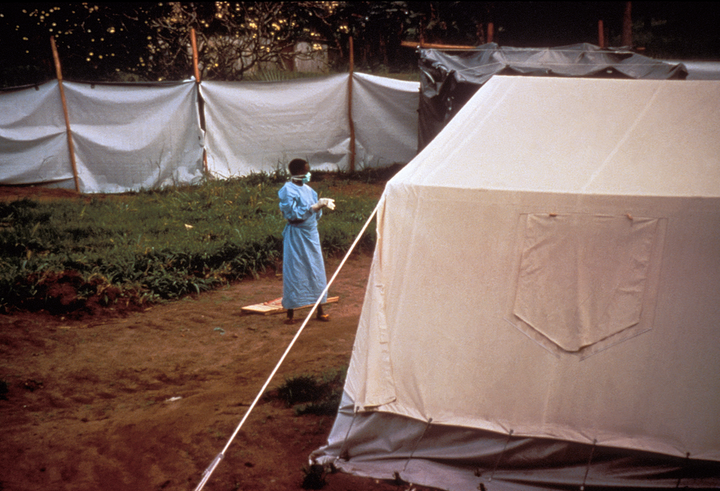
Uganda Held the Line on Ebola. Here's the Playbook Congo Needs Now
DR Congo2 MINREAD →
MUSICSTRATA-AF™STRATA-AF™ ORIGINAL
Music Is Starving in Sudan: How the RSF Silenced a Generation of Artists
Sudan2 MINREAD →
CULTURESTRATA-AF™★ EDITOR'S PICK
How BBNaija Rewired Nigerian Television And Everything Around It
Lagos, Pan-African2 MINREAD →
FASHIONSTRATA-AF™★ EDITOR'S PICK
Lagos Fashion Week's Green Push Is Either Africa's Best Bet or Its Greenest Greenwash
Pan-African2 MINREAD →
CULTURESTRATA-AF™★ EDITOR'S PICK
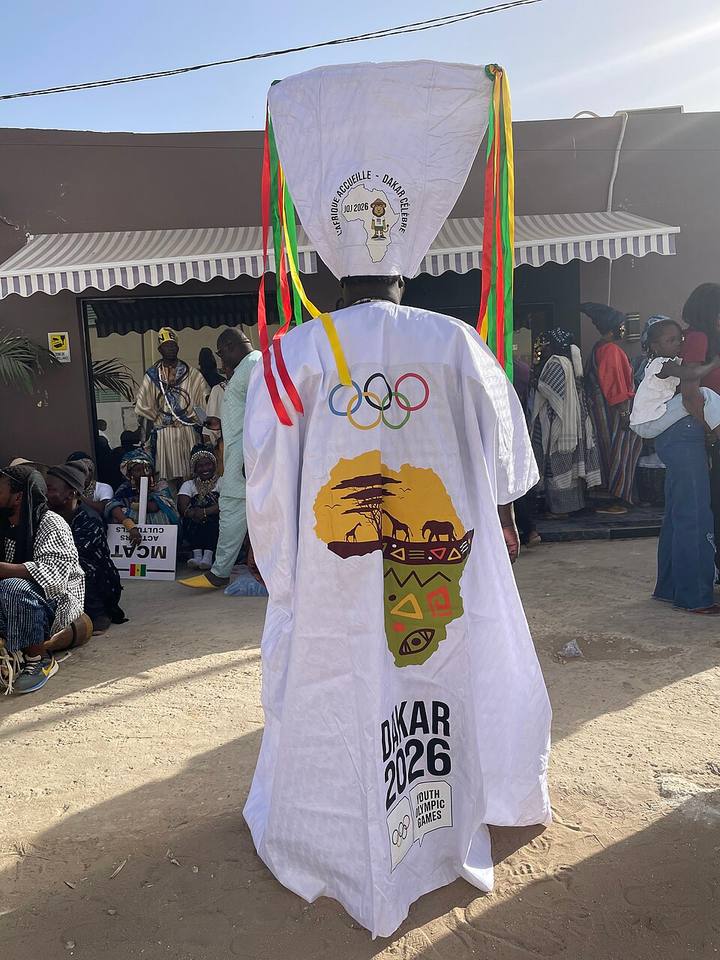
Dakar 2026 Is Africa's Olympic Moment
Senegal2 MINREAD →
SPORTSFROM THE WEB★ EDITOR'S PICK
Senegal set to make Olympic history with Dakar 2026 Youth Games
Dakar 2026 breaks a hosting monopoly that has excluded Africa from Olympic stewardship for over a century — the question is what institutional and economic legacy Senegal can extract from the moment.
Senegal1 MIN · Africanews · 25 JULREAD →
See all stories

The actual version — written by the people who live there.

10VERTICALS
6TYPES
5CITIES
1STANDARD
AboutMissionManifestoLegalOriginalsSubscribeArchiveShowsContributorsJobs
© 2026 STRATA-AF™ · STRATA PUBLISHING CO LTD · LAGOS · NAIROBI · JOBURG · ACCRA
 
 
--:--LAGOS
CultureMusicFilmTechSportsPoliticsHealthFinanceReligionFashion
tech
Can we really keep kids safe online?

Future of Privacy Forum CEO Jules Polonetsky says protecting minors online requires more than just restrictions and parental controls.

3 MIN · 27 MAY 2026
From the web · Rest of World
COVER 16:9
STRATA-AF™ ANGLEEDITORIAL SYNTHESIS BY STRATA-AF™

Africa's 600 million young people are coming online faster than anywhere else, yet Western-designed "child safety" frameworks completely ignore how digital access functions as educational and economic lifeline across the continent. While Silicon Valley debates parental controls, African families are using smartphones to access everything from mobile banking to distance learning, restrictions that work in Connecticut won't work in Kinshasa. The real conversation should be about building contextual digital literacy that empowers African youth rather than importing paternalistic solutions designed for different realities.

The escalating global debate over children's online safety has reached a critical juncture, with governments from Australia to the United States implementing sweeping social media restrictions for minors. Yet as Future of Privacy Forum CEO Jules Polonetsky argues, these blunt regulatory instruments may miss the mark entirely. For Africa, this conversation carries profound implications that extend far beyond digital policy. It touches the very core of how the continent's youngest generation will engage with the global digital economy and shape their own technological futures.

African policymakers would be wise to resist the temptation to simply copy Western regulatory frameworks without considering the continent's unique digital landscape. In many African nations, social media platforms serve as critical infrastructure for education, economic opportunity, and social connection in ways that differ markedly from their usage in developed economies. Young Africans often use these platforms to access educational content unavailable through traditional channels, participate in cross-border entrepreneurship, and maintain connections across vast geographical distances. A blanket age-based restriction could inadvertently create new forms of digital inequality, cutting off precisely those young people who might benefit most from digital inclusion.

The conversation around online safety also reveals deeper questions about digital sovereignty and cultural values. When global tech platforms implement safety measures designed primarily for Western contexts, they often fail to account for African social structures, family dynamics, and cultural norms around youth autonomy and responsibility. African societies have long traditions of community-based child protection and mentorship that could inform more nuanced approaches to online safety, approaches that emphasize collective responsibility rather than individual restriction.

Moreover, the focus on restricting access overlooks the more fundamental challenge of digital literacy and critical thinking skills. African educational systems have an opportunity to lead in developing comprehensive digital citizenship curricula that prepare young people not just to consume digital content safely, but to become creators, innovators, and leaders in the global digital space. This proactive approach aligns with the continent's broader aspirations for technological leapfrogging and indigenous innovation.

The enforcement challenges highlighted by Polonetsky are particularly acute in African contexts, where regulatory infrastructure may be less developed and where the informal economy, including informal digital practices, plays a larger role. Rather than pursuing unenforceable restrictions, African governments might instead focus on building robust digital rights frameworks that protect children while fostering innovation and inclusion. This could include supporting local tech development that incorporates African values around community protection and youth development from the ground up.

Ultimately, the question of keeping children safe online cannot be separated from broader questions of digital justice and equitable development. As African nations navigate these challenges, they have the opportunity to chart a different course, one that prioritizes empowerment over restriction, community wisdom over top-down regulation, and indigenous innovation over imported solutions. The continent's young people, who represent both its greatest asset and its digital future, deserve nothing less than policies that recognize their agency while genuinely protecting their wellbeing in an increasingly connected world.

READ THE SOURCE REPORT FROM REST OF WORLD

Enjoying Strata-AF™?

Sign in or sign up for a personalised feed and unlock Strata-AF™ Originals.

SIGN IN / SIGN UP
READ NEXT
--:--LAGOS
/shows/data/docs
tech
Can we really keep kids safe online?

Future of Privacy Forum CEO Jules Polonetsky says protecting minors online requires more than just restrictions and parental controls.

3 MIN READ · 27 MAY 2026
From the web · Rest of World
STRATA-AF™ ANGLEEDITORIAL SYNTHESIS BY STRATA-AF™

Africa's 600 million young people are coming online faster than anywhere else, yet Western-designed "child safety" frameworks completely ignore how digital access functions as educational and economic lifeline across the continent. While Silicon Valley debates parental controls, African families are using smartphones to access everything from mobile banking to distance learning, restrictions that work in Connecticut won't work in Kinshasa. The real conversation should be about building contextual digital literacy that empowers African youth rather than importing paternalistic solutions designed for different realities.

The escalating global debate over children's online safety has reached a critical juncture, with governments from Australia to the United States implementing sweeping social media restrictions for minors. Yet as Future of Privacy Forum CEO Jules Polonetsky argues, these blunt regulatory instruments may miss the mark entirely. For Africa, this conversation carries profound implications that extend far beyond digital policy. It touches the very core of how the continent's youngest generation will engage with the global digital economy and shape their own technological futures.

African policymakers would be wise to resist the temptation to simply copy Western regulatory frameworks without considering the continent's unique digital landscape. In many African nations, social media platforms serve as critical infrastructure for education, economic opportunity, and social connection in ways that differ markedly from their usage in developed economies. Young Africans often use these platforms to access educational content unavailable through traditional channels, participate in cross-border entrepreneurship, and maintain connections across vast geographical distances. A blanket age-based restriction could inadvertently create new forms of digital inequality, cutting off precisely those young people who might benefit most from digital inclusion.

The conversation around online safety also reveals deeper questions about digital sovereignty and cultural values. When global tech platforms implement safety measures designed primarily for Western contexts, they often fail to account for African social structures, family dynamics, and cultural norms around youth autonomy and responsibility. African societies have long traditions of community-based child protection and mentorship that could inform more nuanced approaches to online safety, approaches that emphasize collective responsibility rather than individual restriction.

Moreover, the focus on restricting access overlooks the more fundamental challenge of digital literacy and critical thinking skills. African educational systems have an opportunity to lead in developing comprehensive digital citizenship curricula that prepare young people not just to consume digital content safely, but to become creators, innovators, and leaders in the global digital space. This proactive approach aligns with the continent's broader aspirations for technological leapfrogging and indigenous innovation.

The enforcement challenges highlighted by Polonetsky are particularly acute in African contexts, where regulatory infrastructure may be less developed and where the informal economy, including informal digital practices, plays a larger role. Rather than pursuing unenforceable restrictions, African governments might instead focus on building robust digital rights frameworks that protect children while fostering innovation and inclusion. This could include supporting local tech development that incorporates African values around community protection and youth development from the ground up.

Ultimately, the question of keeping children safe online cannot be separated from broader questions of digital justice and equitable development. As African nations navigate these challenges, they have the opportunity to chart a different course, one that prioritizes empowerment over restriction, community wisdom over top-down regulation, and indigenous innovation over imported solutions. The continent's young people, who represent both its greatest asset and its digital future, deserve nothing less than policies that recognize their agency while genuinely protecting their wellbeing in an increasingly connected world.

READ THE SOURCE REPORT FROM REST OF WORLD

Enjoying Strata-AF™?

Sign in or sign up for a personalised feed and unlock Strata-AF™ Originals.

SIGN IN / SIGN UP
VERTICAL
tech
PUBLISHED
27 MAY 2026
NO COVER SET
READ NEXT1 PIECE SELECTED BY OUR EDITORS
CULTURE · MUSIC · FILM · TECH · SPORT · POLITICS · HEALTH · FINANCE · RELIGION · FASHION · LAGOS · NAIROBI · JOBURG · ACCRA · DATA JOURNALISM · ORIGINAL REPORTING · THE ACTUAL VERSION ·CULTURE · MUSIC · FILM · TECH · SPORT · POLITICS · HEALTH · FINANCE · RELIGION · FASHION · LAGOS · NAIROBI · JOBURG · ACCRA · DATA JOURNALISM · ORIGINAL REPORTING · THE ACTUAL VERSION ·
Premium editorial for a continent that's done waiting to be covered.

Not the export-market version. Not the diaspora version. The actual version — written by the people who live there.

Verticals
CultureMusicFilmTechSportsPolitics
HUBS
Strata-AF OriginalsDataDocsNewsletterArchiveShows
Company
AboutMissionManifestoLegal
REACH
10VERTICALS
6CONTENT TYPES
5CITIES
1STANDARD
© 2026 STRATA-AF™ · STRATA PUBLISHING CO LTD · LAGOS · JOBURG · NAIROBI · ACCRAPRIVACYTERMSCORRECTIONSMASTHEAD