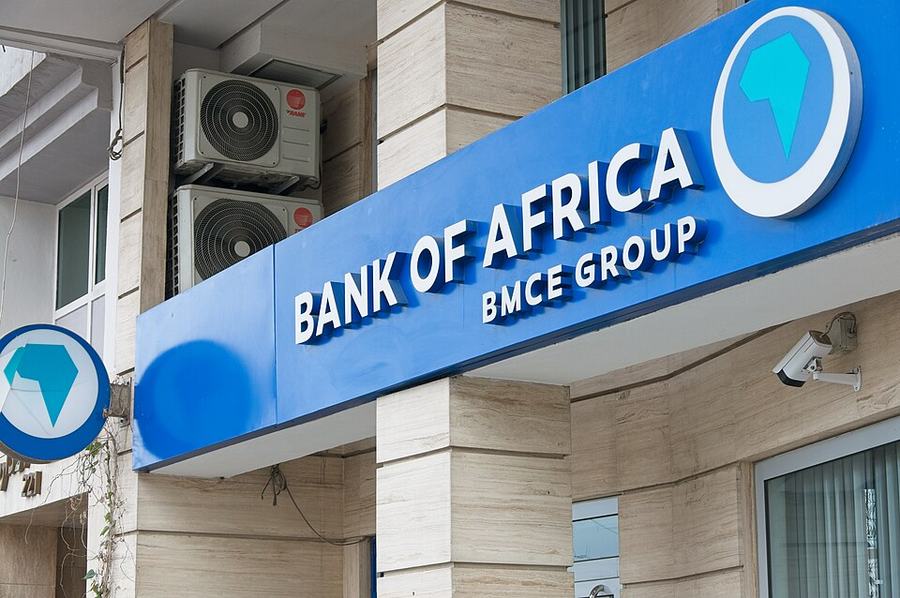
Bank of Africa Niger's stock price surged 40% on the West African stock exchange despite issuing profit warnings and experiencing significant declines in earnings.
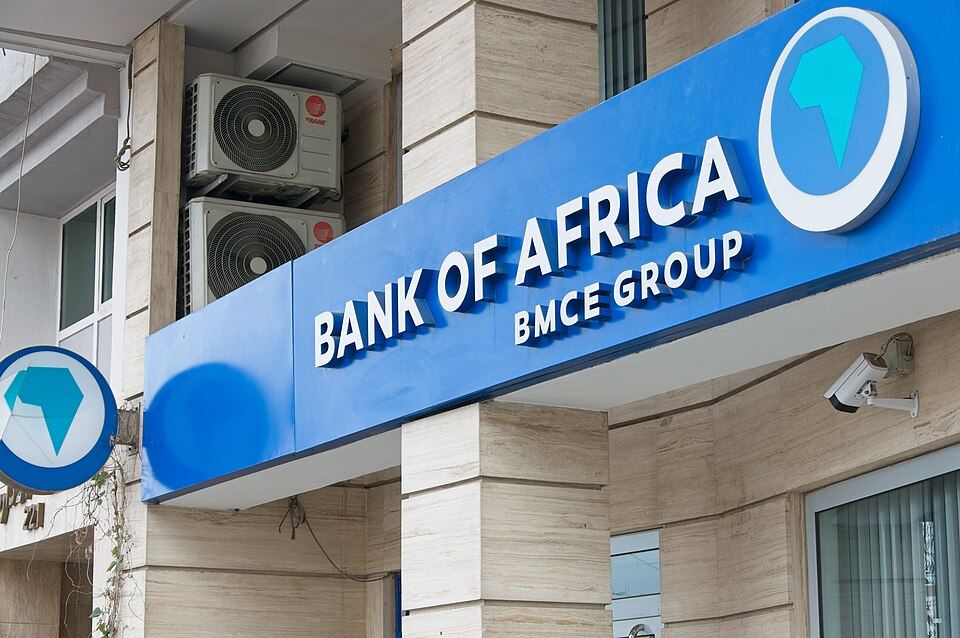
This counterintuitive market surge highlights the speculative nature and limited liquidity of West African capital markets, where institutional knowledge gaps can drive irrational price movements. The disconnect between BOA Niger's deteriorating fundamentals and soaring stock price underscores the urgent need for stronger financial literacy and regulatory oversight to protect retail investors across the region.
Bank of Africa Niger's remarkable 40% stock surge on the Bourse Régionale des Valeurs Mobilières presents a fascinating paradox that illuminates the complex dynamics of West African capital markets. Despite the bank issuing profit warnings and experiencing what appears to be a dramatic decline in earnings, investor sentiment has remained bullish, suggesting deeper market forces at play beyond immediate financial performance.
This counterintuitive market behavior reflects the peculiar characteristics of regional African stock exchanges, where liquidity constraints and limited float often create exaggerated price movements disconnected from fundamental analysis. The BRVM, serving eight West African nations, operates with relatively thin trading volumes compared to major global exchanges, meaning that even modest buying pressure can generate disproportionate price appreciation.
The disconnect between BOA Niger's operational challenges and market valuation underscores the speculative nature that still characterizes many African financial markets. Retail investors, often lacking sophisticated financial analysis tools, may be responding to name recognition and regional banking sector optimism rather than parsing through earnings reports and profit warnings. This behavior pattern is emblematic of emerging market dynamics across the continent.
From a broader Pan-African perspective, BOA Niger's situation highlights the ongoing need for enhanced financial literacy and market transparency across regional exchanges. While the BRVM represents an important step toward financial integration in francophone West Africa, incidents like this demonstrate the market's immaturity and the potential for significant mispricing of assets.
The banking sector's resilience in investor perception, despite operational headwinds, may also reflect confidence in Niger's economic potential and the strategic importance of financial institutions in the region's development trajectory. However, such divorced market movements from fundamental performance could ultimately undermine investor confidence if sustainable returns fail to materialize, potentially hampering the long-term development of robust capital markets across West Africa.
READ THE SOURCE REPORT FROM FINANCIAL AFRIK →Enjoying Strata-AF™?
Sign in or sign up for a personalised feed and unlock Strata-AF™ Originals.