--:--LAGOS
CultureMusicFilmTechSportsPoliticsHealthFinanceReligionFashion
culture
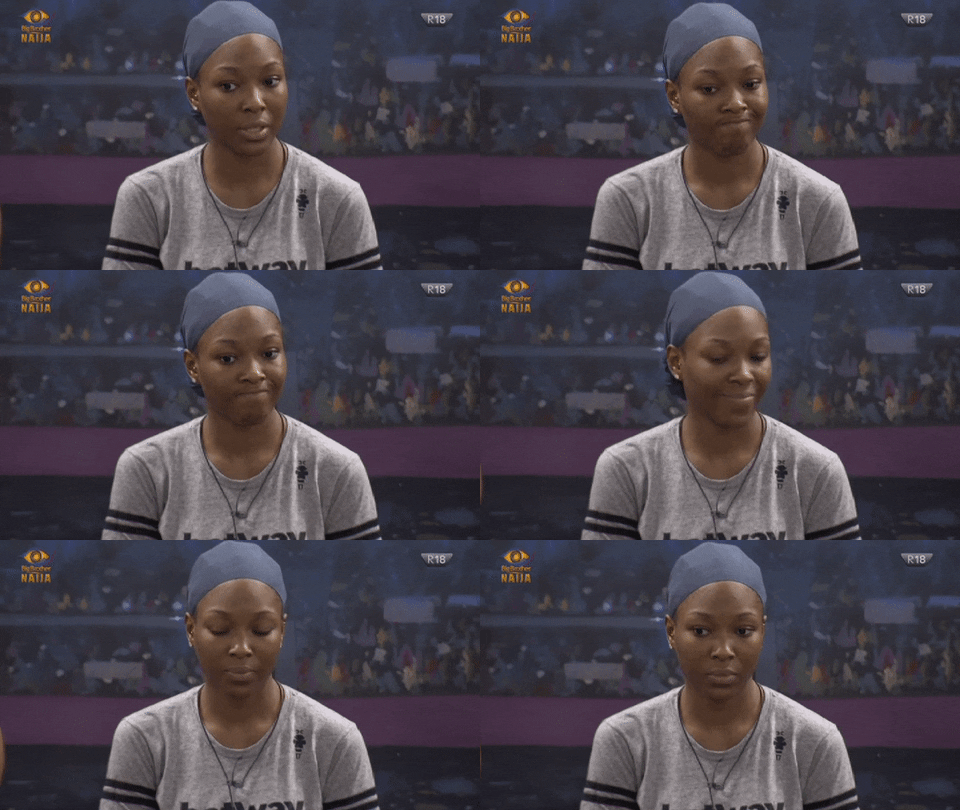
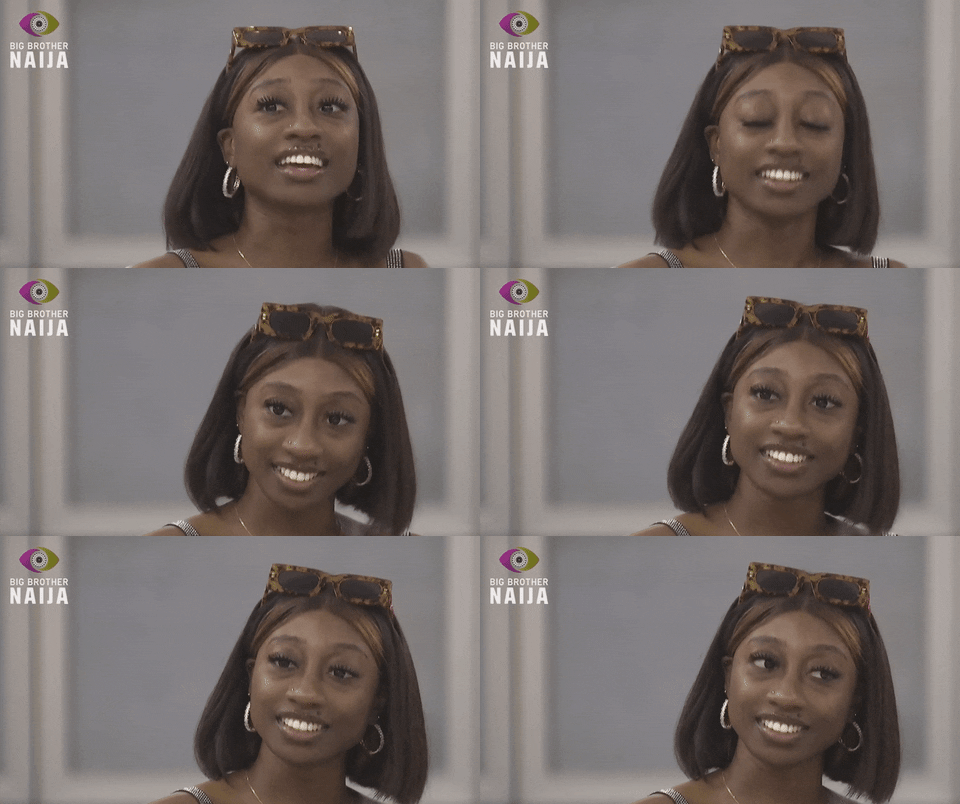
What BBNaija's Casting Actually Selects For

Regional spread and social reach, weighed against whatever produces the clip.

The 2026 Big Brother Naija auditions are underway, with the show set to premiere on July 26, 2026.
YNaija
Nigeria3 MIN
From the web · YNaija
What BBNaija's Casting Actually Selects For
IMAGE · BigBrotherNaija · GIPHY
STRATA-AF™ ANGLEEDITORIAL SYNTHESIS BY STRATA-AF™

Big Brother Naija's casting evolution reflects Nigeria's growing cultural influence across Africa, as producers balance entertainment value with authentic representation of contemporary African youth. The show's selection criteria will likely emphasize diverse regional backgrounds and social media savvy, positioning BBN as a cultural export that shapes pan-African conversations about identity, success, and modern African narratives.

The phenomenon of Big Brother Naija represents far more than entertainment. It has become a cultural laboratory that reflects and shapes contemporary African identity in the digital age. As the 2026 edition approaches, the casting decisions facing producers illuminate deeper questions about representation, authenticity, and the commodification of African narratives for global consumption. The show's evolution from its inception to its current iteration reveals how reality television has become a powerful vehicle for projecting African stories, personalities, and social dynamics to audiences across the continent and beyond.

The casting criteria for Big Brother Naija inevitably expose the tensions between commercial viability and genuine representation of Nigeria's complex social fabric. Past seasons have demonstrated a clear preference for contestants who embody certain archetypes, the entrepreneur, the influencer, the rebel, the romantic. That generate predictable narrative arcs and audience engagement. Yet this formulaic approach raises critical questions about whether the show truly captures the diversity of Nigerian society or merely perpetuates sanitized versions of African identity designed for maximum palatability. The producers' challenge lies in balancing the need for compelling television with the responsibility to present authentic African stories that resonate beyond superficial entertainment value.

From a Pan-African perspective, Big Brother Naija's casting choices carry implications that extend far beyond Nigeria's borders. The show has become one of Africa's most visible cultural exports, influencing perceptions of African youth, aspirations, and social dynamics across the diaspora and internationally. When producers select contestants, they are essentially choosing cultural ambassadors who will represent not just Nigeria but contemporary Africa to millions of viewers. This responsibility demands a more thoughtful approach to diversity that goes beyond regional or ethnic tokenism to encompass genuine representation of the continent's intellectual, creative, and entrepreneurial dynamism.

The economic dimensions of casting decisions cannot be ignored in understanding the show's broader impact on African creative industries. Big Brother Naija has proven to be a launching pad for careers in entertainment, fashion, technology, and business, creating a new pathway for young Africans to build continental and global brands. The producers' selection criteria directly influence which types of African entrepreneurs and creatives gain access to these opportunities, potentially shaping the trajectory of talent development across multiple industries. This gatekeeping function places enormous responsibility on casting directors to identify individuals who can leverage their platform for meaningful impact beyond the confines of reality television.

The show's influence on social discourse across Africa highlights the need for more intentional representation of diverse perspectives and backgrounds in future casting. Previous seasons have sparked conversations about class, gender dynamics, regionalism, and generational values that reverberate throughout African social media and popular culture. As the continent grapples with questions of identity, development, and cultural preservation in an increasingly connected world, Big Brother Naija's casting choices can either contribute to meaningful dialogue or perpetuate limiting narratives about African society.

The upcoming 2026 season presents an opportunity for producers to demonstrate a more sophisticated understanding of their platform's cultural significance. Rather than simply seeking contestants who fit proven entertainment formulas, the selection process should prioritize individuals whose stories reflect the complexity, ambition, and innovation that characterize contemporary Africa. The ultimate measure of successful casting will not be audience ratings alone, but whether the chosen contestants can authentically represent the continent's diversity while inspiring viewers to pursue their own dreams with creativity, integrity, and Pan-African consciousness.

READ THE SOURCE REPORT FROM YNAIJA

Enjoying Strata-AF™?

Sign in or sign up for a personalised feed and unlock Strata-AF™ Originals.
SIGN IN / SIGN UP
--:--LAGOS
STRATA-AF™
ISSUE 001FEED◎ SEARCHSUBSCRIBE
/shows/data/docs
culture
What BBNaija's Casting Actually Selects For
IMAGE · BigBrotherNaija · GIPHY
What BBNaija's Casting Actually Selects For

Regional spread and social reach, weighed against whatever produces the clip.

The 2026 Big Brother Naija auditions are underway, with the show set to premiere on July 26, 2026.

YNaija
Nigeria3 MIN READ
From the web · YNaija
STRATA-AF™ ANGLEEDITORIAL SYNTHESIS BY STRATA-AF™

Big Brother Naija's casting evolution reflects Nigeria's growing cultural influence across Africa, as producers balance entertainment value with authentic representation of contemporary African youth. The show's selection criteria will likely emphasize diverse regional backgrounds and social media savvy, positioning BBN as a cultural export that shapes pan-African conversations about identity, success, and modern African narratives.

The phenomenon of Big Brother Naija represents far more than entertainment. It has become a cultural laboratory that reflects and shapes contemporary African identity in the digital age. As the 2026 edition approaches, the casting decisions facing producers illuminate deeper questions about representation, authenticity, and the commodification of African narratives for global consumption. The show's evolution from its inception to its current iteration reveals how reality television has become a powerful vehicle for projecting African stories, personalities, and social dynamics to audiences across the continent and beyond.

The casting criteria for Big Brother Naija inevitably expose the tensions between commercial viability and genuine representation of Nigeria's complex social fabric. Past seasons have demonstrated a clear preference for contestants who embody certain archetypes, the entrepreneur, the influencer, the rebel, the romantic. That generate predictable narrative arcs and audience engagement. Yet this formulaic approach raises critical questions about whether the show truly captures the diversity of Nigerian society or merely perpetuates sanitized versions of African identity designed for maximum palatability. The producers' challenge lies in balancing the need for compelling television with the responsibility to present authentic African stories that resonate beyond superficial entertainment value.

From a Pan-African perspective, Big Brother Naija's casting choices carry implications that extend far beyond Nigeria's borders. The show has become one of Africa's most visible cultural exports, influencing perceptions of African youth, aspirations, and social dynamics across the diaspora and internationally. When producers select contestants, they are essentially choosing cultural ambassadors who will represent not just Nigeria but contemporary Africa to millions of viewers. This responsibility demands a more thoughtful approach to diversity that goes beyond regional or ethnic tokenism to encompass genuine representation of the continent's intellectual, creative, and entrepreneurial dynamism.

The economic dimensions of casting decisions cannot be ignored in understanding the show's broader impact on African creative industries. Big Brother Naija has proven to be a launching pad for careers in entertainment, fashion, technology, and business, creating a new pathway for young Africans to build continental and global brands. The producers' selection criteria directly influence which types of African entrepreneurs and creatives gain access to these opportunities, potentially shaping the trajectory of talent development across multiple industries. This gatekeeping function places enormous responsibility on casting directors to identify individuals who can leverage their platform for meaningful impact beyond the confines of reality television.

The show's influence on social discourse across Africa highlights the need for more intentional representation of diverse perspectives and backgrounds in future casting. Previous seasons have sparked conversations about class, gender dynamics, regionalism, and generational values that reverberate throughout African social media and popular culture. As the continent grapples with questions of identity, development, and cultural preservation in an increasingly connected world, Big Brother Naija's casting choices can either contribute to meaningful dialogue or perpetuate limiting narratives about African society.

The upcoming 2026 season presents an opportunity for producers to demonstrate a more sophisticated understanding of their platform's cultural significance. Rather than simply seeking contestants who fit proven entertainment formulas, the selection process should prioritize individuals whose stories reflect the complexity, ambition, and innovation that characterize contemporary Africa. The ultimate measure of successful casting will not be audience ratings alone, but whether the chosen contestants can authentically represent the continent's diversity while inspiring viewers to pursue their own dreams with creativity, integrity, and Pan-African consciousness.

READ THE SOURCE REPORT FROM YNAIJA

Enjoying Strata-AF™?

Sign in or sign up for a personalised feed and unlock Strata-AF™ Originals.
SIGN IN / SIGN UP
VERTICAL
culture
ORIGIN
Nigeria
CULTURE · MUSIC · FILM · TECH · SPORT · POLITICS · HEALTH · FINANCE · RELIGION · FASHION · LAGOS · NAIROBI · JOBURG · ACCRA · DATA JOURNALISM · ORIGINAL REPORTING · THE ACTUAL VERSION ·CULTURE · MUSIC · FILM · TECH · SPORT · POLITICS · HEALTH · FINANCE · RELIGION · FASHION · LAGOS · NAIROBI · JOBURG · ACCRA · DATA JOURNALISM · ORIGINAL REPORTING · THE ACTUAL VERSION ·
Premium editorial for a continent that's done waiting to be covered.

Not the export-market version. Not the diaspora version. The actual version — written by the people who live there.

Verticals
CultureMusicFilmTechSportsPolitics
HUBS
Strata-AF OriginalsDataDocsNewsletterArchiveShows
Company
AboutMissionManifestoLegal
REACH
10VERTICALS
6CONTENT TYPES
5CITIES
1STANDARD
© 2026 STRATA-AF™ · STRATA PUBLISHING CO LTD · LAGOS · JOBURG · NAIROBI · ACCRAPRIVACYTERMSCORRECTIONSMASTHEAD
 
 
--:--LAGOS
CultureMusicFilmTechSportsPoliticsHealthFinanceReligionFashion
Highlights
Strata-AF
Editor's Pick
From the web
SPORTSSTRATA-AF™STRATA-AF™ ORIGINAL
WAFCON 2026 Proved African Women's Football Is Ready. The Clubs Aren't.
2 MINREAD →
POLITICSSTRATA-AF™★ EDITOR'S PICK
The Lagos Cancellation Is Not About Tyla Really, Or Is It ?
Pan-African2 MINREAD →
MUSICSTRATA-AF™★ EDITOR'S PICK
Blood, Beats & Betrayal: How Family Killed P-Square
Nigeria2 MINREAD →
MUSICBY THE NUMBERSSTRATA-AF™ ORIGINAL
Where African Artists Earn, Lose, and Get Erased on Stream
Pan-African2 MINREAD →
HEALTHSTRATA-AF™★ EDITOR'S PICK
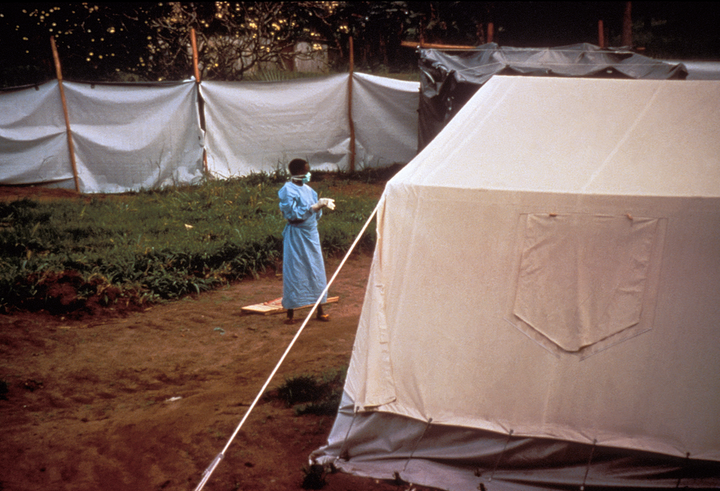
Uganda Held the Line on Ebola. Here's the Playbook Congo Needs Now
DR Congo2 MINREAD →
MUSICSTRATA-AF™STRATA-AF™ ORIGINAL
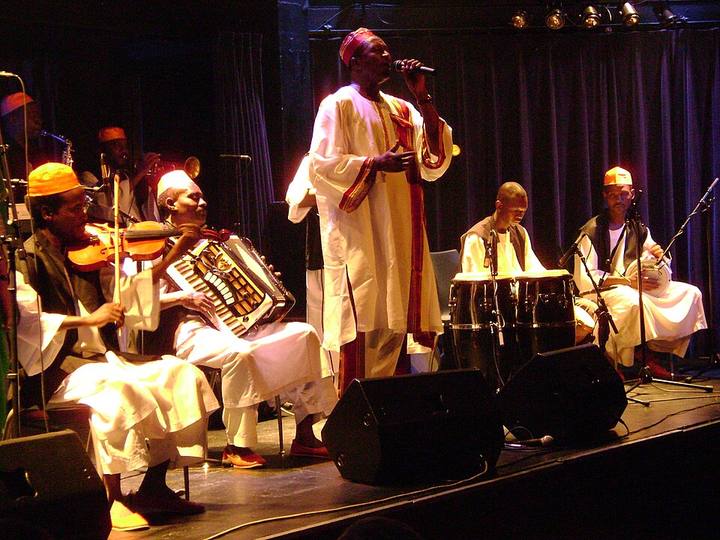
Music Is Starving in Sudan: How the RSF Silenced a Generation of Artists
Sudan2 MINREAD →
CULTURESTRATA-AF™★ EDITOR'S PICK
How BBNaija Rewired Nigerian Television And Everything Around It
Lagos, Pan-African2 MINREAD →
FASHIONSTRATA-AF™★ EDITOR'S PICK
Lagos Fashion Week's Green Push Is Either Africa's Best Bet or Its Greenest Greenwash
Pan-African2 MINREAD →
CULTURESTRATA-AF™★ EDITOR'S PICK
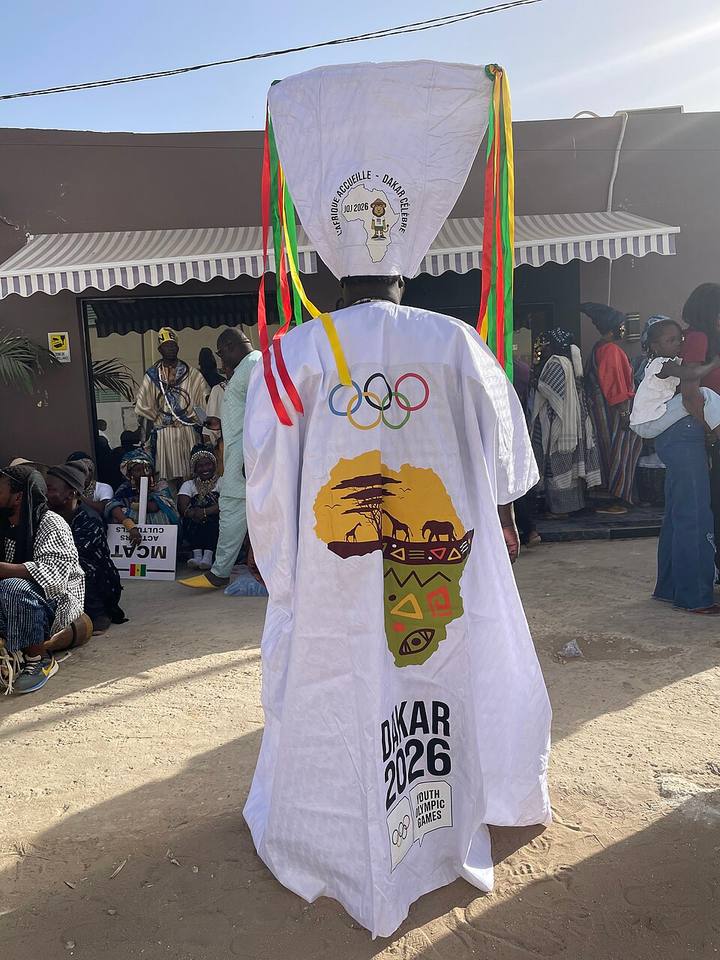
Dakar 2026 Is Africa's Olympic Moment
Senegal2 MINREAD →
SPORTSFROM THE WEB★ EDITOR'S PICK
Senegal set to make Olympic history with Dakar 2026 Youth Games
Dakar 2026 breaks a hosting monopoly that has excluded Africa from Olympic stewardship for over a century — the question is what institutional and economic legacy Senegal can extract from the moment.
Senegal1 MIN · Africanews · 25 JULREAD →
See all stories

The actual version — written by the people who live there.

10VERTICALS
6TYPES
5CITIES
1STANDARD
AboutMissionManifestoLegalOriginalsSubscribeArchiveShowsContributorsJobs
© 2026 STRATA-AF™ · STRATA PUBLISHING CO LTD · LAGOS · NAIROBI · JOBURG · ACCRA
 
 
--:--LAGOS
CultureMusicFilmTechSportsPoliticsHealthFinanceReligionFashion
culture
What BBNaija's Casting Actually Selects For

Regional spread and social reach, weighed against whatever produces the clip.

The 2026 Big Brother Naija auditions are underway, with the show set to premiere on July 26, 2026.

YNaija
Nigeria3 MIN
From the web · YNaija
What BBNaija's Casting Actually Selects For
STRATA-AF™ ANGLEEDITORIAL SYNTHESIS BY STRATA-AF™

Big Brother Naija's casting evolution reflects Nigeria's growing cultural influence across Africa, as producers balance entertainment value with authentic representation of contemporary African youth. The show's selection criteria will likely emphasize diverse regional backgrounds and social media savvy, positioning BBN as a cultural export that shapes pan-African conversations about identity, success, and modern African narratives.

The phenomenon of Big Brother Naija represents far more than entertainment. It has become a cultural laboratory that reflects and shapes contemporary African identity in the digital age. As the 2026 edition approaches, the casting decisions facing producers illuminate deeper questions about representation, authenticity, and the commodification of African narratives for global consumption. The show's evolution from its inception to its current iteration reveals how reality television has become a powerful vehicle for projecting African stories, personalities, and social dynamics to audiences across the continent and beyond.

The casting criteria for Big Brother Naija inevitably expose the tensions between commercial viability and genuine representation of Nigeria's complex social fabric. Past seasons have demonstrated a clear preference for contestants who embody certain archetypes, the entrepreneur, the influencer, the rebel, the romantic. That generate predictable narrative arcs and audience engagement. Yet this formulaic approach raises critical questions about whether the show truly captures the diversity of Nigerian society or merely perpetuates sanitized versions of African identity designed for maximum palatability. The producers' challenge lies in balancing the need for compelling television with the responsibility to present authentic African stories that resonate beyond superficial entertainment value.

From a Pan-African perspective, Big Brother Naija's casting choices carry implications that extend far beyond Nigeria's borders. The show has become one of Africa's most visible cultural exports, influencing perceptions of African youth, aspirations, and social dynamics across the diaspora and internationally. When producers select contestants, they are essentially choosing cultural ambassadors who will represent not just Nigeria but contemporary Africa to millions of viewers. This responsibility demands a more thoughtful approach to diversity that goes beyond regional or ethnic tokenism to encompass genuine representation of the continent's intellectual, creative, and entrepreneurial dynamism.

The economic dimensions of casting decisions cannot be ignored in understanding the show's broader impact on African creative industries. Big Brother Naija has proven to be a launching pad for careers in entertainment, fashion, technology, and business, creating a new pathway for young Africans to build continental and global brands. The producers' selection criteria directly influence which types of African entrepreneurs and creatives gain access to these opportunities, potentially shaping the trajectory of talent development across multiple industries. This gatekeeping function places enormous responsibility on casting directors to identify individuals who can leverage their platform for meaningful impact beyond the confines of reality television.

The show's influence on social discourse across Africa highlights the need for more intentional representation of diverse perspectives and backgrounds in future casting. Previous seasons have sparked conversations about class, gender dynamics, regionalism, and generational values that reverberate throughout African social media and popular culture. As the continent grapples with questions of identity, development, and cultural preservation in an increasingly connected world, Big Brother Naija's casting choices can either contribute to meaningful dialogue or perpetuate limiting narratives about African society.

The upcoming 2026 season presents an opportunity for producers to demonstrate a more sophisticated understanding of their platform's cultural significance. Rather than simply seeking contestants who fit proven entertainment formulas, the selection process should prioritize individuals whose stories reflect the complexity, ambition, and innovation that characterize contemporary Africa. The ultimate measure of successful casting will not be audience ratings alone, but whether the chosen contestants can authentically represent the continent's diversity while inspiring viewers to pursue their own dreams with creativity, integrity, and Pan-African consciousness.

READ THE SOURCE REPORT FROM YNAIJA

Enjoying Strata-AF™?

Sign in or sign up for a personalised feed and unlock Strata-AF™ Originals.
SIGN IN / SIGN UP
--:--LAGOS
/shows/data/docs
culture
What BBNaija's Casting Actually Selects For
IMAGE · BigBrotherNaija · GIPHY
What BBNaija's Casting Actually Selects For

Regional spread and social reach, weighed against whatever produces the clip.

The 2026 Big Brother Naija auditions are underway, with the show set to premiere on July 26, 2026.

YNaija
Nigeria3 MIN READ
From the web · YNaija
STRATA-AF™ ANGLEEDITORIAL SYNTHESIS BY STRATA-AF™

Big Brother Naija's casting evolution reflects Nigeria's growing cultural influence across Africa, as producers balance entertainment value with authentic representation of contemporary African youth. The show's selection criteria will likely emphasize diverse regional backgrounds and social media savvy, positioning BBN as a cultural export that shapes pan-African conversations about identity, success, and modern African narratives.

The phenomenon of Big Brother Naija represents far more than entertainment. It has become a cultural laboratory that reflects and shapes contemporary African identity in the digital age. As the 2026 edition approaches, the casting decisions facing producers illuminate deeper questions about representation, authenticity, and the commodification of African narratives for global consumption. The show's evolution from its inception to its current iteration reveals how reality television has become a powerful vehicle for projecting African stories, personalities, and social dynamics to audiences across the continent and beyond.

The casting criteria for Big Brother Naija inevitably expose the tensions between commercial viability and genuine representation of Nigeria's complex social fabric. Past seasons have demonstrated a clear preference for contestants who embody certain archetypes, the entrepreneur, the influencer, the rebel, the romantic. That generate predictable narrative arcs and audience engagement. Yet this formulaic approach raises critical questions about whether the show truly captures the diversity of Nigerian society or merely perpetuates sanitized versions of African identity designed for maximum palatability. The producers' challenge lies in balancing the need for compelling television with the responsibility to present authentic African stories that resonate beyond superficial entertainment value.

From a Pan-African perspective, Big Brother Naija's casting choices carry implications that extend far beyond Nigeria's borders. The show has become one of Africa's most visible cultural exports, influencing perceptions of African youth, aspirations, and social dynamics across the diaspora and internationally. When producers select contestants, they are essentially choosing cultural ambassadors who will represent not just Nigeria but contemporary Africa to millions of viewers. This responsibility demands a more thoughtful approach to diversity that goes beyond regional or ethnic tokenism to encompass genuine representation of the continent's intellectual, creative, and entrepreneurial dynamism.

The economic dimensions of casting decisions cannot be ignored in understanding the show's broader impact on African creative industries. Big Brother Naija has proven to be a launching pad for careers in entertainment, fashion, technology, and business, creating a new pathway for young Africans to build continental and global brands. The producers' selection criteria directly influence which types of African entrepreneurs and creatives gain access to these opportunities, potentially shaping the trajectory of talent development across multiple industries. This gatekeeping function places enormous responsibility on casting directors to identify individuals who can leverage their platform for meaningful impact beyond the confines of reality television.

The show's influence on social discourse across Africa highlights the need for more intentional representation of diverse perspectives and backgrounds in future casting. Previous seasons have sparked conversations about class, gender dynamics, regionalism, and generational values that reverberate throughout African social media and popular culture. As the continent grapples with questions of identity, development, and cultural preservation in an increasingly connected world, Big Brother Naija's casting choices can either contribute to meaningful dialogue or perpetuate limiting narratives about African society.

The upcoming 2026 season presents an opportunity for producers to demonstrate a more sophisticated understanding of their platform's cultural significance. Rather than simply seeking contestants who fit proven entertainment formulas, the selection process should prioritize individuals whose stories reflect the complexity, ambition, and innovation that characterize contemporary Africa. The ultimate measure of successful casting will not be audience ratings alone, but whether the chosen contestants can authentically represent the continent's diversity while inspiring viewers to pursue their own dreams with creativity, integrity, and Pan-African consciousness.

READ THE SOURCE REPORT FROM YNAIJA

Enjoying Strata-AF™?

Sign in or sign up for a personalised feed and unlock Strata-AF™ Originals.
SIGN IN / SIGN UP
VERTICAL
culture
ORIGIN
Nigeria
CULTURE · MUSIC · FILM · TECH · SPORT · POLITICS · HEALTH · FINANCE · RELIGION · FASHION · LAGOS · NAIROBI · JOBURG · ACCRA · DATA JOURNALISM · ORIGINAL REPORTING · THE ACTUAL VERSION ·CULTURE · MUSIC · FILM · TECH · SPORT · POLITICS · HEALTH · FINANCE · RELIGION · FASHION · LAGOS · NAIROBI · JOBURG · ACCRA · DATA JOURNALISM · ORIGINAL REPORTING · THE ACTUAL VERSION ·
Premium editorial for a continent that's done waiting to be covered.

Not the export-market version. Not the diaspora version. The actual version — written by the people who live there.

Verticals
CultureMusicFilmTechSportsPolitics
HUBS
Strata-AF OriginalsDataDocsNewsletterArchiveShows
Company
AboutMissionManifestoLegal
REACH
10VERTICALS
6CONTENT TYPES
5CITIES
1STANDARD
© 2026 STRATA-AF™ · STRATA PUBLISHING CO LTD · LAGOS · JOBURG · NAIROBI · ACCRAPRIVACYTERMSCORRECTIONSMASTHEAD