Johannesburg's Constitution Hill hosts the 14th Basha Uhuru Freedom Festival this June, pairing youth activism with music, art and enterprise programming.
The annual Basha Uhuru Freedom Festival will return to Johannesburg's Constitution Hill from 24 to 27 June, marking its 14th edition with a programme focused on youth activism, creative expression and entrepreneurship.
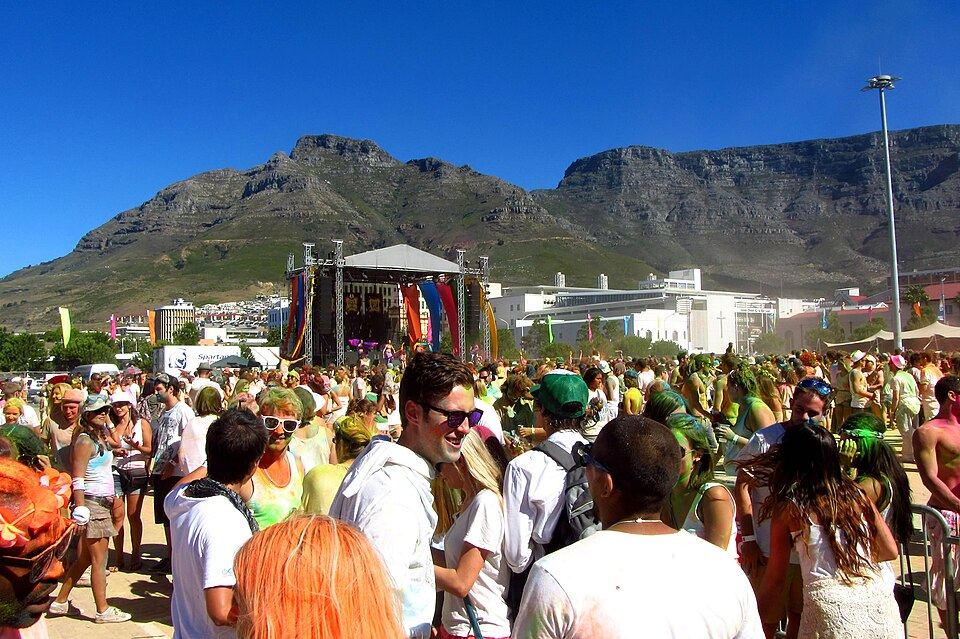
The Basha Uhuru Freedom Festival is one of the continent's few major cultural events that refuses to decouple itself from its political origins. Its name is a deliberate tether to June 16 and the Soweto Uprising dead. In an era when African festivals increasingly pitch themselves to streaming platforms and international audiences, Basha Uhuru's stubborn localism is its structural advantage. The question is whether its programming can sustain that political edge as Youth Month becomes a government-managed calendar fixture.
The Basha Uhuru Freedom Festival's 14th edition, returning to Johannesburg's Constitution Hill, sits in a particular South African tradition of festivals that fuse youth activism with creative and entrepreneurial programming, using June's Youth Month commemorations as both calendar anchor and political framing device. That combination matters in a country where youth unemployment remains severe enough that 'entrepreneurship' programming at a culture festival isn't incidental branding, it's a direct response to material conditions.
Constitution Hill itself is a loaded venue choice, a former prison complex turned constitutional symbol, now hosting a festival explicitly themed around commemoration and youth voice. That siting does real symbolic work: it links the festival's programming to South Africa's broader project of reckoning with its past while making claims on its future.
Festivals like Basha Uhuru occupy a useful space in South African cultural infrastructure precisely because they refuse to separate creative expression from political consciousness, a stance that's increasingly rare in commercially-driven festival programming elsewhere on the continent, where sponsorship pressures often push events toward depoliticised, brand-safe content. Fourteen consecutive editions suggest that approach has found a sustainable audience, not just a sympathetic one.
READ THE SOURCE REPORT FROM MUSIC IN AFRICA →Enjoying Strata-AF™?
Sign in or sign up for a personalised feed and unlock Strata-AF™ Originals.