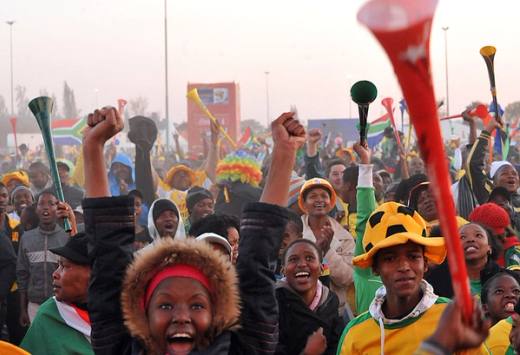
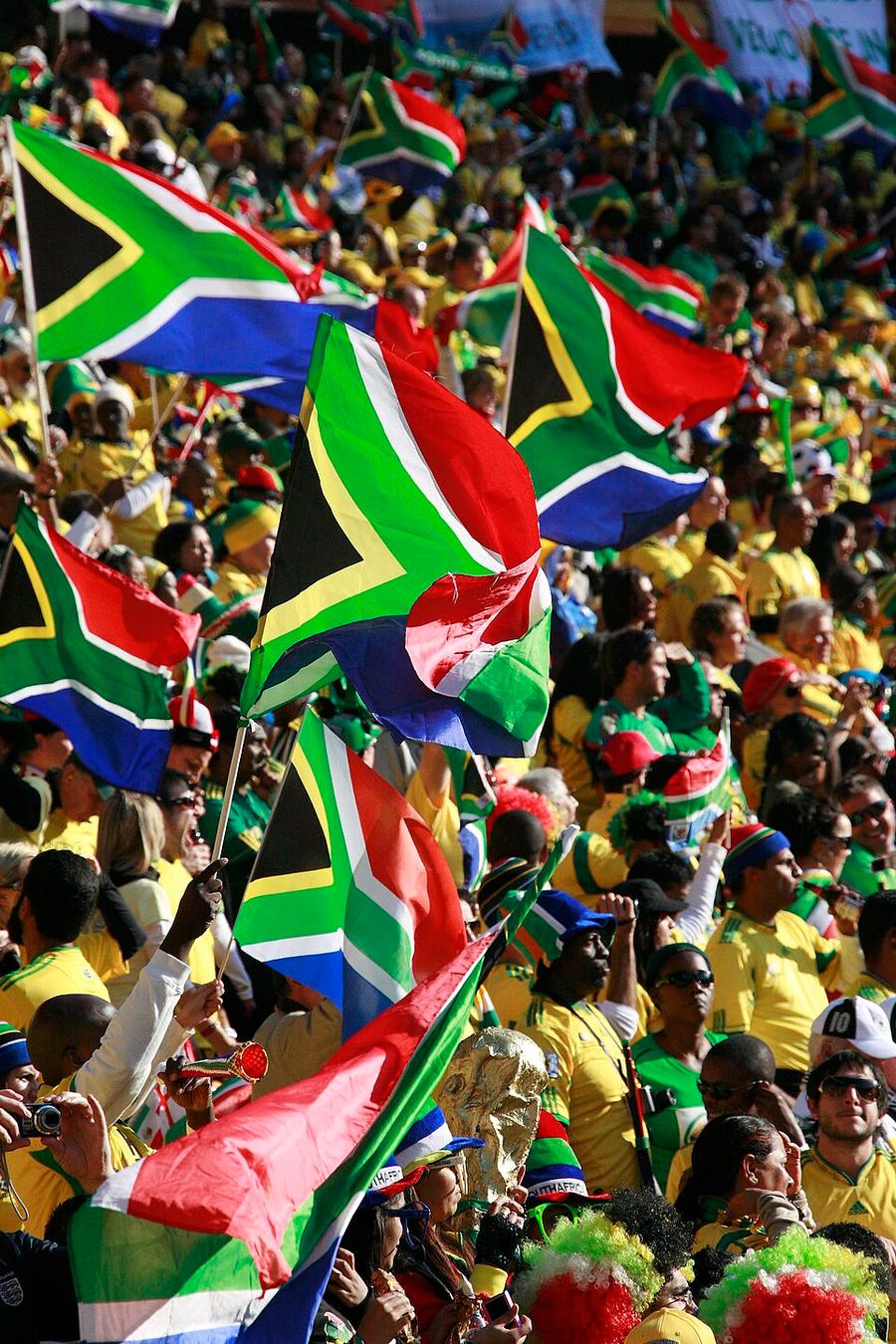
South Africa reached the Fifa World Cup knockout stage for the first time in history on Thursday morning, beating South Korea 1-0 in Monterrey to complete a remarkable Group A turnaround.
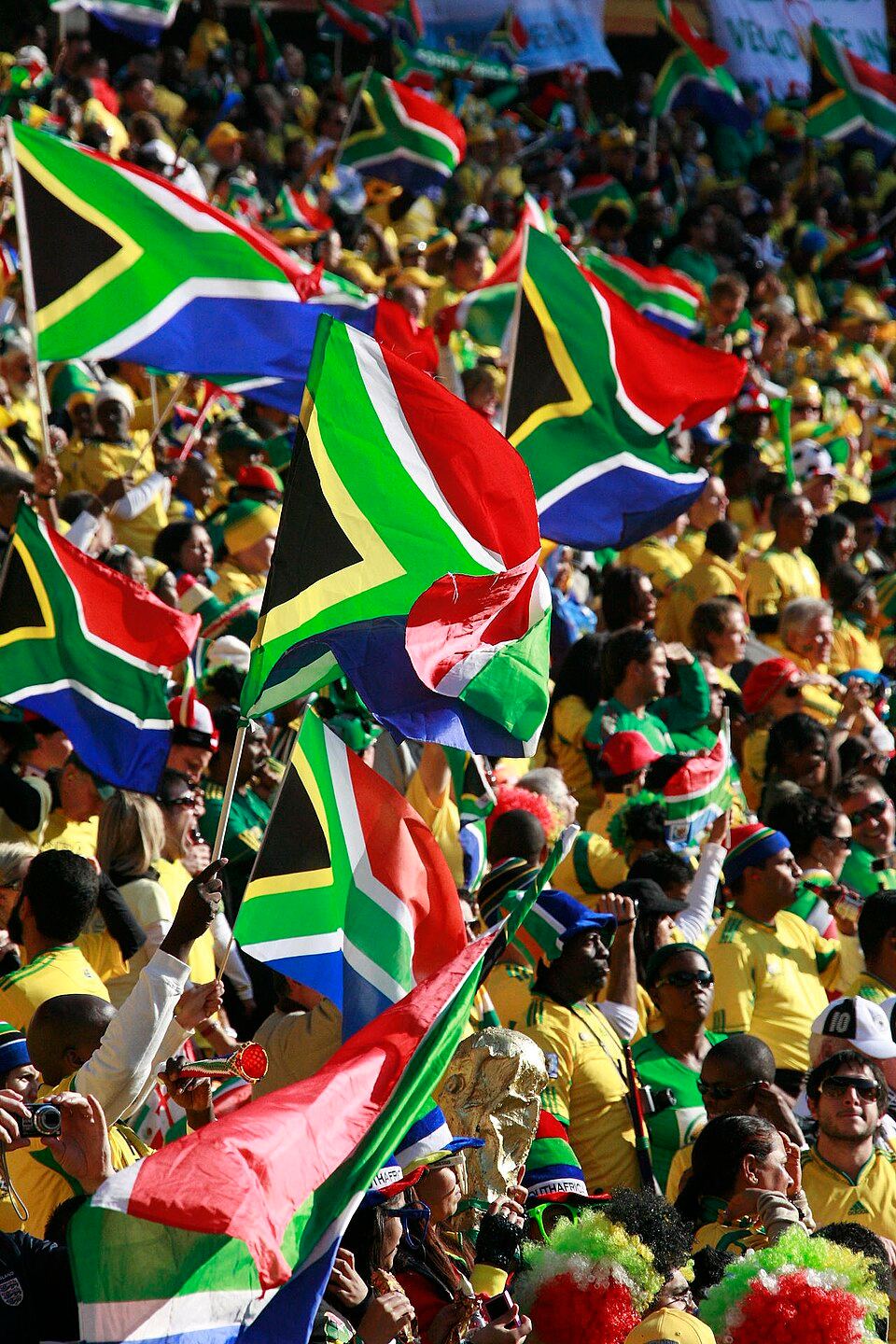
South Africa's 1-0 win over South Korea delivers the one result that has eluded Bafana Bafana across four previous World Cup campaigns progression beyond the group stage. This isn't just a football milestone; it's visible proof that the PSL-to-Europe player development pipeline is producing internationally competitive footballers, and a data point in Africa's ongoing argument for expanded continental quota at future tournaments.
South Africa's 1-0 victory over South Korea in Monterrey to advance to the FIFA World Cup knockout stage for the first time in the country's history is a milestone that carries weight well beyond ninety minutes of football. Bafana Bafana have appeared at three previous World Cups,1998, 2002, and as the 2010 host nation, without progressing past the group stage. That record, against a backdrop of a country that hosted the tournament and still could not advance, became a loaded symbol of the gap between South African football's infrastructure and its ambition. Thursday's result rewrites that narrative.
The structural story behind this result is as interesting as the tactical one. The generation of players now representing South Africa has been developed largely through the PSL's academy system and, critically, through exports to European and American leagues that have given them exposure to competitive environments at a level that domestic football cannot replicate. Percy Tau, Themba Zwane, and the growing cohort of players in European lower tiers represent a pipeline that is visibly bearing fruit. The challenge for SAFA will be sustaining that development pathway and ensuring the PSL remains a viable competitive standard rather than a pure feeder league.
The political resonance in South Africa should not be underestimated. National sport in post-apartheid South Africa has always carried a representational burden that goes beyond sport: who is on the pitch, how the national team performs, and whether it can produce moments of collective pride across a society that remains deeply divided along class, racial, and geographic lines. Bafana's knockout stage qualification arrives at a moment of significant domestic political complexity, a GNU government navigating competing interests, and gives the country something genuinely worth celebrating.
For the African continent, the result matters too. With the 2030 World Cup co-hosted by Morocco, Spain, and Portugal, and Africa continuing to push for expanded quota at future tournaments, performances like this one build the evidentiary case that African football has developed to a level where group-stage elimination is no longer the ceiling. Bafana's night in Monterrey is a win for the argument as much as for the scoreboard.
READ THE SOURCE REPORT FROM ALLAFRICA →Enjoying Strata-AF™?
Sign in or sign up for a personalised feed and unlock Strata-AF™ Originals.